

Report
Mr. Husain Haqqani, Ashley J. Tellis
{
  "authors": [
    "Husain Haqqani"
  ],
  "type": "legacyinthemedia",
  "centerAffiliationAll": "dc",
  "centers": [
    "Carnegie Endowment for International Peace"
  ],
  "collections": [],
  "englishNewsletterAll": "ctw",
  "nonEnglishNewsletterAll": "",
  "primaryCenter": "Carnegie Endowment for International Peace",
  "programAffiliation": "russia",
  "programs": [
    "Russia and Eurasia"
  ],
  "projects": [],
  "regions": [
    "Iraq",
    "South Asia"
  ],
  "topics": [
    "Security",
    "Foreign Policy"
  ]
}
REQUIRED IMAGE
Source: Carnegie
Syndicated by the Los Angeles Times, April 1, 2003
"Show them no pity. They have stains on their souls."
To those familiar with anti-Western rhetoric in the Arab and Muslim world, it might sound like a line out of an Al Qaeda statement. In fact, it comes from the exhortation several days ago by a British commander, one Lt. Col. Tim Collins to be precise, to his troops in Iraq.
For moderate Muslims, who have for years argued for reconciliation with the West, the war in Iraq is becoming their worst nightmare. Moderation in the Islamic world might turn out to be the most significant casualty of this war. Every day fresh images of destruction of the historic capital of Islam's caliphs, Baghdad, are beamed into Muslim homes courtesy a vibrant and increasingly independent Arab media. The emphasis here is on the death and destruction caused by a precision-guided Goliath relentlessly pounding a largely helpless David already debilitated by sanctions. That the war was not provoked by an immediate casus belli, does not have broad international support and is seen as an American war of choice even by some of its supporters does not help.
From the point of view of moderate Muslims, the Iraq war is polarizing the world between a Muslim "us" and a Western "them." It is no longer easy for Muslim modernizers to praise the West's moral purpose when U.S. and British leaders emphasize their power at the cost of their ideals.
Since the first strike aimed at decapitating Saddam Hussein and the Iraqi leadership, all we have heard from Washington and London is how there is no doubt that their superior military technology will prevail. A post-occupation American governor for Iraq has already been identified. Some contracts for Iraqi reconstruction have been parceled out among favored U.S. companies. U.S. and British marines have put in greater effort to secure the Rumaila oil fields than have been put into providing water to thirsty civilians in southern Iraq. Is it surprising, then, that promises of building an Iraqi democracy and making a new beginning in the Middle East are not being taken seriously by an overwhelming majority in the Arab-Islamic world? Recent polls show that approval for the U.S. stands at less than 10 percent in almost every Muslim majority country polled.
More than 10 days into war, the weapons of mass destruction that the U.S.-led coalition went in to eliminate have not been found or seen. There has been no popular uprising by the Iraqi people to support the invading troops. Progress in the march to Baghdad is reportedly good, but it is slow relative to expectations built by the Bush administration. To make matters worse, coalition military sources and their embedded journalist partners have ended up circulating half-truths and outright fabrications (such as the reported fall of Basra and the capture of an Iraqi general), unnecessarily eroding their credibility despite their overwhelming advantages. The otherwise deceptive and dishonest Iraqi Baathists are looking increasingly like beleaguered defenders under attack rather than the hated authoritarian regime they actually represent.
Those Muslims who looked up to and hoped to emulate the higher ethics of Western democracies find this obsession with power very disturbing. Few people in the Muslim world like Saddam Hussein. In fact, most commentators and observers recognize his role in bringing destruction to the Iraqi people. But at the same time, the present war is still widely seen as an effort to occupy Iraq, not one to liberate it. There is, of course, no moral equivalence between the Western democracies and a totalitarian regime that once used chemical weapons against its own people. Saddam Hussein's regime represents an anachronistic Stalinist system that disregards human rights and civil liberties. Even at their worst, the United States and Britain represent far greater adherence to norms of civility than Iraq's Baathist regime has done in its entire history.
But the recent conduct of the United States toward Muslims and the Muslim world has been a particularly low point for those in the Muslim world who admire the United States as the leader of the free world. Beginning with the televised images of blindfolded prisoners in chains from Guantanamo to the post-9/11 violations of civil liberties of ordinary Muslims in the United States and the conduct of the propaganda war in Iraq, the United States has appeared to lower the moral bar for itself. It is as if Washington is stooping to the same level where it finds its "enemies."
The United States has decided to "shock and awe" instead of trying to "befriend and embrace" the world's 1 billion Muslims. The underlying assumption, articulated by neo-conservative intellectuals, is that the Arab-Islamic world has never been receptive to Western idealism while it fears and respects force. The problem with building an empire through force is that it remains vulnerable to the kind of sniping that terrorist movements represent. The American public has traditionally shown little appetite for empire or for protracted conflict. Moreover, Israel's experience in the West Bank and Gaza, and Russia's in Chechnya, disproves the theory that overwhelming force can better persuade Arabs and Muslims.
Instead of marginalizing Muslim moderates by setting aside its own ideals in
favor of a policy based solely on demonstrations of power, the United States
should review its relationship with the world of Islam. There is a long tradition
of Muslim leaders looking up to the West. Kemal Ataturk, the founder of modern
Turkey, told a peasant who asked him what Westernization meant: "It means
being a better human being." Pakistan's founder Muhammad Ali Jinnah cited
the Englishman's sense of justice and fair play as the value that binds Muslims
with Westerners and sought to emulate U.S. conduct toward Canada in his country's
foreign policy. Even the religiously conservative founder of Saudi Arabia, King
Abdel Aziz, allied himself to the United States because he found God-fearing
Americans better than God-less Communists. Seeking out democratic allies in
the tradition of these elders would have ensured Muslim friendship for the West
more effectively than raining Tomahawk missiles on Iraq.

Former Visiting Scholar
Recent Work
Mr. Husain Haqqani, Ashley J. Tellis
Mr. Husain Haqqani
Carnegie does not take institutional positions on public policy issues; the views represented herein are those of the author(s) and do not necessarily reflect the views of Carnegie, its staff, or its trustees.

French President Emmanuel Macron has unveiled his country’s new nuclear doctrine. Are the changes he has made enough to reassure France’s European partners in the current geopolitical context?

Rym Momtaz, ed.
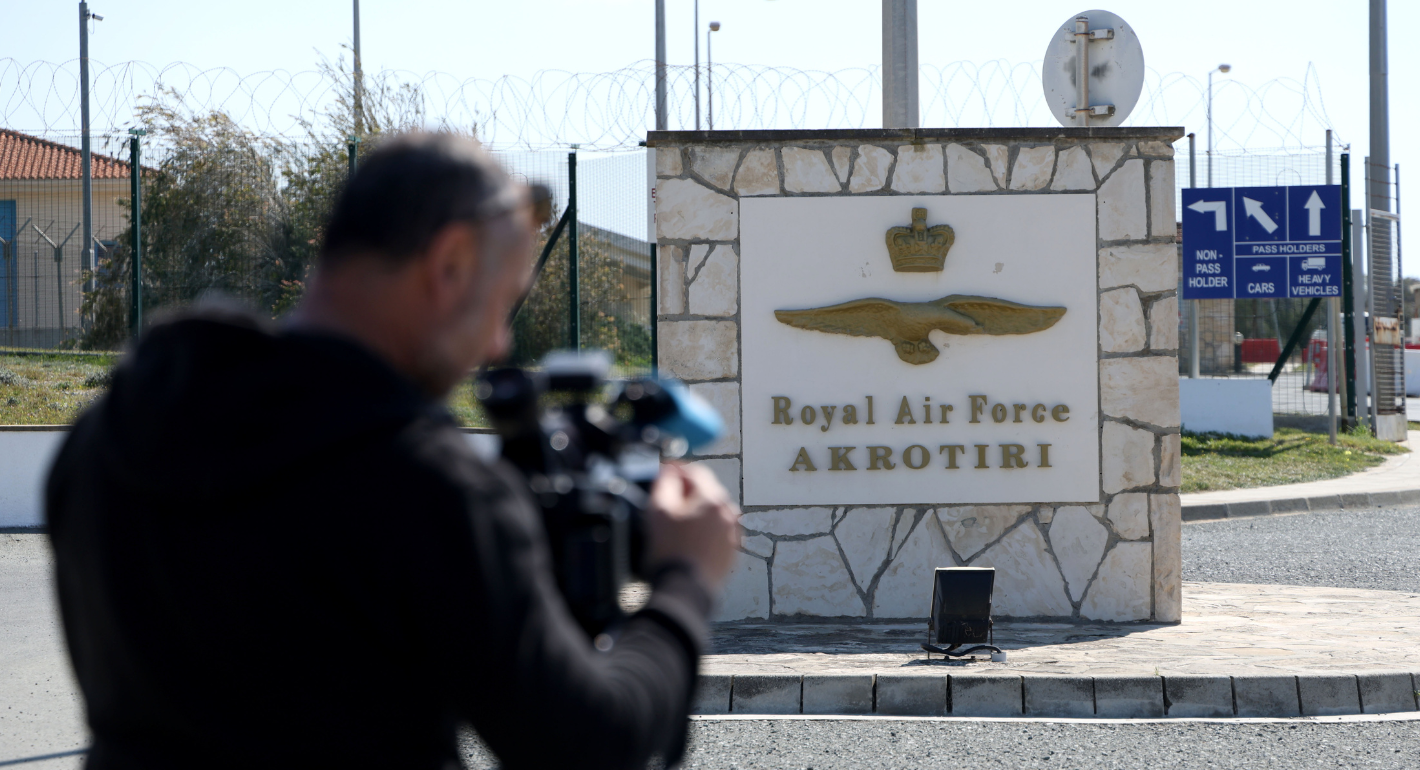
The drone strike on the British air base in Akrotiri brings Europe’s proximity to the conflict in Iran into sharp relief. In the fog of war, old tensions in the Eastern Mediterranean risk being reignited, and regional stakeholders must avoid escalation.

Marc Pierini
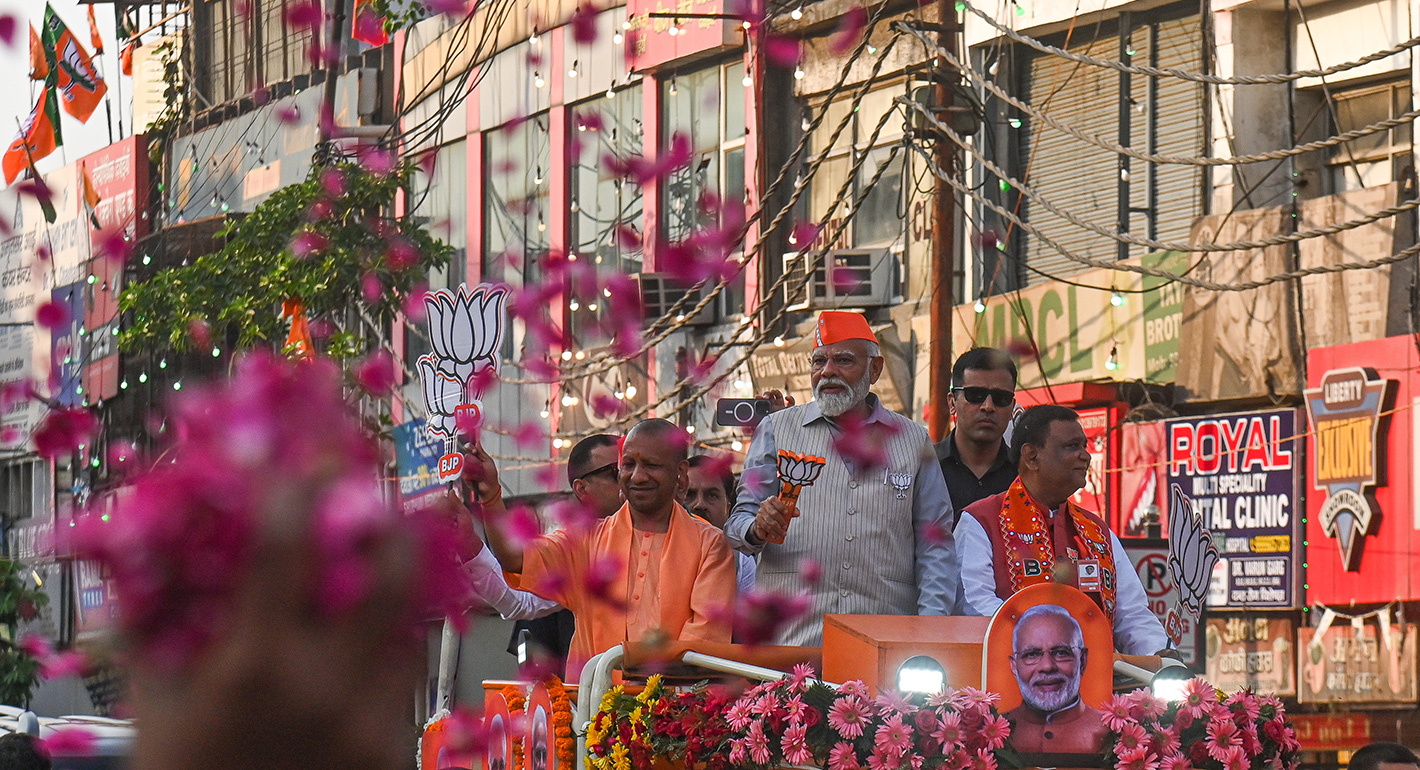
Domestic mobilization, personalized leadership, and nationalism have reshaped India’s global behavior.

Sandra Destradi
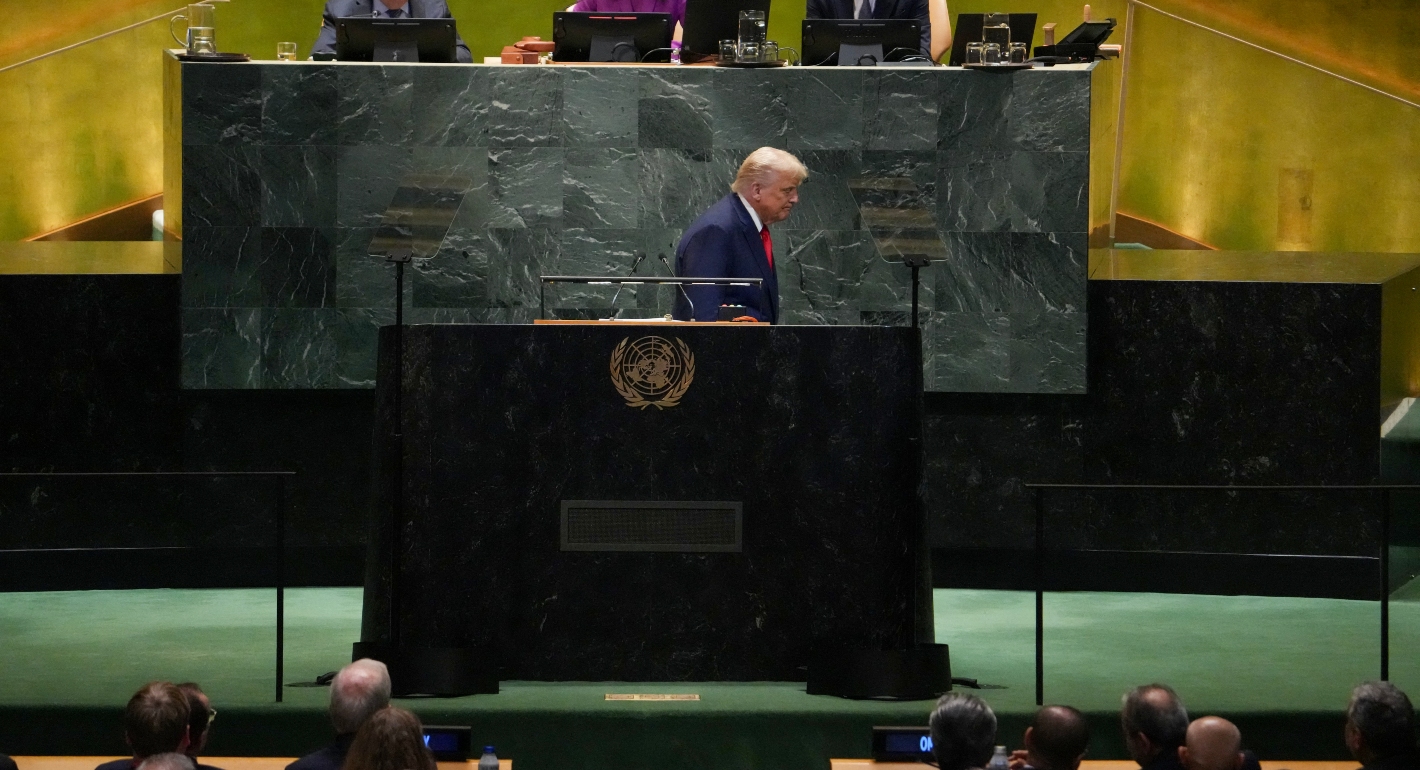
For years, the United States anchored global cyber diplomacy. As Washington rethinks its leadership role, the launch of the UN’s Cyber Global Mechanism may test how allies adjust their engagement.

Patryk Pawlak, Chris Painter
Most of Moscow’s military resources are tied up in Ukraine, while Beijing’s foreign policy prioritizes economic ties and avoids direct conflict.


Alexander Gabuev, Temur Umarov