

In The Media
Minxin Pei
{
  "authors": [
    "Minxin Pei"
  ],
  "type": "other",
  "centerAffiliationAll": "dc",
  "centers": [
    "Carnegie Endowment for International Peace"
  ],
  "collections": [],
  "englishNewsletterAll": "asia",
  "nonEnglishNewsletterAll": "",
  "primaryCenter": "Carnegie Endowment for International Peace",
  "programAffiliation": "AP",
  "programs": [
    "Asia"
  ],
  "projects": [],
  "regions": [
    "United States",
    "Iraq"
  ],
  "topics": [
    "Political Reform",
    "Democracy",
    "Foreign Policy"
  ]
}
REQUIRED IMAGE
The record of past U.S. experience in democratic nation building is daunting. The low rate of success is a sobering reminder that these are among the most difficult foreign policy ventures for the U.S. Unilateral nation building by the U.S. has had an even rougher time-perhaps because unilateralism has led to surrogate regimes and direct U.S. administration during the post-conflict period.
Source: Carnegie
The record of past U.S. experience in democratic nation building is daunting. The low rate of success is a sobering reminder that these are among the most difficult foreign policy ventures for the United States. Of the sixteen such efforts during the past century, democracy was sustained in only four cases ten years after the departure of U.S. forces. Two of these followed the total defeat and surrender of Japan and Germany after World War II, and two were tiny Grenada and Panama.
Unilateral nation building by the United States has had an even rougher time-perhaps because unilateralism has led to surrogate regimes and direct U.S. administration during the post-conflict period. Not one American-supported surrogate regime has made the transition to democracy, and only one case of direct American administration has done so. Importantly, many of the factors that experience shows are most crucial to success are absent in Iraq. To heed the lessons of its history and raise the odds of success, the United States should support a multilateral reconstruction strategy under U.N. auspices centered on bolstering political legitimacy and sharing economic burdens.
Click on link above for full text of this Policy Brief.
About the Authors
Minxin Pei is senior associate and codirector of the Endowment's China Program. He is the author of From Reform to Revolution: The Demise of Communism in China and the Soviet Union (Harvard University Press, 1994) and China's Trapped Transition: The Limits of Developmental Autocracy (Harvard University Press, forthcoming). Sara Kasper is a Junior Fellow in the Endowment's China Program. She received her B.A. in politics from Messiah College in Pennsylvania.
Also by Minxin Pei:
Beijing Drama: China's Governance Crisis and Bush's New Challenge (Carnegie Endowment Policy Brief No. 21)
Rebalancing United States—China Relations (Carnegie Endowment Policy Brief No. 13), coauthored with Michael Swaine
Future Shock: The WTO and Political Change in China (Carnegie Endowment Policy Brief No. 3)
Former Adjunct Senior Associate, Asia Program
Pei is Tom and Margot Pritzker ‘72 Professor of Government and the director of the Keck Center for International and Strategic Studies at Claremont McKenna College.
Recent Work
Minxin Pei
Minxin Pei
Carnegie does not take institutional positions on public policy issues; the views represented herein are those of the author(s) and do not necessarily reflect the views of Carnegie, its staff, or its trustees.

China’s political future will be shaped between now and next October. As the Communist Party enters its intense “campaign season” to prepare for a major political transition in 2027, reading Beijing's actions and responses may become more difficult as domestic politics weigh on its behavior more than usual.

Damien Ma

The EU can impose sanctions but struggles to enforce them without the United States. With Washington increasingly disinterested in backing European interests, the bloc must now fend for itself.


Nicu Popescu, Tiago Antunes
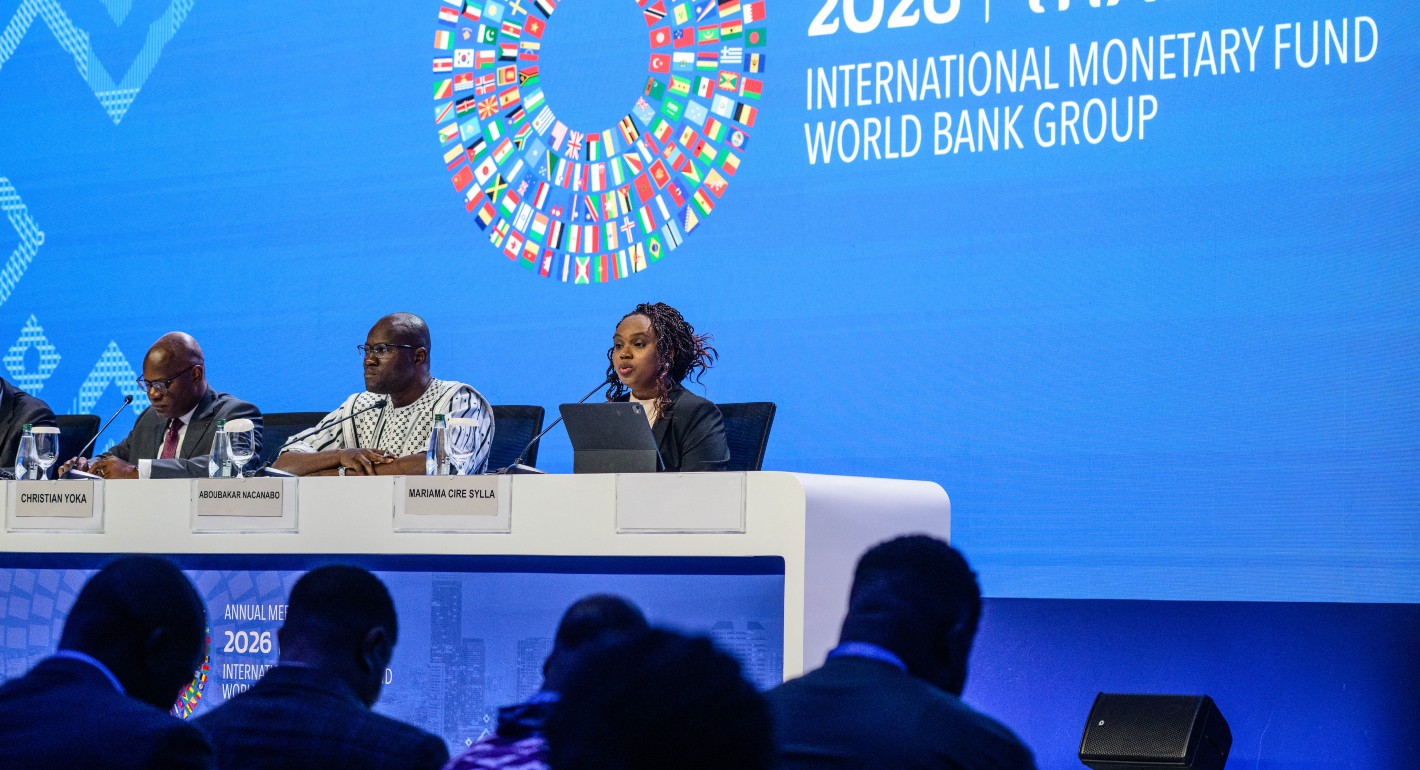
Global and rising powers will need to engage with Africa’s priorities and agency in order to secure the continent’s increasingly attractive partnerships.
Fonteh Akum

Rubio’s recent visit brought welcome attention, but more capital requires governance changes that may be a hard sell for regional governments.

Jennifer B. Murtazashvili

America’s foreign-policy objectives have grown more demanding while Americans have demanded greater focus on their own affairs.

Stephen Wertheim