

In The Media
Minxin Pei
{
  "authors": [
    "Minxin Pei"
  ],
  "type": "legacyinthemedia",
  "centerAffiliationAll": "dc",
  "centers": [
    "Carnegie Endowment for International Peace",
    "Carnegie China"
  ],
  "collections": [],
  "englishNewsletterAll": "asia",
  "nonEnglishNewsletterAll": "",
  "primaryCenter": "Carnegie China",
  "programAffiliation": "AP",
  "programs": [
    "Asia"
  ],
  "projects": [],
  "regions": [
    "China"
  ],
  "topics": [
    "Political Reform",
    "Democracy",
    "Economy",
    "Military",
    "Domestic Politics"
  ]
}
REQUIRED IMAGE
Source: Foreign Policy
China's economy is blinding the world to its political risks.
There is a Chinese proverb that says "one spot of beauty can conceal a hundred spots of ugliness." Today, in China, there are few things as beautiful as the country's economic growth. But it is premature to dismiss the inherent instability in China's authoritarian politics. The country's rapid economic growth may be blinding us to systemic risks in Chinese domestic politics that, if poorly managed, could explode, threatening the survival of the regime. There is no question that China's economy is on the rise-but so are the risks of political crisis.
To be fair, some of the dangers China is facing simply come with the challenge of being a developing country racing toward a market economy. Shaking off socialism isn't easy for any nation. When you are the world's most populous country, the chances for socioeconomic disaster are enormous. Income inequality, for example, is to be expected. The period from 1980 to 1997 saw a 50-percent rise in inequality in China. Labor migration is natural. But China is experiencing the largest movement of rural labor in history. In recent years, Chinese cities have absorbed at least 114 million rural workers, and they are expected to see an influx of another 250 to 300 million in the next few decades. Under the circumstances, it's hardly surprising that China's effort to establish a new social safety net has fallen short, especially given its socialist roots. It would be a Herculean task for any government.
But China's isn't just any government. It is one that rests on fragile political foundations, little rule of law, and corrupt governance. Worse, it has consistently placed the highest value on economic growth and viewed all demands for curbing its discretion and power as threats to its goal of rapid modernization. The result? Social deficits in education, public health, and environmental protection. But it is hardly surprising, since promoting high growth advances the careers of government officials. Thus, China's elites devote most of their resources to building glitzy shopping malls, factories, and even Formula One racing tracks, while neglecting social investments with long-term returns. So for those who wonder how, if China's political system is so rotten, it can deliver robust growth year after year, the answer is that it delivers robust growth year after year, in part, because it is so rotten.
But the Chinese Communist Party knows that the people will tolerate only so much rot. Corruption is a rising concern. The party's inability to police its own officials, many of whom are now engaged in unrestrained looting of public assets, is one of Beijing's greatest worries. These regime insiders have effectively privatized the power of the state and use it to advance personal interests. Their loyalty to the party is questionable, if it exists at all. The accelerating effect on the party's demise resembles that of a bank run; more and more insiders cannot wait to cash in their investment in the party.
Of course, the Chinese government, like other authoritarian regimes, is constantly threatened by internal power struggles. Again, Beijing has not only bucked the naysayers, but its ability to weather internecine strife appears to have improved markedly since the 1989 Tiananmen tragedy. The recent transfer of power from Presidents Jiang Zemin to Hu Jintao turned out more smoothly than expected, perhaps signifying that the party has acquired a higher degree of institutional maturity. But it may still be too little, too late for an increasingly pluralistic and assertive population. Although the government managed to build an elitist ruling alliance of party officials, bureaucrats, intellectuals, and businessmen, the durability of this alliance is questionable. And, as in other countries, exclusionary politics inevitably breeds alienation, resentment, and anger. This does not mean that a social revolution is imminent in China. But should a crisis hit, all bets are off.
Thankfully, all of these risks are manageable if China confronts them with bold political reforms rather than denial and delay. But this may be wishful thinking. Beijing has thus far preferred these risks to the gamble of democratic reforms. The only thing certain about China's political risks is that they are on the rise. And that reality is hardly a thing of beauty.
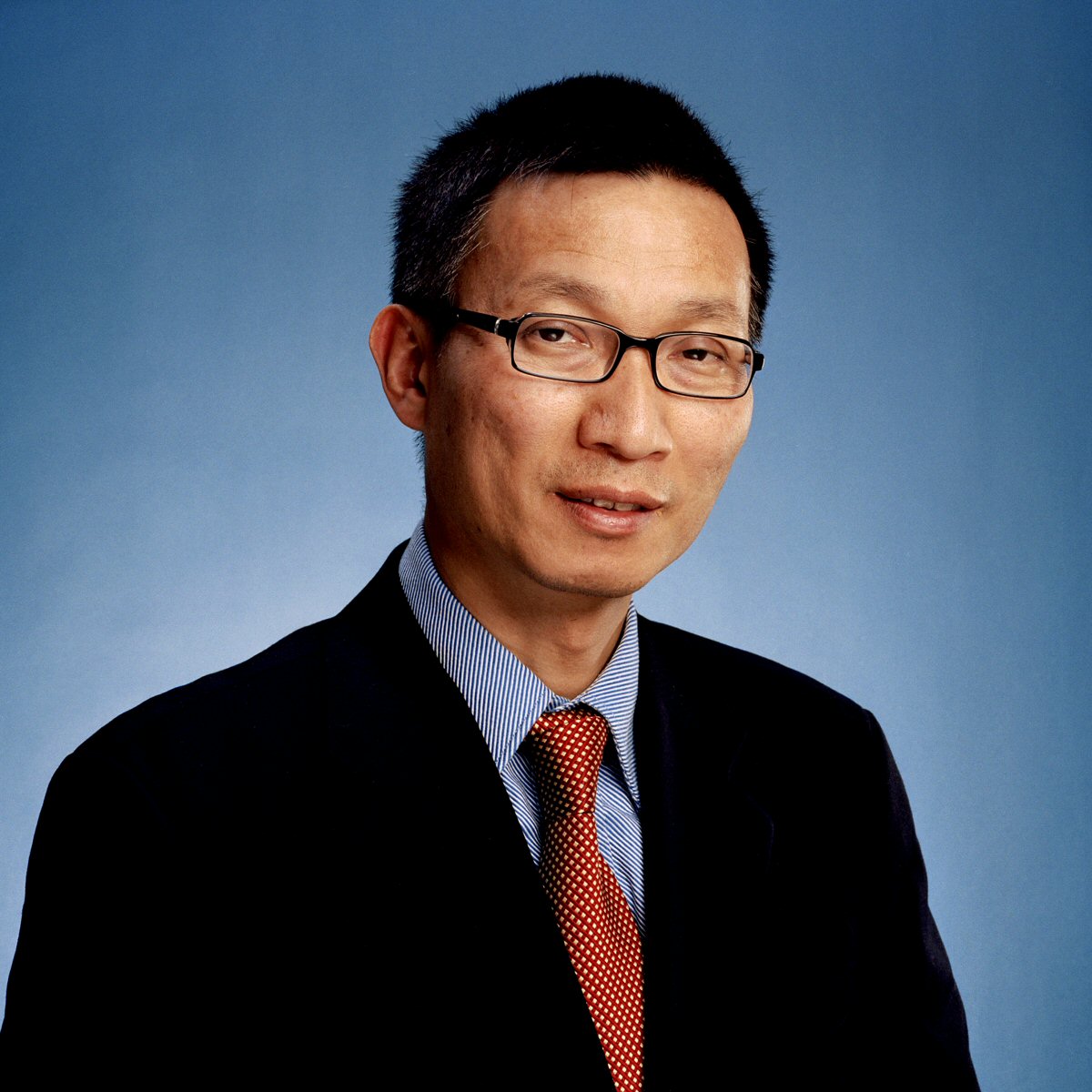
Minxin Pei is director of the China Program at the Carnegie Endowment for International Peace.
Former Adjunct Senior Associate, Asia Program
Pei is Tom and Margot Pritzker ‘72 Professor of Government and the director of the Keck Center for International and Strategic Studies at Claremont McKenna College.
Recent Work
Minxin Pei
Minxin Pei
Carnegie does not take institutional positions on public policy issues; the views represented herein are those of the author(s) and do not necessarily reflect the views of Carnegie, its staff, or its trustees.

By fueling the arguments of both supporters and opponents of Armenian Prime Minister Nikol Pashinyan, Azerbaijan wants to ensure he is re-elected with a weaker mandate.

Bashir Kitachaev

A much-discussed disagreement over internet restrictions in Russia was never an existential threat for Putin: It was about elite groups protecting their interests.

Alexandra Prokopenko

This piece argues that India’s central challenge is not managing a single flashpoint but resolving the underlying tension between expansion and institutional coherency of the BRICS grouping.

Vrinda Sahai
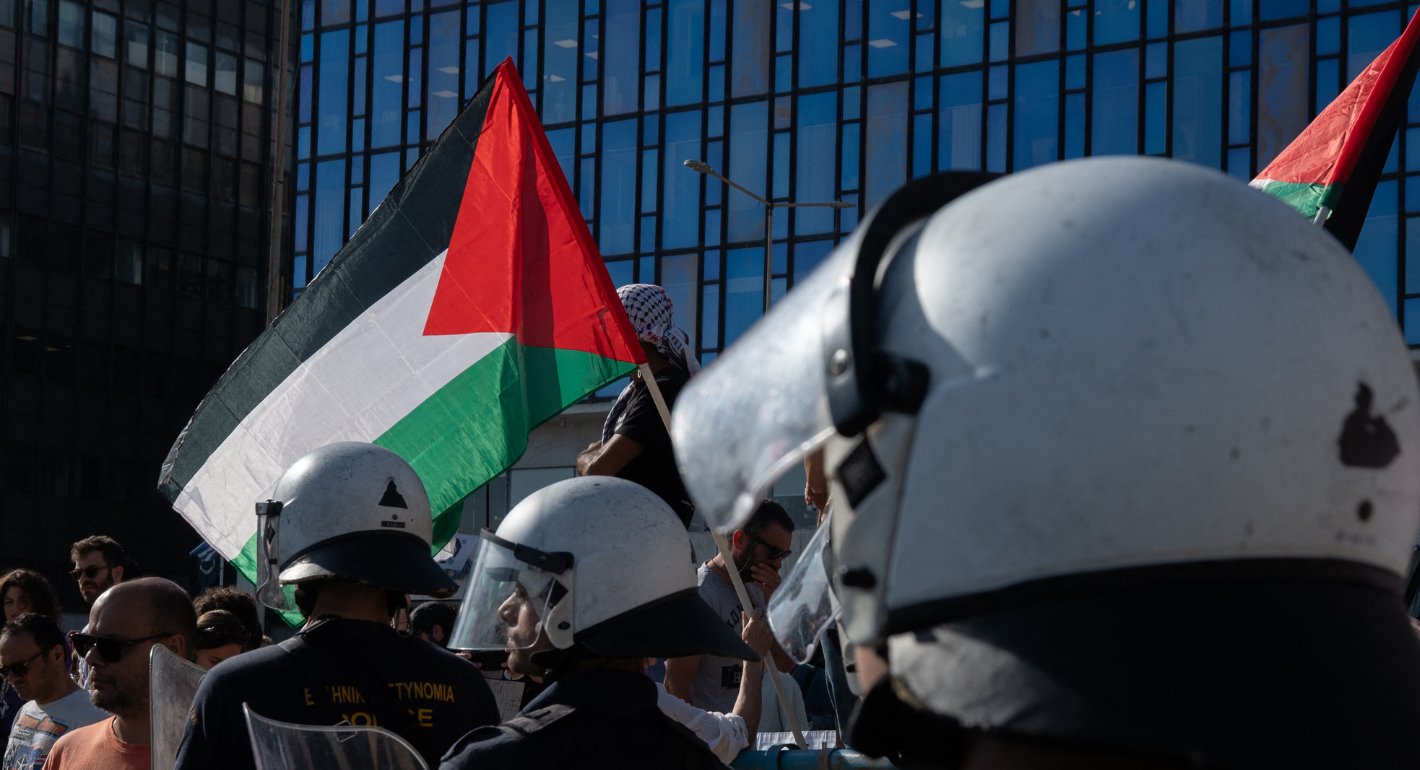
The battle over free speech has taken center stage since U.S. Vice President JD Vance accused Europe of censorship. From travel bans to social media regulation, especially around the Israel-Palestine conflict, are liberal democratic governments weaponizing free speech?

Rym Momtaz, ed.
Beijing regulated AI—and then Chinese AI companies took off.

Matt Sheehan