

Commentary
Why governance of rapidly evolving technology will be distributed and complex.
Stewart Patrick, Scott Singer
{
  "authors": [
    "Husain Haqqani",
    "Kenneth Ballen"
  ],
  "type": "legacyinthemedia",
  "centerAffiliationAll": "dc",
  "centers": [
    "Carnegie Endowment for International Peace"
  ],
  "collections": [],
  "englishNewsletterAll": "ctw",
  "nonEnglishNewsletterAll": "",
  "primaryCenter": "Carnegie Endowment for International Peace",
  "programAffiliation": "SAP",
  "programs": [
    "South Asia",
    "Middle East"
  ],
  "projects": [],
  "regions": [
    "South Asia",
    "India",
    "Afghanistan",
    "Pakistan"
  ],
  "topics": [
    "Political Reform",
    "Military",
    "Foreign Policy"
  ]
}
REQUIRED IMAGE
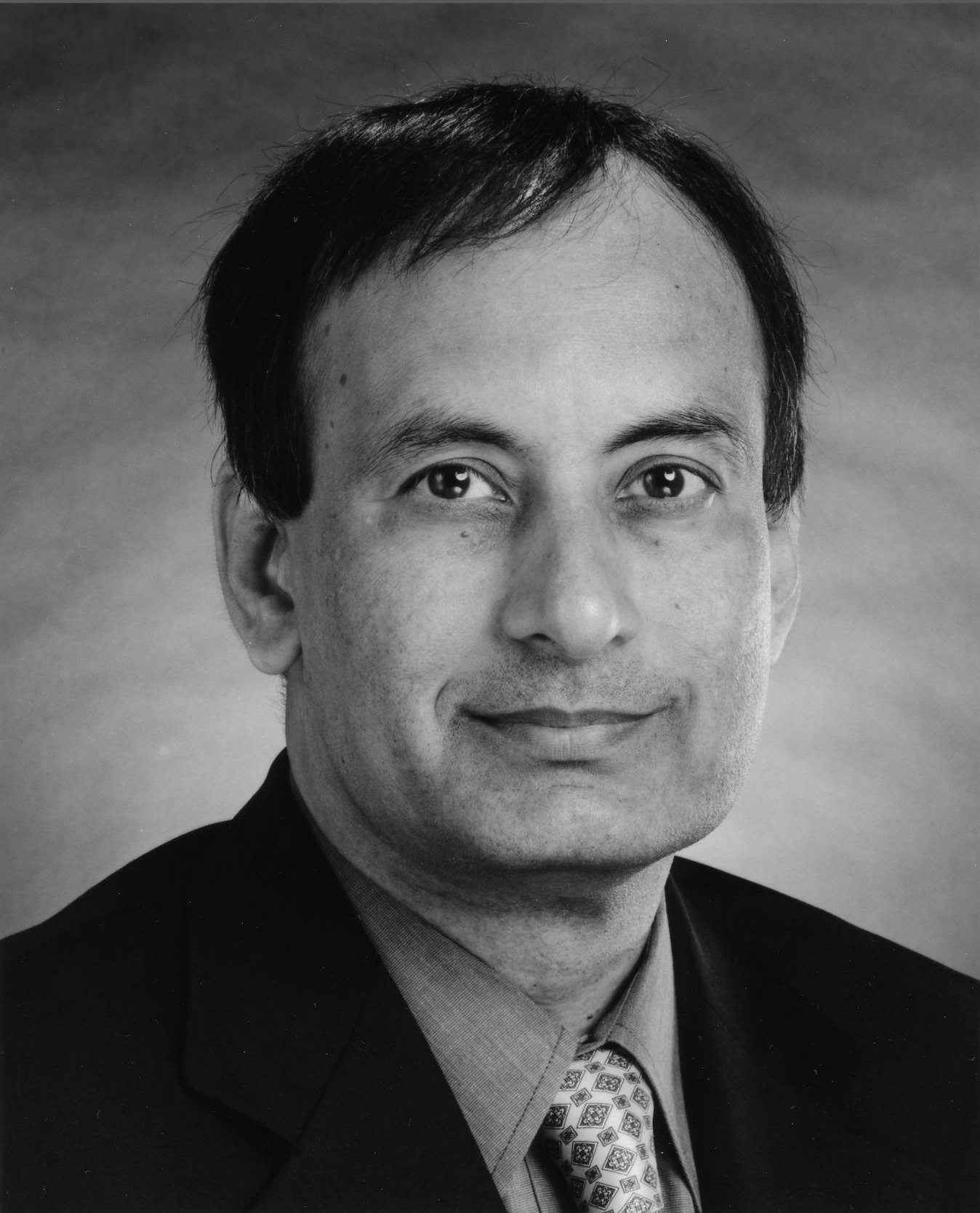
Husain Haqqani urges the United States and the world community to do nothing less than spearhead a response to the earthquake in Pakistan similar to that following the tsunami
Source: GLOBEANDMAIL.COM
The most critical location for immediate international engagement is not Iraq or Afghanistan but Pakistan.
The devastation in Pakistan from the earthquake is as devastating as Southeast Asia's tsunami last year. But the international response has fallen short. The death toll has risen to 87,000 and the severe Himalayan winter is only weeks away. Equally horrendous is the number of people displaced - three times as many as those affected by the Indian Ocean tsunami. And yet international assistance provided following the tsunami dwarfs the aid provided to Pakistan. Eighty per cent of the aid pledged for the tsunami (more than $4-billion) was given with two weeks. Pakistan so far has only received $17-million, just 12 per cent of aid pledged. According to the United Nations, pledges to date total only 25 per cent of what is needed.
For the tsunami, 4,000 helicopters were donated to ferry life-saving aid to stricken areas, and in Pakistan just 70 - even though there are almost three times as many people who need the food and shelter to survive than after the tsunami.
International humanitarian assistance doesn't just save lives, it helps fight the war on terror. According to post-tsunami polls conducted by the Maryland-based, non-profit group Terror Free Tomorrow, support for Osama bin Laden dropped by half as a result of international assistance to tsunami victims in the world's largest Muslim nation.
In nuclear-armed Pakistan right now - another of the world's largest Muslim nations, where 65 per cent of the population think favourably of Mr. bin Laden - radical Islamist parties are mobilizing and are in the vanguard of those helping in the most-stricken areas. The void left by the Pakistan government, the United States and the international community has been filled by Jamaat-ud-Dawa and the Al-Rasheed Trust, both groups linked to al-Qaeda, as well as Jammat-i-Islami, the leading radical Islamic party in Pakistan.
Even Pakistani Interior Minister Aftab Khan Sherpao had to acknowledge that the radicals are now "the lifeline of our rescue and relief work."
In fact, radical Islamic groups have vigorously opposed U.S. and international aid because they know this will weaken their propaganda efforts. In a speech last week, Jamaat's leader, Qazi Hussain Ahmed, said, "The Americans are [providing relief in Pakistan] to damage the solidarity of the country, and will work for materializing their ulterior motives."
The United States and the world community must now do nothing less than spearhead a response similar to that following the tsunami, not only for self-evident and overwhelming humanitarian needs but also for long-term national security.
After Katrina, Rita and the tsunami, an understandable "donor fatigue" for private relief efforts must not set in. Indeed, private relief agencies are reporting that contributions are less than 15 per cent of what they were in the weeks following the tsunami. President George W. Bush has enlisted corporate leaders in the United States. But what we really need is the same kind of effort for private donations as that led by former presidents George H.W. Bush and Bill Clinton after the tsunami, and one to occur throughout North America, Europe and Japan.
According to a new Ipsos poll commissioned by Terror Free Tomorrow, a strong majority (71 per cent) of the American public have read or seen less in the news media on the Pakistan earthquake than on the tsunami that struck Asia. But when informed of the facts, a majority of the American public supports increased assistance to the victims of the earthquake in Pakistan.
If we are serious about truly confronting what President George W. Bush called "the murderous ideology" of radical Islamists, then we must also take concrete steps now to provide aid and weaken support among radicals at home.
Former Visiting Scholar
Kenneth Ballen
Carnegie does not take institutional positions on public policy issues; the views represented herein are those of the author(s) and do not necessarily reflect the views of Carnegie, its staff, or its trustees.
Why governance of rapidly evolving technology will be distributed and complex.


Stewart Patrick, Scott Singer

It should address the shortcomings of previous crisis communication efforts and adapt to the demands of frontier AI.

Lucy Luo

If the Russian-speaking community in Latvia cannot articulate their interests without being seen as disloyal, they could end up embracing a pro-Kremlin agenda.

Sergejs Potapkins

Washington’s decision to support some UN functions while letting others wither is pulling the organization apart at the seams.
Stewart Patrick, Theodore Zaritsky

Are Germany’s economic, industrial, and political struggles becoming a liability for the EU’s ability to rise to the geopolitical moment?

Rym Momtaz, ed.