• Research
  • Emissary
  • About
  • Experts
Carnegie Global logoCarnegie lettermark logo
DemocracyIran
  • Donate
{
  "authors": [
    "Joseph Cirincione"
  ],
  "type": "legacyinthemedia",
  "centerAffiliationAll": "dc",
  "centers": [
    "Carnegie Endowment for International Peace"
  ],
  "collections": [
    "U.S. Nuclear Policy"
  ],
  "englishNewsletterAll": "ctw",
  "nonEnglishNewsletterAll": "",
  "primaryCenter": "Carnegie Endowment for International Peace",
  "programAffiliation": "NPP",
  "programs": [
    "Nuclear Policy"
  ],
  "projects": [],
  "regions": [
    "North America",
    "United States",
    "Middle East",
    "Iran"
  ],
  "topics": [
    "Nuclear Policy",
    "Nuclear Energy"
  ]
}
REQUIRED IMAGE
REQUIRED IMAGE

In The Media

The New Brinksmanship: Iran's Nuclear Threat

Link Copied
By Joseph Cirincione
Published on Feb 8, 2006
Program mobile hero image

Program

Nuclear Policy

The Nuclear Policy Program works to reduce the risk of nuclear catastrophe. Our experts identify and analyze dangers, and then use our global network to advance concrete and pragmatic risk-reduction policies relating to deterrence and international security, arms control, nonproliferation, and nuclear energy.

Learn More
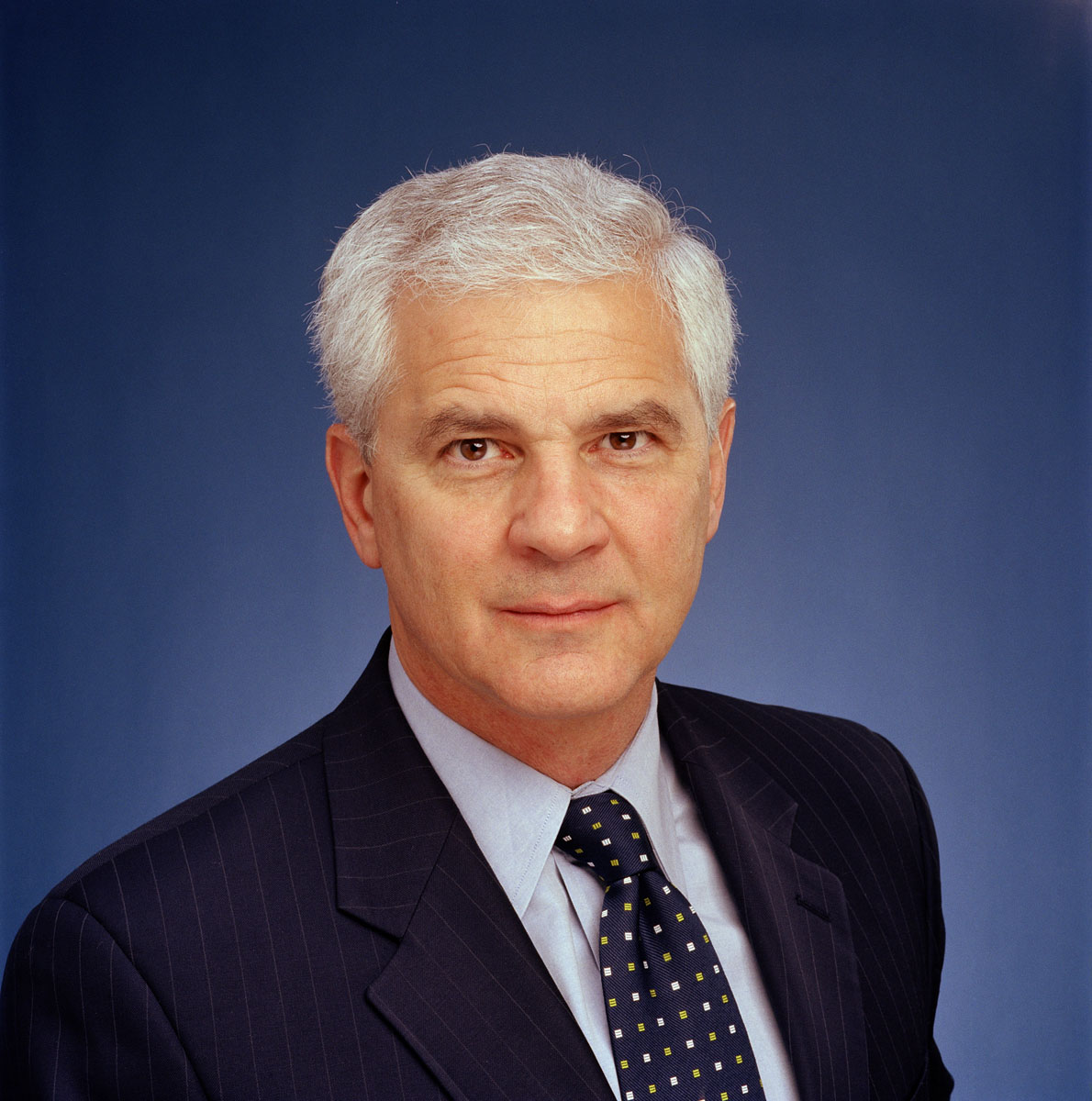
In a radio interview on February 8, 2006, Carnegie Director for Nonproliferation Joseph Cirincione discussed Iran's attempts to restart its nuclear program in defiance of the International Atomic Energy Agency. This hour-long program aired on Fresh Air on WHYY. Click here for streaming audio featured on National Public Radio's website.

About the Author

Joseph Cirincione

Former Senior Associate, Director for NonProliferation

    Recent Work

  • Report
    Universal Compliance: A Strategy for Nuclear Security<br>With 2007 Report Card on Progress
      • +2

      George Perkovich, Jessica Tuchman Mathews, Joseph Cirincione, …

  • Article
    The End of Neoconservatism

      Joseph Cirincione

Joseph Cirincione
Former Senior Associate, Director for NonProliferation
Joseph Cirincione
Nuclear PolicyNuclear EnergyNorth AmericaUnited StatesMiddle EastIran

Carnegie does not take institutional positions on public policy issues; the views represented herein are those of the author(s) and do not necessarily reflect the views of Carnegie, its staff, or its trustees.

More Work from Carnegie Endowment for International Peace

  • Commentary
    Strategic Europe
    Trump Blindsides Ukraine But Gives Europe an Opportunity

    Ahead of a tough winter for Ukraine, Donald Trump’s swing back toward Russia bodes ill. But instead of panicking, Kyiv’s European allies are focusing on action.

      • Rym Momtaz

      Rym Momtaz

  • Two men wave and point to the sky against a dark background
    Commentary
    Emissary
    "Digger" May Be the Most Influential Climate Movie Yet

    Despite its flop at the box office, the film raises important questions for the climate community to answer.
      Leonardo Martinez-Diaz

  • Commentary
    Diwan
    An American Muslim Exception?

    In an interview, Rozina Ali discusses her new book on the rise and manifestations of Islamophobia in the United States.
      Michael Young
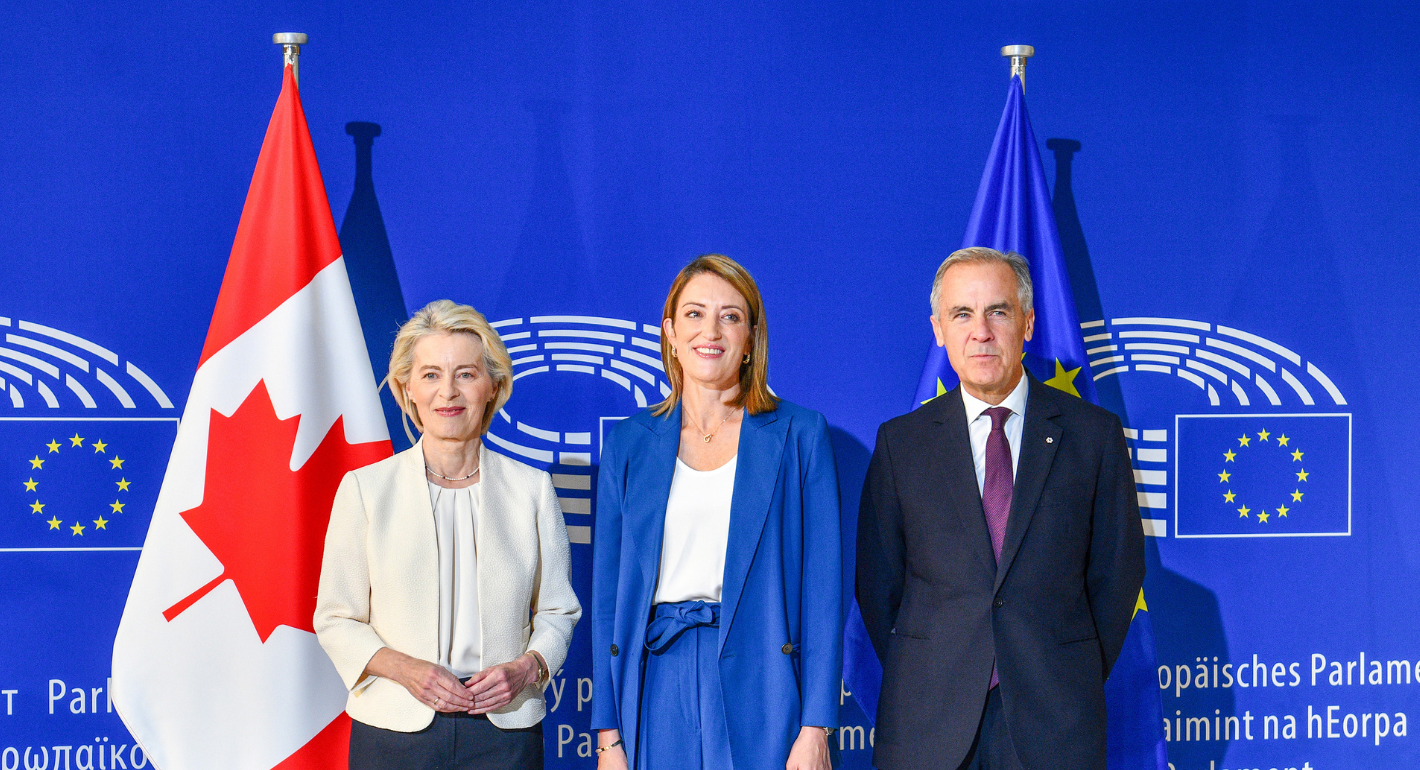
  • Commentary
    Strategic Europe
    The EU’s Middle-Power Puzzle

    While the EU and European governments are embracing the much-lauded middle-power moment, this entails three difficult conundrums.

      Richard Youngs
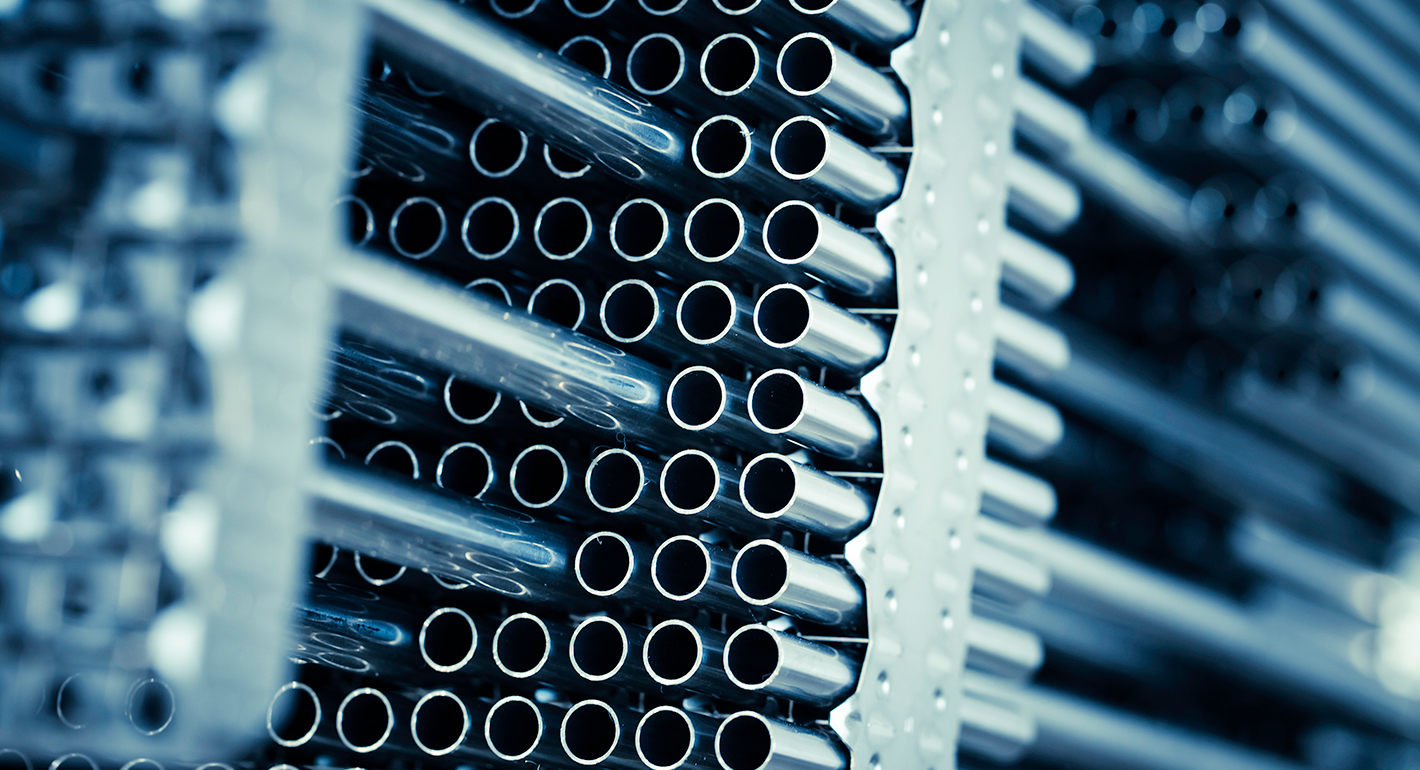
  • Inside Detail of Nuclear Reactor
    Paper
    Can Nuclear Fuel Be Delivered in Time to Power Advanced Nuclear Reactors?

    Producing nuclear fuel quickly enough remains a major risk factor for the emerging advanced reactor industry.
      • Elmer Dyke

      Elmer W. Dyke

Get more news and analysis from
Carnegie Endowment for International Peace
Carnegie global logo, stacked
1779 Massachusetts Avenue NWWashington, DC, 20036-2103Phone: 202 483 7600
  • Research
  • Emissary
  • About
  • Experts
  • Donate
  • Programs
  • Events
  • Blogs
  • Podcasts
  • Contact
  • Annual Reports
  • Careers
  • Privacy
  • For Media
  • Government Resources
Get more news and analysis from
Carnegie Endowment for International Peace
© 2026 Carnegie Endowment for International Peace. All rights reserved.