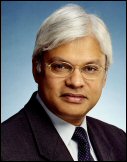
Ashley J. Tellis
{
"authors": [
"Ashley J. Tellis"
],
"type": "testimony",
"centerAffiliationAll": "dc",
"centers": [
"Carnegie Endowment for International Peace"
],
"collections": [
"U.S. Nuclear Policy"
],
"englishNewsletterAll": "",
"nonEnglishNewsletterAll": "",
"primaryCenter": "Carnegie Endowment for International Peace",
"programAffiliation": "NPP",
"programs": [
"Nuclear Policy",
"South Asia"
],
"projects": [],
"regions": [
"North America",
"United States",
"South Asia",
"India"
],
"topics": [
"Nuclear Policy"
]
}Source: Getty
The U.S.-India ''Global Partnership'': Legislative Options
The agreement on civil nuclear cooperation that presently exists between the United States and India was the only accord possible because it remains the only framework that protects the core national security interests of both sides.
Source: House Committee on International Relations

On May 11, 2006, Carnegie Senior Associate Ashley J. Tellis testified before the House Committee on International Relations. His testimony was part of the hearing on
“The U.S.-India ‘Global Partnership’: Legislative Options,” called by Chairman of the Committee Congressman Henry J. Hyde.
Full testimony is available in PDF on the left.
About the Author
Former Senior Fellow
Ashley J. Tellis was a senior fellow at the Carnegie Endowment for International Peace.
- Multipolar Dreams, Bipolar Realities: India’s Great Power FuturePaper
- India Sees Opportunity in Trump’s Global Turbulence. That Could Backfire.Commentary
Ashley J. Tellis
Recent Work
Carnegie does not take institutional positions on public policy issues; the views represented herein are those of the author(s) and do not necessarily reflect the views of Carnegie, its staff, or its trustees.
More Work from Carnegie Endowment for International Peace
- Iran Is Pushing Its Neighbors Toward the United StatesCommentary
Tehran’s attacks are reshaping the security situation in the Middle East—and forcing the region’s clock to tick backward once again.
Amr Hamzawy
- Modernizing South Asia’s Borders Through Data-Driven ResearchArticle
Cargo time release studies offer a path to greater economic gains and higher trust between neighboring countries.
Nikita Singla
- The Gulf Monarchies Are Caught Between Iran’s Desperation and the U.S.’s RecklessnessCommentary
Only collective security can protect fragile economic models.
Andrew Leber
- Europe on Iran: Gone with the WindCommentary
Europe’s reaction to the war in Iran has been disunited and meek, a far cry from its previously leading role in diplomacy with Tehran. To avoid being condemned to the sidelines while escalation continues, Brussels needs to stand up for international law.
Pierre Vimont
- Lessons Learned from the Biden Administration’s Initial Efforts on Climate MigrationArticle
In 2021, the U.S. government began to consider how to address climate migration. The outcomes of that process offer useful takeaways for other governments.
Jennifer DeCesaro