• Research
  • Emissary
  • About
  • Experts
Carnegie Global logoCarnegie lettermark logo
DemocracyIran
  • Donate
{
  "authors": [
    "Thomas Carothers"
  ],
  "type": "legacyinthemedia",
  "centerAffiliationAll": "dc",
  "centers": [
    "Carnegie Endowment for International Peace"
  ],
  "collections": [
    "Democracy and Governance"
  ],
  "englishNewsletterAll": "democracy",
  "nonEnglishNewsletterAll": "",
  "primaryCenter": "Carnegie Endowment for International Peace",
  "programAffiliation": "DCG",
  "programs": [
    "Democracy, Conflict, and Governance"
  ],
  "projects": [],
  "regions": [
    "North America",
    "Middle East",
    "China"
  ],
  "topics": [
    "Political Reform",
    "Democracy"
  ]
}
Source: Getty

In The Media

How Democracies Emerge: The "Sequencing" Fallacy

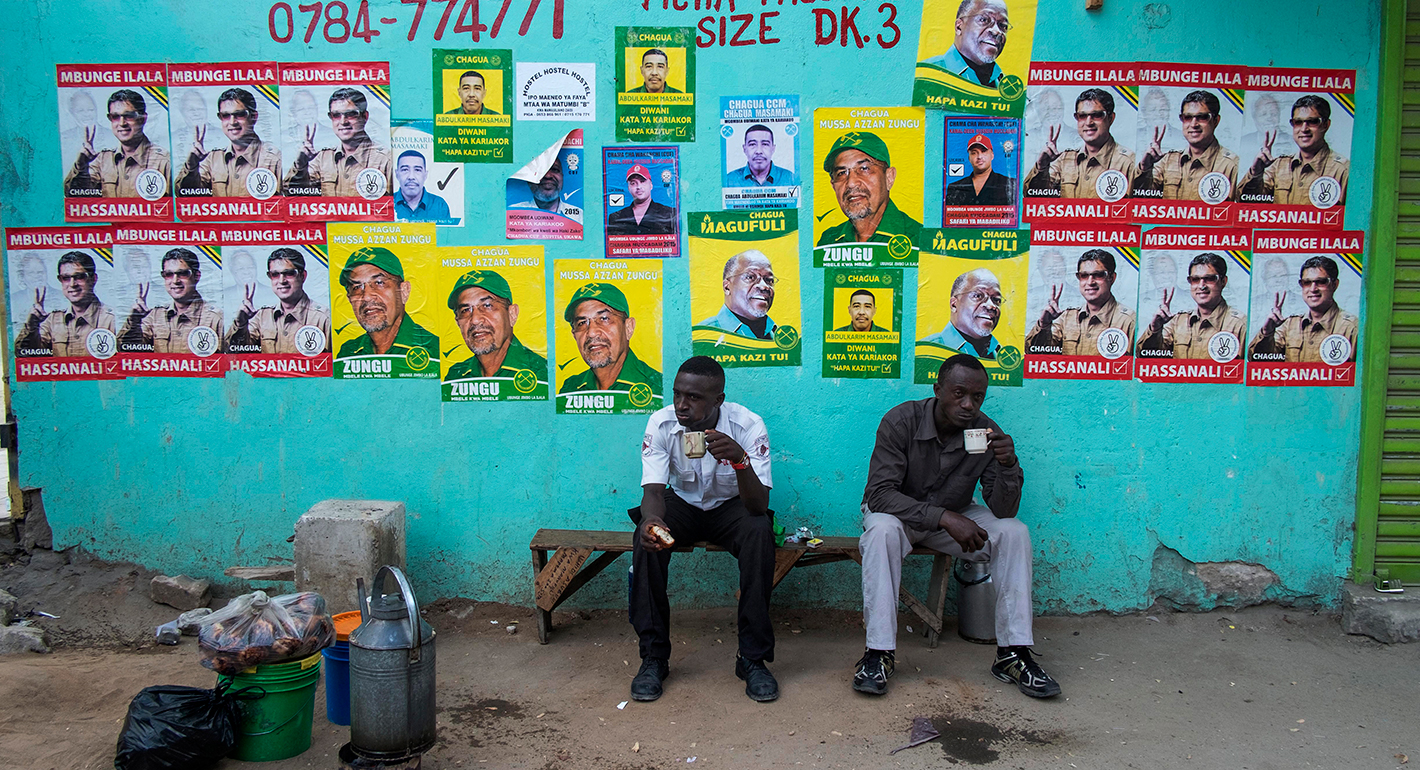
In the second half of the 1990s, a counterreaction emerged to the heady enthusiasm about democracy promotion that flourished during the peak years of democracy’s “third wave” in the late 1980s and early 1990s. Believing that the global democratic wave had been oversold, several policy experts and scholars produced a series of influential articles articulating a pessimistic, cautionary view.

Link Copied
By Thomas Carothers
Published on Jan 10, 2007
Program mobile hero image

Program

Democracy, Conflict, and Governance

The Democracy, Conflict, and Governance Program is a leading source of independent policy research, writing, and outreach on global democracy, conflict, and governance. It analyzes and seeks to improve international efforts to reduce democratic backsliding, mitigate conflict and violence, overcome political polarization, promote gender equality, and advance pro-democratic uses of new technologies.

Learn More

Source: Journal of Democracy

In the second half of the 1990s, a counterreaction emerged to the heady enthusiasm about democracy and democracy promotion that flourished during the peak years of democracy’s “third wave” in the late 1980s and early 1990s. Believing that the global democratic wave had been oversold, several policy experts and scholars produced a series of influential articles articulating a pessimistic, cautionary view. Fareed Zakaria, alarmed by what he saw as a dangerous rash of newly elected leaders restricting rights and abusing power from Peru and Argentina to the Philippines and Kazakhstan, warned that rapid democratization was producing a plague of “illiberal democracy.”1 Troubled by violent conflicts breaking out in former Yugoslavia, the former Soviet Union, and elsewhere, Edward Mansfield and Jack Snyder argued that democratizing states are in fact more conflict-prone than stable autocracies.2 Disturbed by the specter of ethnic conflict in different parts of Asia, Amy Chua asserted that the simultaneous pursuit of democracy and market reform in countries with “market-dominant minorities” leads to ethnic conflict and antimarket backlashes.3

Click on PDF icon above to read full article.

About the Author

Thomas Carothers

Harvey V. Fineberg Chair for Democracy Studies; Director, Democracy, Conflict, and Governance Program

Thomas Carothers, director of the Carnegie Endowment for International Peace’s Democracy, Conflict, and Governance Program, is a leading expert on comparative democratization and international support for democracy.

    Recent Work

  • Commentary
    When Do Mass Protests Topple Autocrats?
      • McKenzie Carrier

      Thomas Carothers, McKenzie Carrier

  • Article
    The Trump Administration’s Tangled Talk About Democracy Abroad
      • McKenzie Carrier

      Thomas Carothers, McKenzie Carrier

Thomas Carothers
Harvey V. Fineberg Chair for Democracy Studies; Director, Democracy, Conflict, and Governance Program
Thomas Carothers
Political ReformDemocracyNorth AmericaMiddle EastChina

Carnegie does not take institutional positions on public policy issues; the views represented herein are those of the author(s) and do not necessarily reflect the views of Carnegie, its staff, or its trustees.

More Work from Carnegie Endowment for International Peace

  • Trump and Netanyahu speaking
    Commentary
    Emissary
    The Diverging U.S. and Israeli Goals in Iran Are Making the Endgame Even Murkier

    The cracks between Trump and Netanyahu have become more pronounced, particularly over energy and leadership targets.

      • Eric Lob

      Eric Lob

  • Seoul traffic at night
    Commentary
    Emissary
    How the Hormuz Closure Is Testing the Korean President’s Progressive Agenda

    The crisis is not just a story of energy vulnerability. It’s also a complex, high-stakes political challenge.

      Darcie Draudt-Véjares

  • Commentary
    Strategic Europe
    Russia’s Imperial Retreat Is Europe’s Strategic Opportunity

    The war in Ukraine is costing Russia its leverage overseas. Across the South Caucasus and Middle East, this presents an opportunity for Europe to pick up the pieces and claim its own sphere of influence.

      William Dixon, Maksym Beznosiuk

  • Commentary
    Is the Radical-Right Threat Existential or Overstated?

    Amid increased polarization and the influence of disinformation, radical-right parties are once again gaining traction across Europe. With landmark elections on the horizon in several countries, are the EU’s geostrategic vision and fundamental values under existential threat?

      Catherine Fieschi, Cas Mudde

  • Commentary
    Carnegie Politika
    Tokayev’s New Constitution Is a Bet on Stability—At Freedom’s Expense

    Kazakhstan’s new constitution is an embodiment of the ruling elite’s fears and a self-serving attempt to preserve the status quo while they still can.

      Serik Beysembaev

Get more news and analysis from
Carnegie Endowment for International Peace
Carnegie global logo, stacked
1779 Massachusetts Avenue NWWashington, DC, 20036-2103Phone: 202 483 7600Fax: 202 483 1840
  • Research
  • Emissary
  • About
  • Experts
  • Donate
  • Programs
  • Events
  • Blogs
  • Podcasts
  • Contact
  • Annual Reports
  • Careers
  • Privacy
  • For Media
  • Government Resources
Get more news and analysis from
Carnegie Endowment for International Peace
© 2026 Carnegie Endowment for International Peace. All rights reserved.