

Commentary
European reactions to the war in Iran have lost sight of wider political dynamics. The EU must position itself for the next phase of the crisis without giving up on its principles.
Richard Youngs
{
  "authors": [],
  "type": "pressRelease",
  "centerAffiliationAll": "dc",
  "centers": [
    "Carnegie Endowment for International Peace"
  ],
  "collections": [],
  "englishNewsletterAll": "menaTransitions",
  "nonEnglishNewsletterAll": "",
  "primaryCenter": "Carnegie Endowment for International Peace",
  "programAffiliation": "MEP",
  "programs": [
    "Middle East"
  ],
  "projects": [],
  "regions": [
    "North Africa",
    "Egypt"
  ],
  "topics": [
    "Political Reform",
    "Foreign Policy"
  ]
}
REQUIRED IMAGE
Michele Dunne outlines the major implications of Egypt’s current political climate and presents four key issues on which the U.S. should focus its attention: presidential term limits, greater freedom for political parties and movements, independent election oversight, and limiting executive branch powers under a new counter-terrorism law.
FOR IMMEDIATE RELEASE: January 4, 2006
Egypt is in the early stages of a leadership succession that could swing the country toward greater openness and political competition or toward consolidated authoritarianism. President Mubarak has proposed extensive constitutional amendments that would shift some powers from the presidency to the legislative branch and revise rules for presidential and parliamentary elections, but observers are concerned that many of the changes may prove to be cosmetic. Crises in Iraq, Palestine, and Lebanon have hindered the United States from pursuing its stated goal of Middle East democracy promotion, yet these developments present a unique opportunity to urge meaningful reform in Egypt without endangering stability or key regional relationships.
In a new Carnegie Policy Outlook, Time to Pursue Democracy in Egypt, Michele Dunne outlines the major implications of Egypt’s current political climate and presents four key issues on which the U.S. should focus its attention: presidential term limits, greater freedom for political parties and movements, independent election oversight, and limiting executive branch powers under a new counter-terrorism law.
“The challenge for the United States is to capitalize on the current situation of flux to encourage further opening of the political space, with an eye toward the emergence of broader and fairer competition in the new political era that is unfolding,” Dunne said.
To read this Policy Outlook, go to: www.CarnegieEndowment.org/MiddleEast
Direct link to PDF: http://www.carnegieendowment.org/files/Dunne_Egypt_FINAL2.pdf
Michele Dunne is a senior associate at the Carnegie Endowment and editor of the Arab Reform Bulletin. A specialist on Middle East affairs, formerly at the State Department and White House, Dunne is author of Evaluating Egyptian Reform, Integrating Democracy Promotion into U.S. Middle East Policy, and Libya: Security Is Not Enough, all available at www.CarnegieEndowment.org/pubs.
To request an interview with Dunne on Egyptian Politics or U.S.-Egypt relations, contact:
Trent Perrotto, (tel) 202/939-2372, tperrotto@CarnegieEndowment.org
The Carnegie Endowment for International Peace is a private, nonprofit organization dedicated to advancing cooperation between nations and promoting active international engagement by the United States. Founded in 1910, its work is nonpartisan and dedicated to achieving practical results.
###
Carnegie does not take institutional positions on public policy issues; the views represented herein are those of the author(s) and do not necessarily reflect the views of Carnegie, its staff, or its trustees.
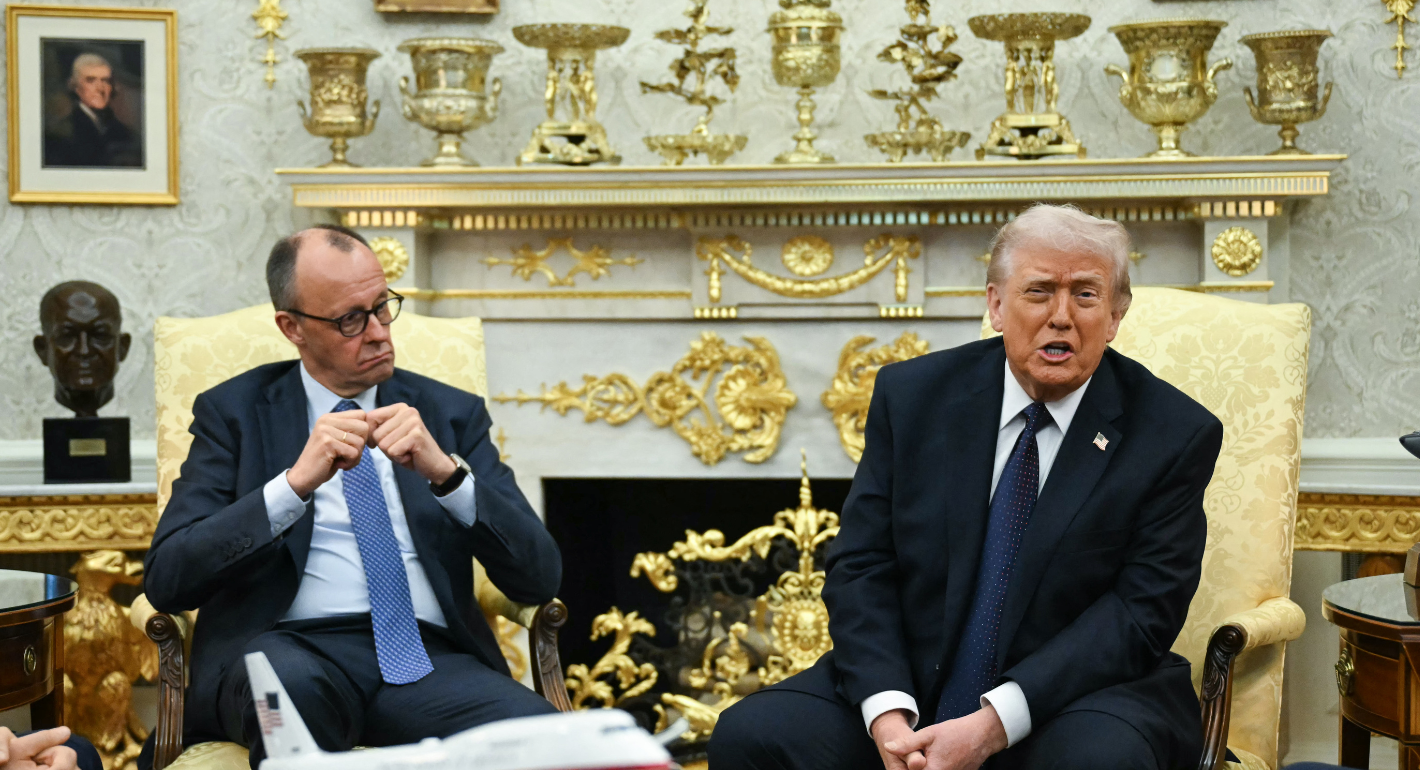
European reactions to the war in Iran have lost sight of wider political dynamics. The EU must position itself for the next phase of the crisis without giving up on its principles.

Richard Youngs
For years, the United States anchored global cyber diplomacy. As Washington rethinks its leadership role, the launch of the UN’s Cyber Global Mechanism may test how allies adjust their engagement.
Patryk Pawlak, Chris Painter
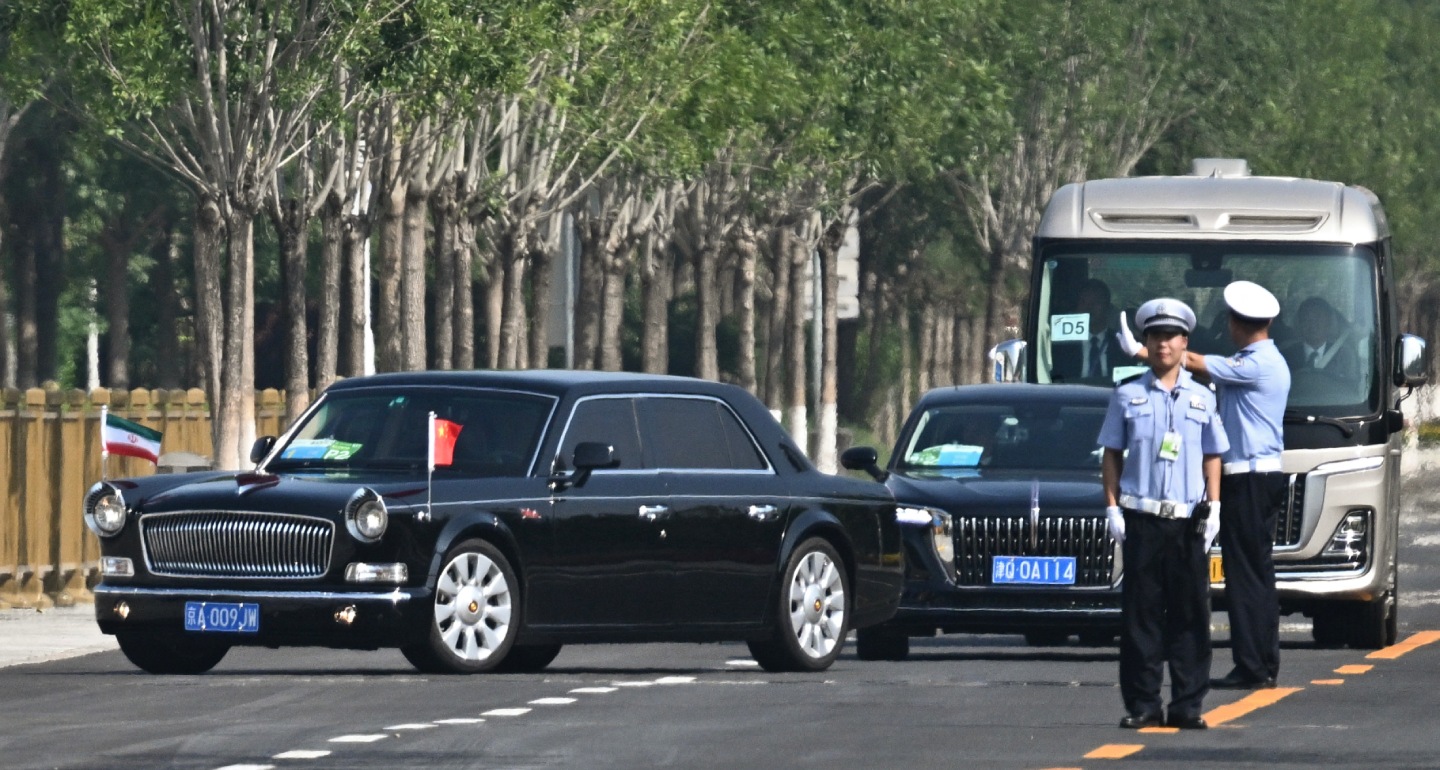
Most of Moscow’s military resources are tied up in Ukraine, while Beijing’s foreign policy prioritizes economic ties and avoids direct conflict.


Alexander Gabuev, Temur Umarov
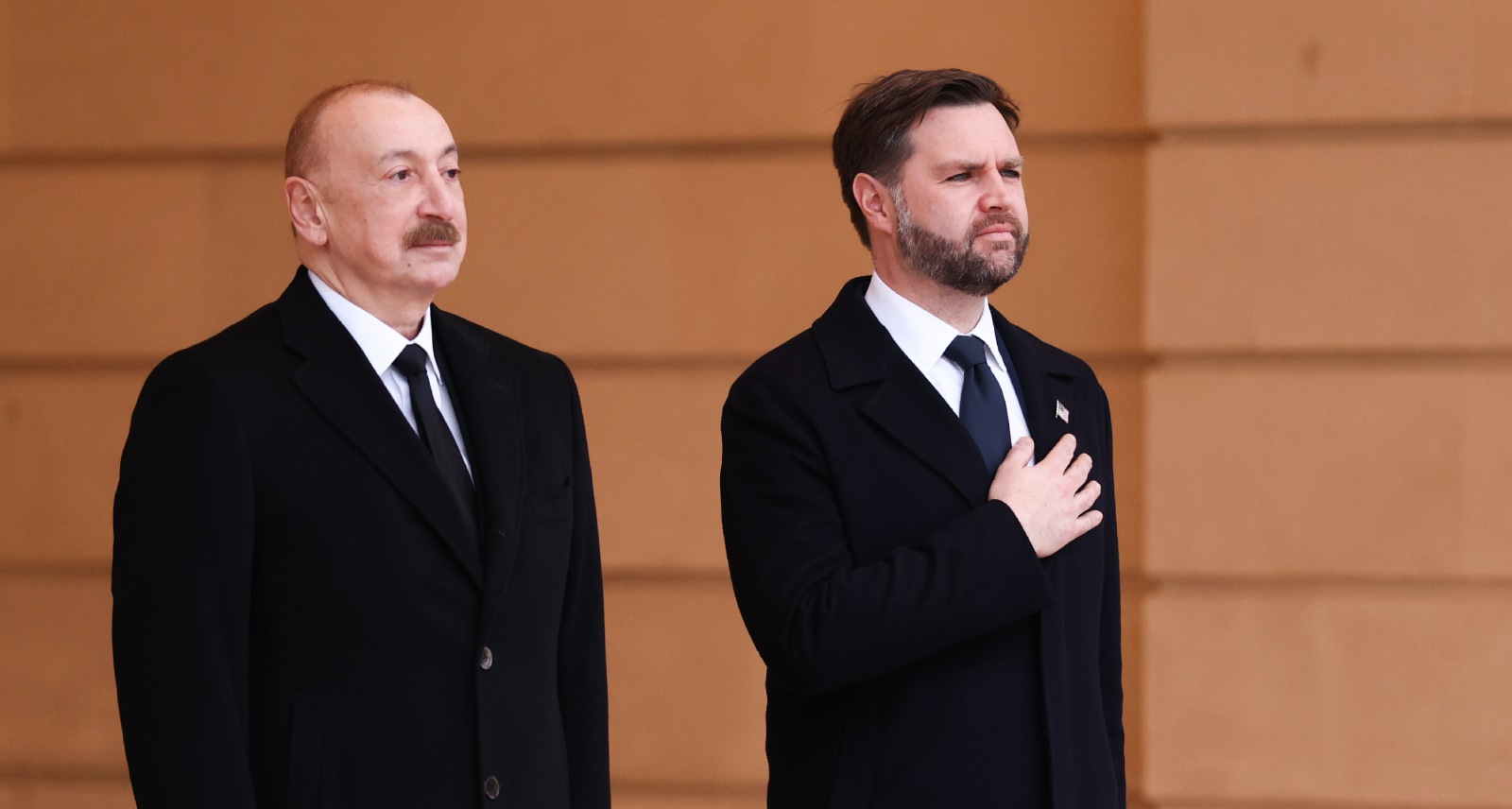
With the White House only interested in economic dealmaking, Georgia finds itself eclipsed by what Armenia and Azerbaijan can offer.

Bashir Kitachaev
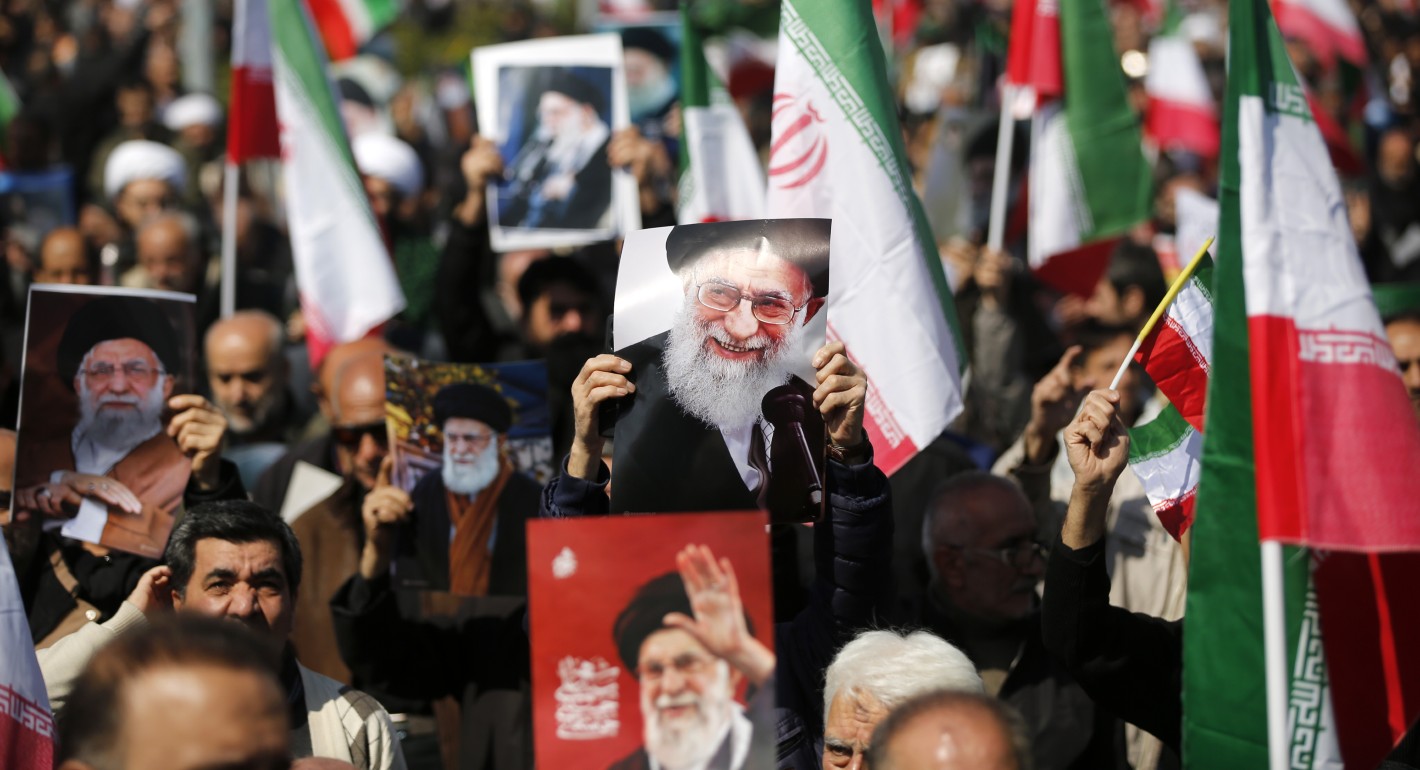
If the succession process can be carried out as Khamenei intended, it will likely bring a hardliner into power.

Eric Lob