• Research
  • Emissary
  • About
  • Experts
Carnegie Global logoCarnegie lettermark logo
DemocracyIran
  • Donate
{
  "authors": [
    "Albert Keidel"
  ],
  "type": "testimony",
  "centerAffiliationAll": "dc",
  "centers": [
    "Carnegie Endowment for International Peace"
  ],
  "collections": [],
  "englishNewsletterAll": "asia",
  "nonEnglishNewsletterAll": "",
  "primaryCenter": "Carnegie Endowment for International Peace",
  "programAffiliation": "AP",
  "programs": [
    "Asia"
  ],
  "projects": [],
  "regions": [
    "China",
    "East Asia"
  ],
  "topics": [
    "Economy"
  ]
}
Source: Getty

Testimony

The Treasury Department's Currency Report, Dialogue with China and Related Topics

Link Copied
By Dr. Albert Keidel
Published on Jan 31, 2007
Program mobile hero image

Program

Asia

The Asia Program in Washington studies disruptive security, governance, and technological risks that threaten peace, growth, and opportunity in the Asia-Pacific region, including a focus on China, Japan, and the Korean peninsula.

Learn More

Source: Senate Banking

Dr. Albert Keidel presented testimony at a hearing on "The Treasury Department's Report to Congress on International Economic and Exchange Rate Policy (IEERP) and the U.S.-China Strategic Economic Dialogue" for the U.S. Senate Banking, Housing and Urban Affairs Committee on Wednesday, January 31, 2007. Dr. Keidel argues in his remarks that the U.S.-China strategic economic dialogue (SED) can be a very effective means for both sides to address trade issues and the U.S. should use SED wisely.   Keidel also commented that China’s currency rate should not be blamed for the large U.S. current account deficit; he emphasized that the U.S. has a large deficit with the global supply chain as a whole.  Dr. Keidel suggests that instead of focusing on China’s currency exchange rate, the U.S. should focus on issues at home such as education, pension mobility and heath care in order to strengthen its own global competitiveness.

Please click on the links above to read Dr. Keidel's oral and written remarks.
About the Author

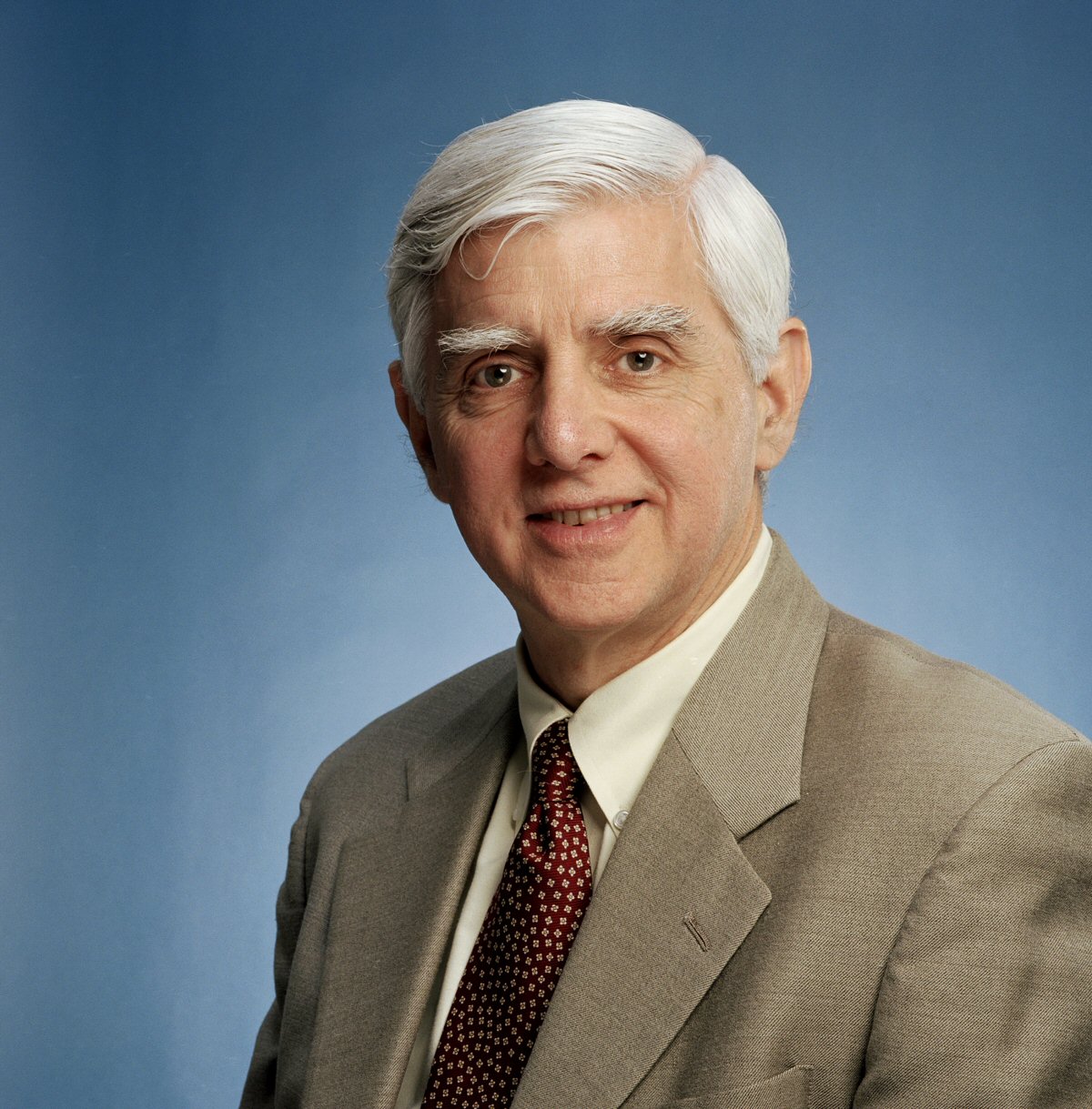
Dr. Albert Keidel

Former Senior Associate, China Program

Keidel served as acting director and deputy director for the Office of East Asian Nations at the U.S. Department of the Treasury. Before joining Treasury in 2001, he covered economic trends, system reforms, poverty, and country risk as a senior economist in the World Bank office in Beijing.

    Recent Work

  • Article
    As China's Exports Drop, Can Domestic Demand Drive Growth?

      Dr. Albert Keidel

  • Article
    China’s Fourth Quarter 2008 Statistical Record

      Dr. Albert Keidel

Dr. Albert Keidel
Former Senior Associate, China Program
Albert Keidel
EconomyChinaEast Asia

Carnegie does not take institutional positions on public policy issues; the views represented herein are those of the author(s) and do not necessarily reflect the views of Carnegie, its staff, or its trustees.

More Work from Carnegie Endowment for International Peace

  • Xi walking into a room with people standing and applauding around him
    Commentary
    Emissary
    The Xi Doctrine Zeros in on “High-Quality Development” for China’s Economic Future

    In the latest Five-Year Plan, the Chinese president cements the shift to an innovation-driven economy over a consumption-driven one.

      • Damien Ma

      Damien Ma

  • A white humanoid robot with a black head and hips stands behind a rope barrier. It stands with its feet apart, knees bent, and elbows raised at its sides.
    Commentary
    Europe Is Falling Behind in General-Purpose Robotics. Here’s What It Can Do to Catch Up.

    The continent needs to improve conditions for production of complete AI robotic systems and preserve its edge in hardware.

      Pavlo Zvenyhorodskyi

  • Worker pushing machinery toward a car frame
    Commentary
    Emissary
    Europe’s New Industrial Policy Can Learn From U.S. Mistakes

    Although the IAA often differs from the IRA, European policymakers can still take note of the U.S. act’s shortcomings.

      Milo McBride

  • Implementing the Biden Administration’s China Strategy
    Report
    Implementing the Biden Administration’s China Strategy

    At the heart of Biden’s approach to China was the consolidation of a framework for strategic competition with an eye toward coexistence.

      • Senkai Hsia

      Christopher S. Chivvis, Senkai Hsia

  • Trump and Netanyahu speaking
    Commentary
    Emissary
    The Diverging U.S. and Israeli Goals in Iran Are Making the Endgame Even Murkier

    The cracks between Trump and Netanyahu have become more pronounced, particularly over energy and leadership targets.

      • Eric Lob

      Eric Lob

Get more news and analysis from
Carnegie Endowment for International Peace
Carnegie global logo, stacked
1779 Massachusetts Avenue NWWashington, DC, 20036-2103Phone: 202 483 7600Fax: 202 483 1840
  • Research
  • Emissary
  • About
  • Experts
  • Donate
  • Programs
  • Events
  • Blogs
  • Podcasts
  • Contact
  • Annual Reports
  • Careers
  • Privacy
  • For Media
  • Government Resources
Get more news and analysis from
Carnegie Endowment for International Peace
© 2026 Carnegie Endowment for International Peace. All rights reserved.