• Research
  • Emissary
  • About
  • Experts
Carnegie Global logoCarnegie lettermark logo
DemocracyIran
  • Donate
{
  "authors": [
    "Karim Sadjadpour"
  ],
  "type": "legacyinthemedia",
  "centerAffiliationAll": "dc",
  "centers": [
    "Carnegie Endowment for International Peace"
  ],
  "collections": [],
  "englishNewsletterAll": "democracy",
  "nonEnglishNewsletterAll": "",
  "primaryCenter": "Carnegie Endowment for International Peace",
  "programAffiliation": "DCG",
  "programs": [
    "Democracy, Conflict, and Governance",
    "Middle East"
  ],
  "projects": [],
  "regions": [
    "Middle East",
    "Iran"
  ],
  "topics": [
    "Political Reform",
    "Democracy",
    "Foreign Policy"
  ]
}
REQUIRED IMAGE

REQUIRED IMAGE

In The Media

Was Iran's Seizure of Britons Response to U.N.?

Link Copied
By Karim Sadjadpour
Published on Mar 29, 2007
Program mobile hero image

Program

Democracy, Conflict, and Governance

The Democracy, Conflict, and Governance Program is a leading source of independent policy research, writing, and outreach on global democracy, conflict, and governance. It analyzes and seeks to improve international efforts to reduce democratic backsliding, mitigate conflict and violence, overcome political polarization, promote gender equality, and advance pro-democratic uses of new technologies.

Learn More
Program mobile hero image

Program

Middle East

The Middle East Program in Washington combines in-depth regional knowledge with incisive comparative analysis to provide deeply informed recommendations. With expertise in the Gulf, North Africa, Iran, and Israel/Palestine, we examine crosscutting themes of political, economic, and social change in both English and Arabic.

Learn More

Source: National Public Radio

Iran's capture of 15 British sailors and marines is most likely a reaction to sanctions passed against Iran by the U.N. Security Council over the weekend, says Karim Sadjadpour on NPR's "All Things Considered," an Iran analyst at the Carnegie Endowment for International Peace.

Melissa Block talks with Sadjadpour, who says he believes Iran is feeling anxious about political and economic isolation — and seizing the Britons is an attempt to push back against the West.

Click here to listen to full radio broadcast. 

About the Author

Karim Sadjadpour

Senior Fellow, Middle East Program

Karim Sadjadpour is a senior fellow at the Carnegie Endowment for International Peace, where he focuses on Iran and U.S. foreign policy toward the Middle East.

    Recent Work

  • Q&A
    Iran Wanted to Survive the War. Now What?

      Suzanne Maloney, Aaron David Miller, Karim Sadjadpour

  • Q&A
    What’s Keeping the Iranian Regime in Power—for Now

      Aaron David Miller, Karim Sadjadpour, Robin Wright

Karim Sadjadpour
Senior Fellow, Middle East Program
Karim Sadjadpour
Political ReformDemocracyForeign PolicyMiddle EastIran

Carnegie does not take institutional positions on public policy issues; the views represented herein are those of the author(s) and do not necessarily reflect the views of Carnegie, its staff, or its trustees.

More Work from Carnegie Endowment for International Peace

  • Research
    Book Review of Enduring Hostility: The Making of America’s Iran Policy

    A review of a detailed account of how antipathy toward Tehran has assumed a life and logic of its own in Washington, DC.

      • Jane Darby Menton

      Jane Darby Menton

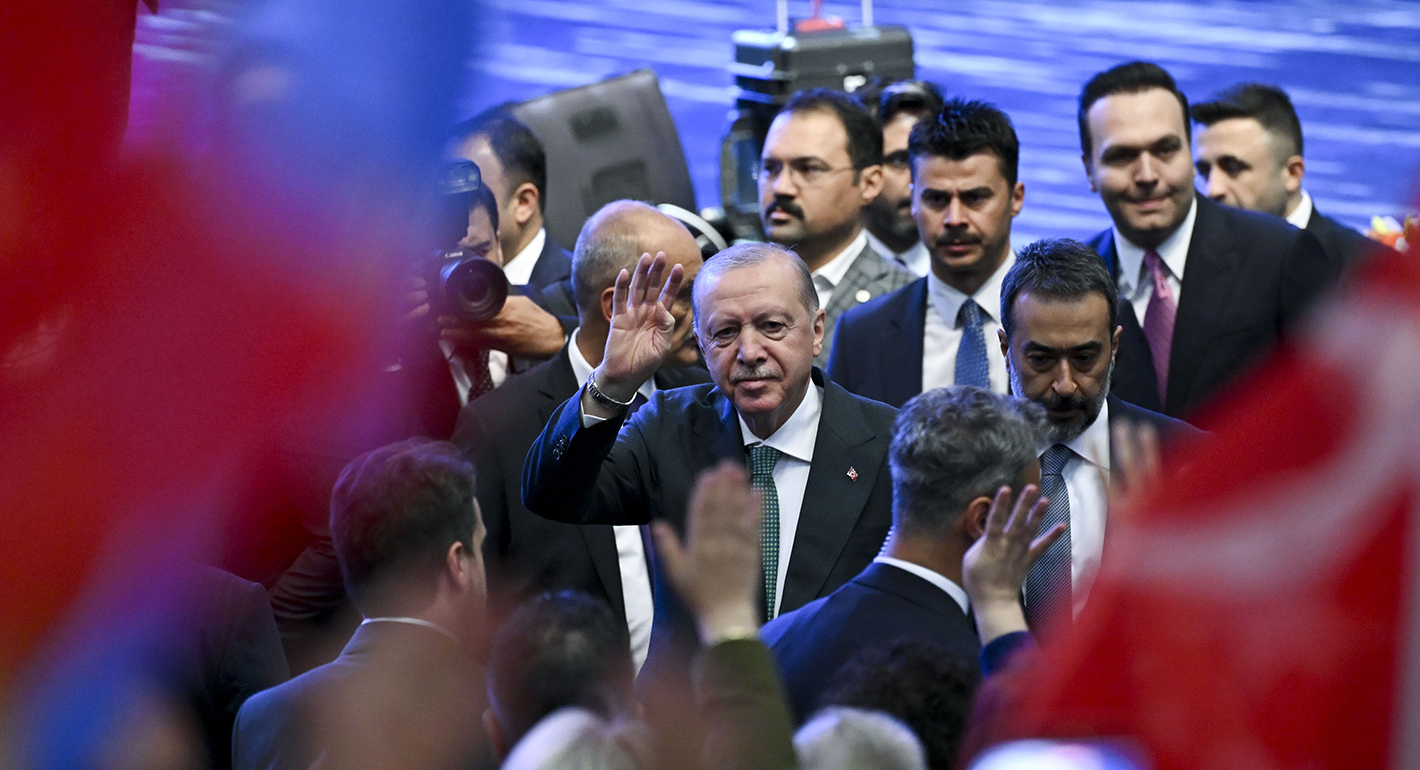
  • Turkish President and Leader of the Justice and Development (AK) Party Recep Tayyip Erdogan attends the AK Party Ankara Branch gathering at ATO Congresium in Ankara, Turkiye on June 22, 2026
    Paper
    The Dual Imperative in Turkish Foreign Policy: Right-Wing Populists and Their Opposition

    Turkish right-wing populists have been trying to advance the country’s middle-power goals based on perceptions of what the public wants, but they have been doing so in ways that reinforce their project of autocratic political consolidation.
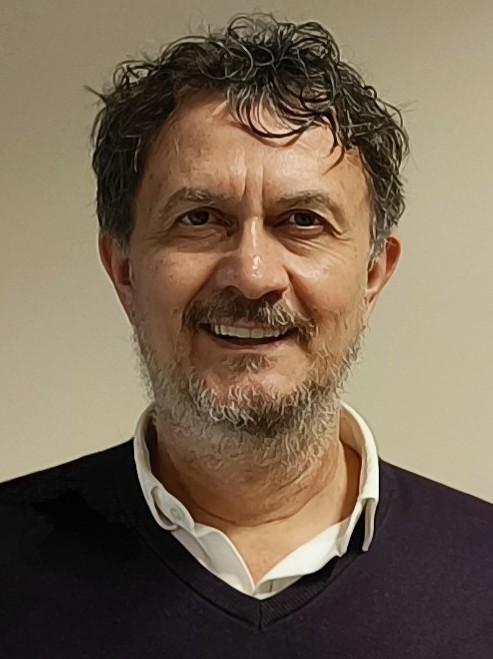
      • Murat Somer

      Murat Somer

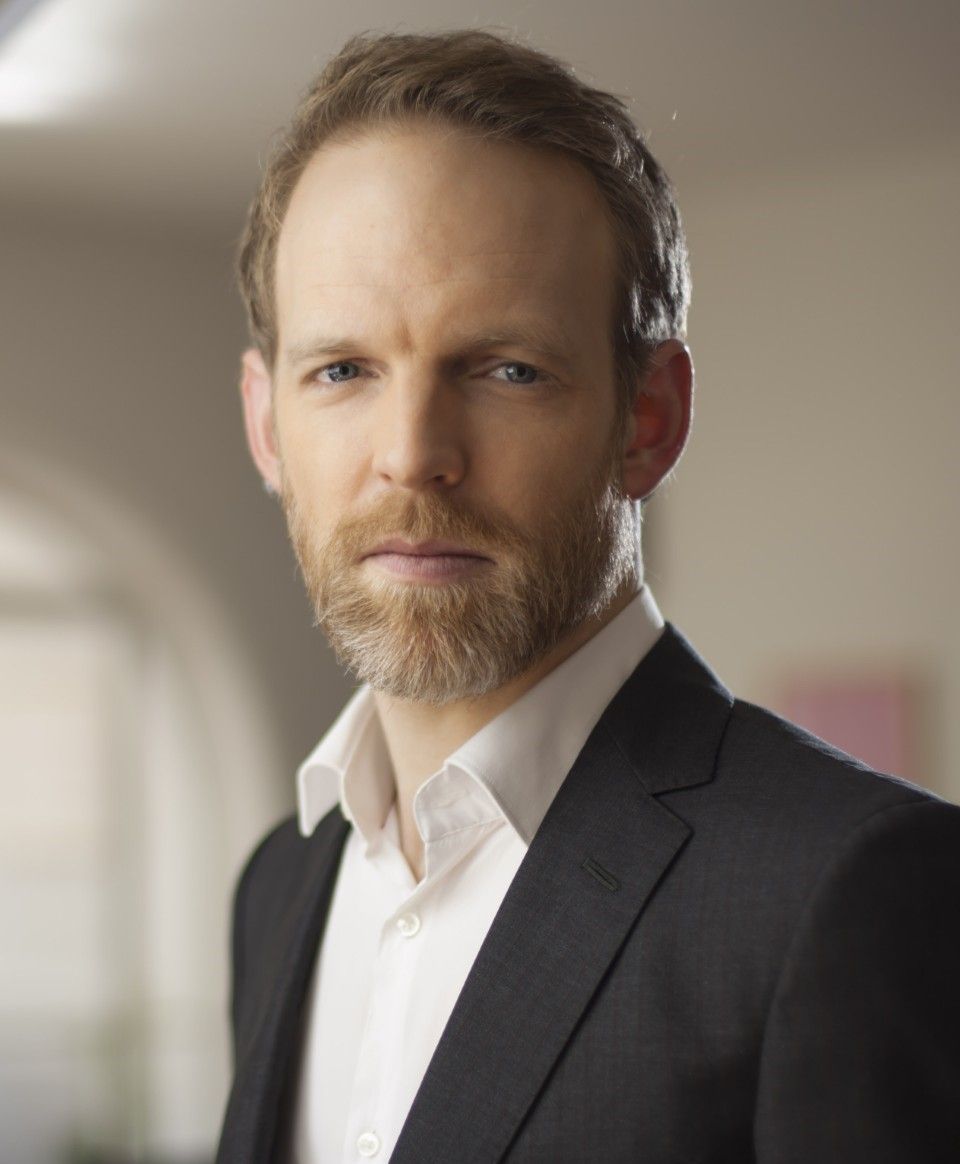
  • De la Espriella moving through a crowd and smiling
    Commentary
    Emissary
    Trump Can Play Kingmaker in Latin America. He Can’t Build Lasting Influence.

    In Colombia and elsewhere in the region, the United States is trying to shape election outcomes—but at what cost?
      Oliver Stuenkel, Adrian Feinberg
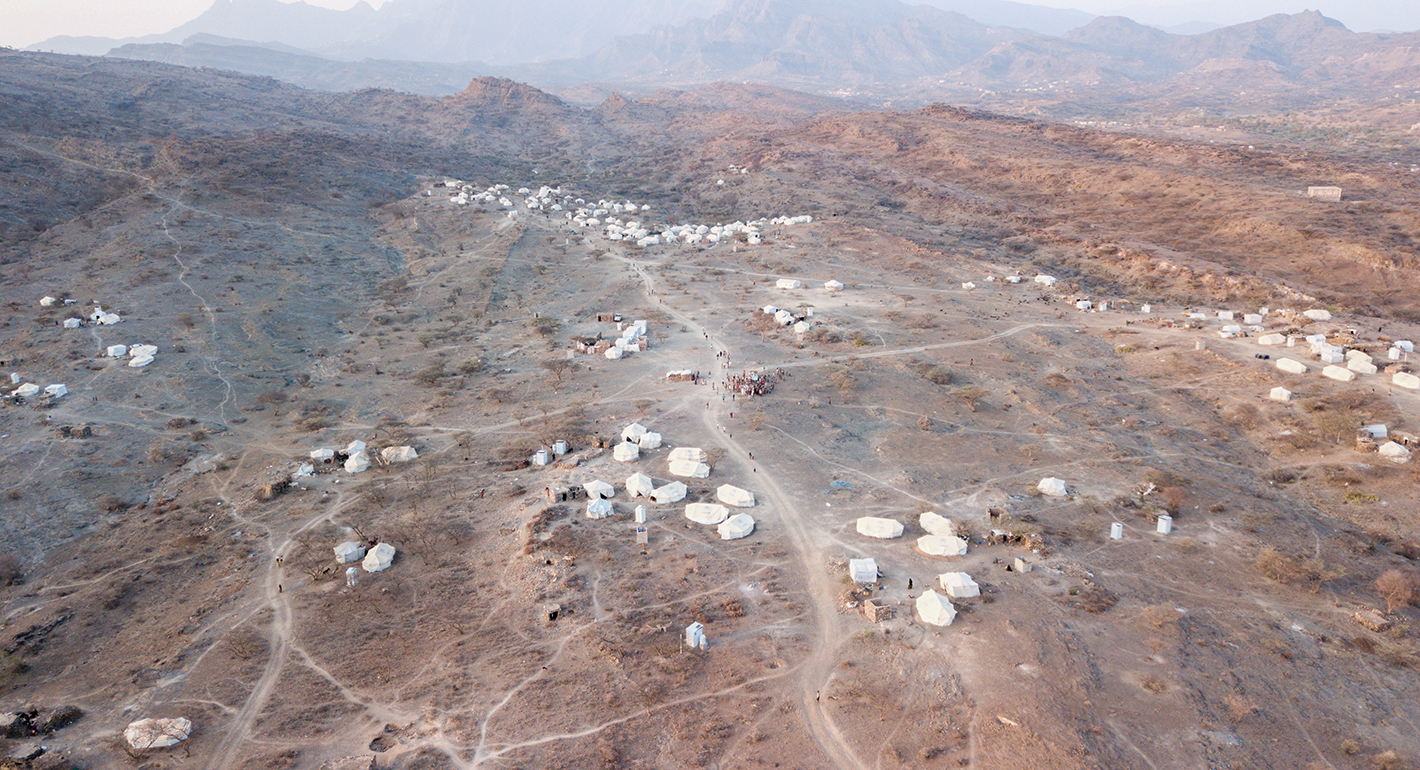
  • Aerial view of Yemeni refugee tents displaced by war
    Article
    In Yemen, Climate Finance Must Respond to Entrenched Instability

    The world’s climate adaptation funds must adapt to address the ways that climate change is deepening state fragility.

      Ray Salvatore Jennings, Paul Andrew Mayewski
  • Commentary
    Carnegie Politika
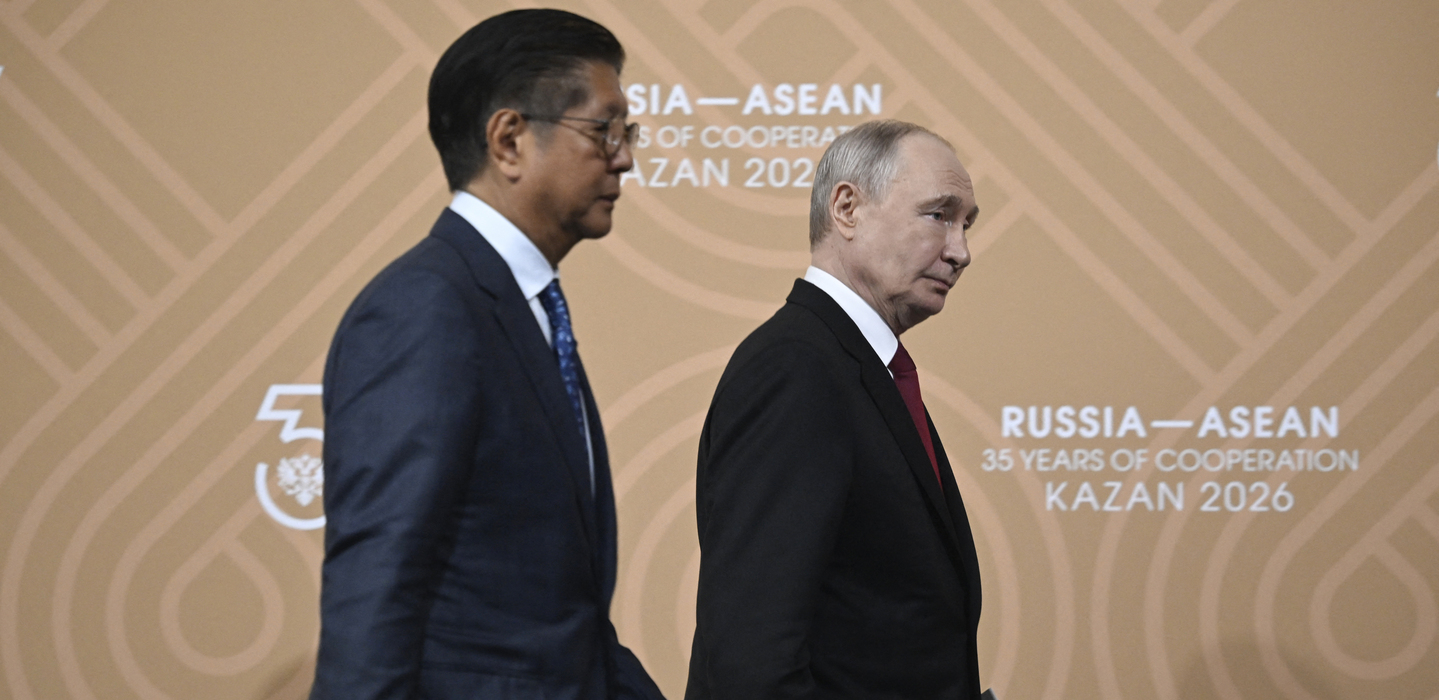
    Iran War Fallout Gifts Putin Diplomatic Victory at ASEAN Summit

    Russia looks set to reap economic benefits from closer ties with Southeast Asian countries that are keen to find reliable energy suppliers and diversify trade ties.

      • Alexander Gabuev

      Alexander Gabuev

Get more news and analysis from
Carnegie Endowment for International Peace
Carnegie global logo, stacked
1779 Massachusetts Avenue NWWashington, DC, 20036-2103Phone: 202 483 7600
  • Research
  • Emissary
  • About
  • Experts
  • Donate
  • Programs
  • Events
  • Blogs
  • Podcasts
  • Contact
  • Annual Reports
  • Careers
  • Privacy
  • For Media
  • Government Resources
Get more news and analysis from
Carnegie Endowment for International Peace
© 2026 Carnegie Endowment for International Peace. All rights reserved.