

Article
Despite myriad challenges and occasional stumbles, the new Hungarian government is moving ahead with energy and conviction to uproot years of illiberalism and corruption and rebuild Hungarian democracy.
Thomas Carothers
{
  "authors": [
    "Michele Dunne",
    "Amr Hamzawy",
    "Nathan J. Brown"
  ],
  "type": "other",
  "centerAffiliationAll": "dc",
  "centers": [
    "Carnegie Endowment for International Peace",
    "Malcolm H. Kerr Carnegie Middle East Center"
  ],
  "collections": [],
  "englishNewsletterAll": "menaTransitions",
  "nonEnglishNewsletterAll": "",
  "primaryCenter": "Malcolm H. Kerr Carnegie Middle East Center",
  "programAffiliation": "MEP",
  "programs": [
    "Middle East"
  ],
  "projects": [],
  "regions": [
    "Middle East",
    "Egypt"
  ],
  "topics": [
    "Political Reform",
    "Democracy"
  ]
}
REQUIRED IMAGE
Egypt still represents the best chance for U.S. democracy promotion in the Arab world in the near future, according to this Policy Brief by the Carnegie Endowment for International Peace.
Source: Carnegie Endowment
Egypt still represents the best chance for U.S. democracy promotion in the Arab world in the near future, according to this Policy Brief by the Carnegie Endowment for International Peace.
The situation in Iraq and Islamist electoral victories in the region have seen support for U.S. democracy promotion wane among domestic audiences and within the administration. Yet claims that the U.S. must choose between democracy promotion and strategic cooperation in Egypt—or between an authoritarian government and an Islamic extremist one—set a false premise. The authors argue that making democratization a cornerstone of the U.S.-Egyptian relationship is the best way to promote both countries’ interests now and over the long term.
In this Carnegie Policy Brief, Egypt—Don’t Give Up on Democracy Promotion, senior associates Nathan Brown, Michele Dunne, and Amr Hamzawy assess the current state of democratic reforms and the potential for transition in Egypt. They recommend a number of steps the U.S. can take to strengthen the chances for political reform and salvage previous U.S. efforts towards democracy promotion in the Arab world.
Key Findings:
• Egypt—an Arab country with a history of political participation, which is now undergoing a leadership transition—offers a unique opportunity for transition to a more liberal system and eventually to democracy.
• The United States had a positive impact on political reform in 2004-5 while maintaining Egypt’s cooperation on shared military and political goals, but then backed off suddenly in 2006, encouraging the Egyptian regime to backslide.
• The United States should support demands by Egyptian reformers for presidential term limits, free and fair elections, responsible enfranchisement of all political forces (including Islamists), and constitutional protection of human and civil rights.
“If the U.S. supports indigenous demands for gradual and responsible political change, it can help Egypt break out of years of political and economic stagnation and human rights abuses,” write the authors. “If it misses this opportunity, prospects for a stable, prosperous Egypt will diminish, with negative consequences for Egypt and the United States.”
Click on the link above for the full text of this Carnegie publication.
A limited number of print copies are available.
Request a copy
About the Authors
Michele Dunne is a senior associate at the Carnegie Endowment and editor of the Arab Reform Bulletin. She is a specialist on Middle East affairs, formerly at the State Department and White House.
Amr Hamzawy is a senior associate in the Democracy and Rule of Law Project at the Carnegie Endowment. He is a noted Egyptian political scientist whose research focuses on the changing dynamics of political participation in the Arab world, and the political role of Islamist movements.
Nathan Brown is a senior associate at the Carnegie Endowment and is also professor of political science and international affairs and director of the Middle East Studies Program at the George Washington University.

Former Nonresident Scholar, Middle East Program
Michele Dunne was a nonresident scholar in Carnegie’s Middle East Program, where her research focuses on political and economic change in Arab countries, particularly Egypt, as well as U.S. policy in the Middle East.

Director, Middle East Program
Amr Hamzawy is a senior fellow and the director of the Carnegie Middle East Program. His research and writings focus on Egypt’s and other middle powers’ involvement in regional security in the Middle East, particularly through collective diplomacy and multilateral conflict resolution

Nonresident Senior Fellow, Middle East Program
Nathan J. Brown, a professor of political science and international affairs at George Washington University, is a distinguished scholar and author of nine books on Arab politics and governance, as well as editor of five books.
Carnegie does not take institutional positions on public policy issues; the views represented herein are those of the author(s) and do not necessarily reflect the views of Carnegie, its staff, or its trustees.
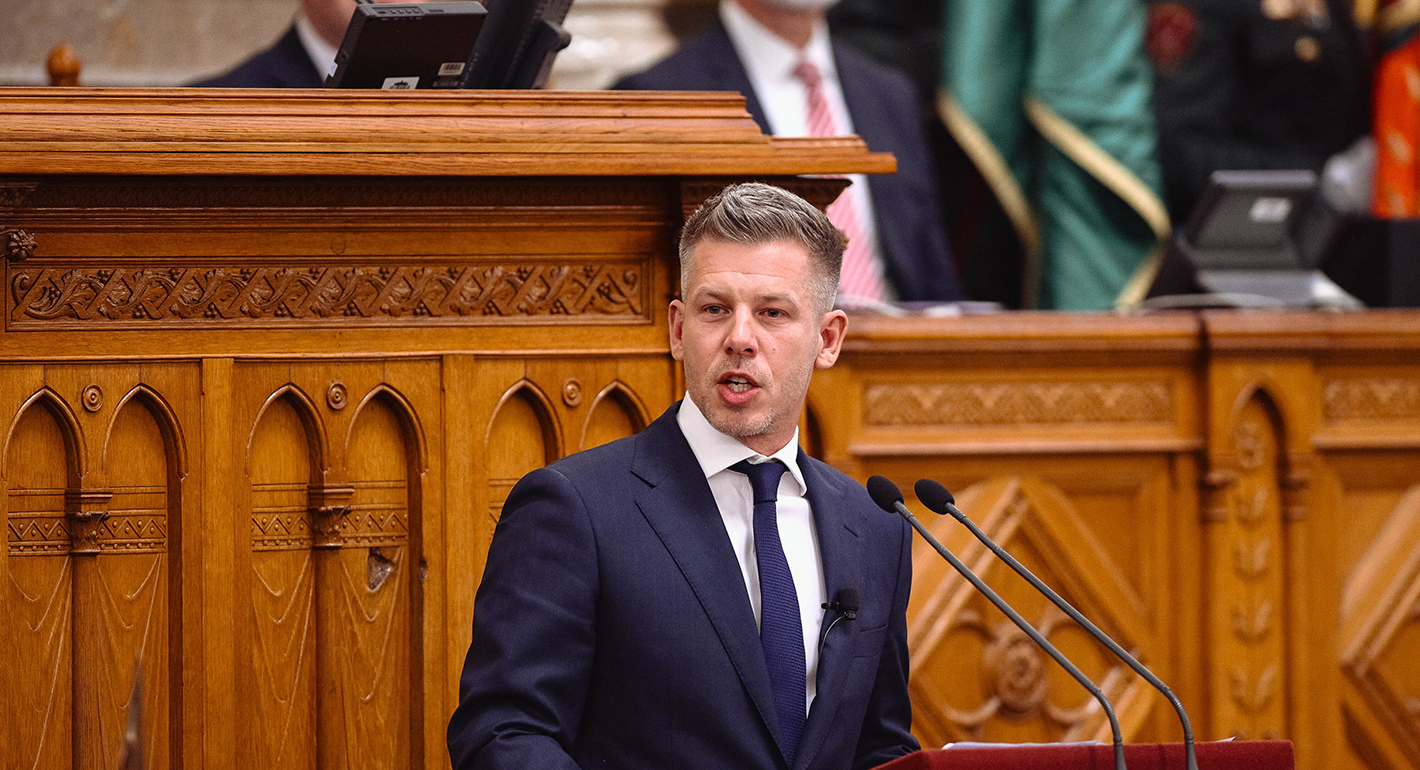
Despite myriad challenges and occasional stumbles, the new Hungarian government is moving ahead with energy and conviction to uproot years of illiberalism and corruption and rebuild Hungarian democracy.

Thomas Carothers

Understanding the climatic pain points is necessary for policymakers hoping to minimize the war’s negative environmental consequences.



Alejandro Martin Rodriguez, Joy Arkeh, Sarah Yerkes

Huawei pushed hard to enter the Egyptian data centers market, until the Americans made a better offer.

Angie Omar

Radical-right parties are expected to do well in upcoming elections in four of the EU's biggest member states. If successful, they could prevent the union from addressing key challenges ahead.

Stefan Lehne

The books, podcasts, and films that explain the world it made.

Andrew Leber