

Commentary
The conflict is exposing the deep energy vulnerabilities of Korea’s chip industry.
Darcie Draudt-Véjares, Tim Sahay
{
  "authors": [
    "Faleh Jabar"
  ],
  "type": "other",
  "centerAffiliationAll": "dc",
  "centers": [
    "Carnegie Endowment for International Peace"
  ],
  "collections": [],
  "englishNewsletterAll": "menaTransitions",
  "nonEnglishNewsletterAll": "",
  "primaryCenter": "Carnegie Endowment for International Peace",
  "programAffiliation": "MEP",
  "programs": [
    "Middle East"
  ],
  "projects": [],
  "regions": [
    "Middle East",
    "Iraq"
  ],
  "topics": [
    "Political Reform",
    "Foreign Policy"
  ]
}
REQUIRED IMAGE
As the U.S. “surge” in Iraq enters its sixth month, a new Carnegie Policy Outlook reflects on the full history of the Iraq war and examines the viability of the current strategy.
Source: Carnegie Endowment
As the U.S. “surge” in Iraq enters its sixth month, a new Carnegie Policy Outlook reflects on the full history of the Iraq war and examines the viability of the current strategy.
The invasion and occupation of Iraq constituted the greatest nation-building challenge the United States has faced since World War II. As has become painfully clear, however, the realities of Iraq proved far more challenging than military planners had expected. Wars and sanctions only served to exacerbate stresses and tensions inherent under Saddam Hussein—there were no social forces to act as agents of change and no regional environment supportive of such change. The announcement of the surge in January 2007 revealed a sober recognition of how far U.S. strategy was removed from hard realities.
While this new U.S. strategy may have seemed plausible, it suffers from the same flawed assumptions and challenges that have plagued the entire war. The resolution of the Iraqi crisis can only come about through the construction of an inclusive, pluralistic, and federal polity with broad participation and strong political and security institutions. The Iraqi government must wean itself from U.S. military support, reinforce its own institutional and law-enforcement capacities, and take seriously the need for inclusive representational and decision-making institutions.
Click on the link above for the full text of this Carnegie publication.
This is a web-only publication.
About the Author
Faleh A. Jabar is the Director of the Iraq Institute for Strategic Studies (IIST) in Beirut,
Lebanon.
Faleh Jabar
Carnegie does not take institutional positions on public policy issues; the views represented herein are those of the author(s) and do not necessarily reflect the views of Carnegie, its staff, or its trustees.

The conflict is exposing the deep energy vulnerabilities of Korea’s chip industry.


Darcie Draudt-Véjares, Tim Sahay
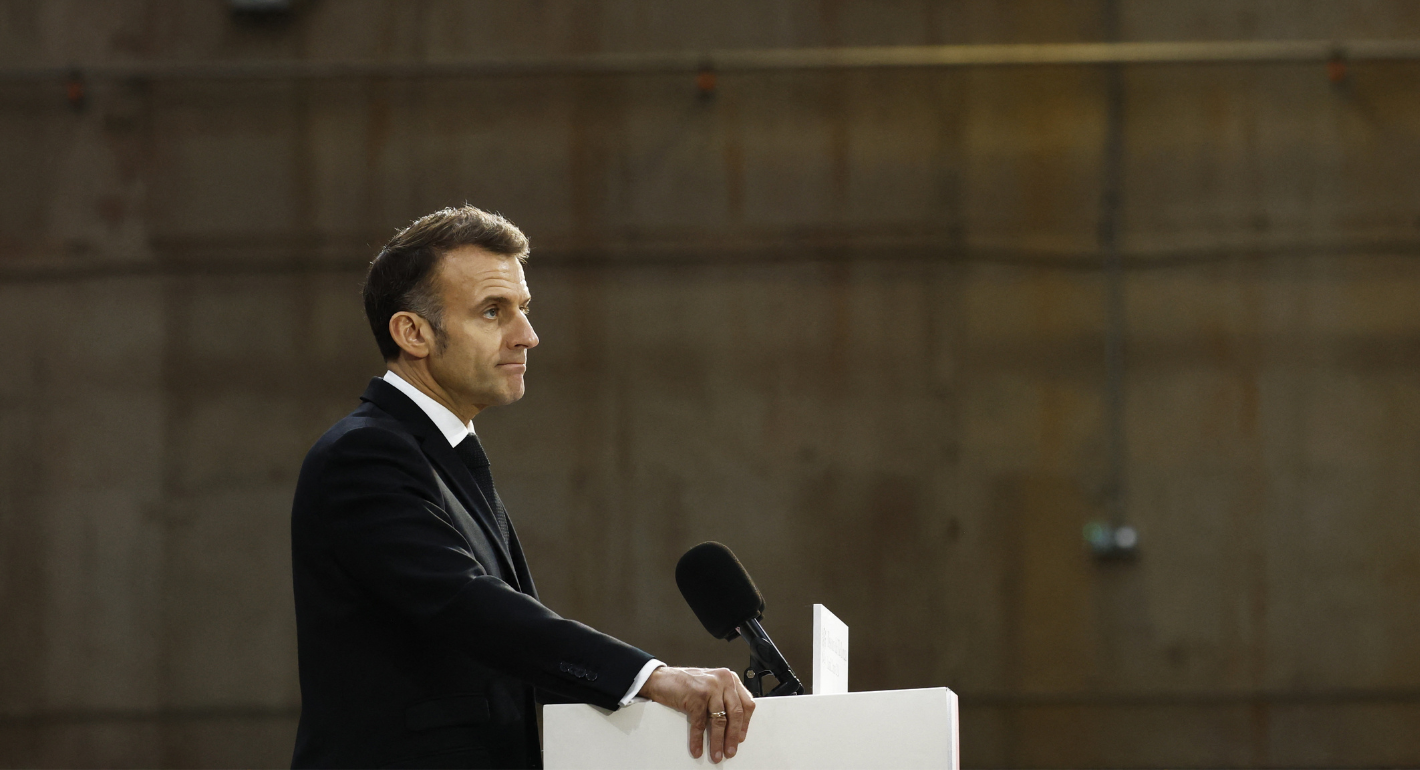
French President Emmanuel Macron has unveiled his country’s new nuclear doctrine. Are the changes he has made enough to reassure France’s European partners in the current geopolitical context?

Rym Momtaz, ed.
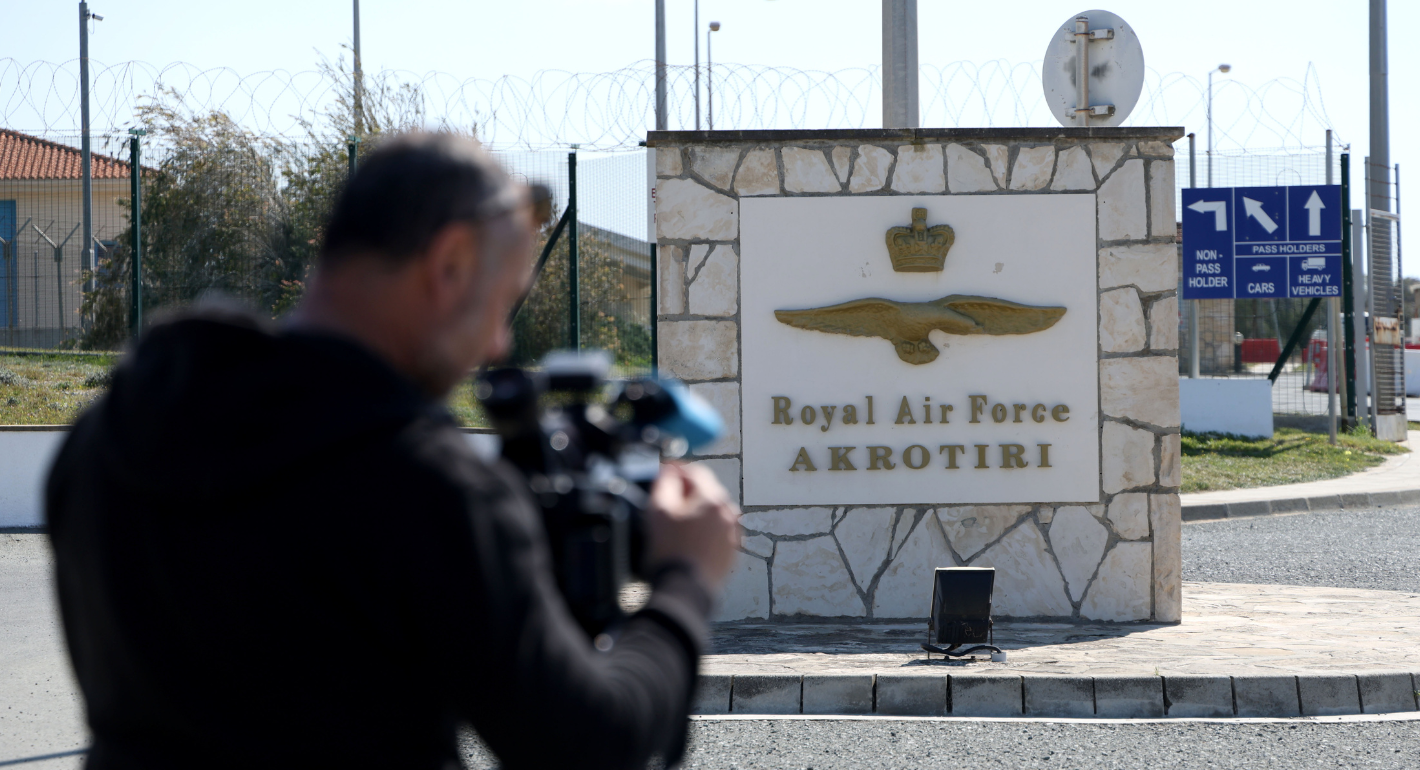
The drone strike on the British air base in Akrotiri brings Europe’s proximity to the conflict in Iran into sharp relief. In the fog of war, old tensions in the Eastern Mediterranean risk being reignited, and regional stakeholders must avoid escalation.

Marc Pierini
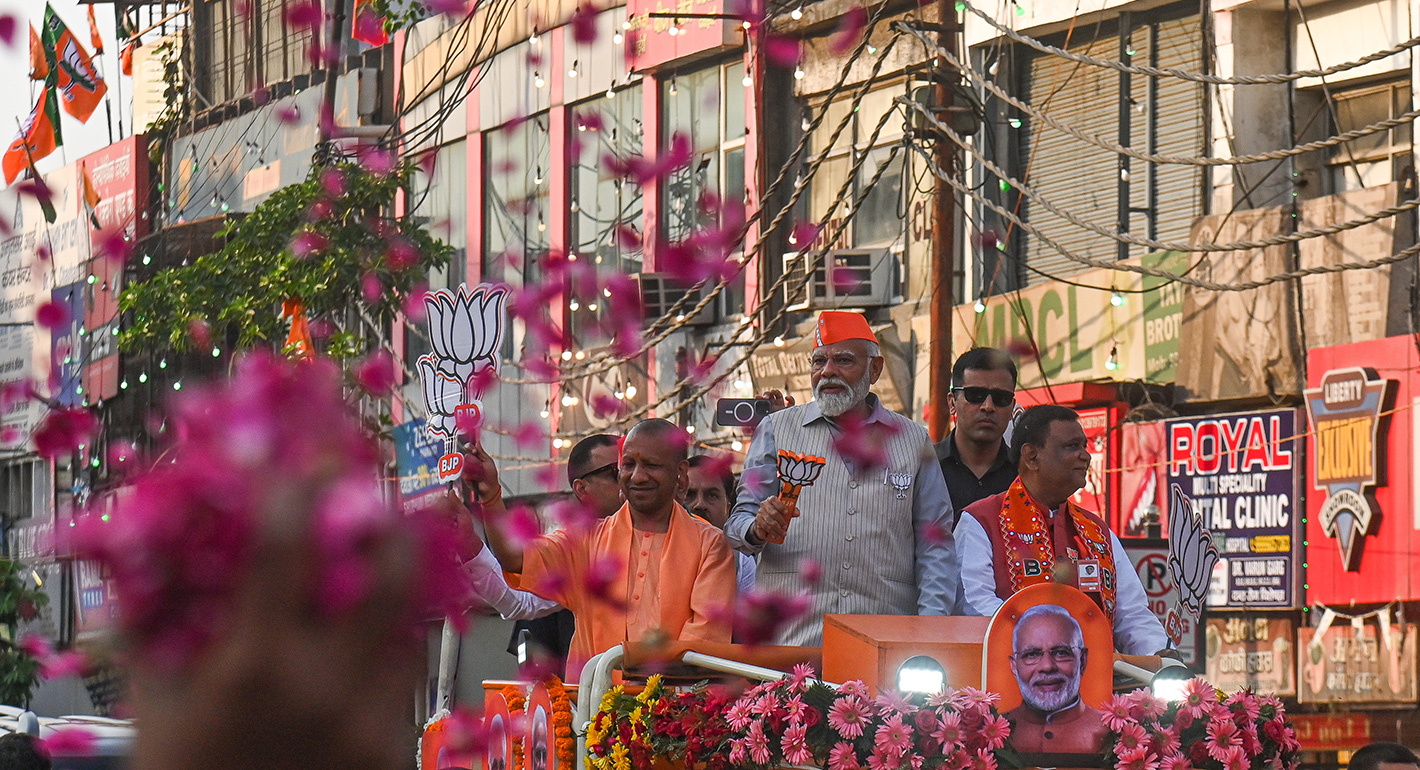
Domestic mobilization, personalized leadership, and nationalism have reshaped India’s global behavior.
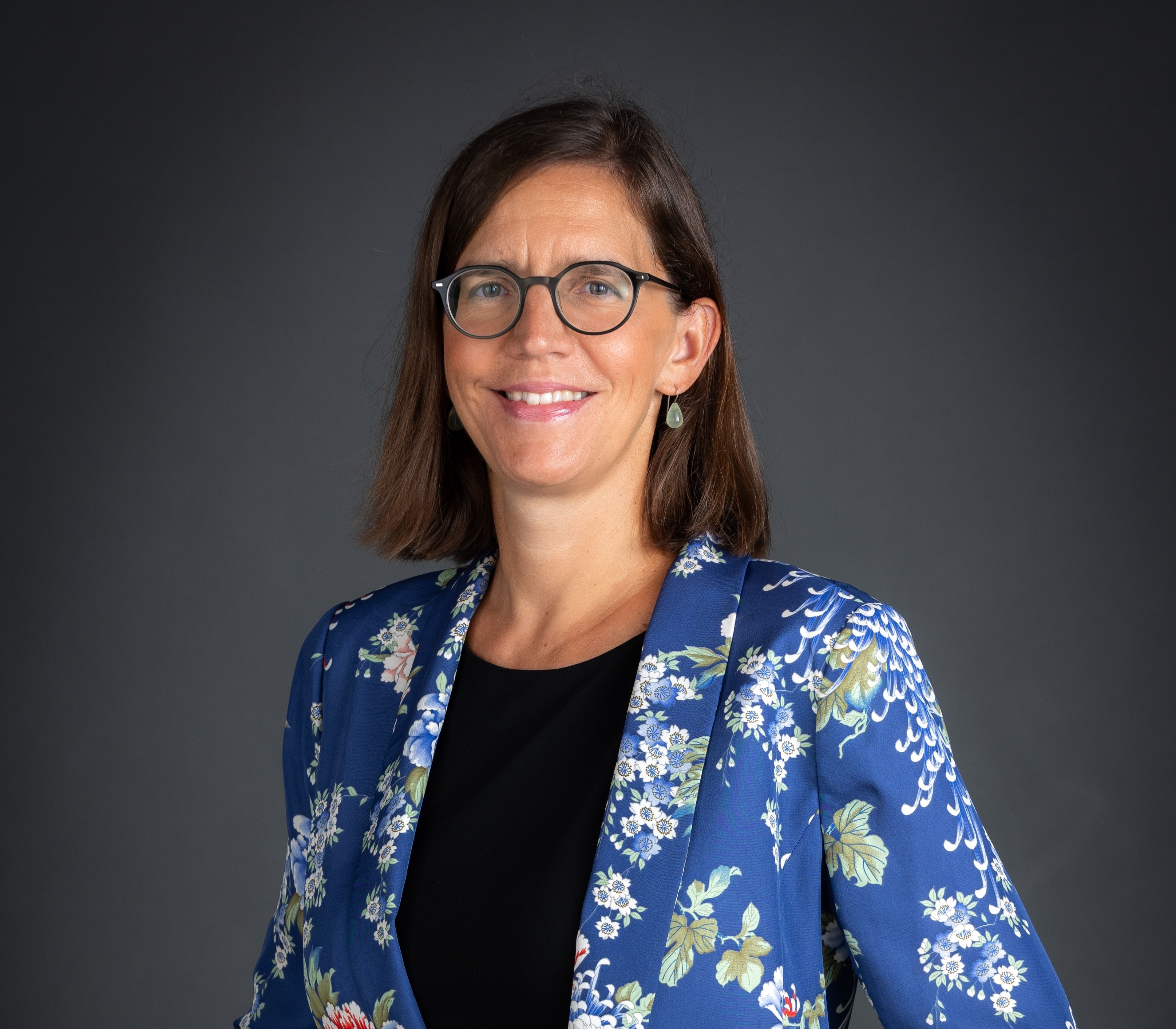
Sandra Destradi
European reactions to the war in Iran have lost sight of wider political dynamics. The EU must position itself for the next phase of the crisis without giving up on its principles.

Richard Youngs