• Research
  • Emissary
  • About
  • Experts
Carnegie Global logoCarnegie lettermark logo
DemocracyIran
  • Donate
{
  "authors": [],
  "type": "pressRelease",
  "centerAffiliationAll": "dc",
  "centers": [
    "Carnegie Endowment for International Peace"
  ],
  "collections": [],
  "englishNewsletterAll": "asia",
  "nonEnglishNewsletterAll": "",
  "primaryCenter": "Carnegie Endowment for International Peace",
  "programAffiliation": "AP",
  "programs": [
    "Asia",
    "Sustainability, Climate, and Geopolitics"
  ],
  "projects": [],
  "regions": [
    "China",
    "North America"
  ],
  "topics": [
    "Economy",
    "Trade"
  ]
}
REQUIRED IMAGE

REQUIRED IMAGE

Press Release

Press Release: Financial Hurdles Hinder Clean Energy Development in China

Link Copied
Published on Dec 7, 2007
Program mobile hero image

Program

Asia

The Asia Program in Washington studies disruptive security, governance, and technological risks that threaten peace, growth, and opportunity in the Asia-Pacific region, including a focus on China, Japan, and the Korean peninsula.

Learn More
Program mobile hero image

Program

Sustainability, Climate, and Geopolitics

The Sustainability, Climate, and Geopolitics Program explores how climate change and the responses to it are changing international politics, global governance, and world security. Our work covers topics from the geopolitical implications of decarbonization and environmental breakdown to the challenge of building out clean energy supply chains, alternative protein options, and other challenges of a warming planet.

Learn More

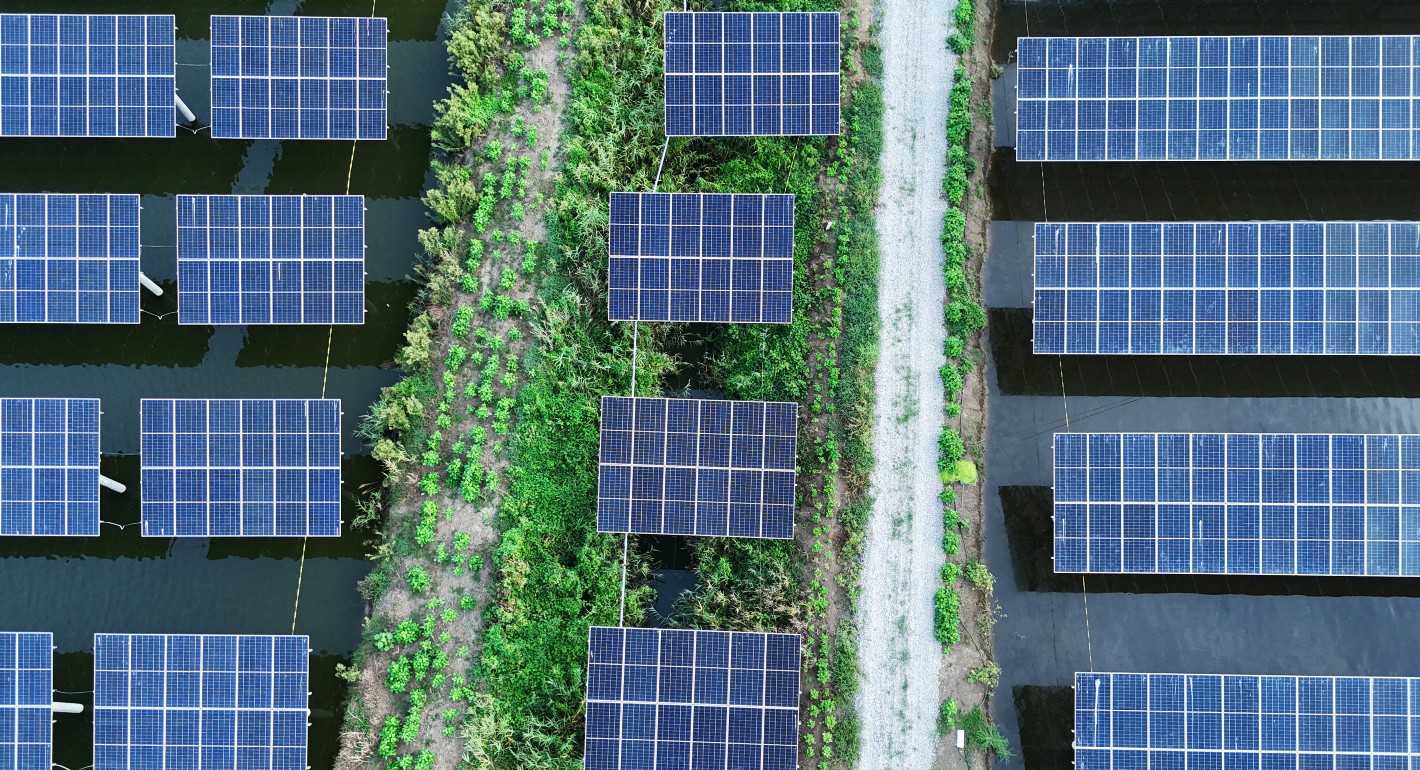
WASHINGTON, Dec 6— As delegates in Bali struggle to agree on a climate change treaty, a new report from the Carnegie Endowment argues that reforming China's financial sector can curb China's greenhouse gas emissions even as work continues on an international treaty. China's impressive national policies to promote clean and renewable energy have been undermined by unnecessary financial hurdles and bureaucratic struggles that increase financial risks and costs for potential investors.

In Financing Energy Efficiency in China, leading climate expert and Carnegie Senior Associate William Chandler argues that restrictions on debt financing and foreign equity investment, unfavorable tax policies, and even the United Nations' emissions trading system all discourage foreign investment in clean energy in China.

Chandler concludes that to encourage investment in clean energy, China should:

  • Exempt clean energy investments from foreign exchange, foreign-invested enterprise, and industrial policy controls;
  • provide tax exemptions for clean energy companies and services—particularly in regards to the value added tax (VAT), which sucks up 17 percent of total revenues;
  • make risk-based clean energy lending more worthwhile for banks;
  • provide loan guarantees for energy-efficiency projects in China;
  • reduce required paperwork for clean energy investment; and
  • address restrictions created through the emissions trading system that actually increase risk to investors.

“Removing barriers to clean energy investment in China is an essential step toward climate protection. The incentives and rules of a global climate treaty will be blunted and frustrated by distortions of the world's largest potential clean energy marketplace unless policy makers recognize and deal with the realities of that market,” argues Chandler.

###

NOTES

  • Direct link to the PDF: www.carnegieendowment.org/files/clean_energy_final1.pdf
  • William Chandler is a senior associate at the Carnegie Endowment and director of the Energy and Climate Program. Chandler has spent over 35 years working in energy and environmental policy and was a lead author for the Nobel Prize winning Intergovernmental Panel on Climate Change. He is president of Transition Energy, co-founder of DEED China, and founder and former director of Advanced International Studies at the Joint Global Change Research Institute. Chandler received the 1992 Champion of Energy-Efficiency Award from the American Council for an Energy Efficient Economy for his work. In 1999, he received the first Global Climate Leadership Award from the International Energy Agency. He has authored or co-authored ten books which have been favorably reviewed by scholarly and popular critics and translated into several foreign languages.
  • The Carnegie Energy and Climate Program aims to provide leadership in global energy and climate policy. The program integrates thinking on energy technology, environmental science, and political economy to reduce risks stemming from global change and competition for scarce resources. It will create new products and collaborate with Carnegie experts around the world to provide information and change the way policy makers think about energy policy.
  • Press Contact: Trent Perrotto, 212/939-2372, tperrotto@ceip.org
EconomyTradeChinaNorth America

Carnegie does not take institutional positions on public policy issues; the views represented herein are those of the author(s) and do not necessarily reflect the views of Carnegie, its staff, or its trustees.
More Work from Carnegie Endowment for International Peace

  • One man tossing a sack to another to stack on a truck
    Commentary
    Emissary
    The Other Global Crisis Stemming From the Strait of Hormuz’s Blockage

    Even if the Iran war stops, restarting production and transport for fertilizers and their components could take weeks—at a crucial moment for planting.

      • Noah  Gordon ​​​​

      Noah Gordon, Lucy Corthell

  • Trump United Nations multilateralism institutions 2236462680
    Article
    Resetting Cyber Relations with the United States

    For years, the United States anchored global cyber diplomacy. As Washington rethinks its leadership role, the launch of the UN’s Cyber Global Mechanism may test how allies adjust their engagement.

      • Christopher Painter

      Patryk Pawlak, Chris Painter

  • People visit the World Artificial Intelligence Conference (WAIC) at the Shanghai World Expo and Convention Center in Shanghai on July 28, 2025.
    Article
    China’s AI-Empowered Censorship: Strengths and Limitations

    Censorship in China spans the public and private domains and is now enabled by powerful AI systems.

      Nathan Law

  • Commentary
    Carnegie Politika
    Why Are China and Russia Not Rushing to Help Iran?

    Most of Moscow’s military resources are tied up in Ukraine, while Beijing’s foreign policy prioritizes economic ties and avoids direct conflict.   

      • Alexander Gabuev

      Alexander Gabuev, Temur Umarov

  • Commentary
    Carnegie Politika
    Georgia’s Fall From U.S. Favor Heralds South Caucasus Realignment

    With the White House only interested in economic dealmaking, Georgia finds itself eclipsed by what Armenia and Azerbaijan can offer.

      Bashir Kitachaev

Get more news and analysis from
Carnegie Endowment for International Peace
Carnegie global logo, stacked
1779 Massachusetts Avenue NWWashington, DC, 20036-2103Phone: 202 483 7600Fax: 202 483 1840
  • Research
  • Emissary
  • About
  • Experts
  • Donate
  • Programs
  • Events
  • Blogs
  • Podcasts
  • Contact
  • Annual Reports
  • Careers
  • Privacy
  • For Media
  • Government Resources
Get more news and analysis from
Carnegie Endowment for International Peace
© 2026 Carnegie Endowment for International Peace. All rights reserved.