

Article
Dr. Albert Keidel
{
  "authors": [
    "Albert Keidel"
  ],
  "type": "other",
  "centerAffiliationAll": "dc",
  "centers": [
    "Carnegie Endowment for International Peace"
  ],
  "collections": [],
  "englishNewsletterAll": "asia",
  "nonEnglishNewsletterAll": "",
  "primaryCenter": "Carnegie Endowment for International Peace",
  "programAffiliation": "AP",
  "programs": [
    "Asia"
  ],
  "projects": [],
  "regions": [
    "China"
  ],
  "topics": [
    "Economy",
    "Foreign Policy"
  ]
}
REQUIRED IMAGE
China’s ascendency as the preeminent world commercial influence requires U.S. leaders to reassess a broad array of economic and military policies.
China’s economy will surpass that of the United States by 2035 and be twice its size by midcentury, a new report by Albert Keidel concludes. China’s rapid growth is driven by domestic demand—not exports—and will sustain high single-digit growth rates well into this century.
In China’s Economic Rise—Fact and Fiction, Keidel examines China’s likely economic trajectory and its implications for global commercial, institutional, and military leadership.
Key Conclusions:
• Potential stumbling blocks to sustained Chinese growth—export concerns, domestic economic instability, inequality and poverty, pollution, social unrest, or even corruption and slow political reform—are unlikely to undermine China’s long-term success.
• China’s financial system, rather than a shortcoming that compromises growth potential, is one of the strengths of what the report calls “China’s money-making machine,” in part because of its ability to support the financing of infrastructure and other public investments necessary for sustained rapid growth.
• A Chinese economy that eclipses the U.S. by midcentury has both commercial and potential military implications. China will be the preeminent world commercial influence. China’s military capabilities are a small fraction of the United States’ today, so there is time to prepare for a very different world in fifty years, says the report.
• American policy makers should take this opportunity to enact wide-ranging domestic reforms and rethink their concepts of global order.
“China’s economic performance clearly is no flash in the pan. Its growth this decade has averaged more than 10 percent a year and is still going strong in the first half of 2008. Because its success in recent decades has not been export-led but driven by domestic demand, its rapid growth can continue well into the twenty-first century, unfettered by world market limitation. China’s likely continued success will eventually bring an end to America’s global economic preeminence, requiring strategic reassessment by all major economies—especially the United States, the European Union, Japan, and even China itself.”

Former Senior Associate, China Program
Keidel served as acting director and deputy director for the Office of East Asian Nations at the U.S. Department of the Treasury. Before joining Treasury in 2001, he covered economic trends, system reforms, poverty, and country risk as a senior economist in the World Bank office in Beijing.
Recent Work
Dr. Albert Keidel
Dr. Albert Keidel
Carnegie does not take institutional positions on public policy issues; the views represented herein are those of the author(s) and do not necessarily reflect the views of Carnegie, its staff, or its trustees.

A leak of Russian gas price data helps establish that China is paying Russia far less than Central Asian countries and Gazprom’s former European customers.

Sergey Vakulenko

China’s political future will be shaped between now and next October. As the Communist Party enters its intense “campaign season” to prepare for a major political transition in 2027, reading Beijing's actions and responses may become more difficult as domestic politics weigh on its behavior more than usual.

Damien Ma

The EU can impose sanctions but struggles to enforce them without the United States. With Washington increasingly disinterested in backing European interests, the bloc must now fend for itself.


Nicu Popescu, Tiago Antunes
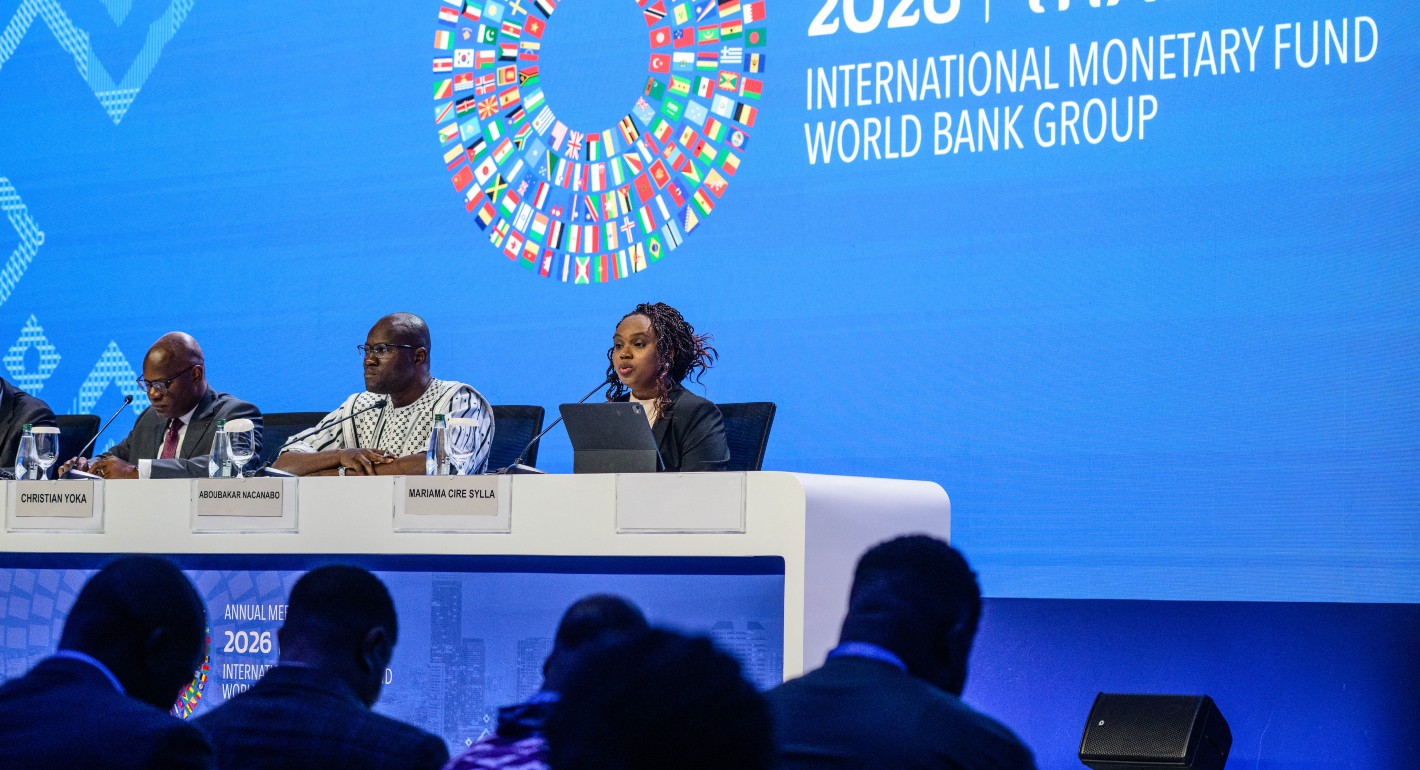
Global and rising powers will need to engage with Africa’s priorities and agency in order to secure the continent’s increasingly attractive partnerships.
Fonteh Akum

Rubio’s recent visit brought welcome attention, but more capital requires governance changes that may be a hard sell for regional governments.

Jennifer B. Murtazashvili