• Research
  • Emissary
  • About
  • Experts
Carnegie Global logoCarnegie lettermark logo
DemocracyIran
  • Donate
{
  "authors": [
    "Ashley J. Tellis"
  ],
  "type": "legacyinthemedia",
  "centerAffiliationAll": "dc",
  "centers": [
    "Carnegie Endowment for International Peace"
  ],
  "collections": [],
  "englishNewsletterAll": "ctw",
  "nonEnglishNewsletterAll": "",
  "primaryCenter": "Carnegie Endowment for International Peace",
  "programAffiliation": "SAP",
  "programs": [
    "South Asia"
  ],
  "projects": [],
  "regions": [
    "South Asia",
    "India",
    "Pakistan"
  ],
  "topics": [
    "Security",
    "Foreign Policy"
  ]
}
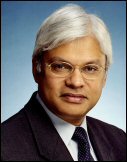
Source: Getty

In The Media

Mumbai Terrorists: Targets and Motivations

The Mumbai terrorists attacked previously untargeted groups in India, including wealthy Indians and foreigners, in a likely attempt to discredit India as a safe place to conduct business and articulate a wide range of grievances with the government.

Link Copied
By Ashley J. Tellis
Published on Nov 27, 2008
Program mobile hero image

Program

South Asia

The South Asia Program informs policy debates relating to the region’s security, economy, and political development. From strategic competition in the Indo-Pacific to India’s internal dynamics and U.S. engagement with the region, the program offers in-depth, rigorous research and analysis on South Asia’s most critical challenges.

Learn More

Source: PBS Newshour

The Mumbai terrorists attacked previously untargeted groups in India, including wealthy Indians and foreigners, in a likely attempt to discredit India as a safe place to conduct business and articulate a wide range of grievances with the government. Ashley Tellis explains on the PBS Newshour that the complexity of the attacks suggests  extensive planning and organization.

Click here for the transcript

About the Author

Ashley J. Tellis

Former Senior Fellow

Ashley J. Tellis was a senior fellow at the Carnegie Endowment for International Peace.

    Recent Work

  • Paper
    Multipolar Dreams, Bipolar Realities: India’s Great Power Future

      Ashley J. Tellis

  • Commentary
    India Sees Opportunity in Trump’s Global Turbulence. That Could Backfire.

      Ashley J. Tellis

Ashley J. Tellis
Former Senior Fellow
SecurityForeign PolicySouth AsiaIndiaPakistan

Carnegie does not take institutional positions on public policy issues; the views represented herein are those of the author(s) and do not necessarily reflect the views of Carnegie, its staff, or its trustees.
More Work from Carnegie Endowment for International Peace

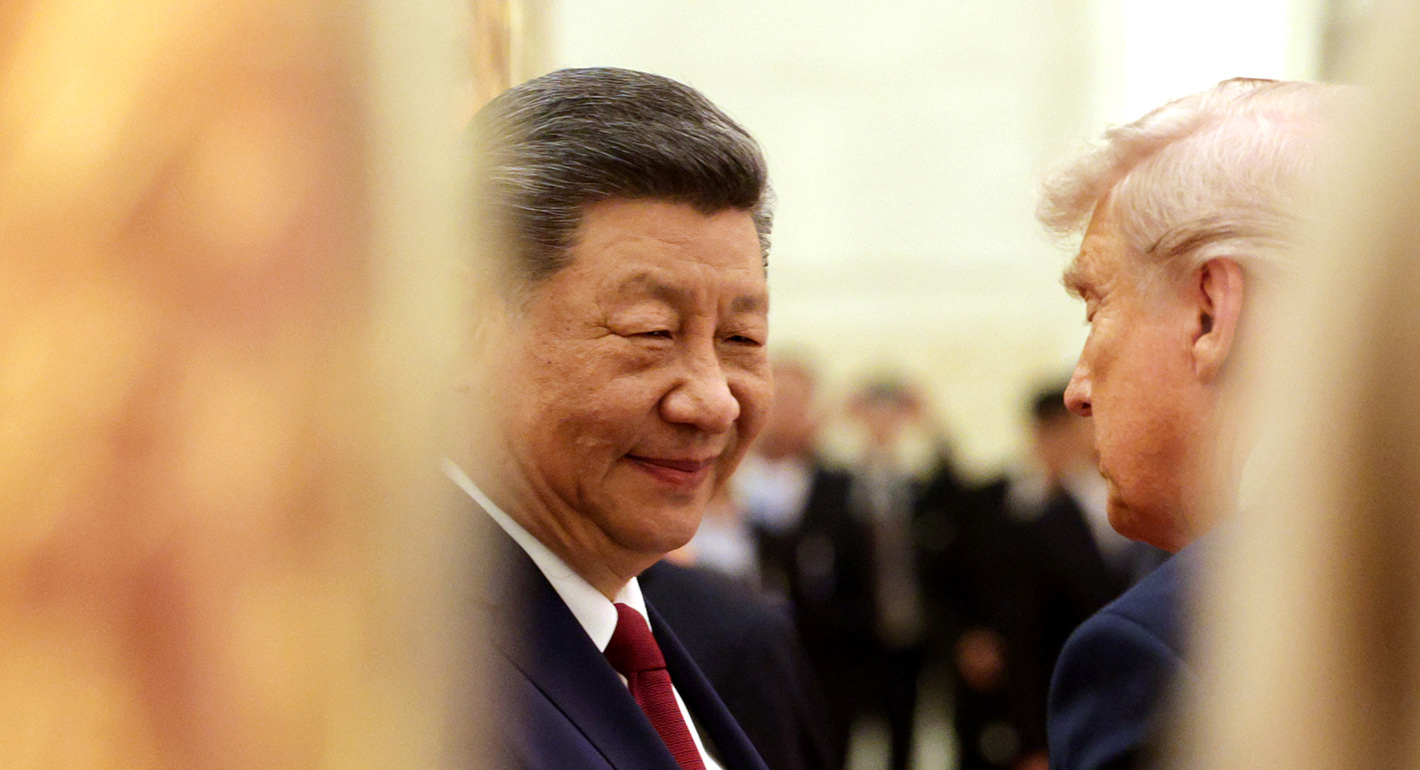
  • Chinese President Xi Jinping interacts with U.S. President Donald Trump during a state banquet at the Great Hall of the People on May 14, 2026 in Beijing, China.
    Commentary
    Post U.S.-China Summit: Managed Instability

    The U.S.-China Summit produced a welcome commitment to build a constructive, strategically stable relationship. However, the United States has a full agenda, including the USMCA review beginning this week, that will likely target Chinese practices of concern. If China views these efforts as inconsistent with the agreements reached in Beijing, it may slow or halt progress in response. 
      • Barbara Weisel

      Barbara Weisel

  • Commentary
    Can Europe Compete with the United States and China?

    Between the United States’ market-driven approach and China's state-led industrial strategy, Europe is reckoning with how it can remain competitive in the global economy. But is Europe in danger of becoming a U.S. or China colony?
      Noah Barkin, Anu Bradford
  • Commentary
    Carnegie Politika
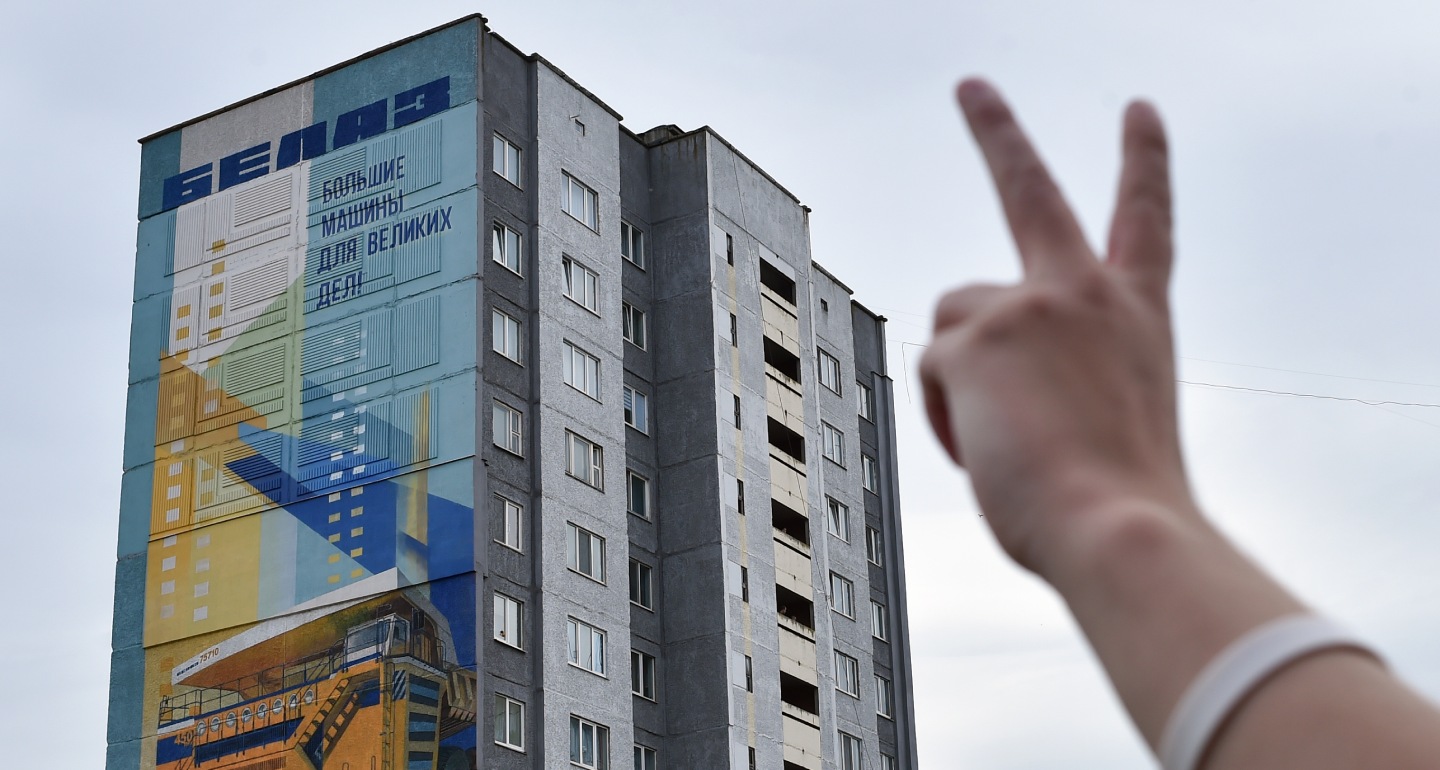
    Russian Market Sours for Belarusian State Companies

    Minsk’s faith in the future of its larger neighbor’s economy is fading as Belarusian firms in Russia see record losses.    

      Olga Loiko
  • Commentary
    Carnegie Politika
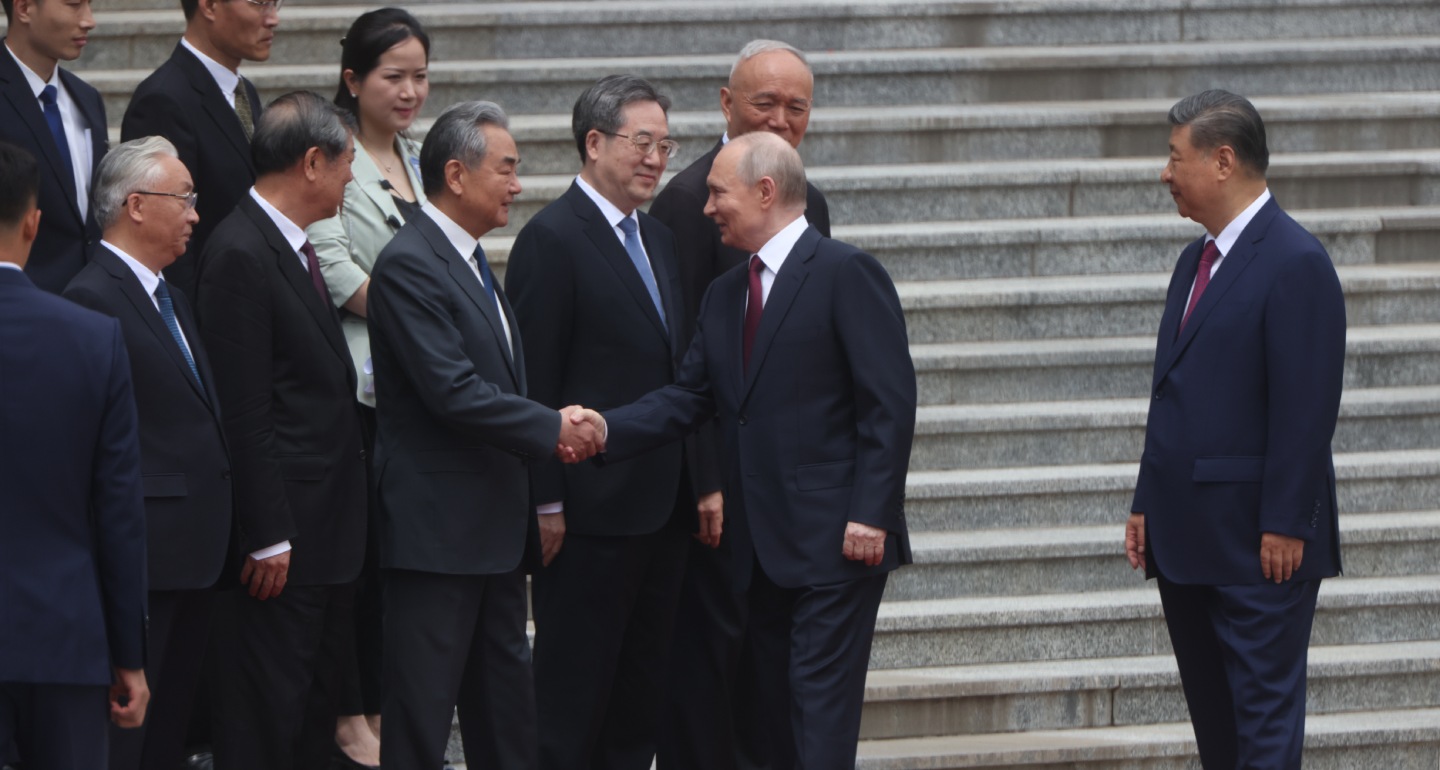
    Did Putin Return From China Empty-Handed?

    With no key agreement signed on the Power of Siberia 2 gas pipeline, there is a risk that the window of opportunity for Russia will close if Chinese power generation becomes so green that new gas sources are no longer of any interest to Beijing.

      • Alexander Gabuev

      Alexander Gabuev

  • Commentary
    Carnegie Politika
    What Does Central Europe’s Post-Orban Russia Policy Look Like?

    Though Orban is gone, Putin can still count on some like-minded individuals in Central and Eastern Europe. However, they will seek to avoid open confrontation with EU institutions over Ukraine and their ties with Moscow.


      Dimitar Bechev

Get more news and analysis from
Carnegie Endowment for International Peace
Carnegie global logo, stacked
1779 Massachusetts Avenue NWWashington, DC, 20036-2103Phone: 202 483 7600
  • Research
  • Emissary
  • About
  • Experts
  • Donate
  • Programs
  • Events
  • Blogs
  • Podcasts
  • Contact
  • Annual Reports
  • Careers
  • Privacy
  • For Media
  • Government Resources
Get more news and analysis from
Carnegie Endowment for International Peace
© 2026 Carnegie Endowment for International Peace. All rights reserved.