

Article
The civil war in Syria may have ended, but the country continues to serve as a source for the trafficking of illegal substances into and via Jordanian territory.
Armenak Tokmajyan, Laith Qerbaa
{
  "authors": [],
  "type": "pressRelease",
  "centerAffiliationAll": "dc",
  "centers": [
    "Carnegie Endowment for International Peace"
  ],
  "collections": [],
  "englishNewsletterAll": "menaTransitions",
  "nonEnglishNewsletterAll": "",
  "primaryCenter": "Carnegie Endowment for International Peace",
  "programAffiliation": "MEP",
  "programs": [
    "Middle East"
  ],
  "projects": [],
  "regions": [
    "Middle East",
    "North Africa",
    "Egypt",
    "Algeria",
    "Morocco",
    "Jordan",
    "Bahrain",
    "Kuwait",
    "Yemen"
  ],
  "topics": [
    "Political Reform"
  ]
}
REQUIRED IMAGE
Despite some electoral success, Islamist movements participating in politics have failed to influence policy and are criticized by their base for abandoning their religious commitments. Islamist movements must convince their supporters that political participation is the best way to affect government in the long term, despite seemingly poor short-term gains.
WASHINGTON, Dec 11—Islamist movements participating in politics in the Middle East have reached an important crossroad. Despite some electoral success, they have failed to influence policy and are criticized by their base for abandoning their religious commitments. Islamist movements must convince their supporters that political participation is the best way to affect government in the long term, despite seemingly poor short-term gains, concludes a new paper from the Carnegie Endowment.
Marina Ottaway and Amr Hamzawy examine the experiences of “participating Islamist movements” in Morocco, Algeria, Egypt, Jordan, Bahrain, Kuwait, and Yemen. Islamists are torn between their need to compromise on some social and political issues to be effective political players and the risk of alienating their core supporters.
Key Conclusions:
The authors conclude:
“While participation is not invariably a process of further democratization and moderation, it is also clear that non-participation—either enforced by governments or chosen by the leadership of Islamist parties and movements—is a guarantee that a process of moderation will not take place. This is a sobering thought for those governments and their international backers that would like to set the bar for participation by Islamists extremely high. The choice is not between allowing the somewhat risky participation by Islamists in politics and their disappearance from the political scene. It is between allowing their participation despite the existence of gray zones with the possibility that a moderating process will unfold, and excluding them from the legal political process—thus ensuring the growing influence of hard-liners inside those movements and the continued existence of gray zones.”
###

Carnegie does not take institutional positions on public policy issues; the views represented herein are those of the author(s) and do not necessarily reflect the views of Carnegie, its staff, or its trustees.
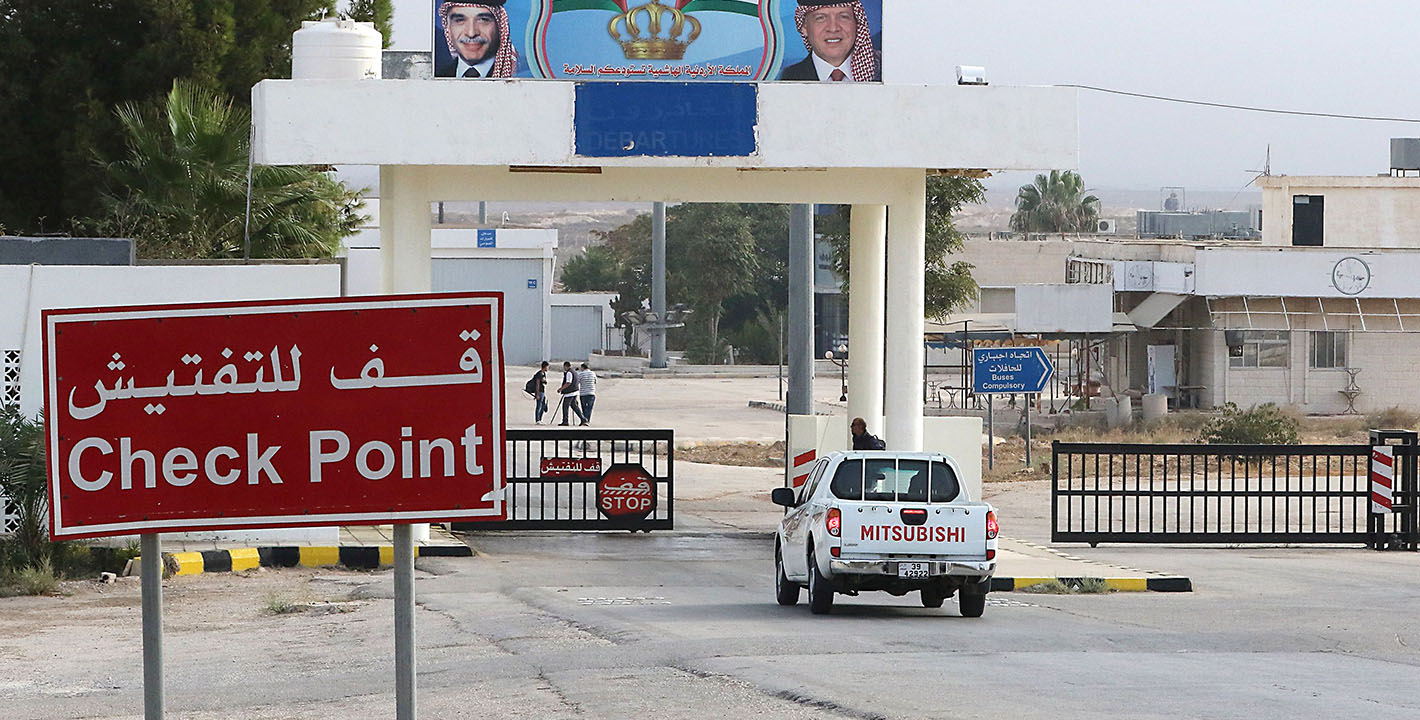
The civil war in Syria may have ended, but the country continues to serve as a source for the trafficking of illegal substances into and via Jordanian territory.

Armenak Tokmajyan, Laith Qerbaa

Ex-president Gurbanguly Berdimuhamedov remains interested in politics, but his son Serdar, Turkmenistan’s current president, is becoming increasingly independent and willing to break with his father’s legacy. If their covert rivalry goes too far, both risk losing power.

Galiya Ibragimova

A notable degree of participative democracy has firmly arrived in Europe. But to have more far-reaching impact, democratic deliberation needs to move into a radically new phase.

Richard Youngs
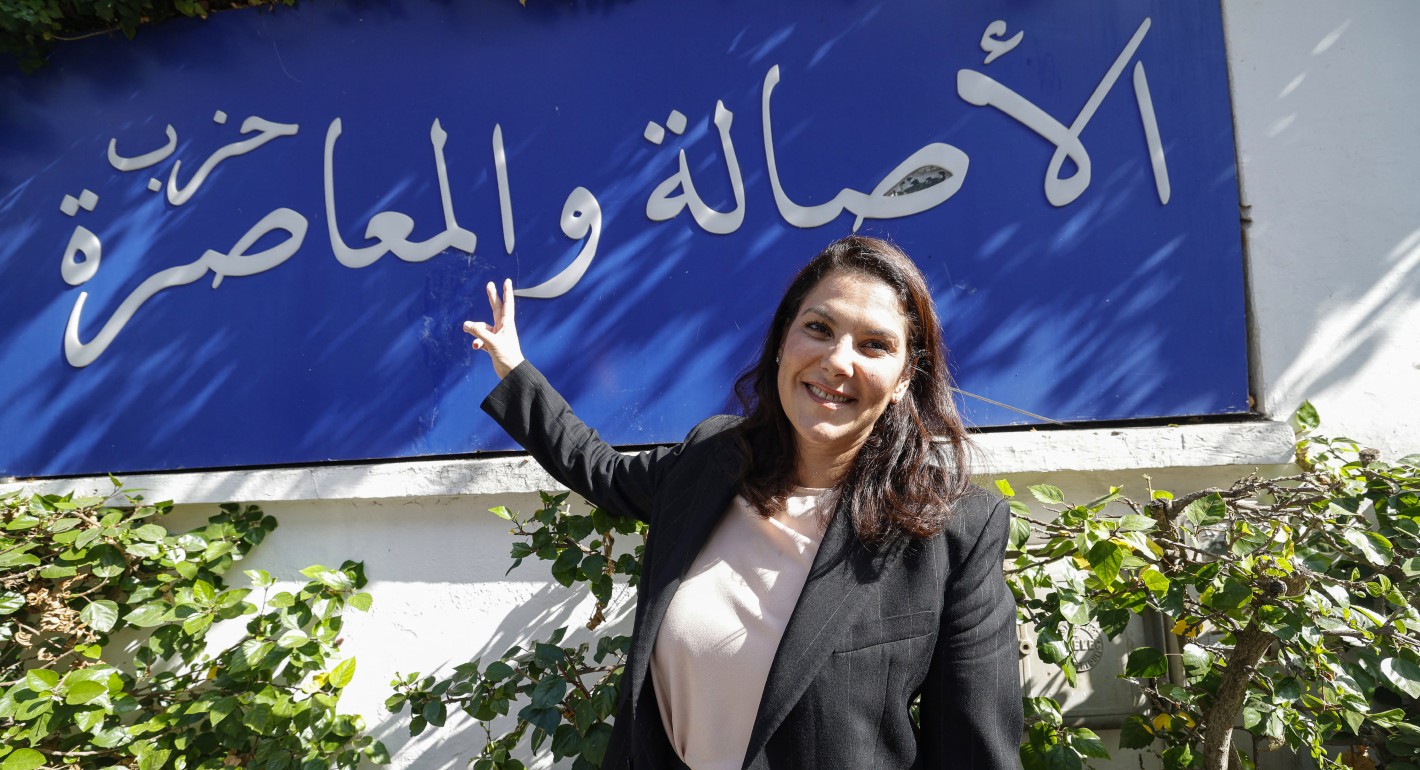
Fatima El Mansouri is the country’s first female prime minister. She’s also a privileged insider in a largely ceremonial position.

Sarah Yerkes

Sergei Kiriyenko used Russia’s parliamentary vote to further hone his strategy of corporate mobilization that is designed to maximize votes for United Russia.

Andrey Pertsev