

Commentary
The ninety-three-year-old Biya’s absence and refusal to name a vice president threaten to upend domestic and regional stability.
Lesley Anne Warner
{
  "authors": [],
  "type": "pressRelease",
  "centerAffiliationAll": "dc",
  "centers": [
    "Carnegie Endowment for International Peace"
  ],
  "collections": [],
  "englishNewsletterAll": "ctw",
  "nonEnglishNewsletterAll": "",
  "primaryCenter": "Carnegie Endowment for International Peace",
  "programAffiliation": "russia",
  "programs": [
    "Russia and Eurasia"
  ],
  "projects": [],
  "regions": [
    "Caucasus",
    "Russia"
  ],
  "topics": [
    "Foreign Policy"
  ]
}
REQUIRED IMAGE
The Carnegie Endowment for International Peace announced that Dmitri Trenin has been appointed director of the Carnegie Moscow Center.
MOSCOW, Dec 22—The Carnegie Endowment for International Peace today announced that Dmitri Trenin has been appointed director of the Carnegie Moscow Center.
Making the announcement, Jessica T. Mathews, president of the Endowment, said:
“I am extremely proud to announce that Dmitri Trenin will become the new director of the Carnegie Moscow Center. As the first Russian director of the Center, Dmitri brings both a wealth of experience as one of Russia’s leading experts on Eurasia and Russian security and foreign policy, as well as a strong understanding of the United States. This perfect combination of skills makes him an unbeatable choice at a time when relations between Russia and the United States urgently require attention.
“For fifteen years, our Moscow office has collaborated with our Russia Program in Washington D.C., to produce some of the most informed and innovative research and policy recommendations in the market. So successful has the Moscow office been that it served as the model for the Endowment’s New Vision, which has seen us add operations in China, the Middle East, and Europe. In the years ahead Dmitri will broaden our agenda beyond the still crucially important work on U.S.–Russia relations to look at areas of common interest between Russia and the other regions in which Carnegie is now located.”
Dmitri Trenin said:
“Since it was established in 1993, the Carnegie Moscow Center has served as a model of a modern think tank, actively promoting Russian-American and Russian-European exchanges and joint research, and functioning as a respected venue for serious Russian debate on important issues. These important objectives will remain at the forefront of our work.
“Carnegie’s New Vision—pioneering the first global think tank—challenges us to take a big step forward and think globally. Within an expanded Carnegie family, the Moscow Center will also work to connect important voices from Russia, the new Eastern Europe and the Baltics, and the Caucasus and Central Asia, to the rest of the world and to bring expert views from around the world to Russia.
As the eighth director of the Carnegie Moscow Center, I am proud to lead an excellent team of senior scholars, among the best in their class, and to welcome Sam Greene as deputy director for operations, with a range of very important responsibilities. For three years Rose Gottemoeller took the Moscow Center to new heights and will be an exceedingly hard act to follow, but Sam and I will try as best we can.”
Rose Gottemoeller, who served as the director of the Moscow Center from January 2006 – December 2008, will return to the Endowment’s Washington D.C., office as a senior associate to continue work on U.S.–Russia relations and nuclear security and stability. Formerly deputy undersecretary for defense nuclear nonproliferation in the U.S. Department of Energy, she has been with the Endowment since 2000.
###
NOTES
Carnegie does not take institutional positions on public policy issues; the views represented herein are those of the author(s) and do not necessarily reflect the views of Carnegie, its staff, or its trustees.
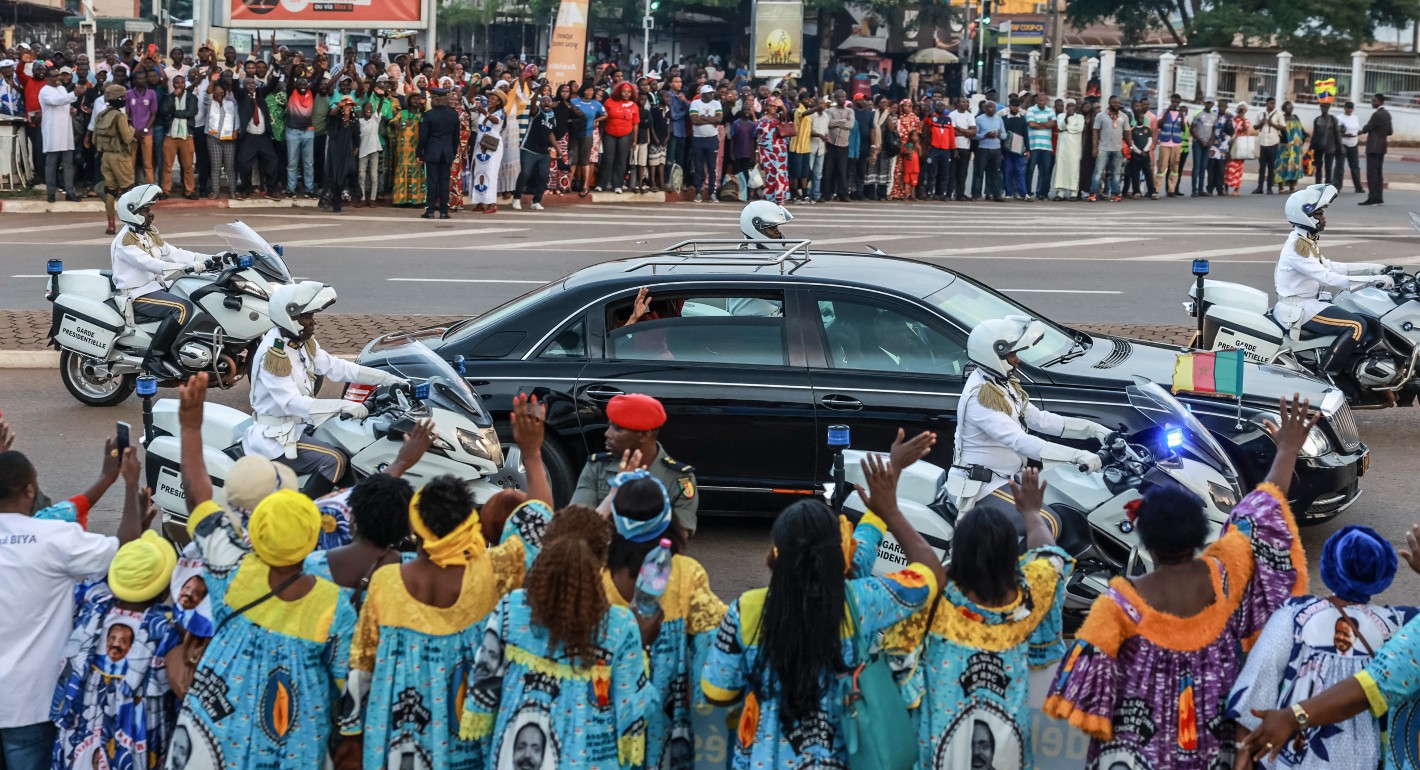
The ninety-three-year-old Biya’s absence and refusal to name a vice president threaten to upend domestic and regional stability.

Lesley Anne Warner
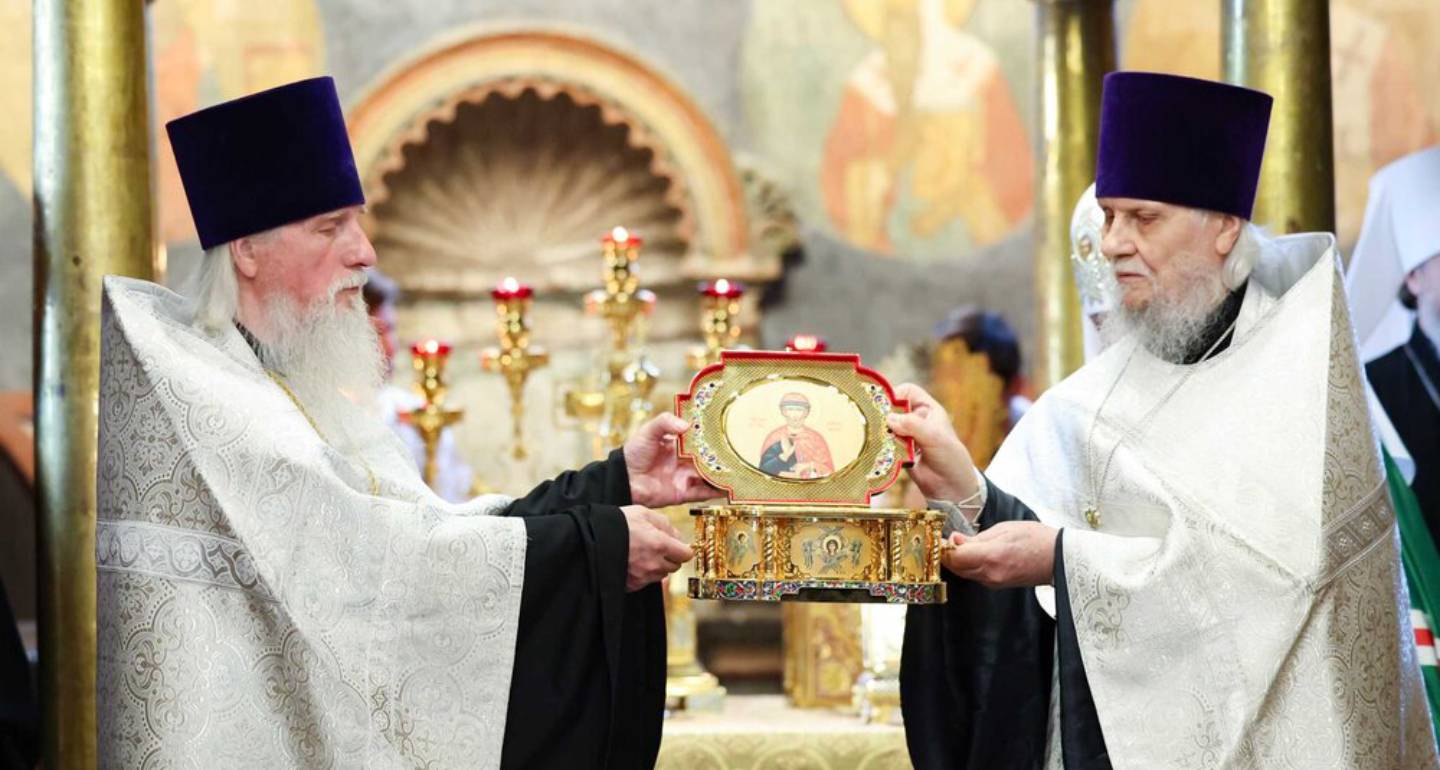
The recent uncovering of Dmitry Donskoy’s relics in the Cathedral of the Archangel is yet another attempt by the Russian Orthodox Church to help the state solve its problems. However, parroting the state’s version of Russian history leaves the Church with no message except “patriotism.”
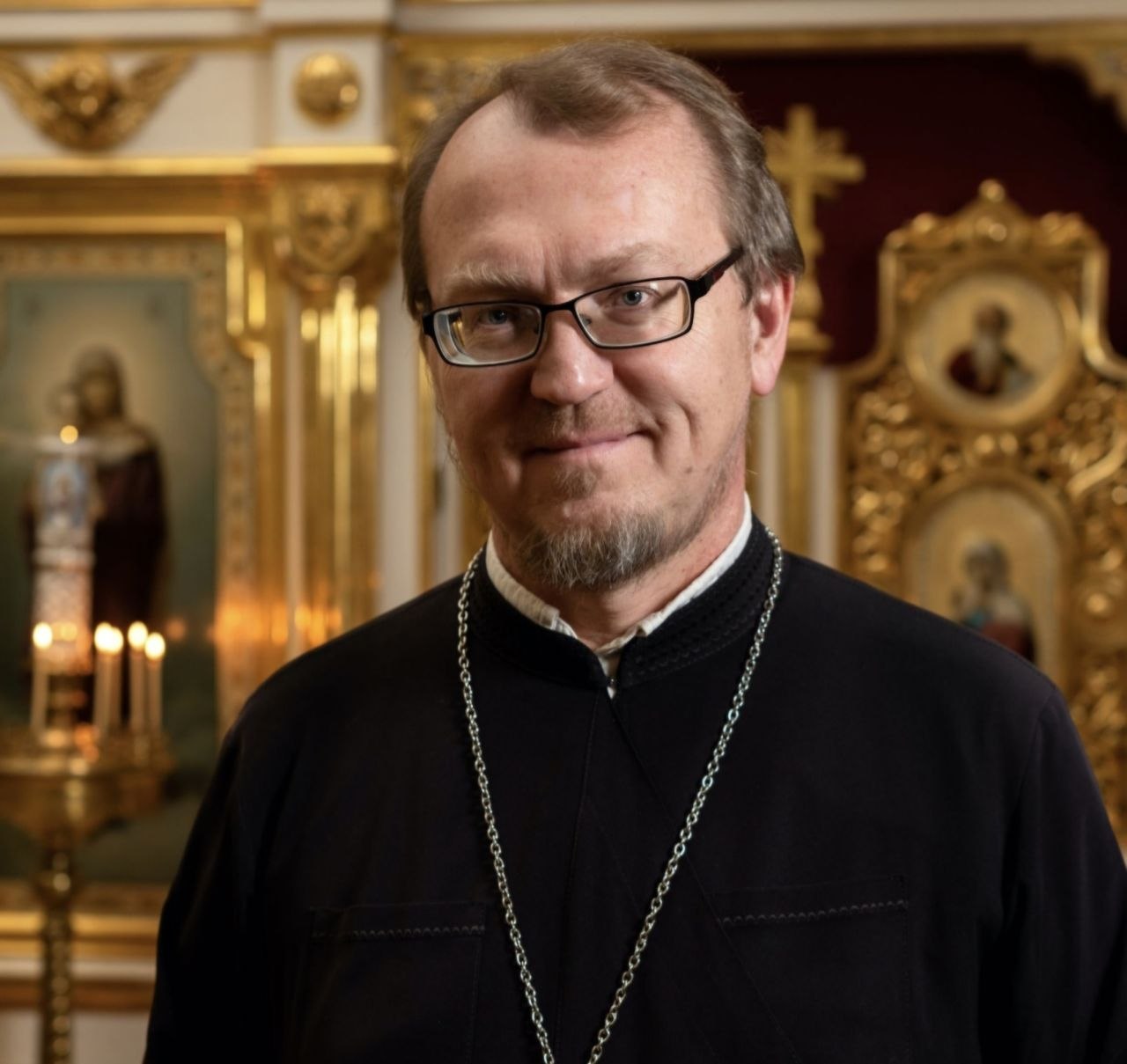
Alexander Zanemonets

With the growth in points of friction between the great powers, organizations like the SCO will continue to play a role in the strategic adaptation of the smaller powers caught between them.

Temur Umarov
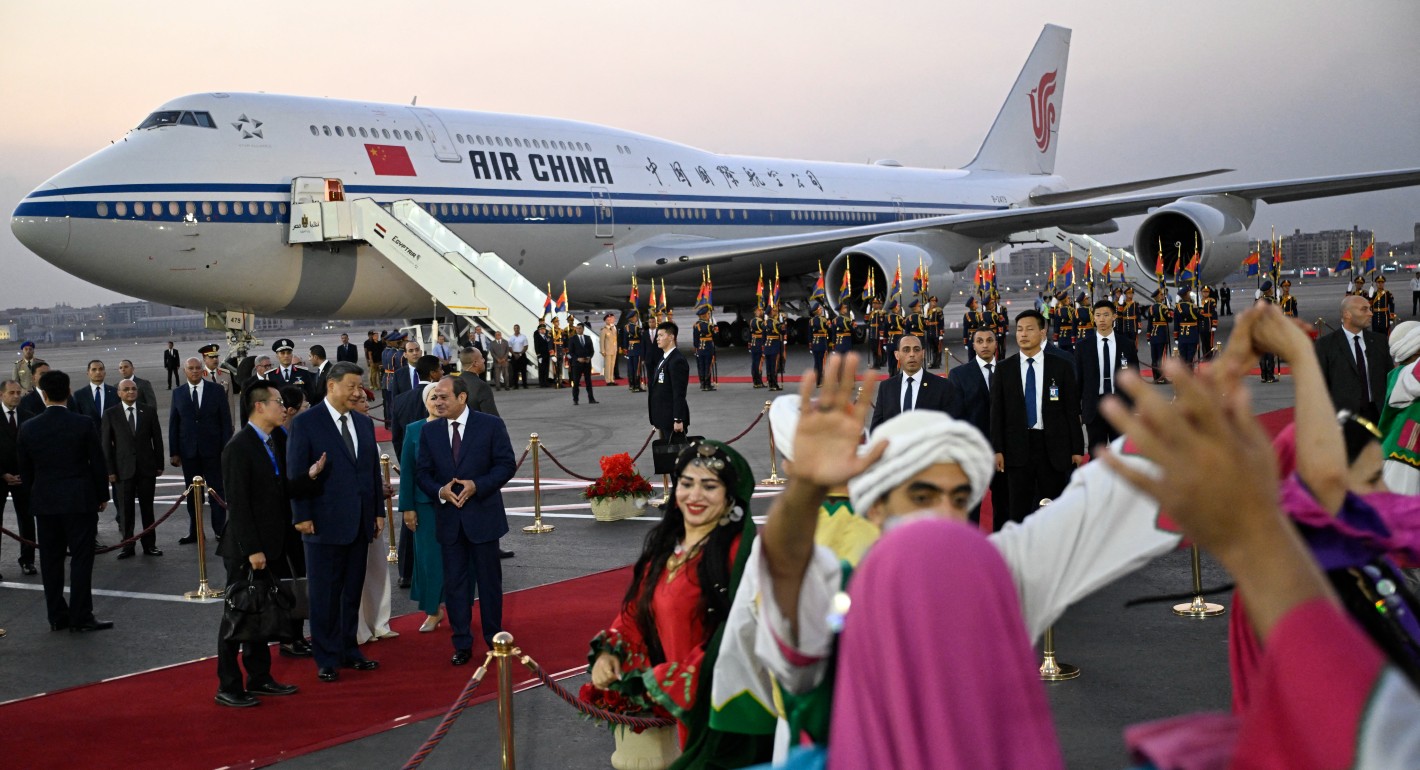
Amid celebrations of bilateral ties was a deeper focus on stability in the Middle East.

Amr Hamzawy

Canadian Prime Minister Mark Carney has twice inspired praise for standing up to U.S. President Donald Trump: at the 2026 World Economic Forum in Davos and on Canada-U.S. trade negotiations. Is Carney showing a third way better than the EU has in dealing with the Trump administration?

Rym Momtaz, ed.