

Commentary
The targeting of Damietta Port appears to be more than a mere security message.
Amr Hamzawy
{
  "authors": [],
  "type": "pressRelease",
  "centerAffiliationAll": "dc",
  "centers": [
    "Carnegie Endowment for International Peace"
  ],
  "collections": [],
  "englishNewsletterAll": "asia",
  "nonEnglishNewsletterAll": "",
  "primaryCenter": "Carnegie Endowment for International Peace",
  "programAffiliation": "AP",
  "programs": [
    "Asia"
  ],
  "projects": [],
  "regions": [
    "North America",
    "United States",
    "East Asia",
    "China"
  ],
  "topics": [
    "Foreign Policy"
  ]
}
REQUIRED IMAGE
While President Obama inherits a cordial and generally stable relationship with China, building goodwill early on and cultivating direct personal ties with Chinese leaders will be the best way to continue the largely productive relations of the last eight years.
WASHINGTON, Feb 12—Secretary of State Hillary Clinton’s trip to Asia next week recognizes the need for productive U.S.–China relations to make progress on a number of critical issues, including climate change, the global economic crisis, and the six-party talks on North Korea’s nuclear program. While President Obama inherits a cordial and generally stable relationship with China, building goodwill early on and cultivating direct personal ties with Chinese leaders will be the best way to continue the largely productive relations of the last eight years, according to a group of leading Chinese scholars.
The scholars, convened by Carnegie’s Beijing operation, offer unique perspectives from the region for the Obama administration, and include political scientists from Peking University’s School of International Relations, the Center for American Studies, and Shanghai’s Fudan University.
Key conclusions:
Tianjian Shi, director of Carnegie’s Beijing office, concludes:
“Confronting China publicly may score points in U.S. domestic politics, but to achieve positive results, officials at the highest level must engage each other and attempt to stay above the domestic fray. Political posturing by both sides has undoubtedly damaged relations between the United States and China in the past and has made measured response by China difficult. Chinese leaders will be more open to concessions when their legitimacy at home is not at stake.”
###
NOTES
Carnegie does not take institutional positions on public policy issues; the views represented herein are those of the author(s) and do not necessarily reflect the views of Carnegie, its staff, or its trustees.
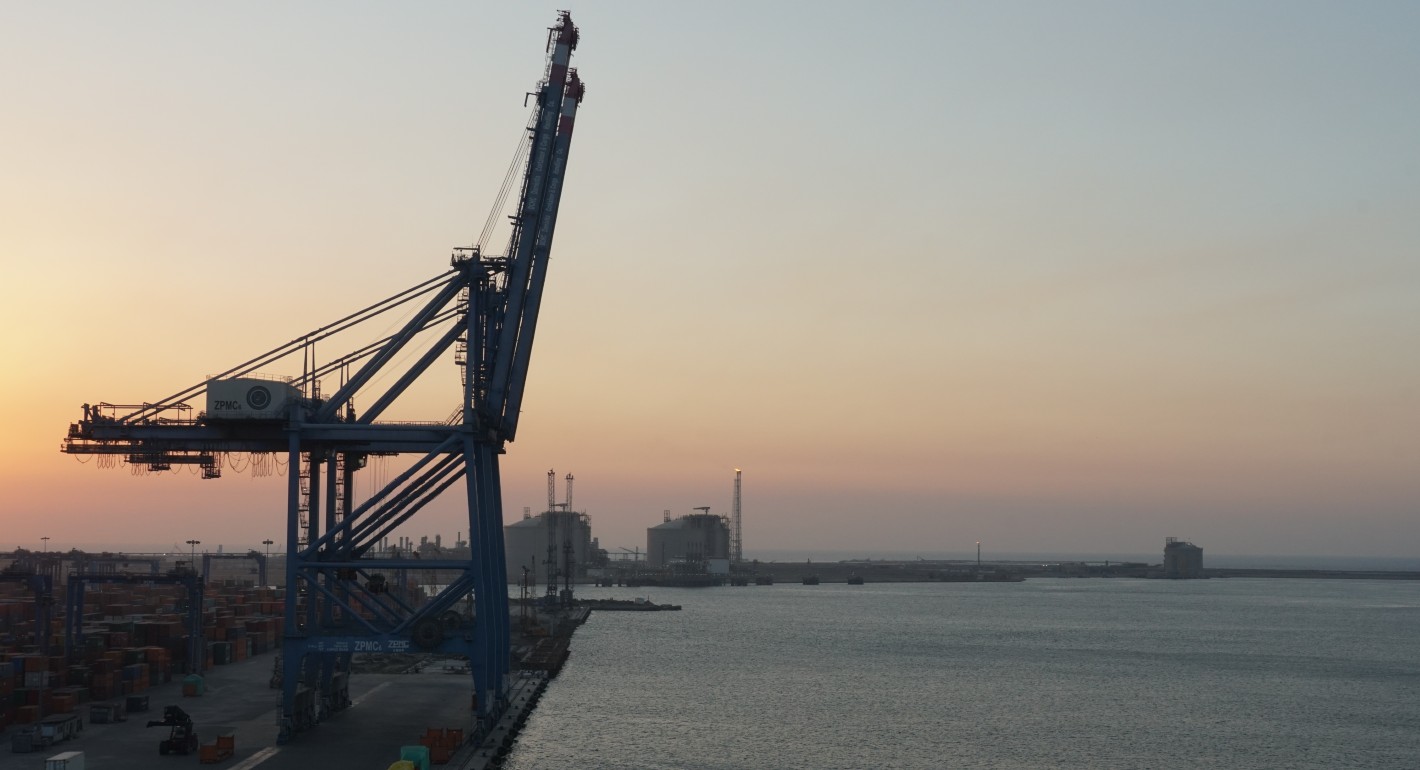
The targeting of Damietta Port appears to be more than a mere security message.

Amr Hamzawy
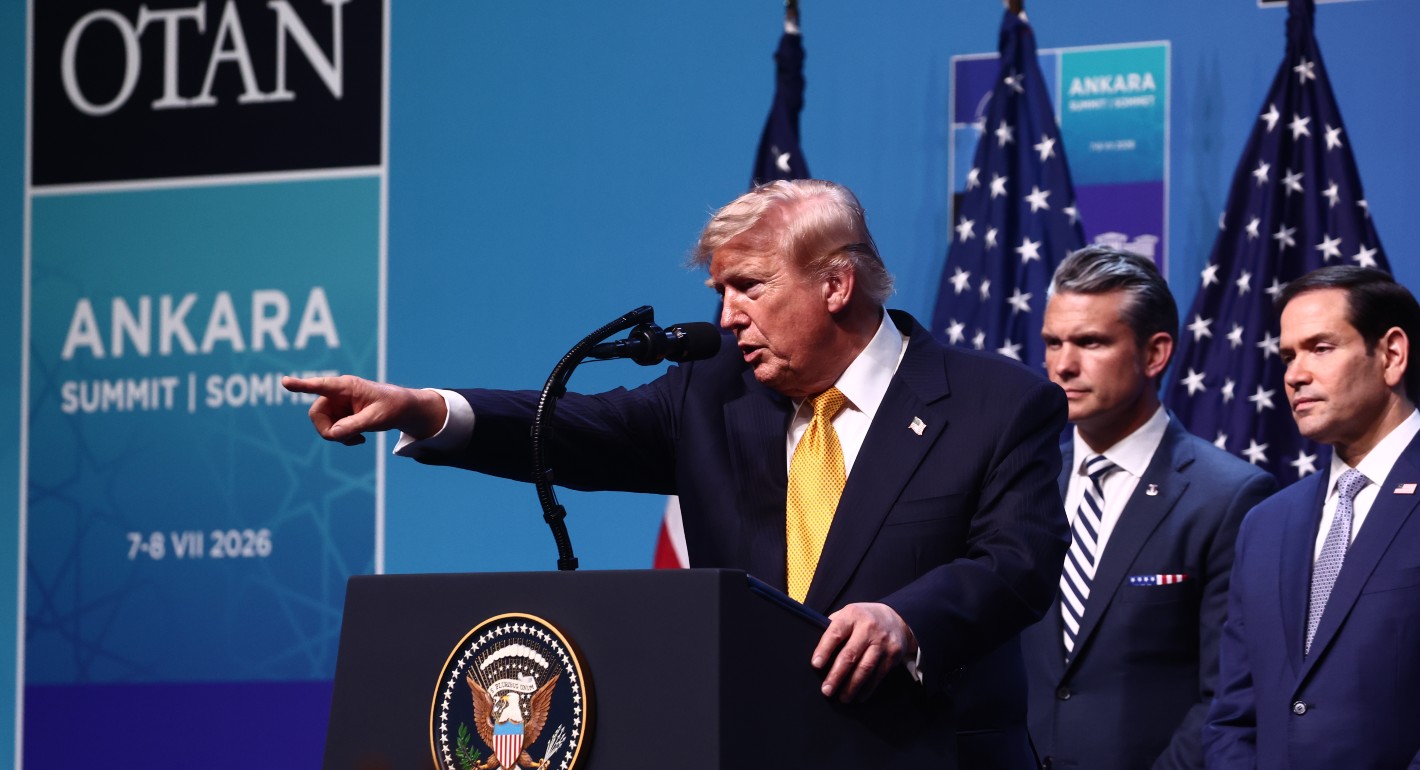
Does Donald Trump want to redraw the map of the world? Historian and geopolitical thinker Stephen Wertheim tries to parse the logic behind current American foreign policy

Stephen Wertheim
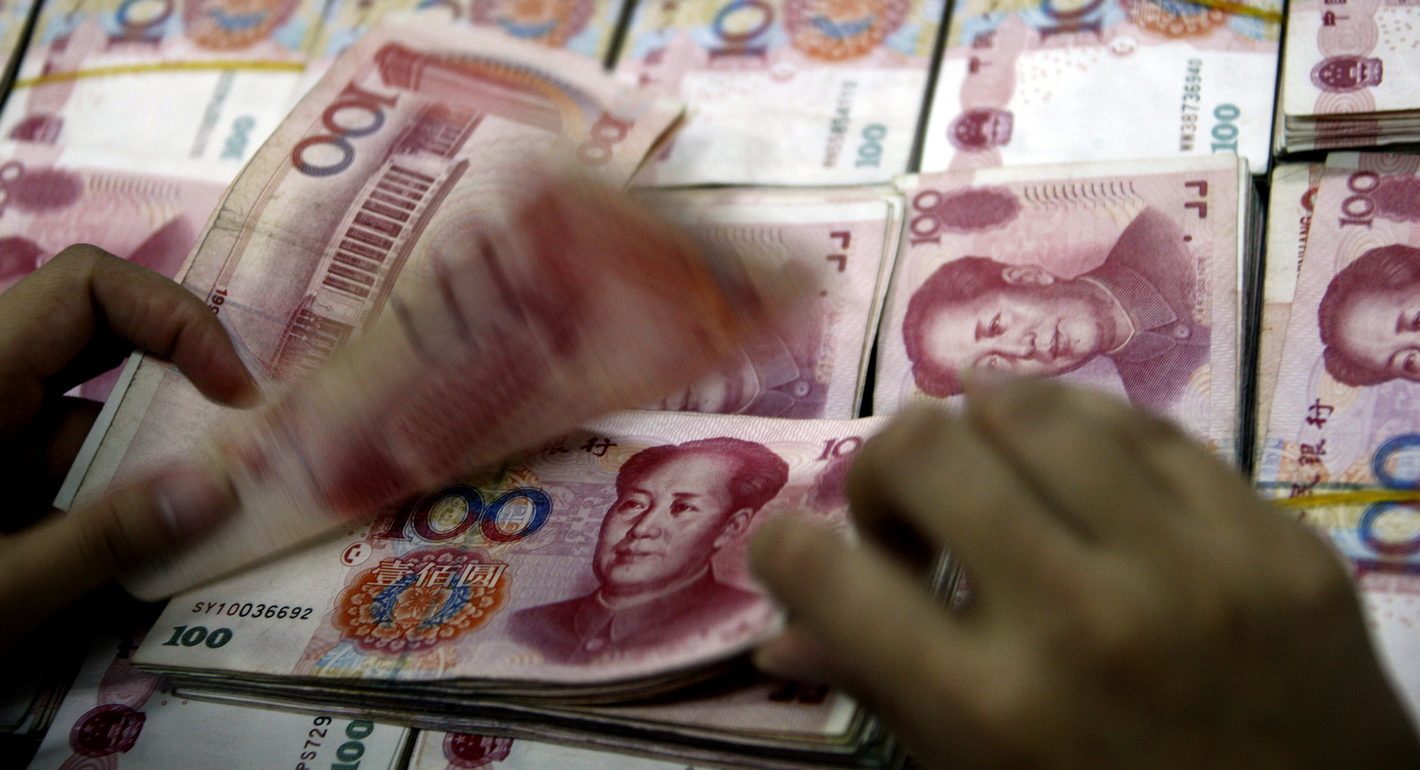
Is the Gulf moving beyond the dollar? This article examines how China is expanding the renminbi's role across Gulf markets, what that means for regional finance, and why the future of global currencies is more complex than the de-dollarization debate suggests.

Andrew Bonney

As we close out another season of Strategic Europe, it is worth taking stock of the deep shifts underway.

Rym Momtaz
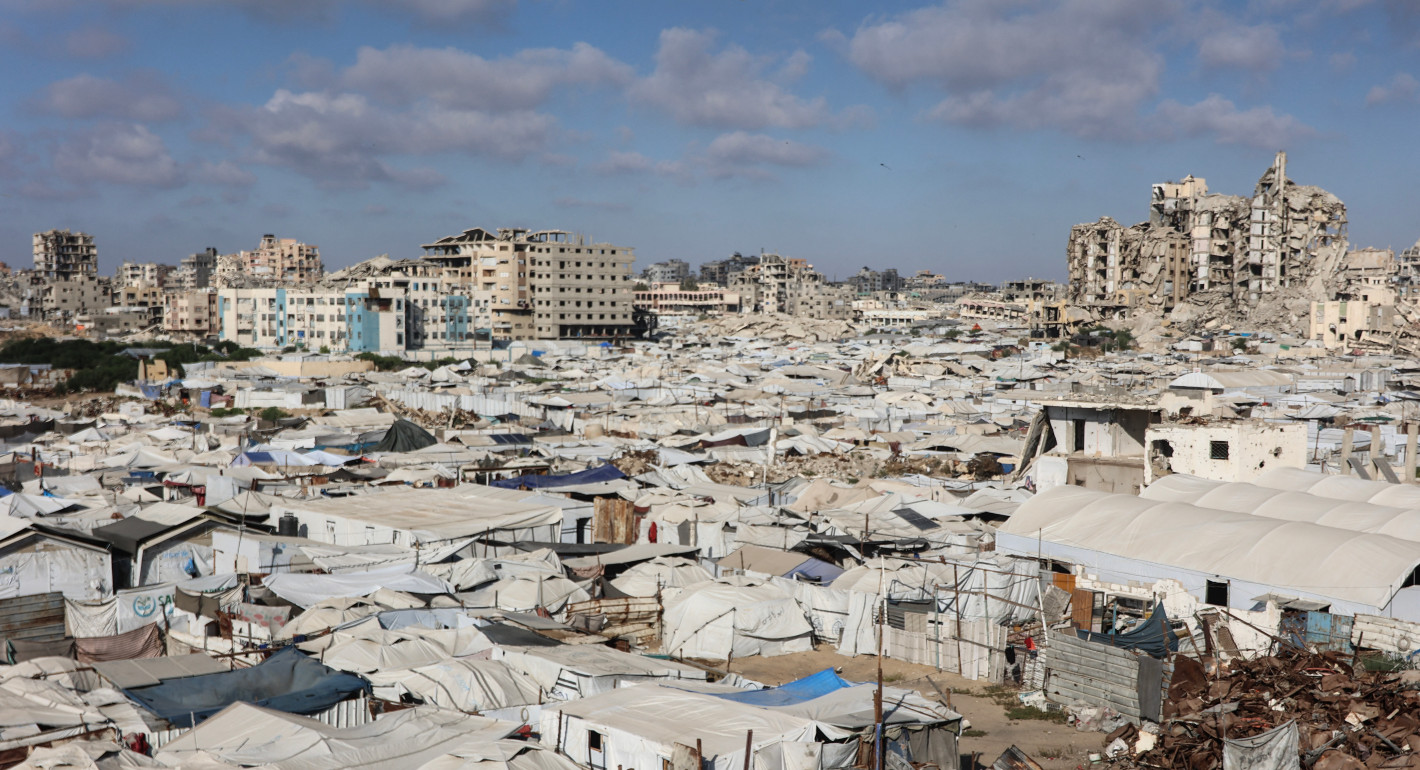
The Trump-led board has laid out blueprints for “voluntary emigration” and land confiscation.
Zaha Hassan