

Research
A review of a detailed account of how antipathy toward Tehran has assumed a life and logic of its own in Washington, DC.
Jane Darby Menton
{
  "authors": [],
  "type": "legacyinthemedia",
  "centerAffiliationAll": "",
  "centers": [
    "Carnegie Endowment for International Peace"
  ],
  "collections": [],
  "englishNewsletterAll": "",
  "nonEnglishNewsletterAll": "",
  "primaryCenter": "Carnegie Endowment for International Peace",
  "programAffiliation": "",
  "programs": [],
  "projects": [],
  "regions": [
    "North America",
    "United States",
    "North Africa",
    "Sudan"
  ],
  "topics": [
    "Foreign Policy"
  ]
}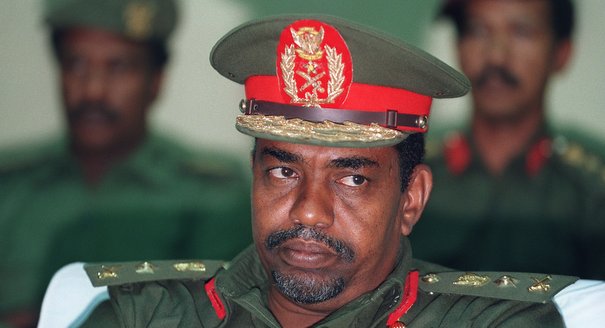
Source: Getty
Darfur is being pushed perilously close to the edge by the Sudanese government. President Obama's biggest test in Africa will not be pirates, but Omar al-Bashir, the first sitting president with a warrant for his arrest.
Source: U.S. News & World Report

While Obama may have handled the high seas showdown, his most dangerous foe in Africa isn't a rag-tag group of teenagers with AK-47s and speedboats. No, that adversary is Sudan's Omar al-Bashir, the world's first sitting president with a warrant for his arrest.
Darfur, the war-torn western region of Sudan, is being pushed perilously close to the edge by the Sudanese government. The biggest test for Obama's foreign policy in Africa will not be pirates; it will be Bashir.
Carnegie does not take institutional positions on public policy issues; the views represented herein are those of the author(s) and do not necessarily reflect the views of Carnegie, its staff, or its trustees.

A review of a detailed account of how antipathy toward Tehran has assumed a life and logic of its own in Washington, DC.

Jane Darby Menton
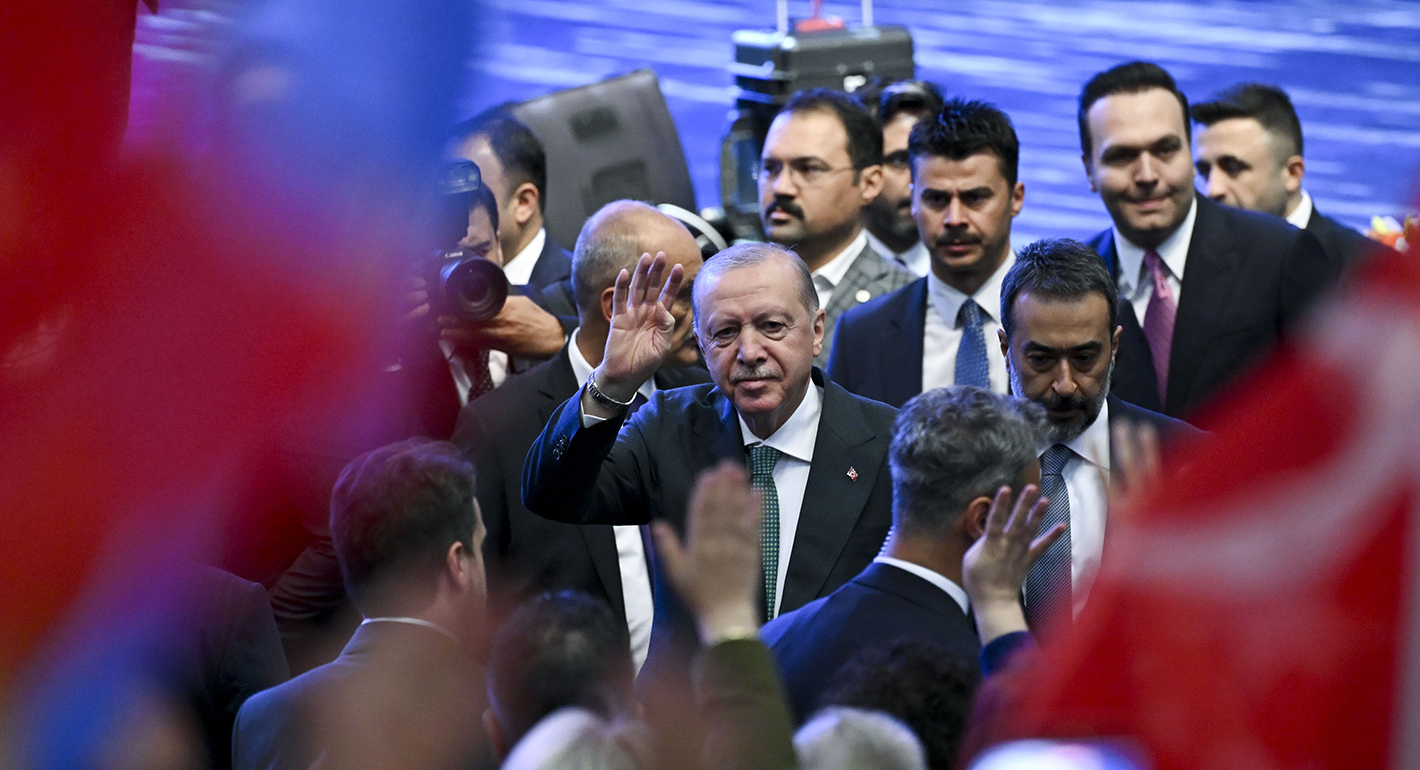
Turkish right-wing populists have been trying to advance the country’s middle-power goals based on perceptions of what the public wants, but they have been doing so in ways that reinforce their project of autocratic political consolidation.
Murat Somer

In Colombia and elsewhere in the region, the United States is trying to shape election outcomes—but at what cost?
Oliver Stuenkel, Adrian Feinberg
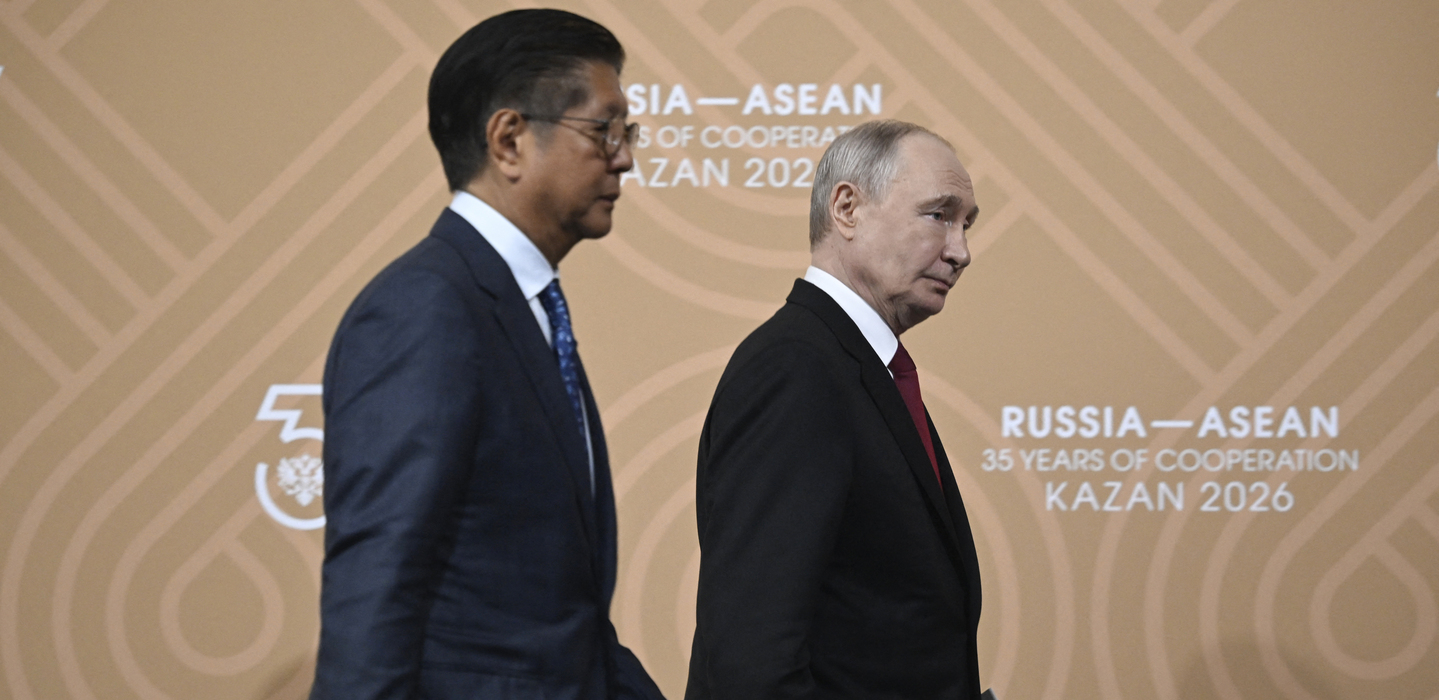
Russia looks set to reap economic benefits from closer ties with Southeast Asian countries that are keen to find reliable energy suppliers and diversify trade ties.

Alexander Gabuev
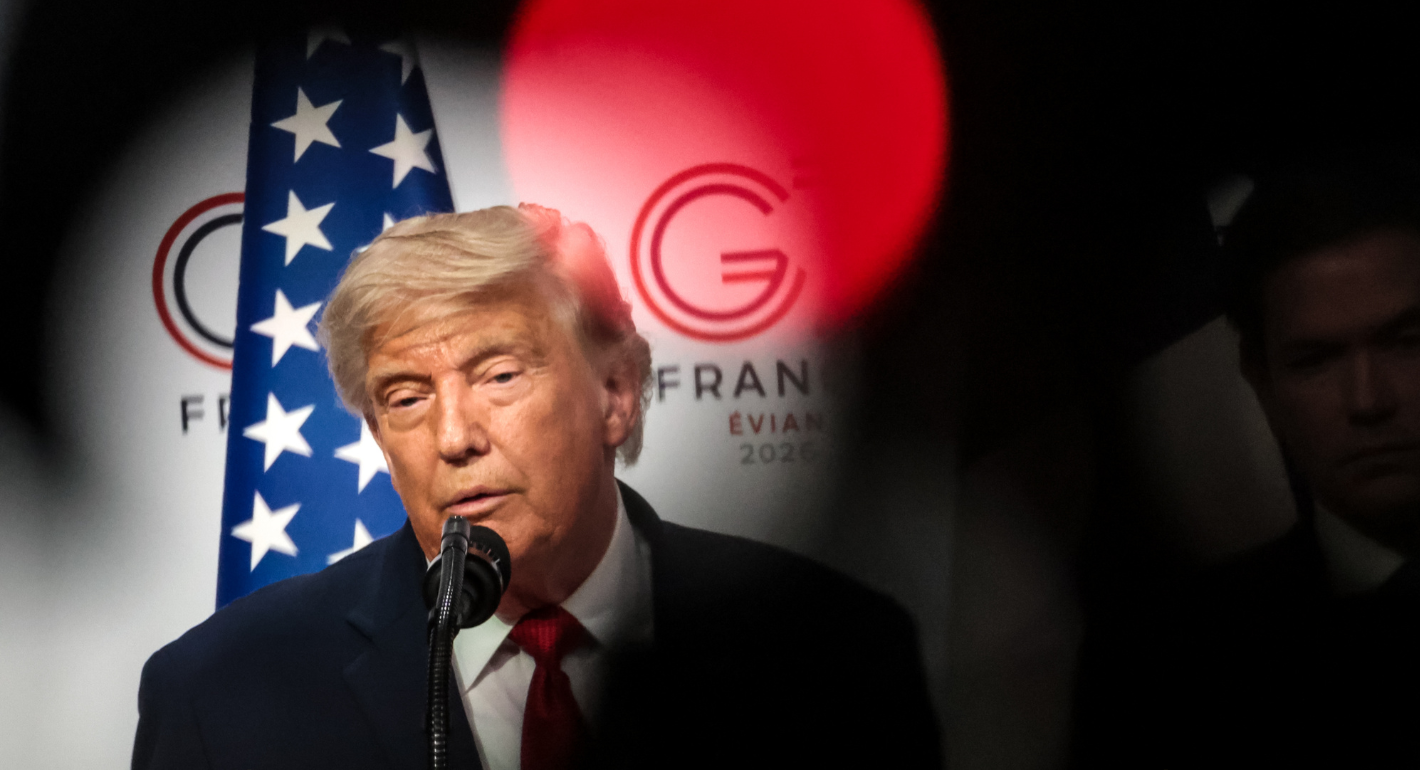
There is an elephant in the room when it comes to the EU’s upcoming security strategy: Donald Trump. Unless European leaders acknowledge the depth of the transatlantic crisis, true autonomy will remain out of reach.

Stefan Lehne