• Research
  • Emissary
  • About
  • Experts
Carnegie Global logoCarnegie lettermark logo
DemocracyIran
  • Donate
{
  "authors": [
    "Taiya M. Smith"
  ],
  "type": "testimony",
  "centerAffiliationAll": "dc",
  "centers": [
    "Carnegie Endowment for International Peace"
  ],
  "collections": [],
  "englishNewsletterAll": "asia",
  "nonEnglishNewsletterAll": "",
  "primaryCenter": "Carnegie Endowment for International Peace",
  "programAffiliation": "AP",
  "programs": [
    "Asia",
    "Sustainability, Climate, and Geopolitics"
  ],
  "projects": [],
  "regions": [
    "North America",
    "United States",
    "East Asia",
    "China"
  ],
  "topics": [
    "Climate Change"
  ]
}

Source: Getty

Testimony

International Climate Change Policy

As the world's largest emitter of greenhouse gases, China will be central to efforts to combat global climate change at Copenhagen and beyond.

Link Copied
By Taiya M. Smith
Published on Nov 17, 2009
Program mobile hero image

Program

Asia

The Asia Program in Washington studies disruptive security, governance, and technological risks that threaten peace, growth, and opportunity in the Asia-Pacific region, including a focus on China, Japan, and the Korean peninsula.

Learn More
Program mobile hero image

Program

Sustainability, Climate, and Geopolitics

The Sustainability, Climate, and Geopolitics Program explores how climate change and the responses to it are changing international politics, global governance, and world security. Our work covers topics from the geopolitical implications of decarbonization and environmental breakdown to the challenge of building out clean energy supply chains, alternative protein options, and other challenges of a warming planet.

Learn More

Source: Senate Committee on Energy and Natural Resources

Please Download Flash

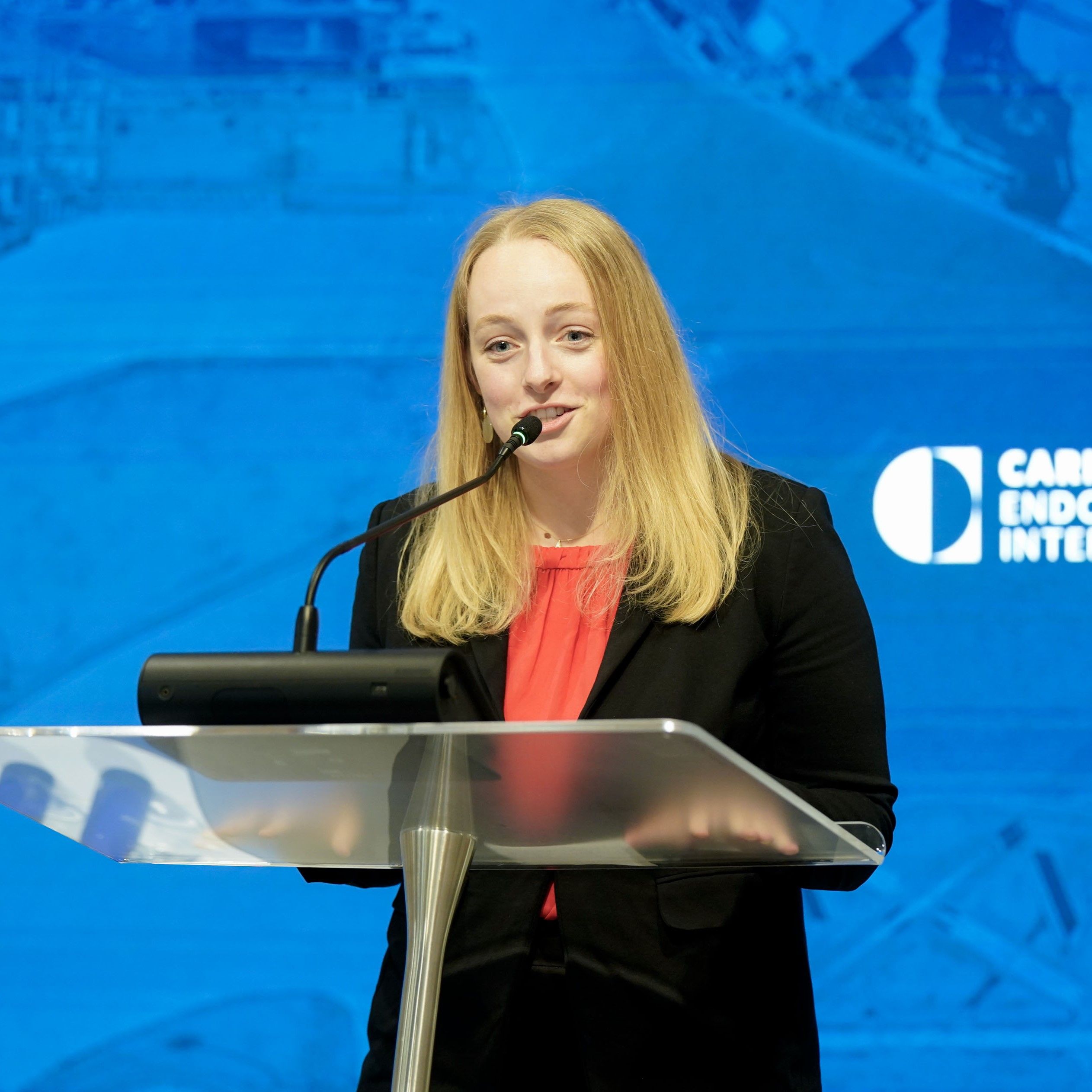
As the world’s largest greenhouse gas emitter, China will be central to efforts to combat global climate change at Copenhagen and beyond. In testimony before the Senate Energy and Natural Resources Committee, Taiya Smith explains that China is serious about addressing climate change, and assesses the implications and opportunities presented by its recent efforts to reduce carbon emissions at home.

Current realties in China:

  • China’s actions to address climate change should be taken seriously. To maintain national stability and GDP growth, China has concluded that it must address environmental degradation and climate change. Additionally, China long ago concluded that reliance on foreign oil creates considerable political difficulties.
     
  • If present trends continue, China is on pace to meet its emissions targets: reducing energy intensity by 20 percent between 2005 and 2010, obtaining 15 percent of the nation’s energy supply from non-fossil fuels by 2020, and increasing forest coverage and stock volumes 20 percent above 2005 levels by 2020.

U.S. Policy Recommendations:

  • Establishing an international body that allows countries to monitor one another’s emissions and provides a mechanism (similar to the WTO) to resolve disputes could be one of the most effective ways to both ensure that China develops a strong internal monitoring system and that the international community can engage with China on the data that it issues.
     
  • Access to the joint American-Chinese market will be a critical motivator for the development and dissemination of clean technology. The United States needs to work with the Chinese to ensure that we keep our markets open to each other by creating policies that encourage competition in clean technology. Specifically, our two countries need to:
    • Develop shared standards for new technology;
    • Drop barriers to access and investment in each other’s markets;
    • Implement the right set of incentives to encourage competition in this rapidly expanding sector.
       

About the Author

Taiya M. Smith

Former Senior Associate, Energy and Climate Program, Asia Program

Smith has spent the last decade working in international negotiations. Most recently, she served as a member of Secretary Hank Paulson’s senior management team from 2006 to 2009 as the deputy chief of staff and executive secretary for the U.S. Department of the Treasury.

    Recent Work

  • Other
    Why Go Strategic?: The Value of a Truly Strategic Dialogue Between the United States and China

      Taiya M. Smith

  • Article
    After Copenhagen

      Uri Dadush, Vera Eidelman, Taiya M. Smith

Taiya M. Smith
Former Senior Associate, Energy and Climate Program, Asia Program
Taiya M. Smith
Climate ChangeNorth AmericaUnited StatesEast AsiaChina

Carnegie does not take institutional positions on public policy issues; the views represented herein are those of the author(s) and do not necessarily reflect the views of Carnegie, its staff, or its trustees.
More Work from Carnegie Endowment for International Peace

  • Commentary
    Diwan
    Shockwaves Across the Gulf

    The countries in the region are managing the fallout from Iranian strikes in a paradoxical way.

      • Angie Omar

      Angie Omar

  • Commentary
    Strategic Europe
    Taking the Pulse: Is France’s New Nuclear Doctrine Ambitious Enough?

    French President Emmanuel Macron has unveiled his country’s new nuclear doctrine. Are the changes he has made enough to reassure France’s European partners in the current geopolitical context?

      • Rym Momtaz

      Rym Momtaz, ed.

  • Commentary
    The Iran War’s Dangerous Fallout for Europe

    The drone strike on the British air base in Akrotiri brings Europe’s proximity to the conflict in Iran into sharp relief. In the fog of war, old tensions in the Eastern Mediterranean risk being reignited, and regional stakeholders must avoid escalation.

      Marc Pierini

  • Commentary
    Diwan
    The U.S. Risks Much, but Gains Little, with Iran

    In an interview, Hassan Mneimneh discusses the ongoing conflict and the myriad miscalculations characterizing it.

      Michael Young

  • Commentary
    Diwan
    The Greatest Dangers May Lie Ahead

    In an interview, Nicole Grajewski discusses the military dimension of the U.S. and Israeli attacks on Iran.

      Michael Young

Get more news and analysis from
Carnegie Endowment for International Peace
Carnegie global logo, stacked
1779 Massachusetts Avenue NWWashington, DC, 20036-2103Phone: 202 483 7600Fax: 202 483 1840
  • Research
  • Emissary
  • About
  • Experts
  • Donate
  • Programs
  • Events
  • Blogs
  • Podcasts
  • Contact
  • Annual Reports
  • Careers
  • Privacy
  • For Media
  • Government Resources
Get more news and analysis from
Carnegie Endowment for International Peace
© 2026 Carnegie Endowment for International Peace. All rights reserved.