

Commentary
Nikolay Petrov
{
  "authors": [
    "Nikolay Petrov"
  ],
  "type": "legacyinthemedia",
  "centerAffiliationAll": "",
  "centers": [
    "Carnegie Endowment for International Peace",
    "Carnegie Russia Eurasia Center"
  ],
  "collections": [],
  "englishNewsletterAll": "",
  "nonEnglishNewsletterAll": "",
  "primaryCenter": "Carnegie Russia Eurasia Center",
  "programAffiliation": "",
  "programs": [],
  "projects": [
    "Eurasia in Transition"
  ],
  "regions": [
    "Central Asia",
    "Kazakhstan",
    "Kyrgyz Republic",
    "Tajikistan",
    "Turkmenistan",
    "Uzbekistan"
  ],
  "topics": [
    "Political Reform"
  ]
}
Source: Getty
The five post-Soviet Central Asian republics—Kazakhstan, Krygyzstan, Tajikistan, Turkmenistan and Uzbekistan—share common political, cultural, and historical roots, but they are far from homogeneous, and continuing domestic and regional tensions could lead to violent conflict.
Source: Worldfocus Radio

These nations are asserting their cultural identity by proposing ethnic language policies — potentially banning the use of the Russian language.
In Kyrgyzstan, there’s a proposal to make Kyrgyz the dominant governmental language, and in Tajikistan, there’s another to ban the use of Russian in public institutions and official documents.
This week, Chinese President Hu Jintao opened a new gas pipeline that extends from Turkmenistan to north-west China — the first without Russia’s Gazprom.
Martin Savidge hosts William Fierman, a professor of Central Asian studies at Indiana University, and Nikolay Petrov, a scholar at the Carnegie Moscow Center.
They discuss:
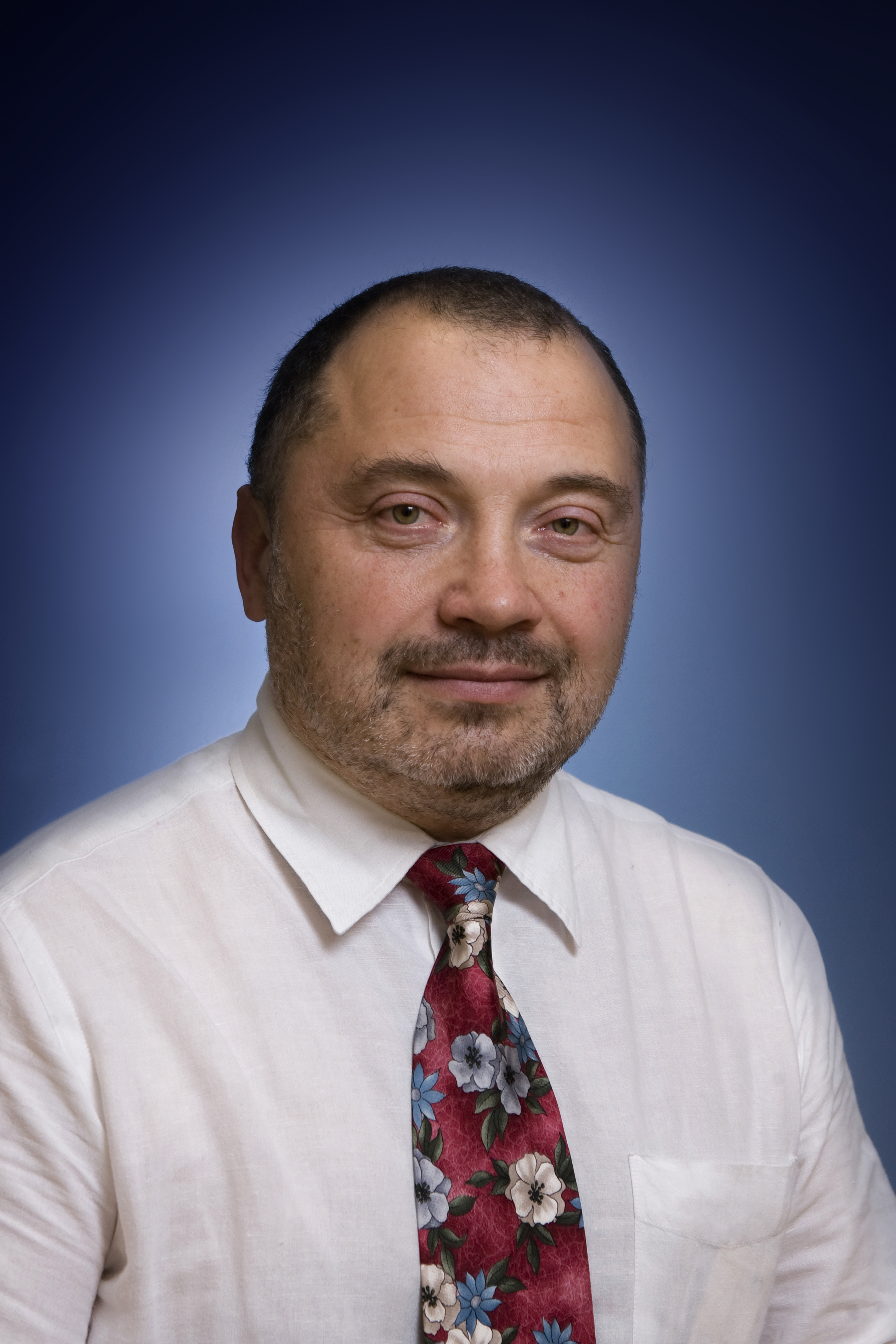
Former Scholar-in-Residence, Society and Regions Program, Moscow Center
Nikolay Petrov was the chair of the Carnegie Moscow Center’s Society and Regions Program. Until 2006, he also worked at the Institute of Geography at the Russian Academy of Sciences, where he started to work in 1982.
Recent Work
Nikolay Petrov
Nikolay Petrov
Carnegie does not take institutional positions on public policy issues; the views represented herein are those of the author(s) and do not necessarily reflect the views of Carnegie, its staff, or its trustees.

With the growth in points of friction between the great powers, organizations like the SCO will continue to play a role in the strategic adaptation of the smaller powers caught between them.

Temur Umarov

Xi, Putin, and other regional leaders are back-slapping in Bishkek, but the SCO has yet to answer the most serious questions about continental Asia's economic future.

Evan A. Feigenbaum
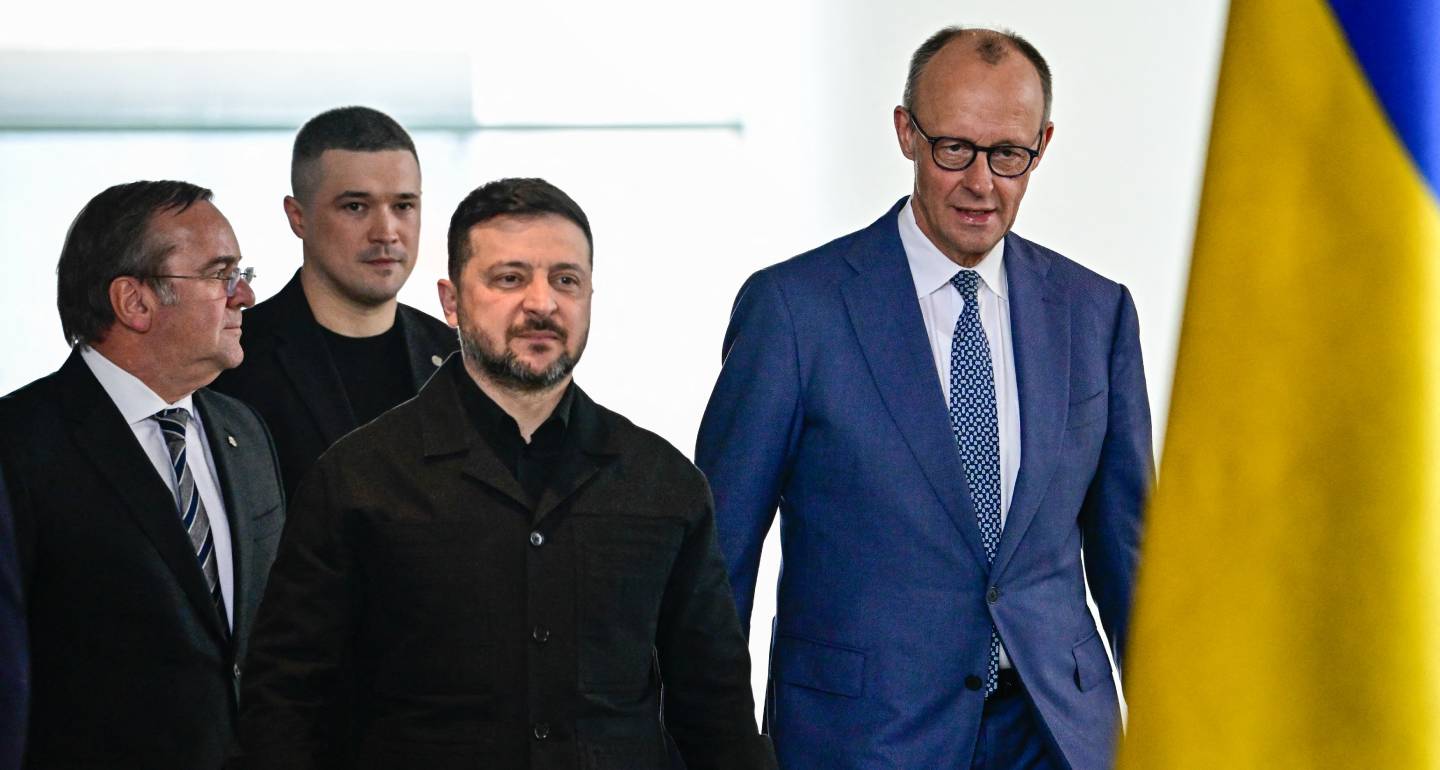
The greater threat to Zelensky comes not from Fedorov alone, but from the convergence between the former defense minister’s political campaign and the anti-corruption investigations moving ever closer to the presidential administration.

Balázs Jarábik
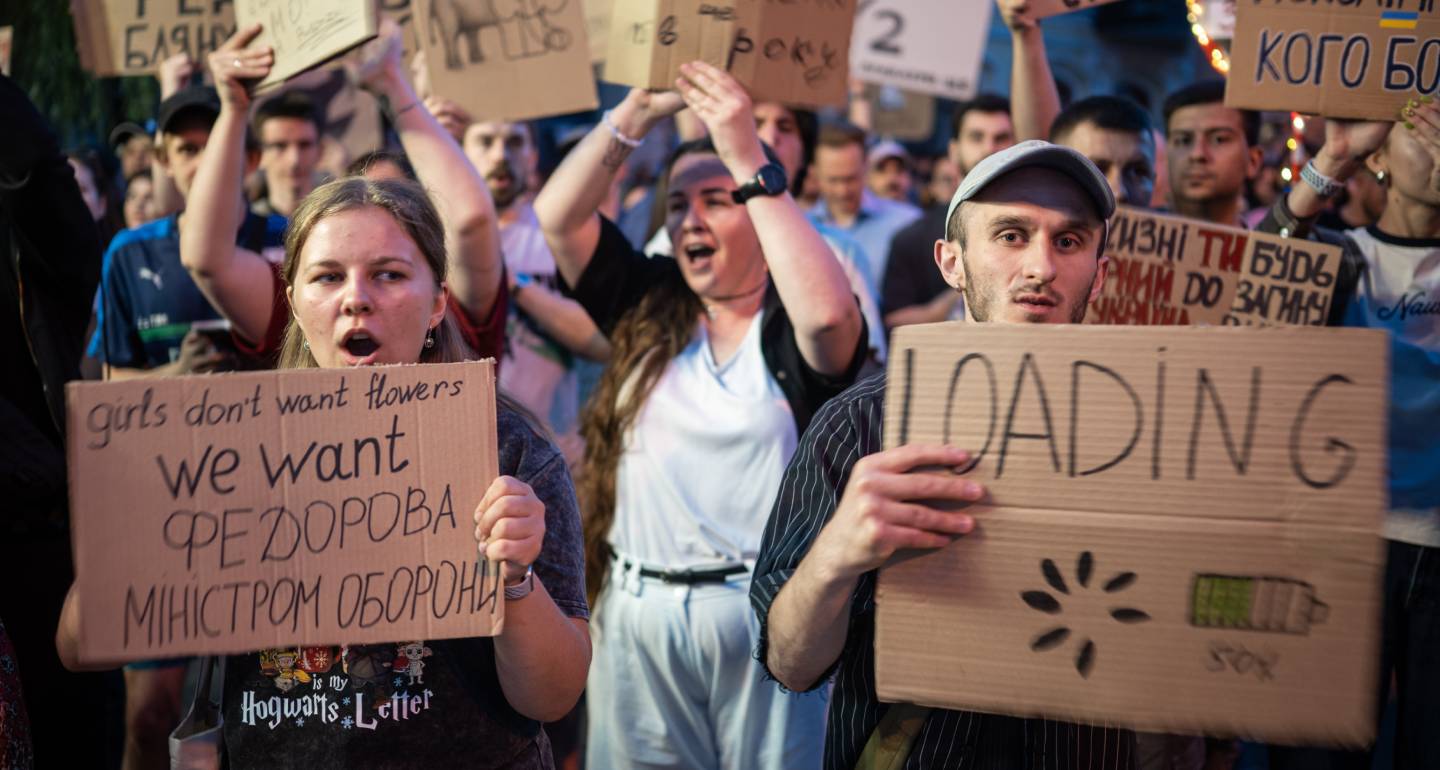
With his public call for new elections in Ukraine, ex-defense minister Mykhailo Fedorov has opened Pandora’s box.

Konstantin Skorkin
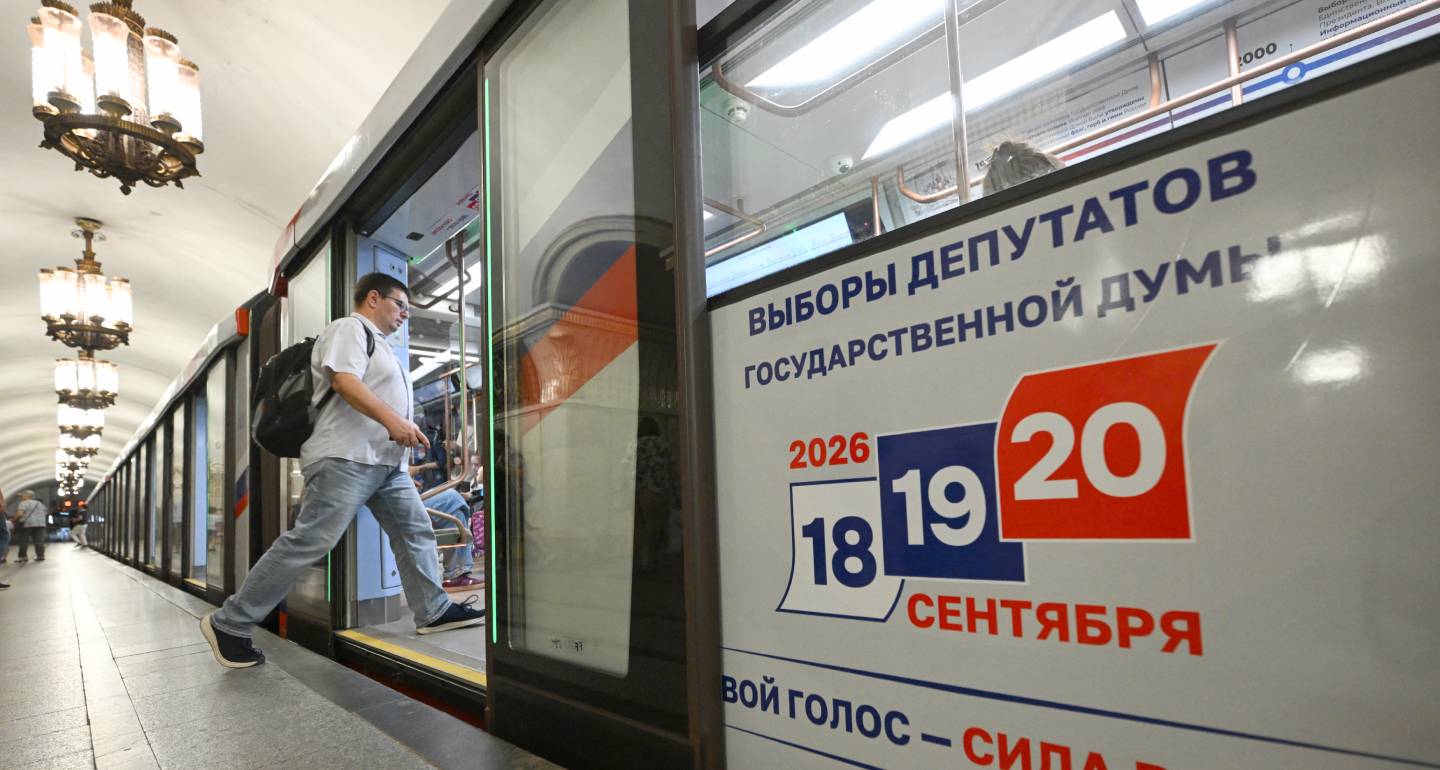
In the discussions made possible by the State Duma election campaign, one question is being asked more and more loudly. “What next?”

Andrey Pertsev