

Q&A
Christopher Boucek
{
  "authors": [
    "Christopher Boucek"
  ],
  "type": "legacyinthemedia",
  "centerAffiliationAll": "dc",
  "centers": [
    "Carnegie Endowment for International Peace",
    "Malcolm H. Kerr Carnegie Middle East Center"
  ],
  "collections": [],
  "englishNewsletterAll": "menaTransitions",
  "nonEnglishNewsletterAll": "",
  "primaryCenter": "Carnegie Endowment for International Peace",
  "programAffiliation": "MEP",
  "programs": [
    "Middle East"
  ],
  "projects": [],
  "regions": [
    "North America",
    "United States",
    "Middle East",
    "Saudi Arabia",
    "Yemen",
    "Egypt",
    "Gulf",
    "Levant",
    "Maghreb"
  ],
  "topics": [
    "Security",
    "Political Reform",
    "Military",
    "Foreign Policy"
  ]
}
Source: Getty
The resurgence of al-Qaeda in Yemen and around the world demands a comprehensive counterterrorism approach. In order to combat al-Qaeda and similar groups, the international community must focus on capacity building in weak states and de-radicalization programs.
Source: The Diane Rehm Show

For many years, the U.S.-Yemeni relationship was solely focused on security, largely to the detriment of both Yemen and the United States. However, in the last six months increased attention has been paid not only to the security concerns Yemen faces, but also the abject economic privations the country faces. Moreover, the multitude of Yemeni detainees in Guantanamo Bay presents a challenge for the administration. Without an established rehabilitation program, like the one in Saudi Arabia, recidivism rates for detainees will be markedly high. Programs that take a comprehensive approach to counterterrorism are needed to ensure that former detainees do not reintegrate into extremist organizations.
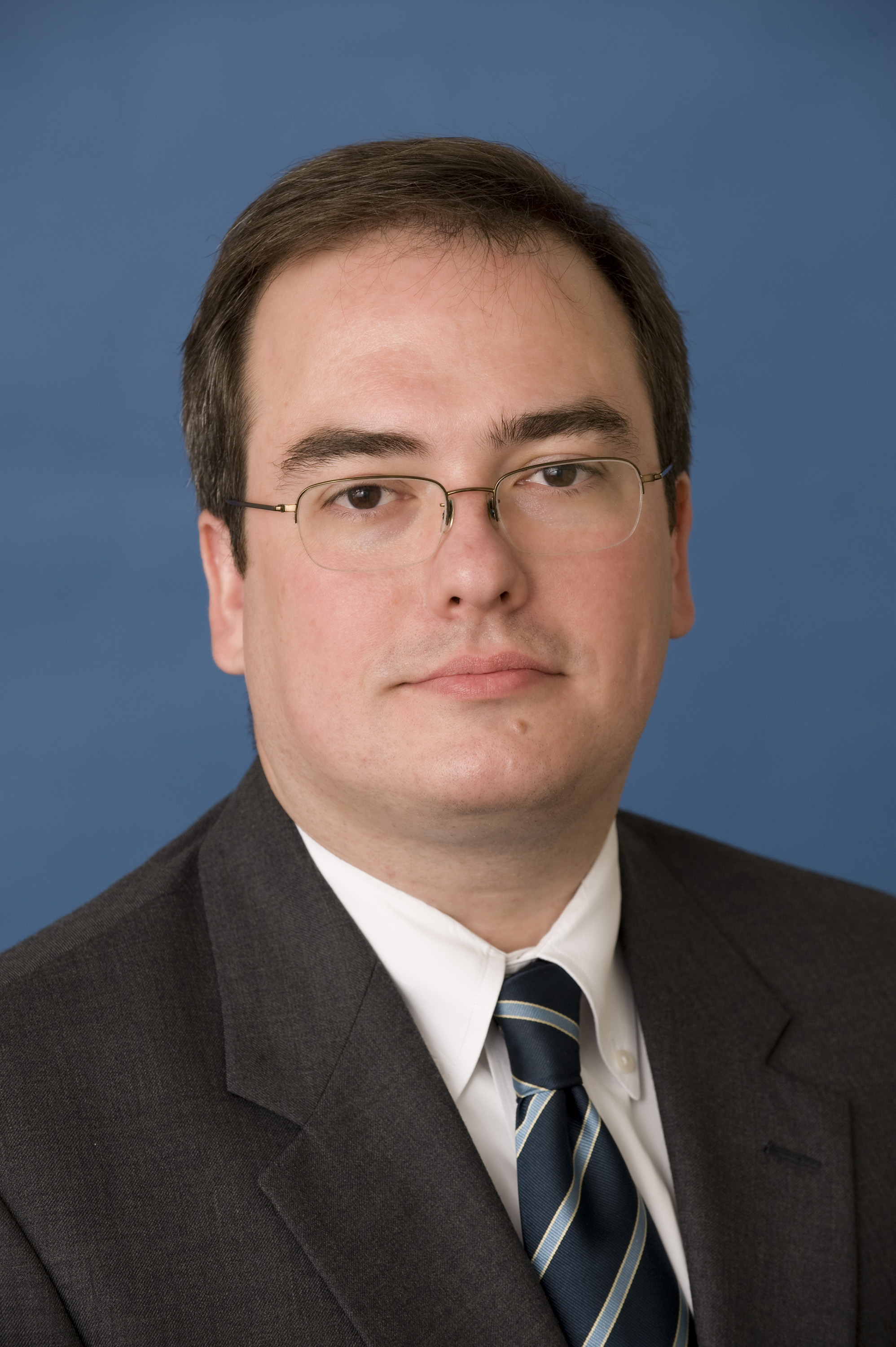
Former Associate, Middle East Program
Boucek was an associate in the Carnegie Middle East Program where his research focused on security challenges in the Arabian Peninsula and Northern Africa.
Recent Work
Christopher Boucek

Christopher Boucek, Karim Sadjadpour
Carnegie does not take institutional positions on public policy issues; the views represented herein are those of the author(s) and do not necessarily reflect the views of Carnegie, its staff, or its trustees.

In Egypt’s dense cities, the disappearance of foliage has health implications and punishes daily commuters.

Angie Omar
It should address the shortcomings of previous crisis communication efforts and adapt to the demands of frontier AI.

Lucy Luo

If the Russian-speaking community in Latvia cannot articulate their interests without being seen as disloyal, they could end up embracing a pro-Kremlin agenda.

Sergejs Potapkins
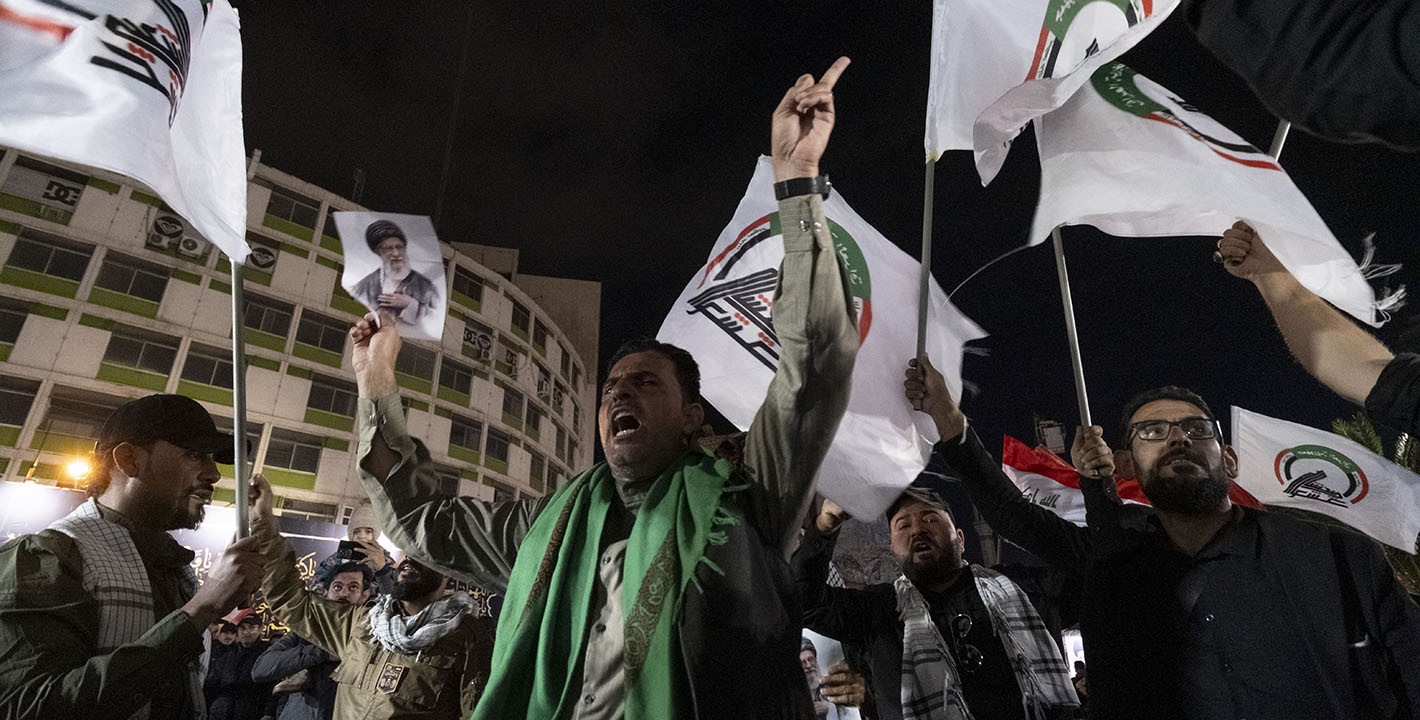
The Zaidi government’s objective to collect weapons is constrained by regional conflict, but it can take certain measures at home.
Ali Al-Mawlawi
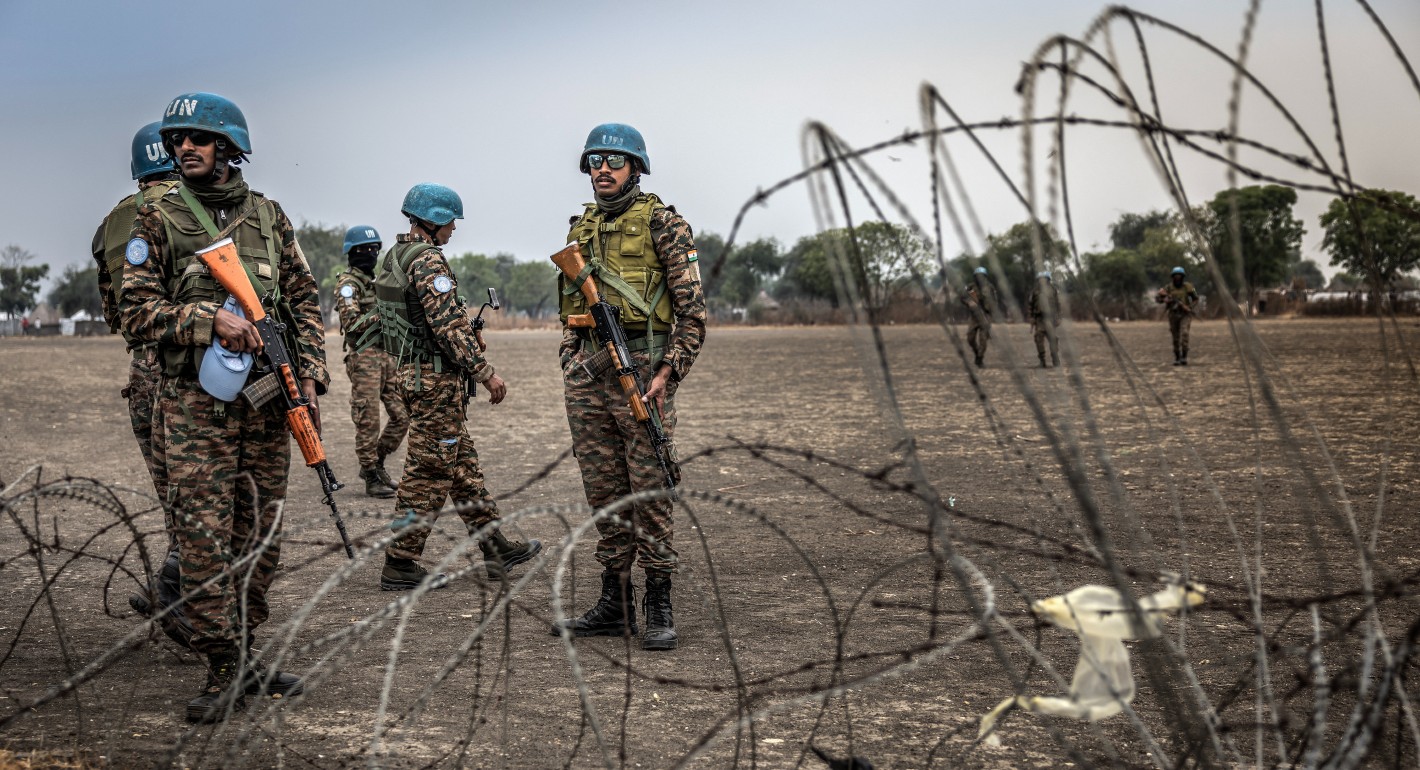
Washington’s decision to support some UN functions while letting others wither is pulling the organization apart at the seams.

Stewart Patrick, Theodore Zaritsky