

Commentary
Washington’s transactional foreign policy is making it indistinguishable from Beijing’s, with consequential implications for African agency.
Jane Munga
{
  "authors": [],
  "type": "pressRelease",
  "centerAffiliationAll": "dc",
  "centers": [
    "Carnegie Endowment for International Peace",
    "Carnegie Europe",
    "Carnegie China",
    "Malcolm H. Kerr Carnegie Middle East Center"
  ],
  "collections": [],
  "englishNewsletterAll": "asia",
  "nonEnglishNewsletterAll": "",
  "primaryCenter": "Carnegie Endowment for International Peace",
  "programAffiliation": "AP",
  "programs": [
    "Asia"
  ],
  "projects": [],
  "regions": [
    "United States",
    "East Asia",
    "China",
    "Egypt",
    "Gulf",
    "Levant",
    "Maghreb",
    "Asia",
    "North America"
  ],
  "topics": [
    "Political Reform",
    "Security",
    "Economy",
    "Military",
    "Foreign Policy",
    "Domestic Politics"
  ]
}
REQUIRED IMAGE
The Carnegie Endowment announces the launch of the Carnegie–Tsinghua Center for Global Policy, a joint U.S.–China research center based at Tsinghua University in Beijing, China.
BEIJING, Apr 14—The Carnegie Endowment announced today the launch of the Carnegie–Tsinghua Center for Global Policy, a joint U.S.–China research center based at Tsinghua University in Beijing, China.
Making the announcement, Jessica T. Mathews, president of the Carnegie Endowment, said:
“The events of the last year have shown the urgent need for the United States and China to enhance understanding and cooperation on critical global issues. Whether effectively addressing climate change, nuclear security, or leading a global economic recovery, cooperation between the two countries is essential. I am delighted that Carnegie can play its part in developing that relationship through this new collaboration with the prestigious Tsinghua University. Our experts in Beijing will collaborate on these issues, and others, with their colleagues in Carnegie’s centers in Washington, Moscow, Beirut, and Brussels.
“We are lucky to have Paul Haenle lead Carnegie’s operation in Beijing as the director of the Carnegie–Tsinghua Center for Global Policy. Paul brings an important combination of on-the-ground knowledge and senior-level government policy expertise in China, as well as a distinguished academic background and more than twenty years of government experience working on international issues in the United States, Europe, the Middle East, and Asia.”
Shi Zhijin, deputy dean of Tsinghua University’s School of Humanities and Social Science said:
“The year 2010 is an eventful year for China and the world. This Carnegie–Tsinghua Center for Global Policy is definitely a very important symbol of friendship between China and the United States and will contribute to strengthening our mutual understanding on bilateral issues and on global issues around the world. We are, to some extent, writing a new history and will open a new window of looking at each other. It is a great mission for us and is also a fantastic co-journey for Carnegie and Tsinghua.”
Paul Haenle, who will direct the Carnegie–Tsinghua Center, said:
“It’s a privilege to join the Carnegie Endowment and lead its efforts in Beijing. I look forward to working with Carnegie’s global network of experts, as well as the leading Chinese scholars from Tsinghua University to enhance U.S. and Chinese understanding and help shape and influence policy in both countries.”
###
NOTES
EXPERTS IN BEIJING
Carnegie does not take institutional positions on public policy issues; the views represented herein are those of the author(s) and do not necessarily reflect the views of Carnegie, its staff, or its trustees.
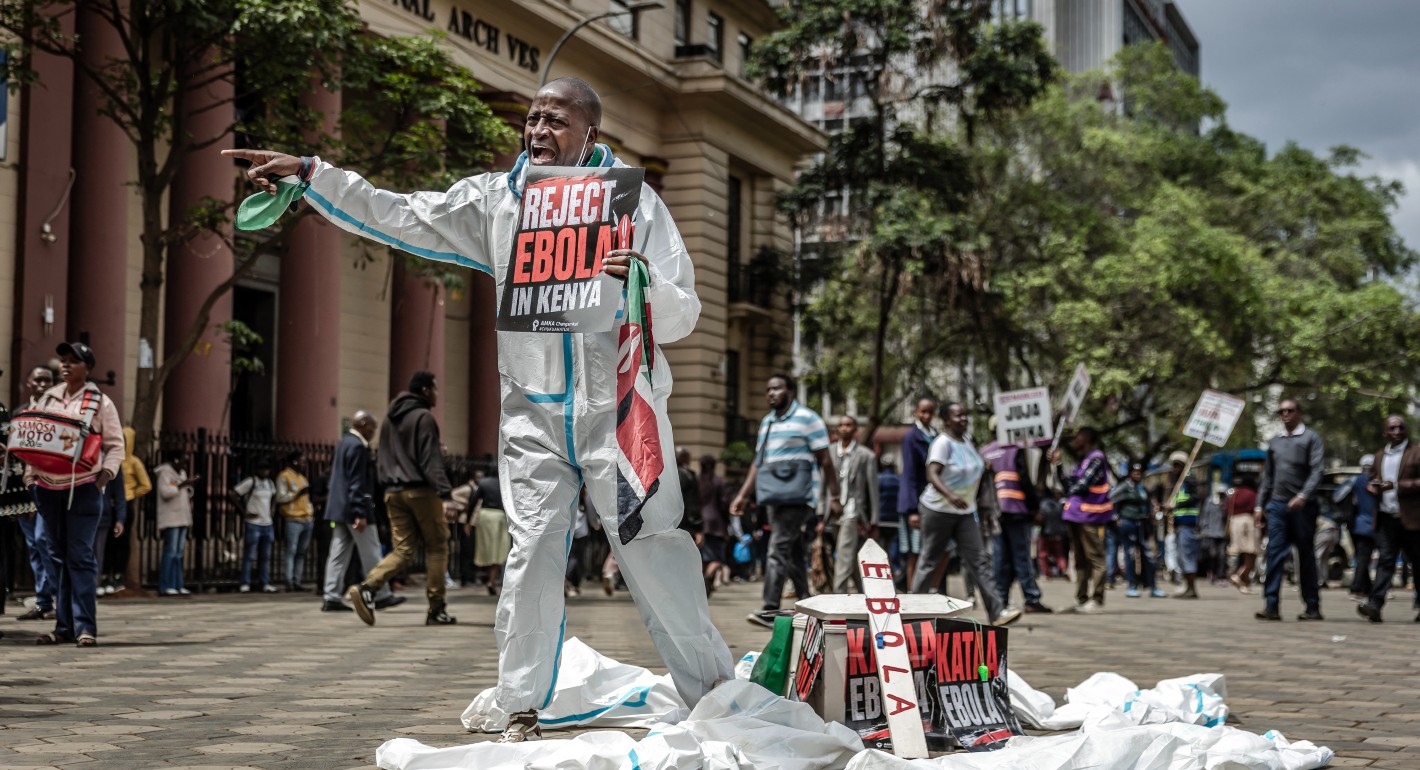
Washington’s transactional foreign policy is making it indistinguishable from Beijing’s, with consequential implications for African agency.
Jane Munga
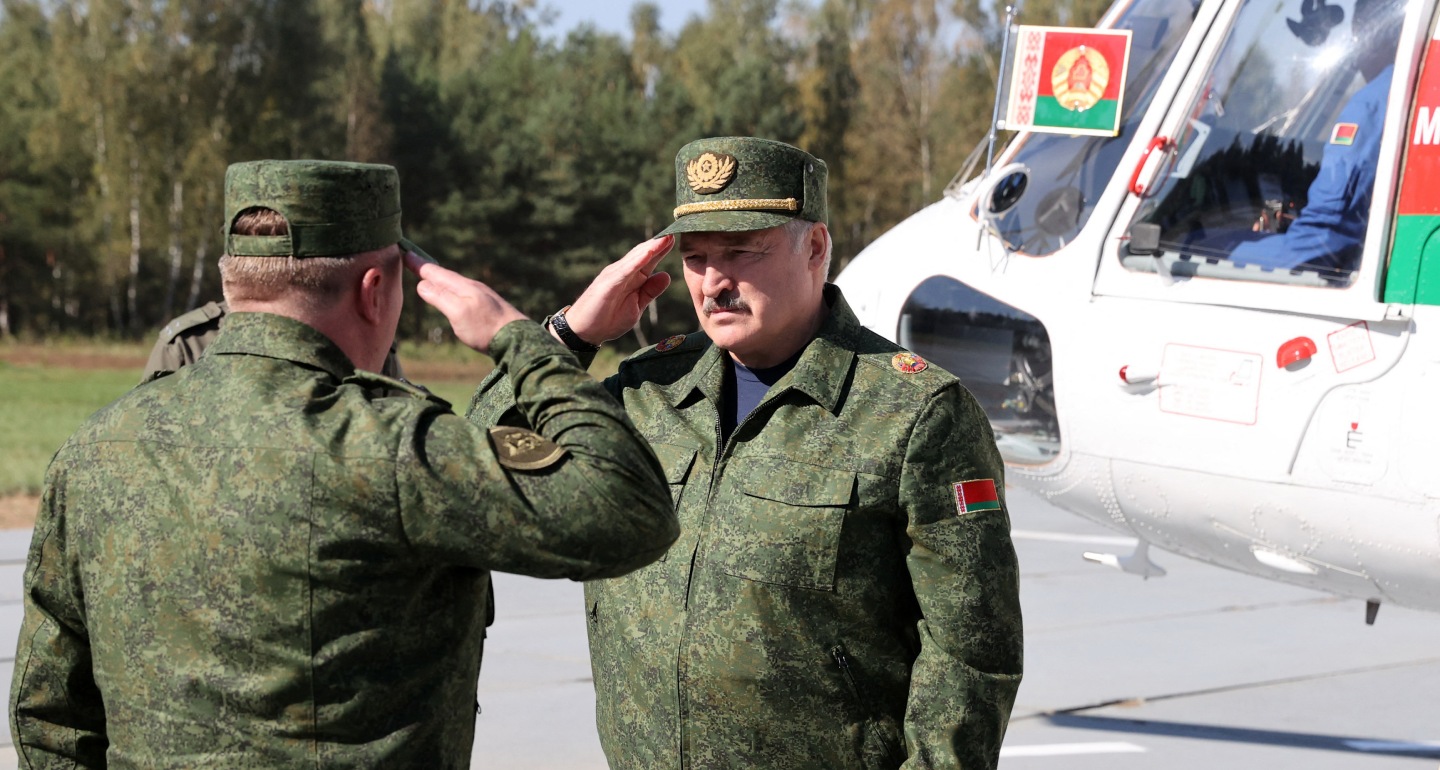
Ukraine’s increasingly confrontational posture on Belarus reflects Kyiv’s effort to shape the emerging regional order in Eastern Europe. Kyiv wants to limit European normalization with Minsk—and any future rapprochement with Russia.

Balázs Jarábik
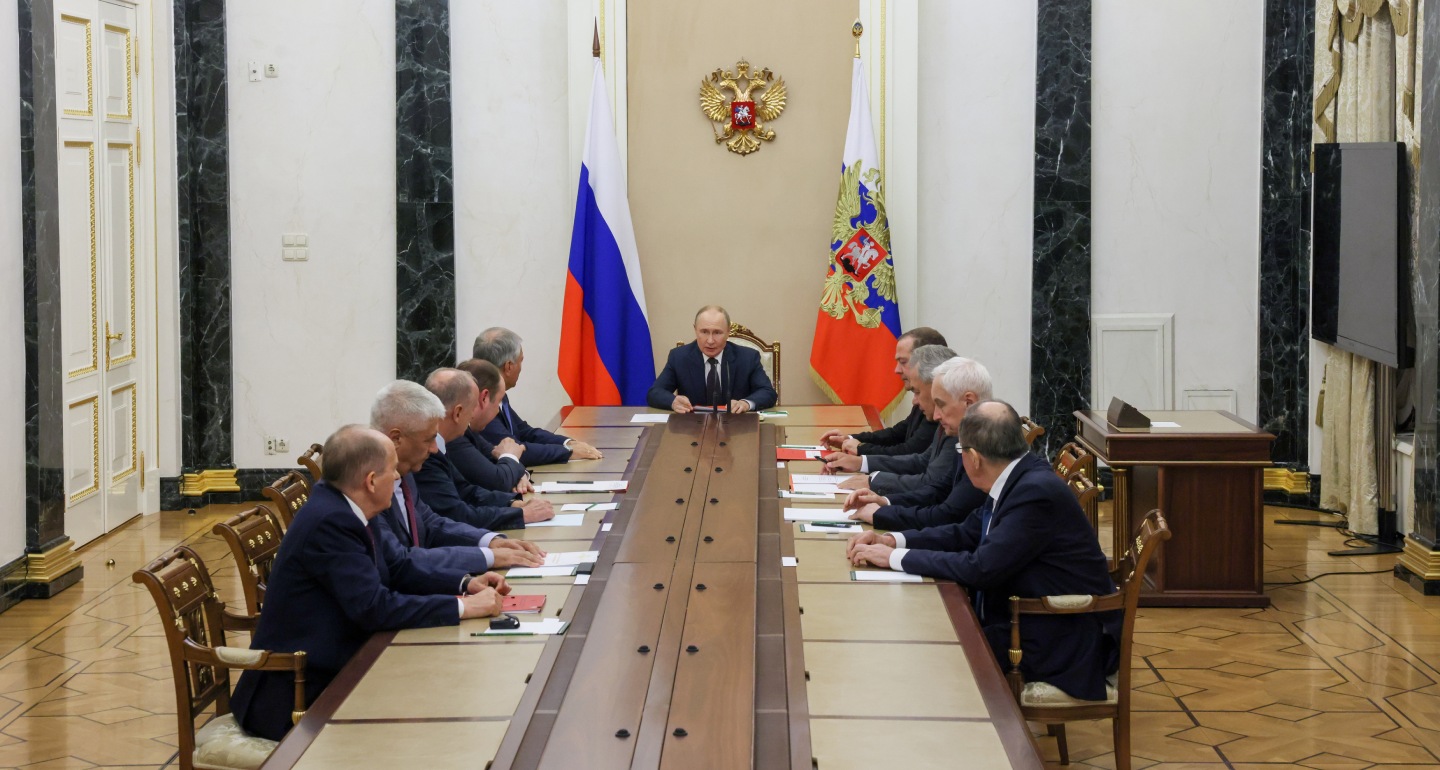
The ruling elites in contemporary Russia are not a political class, but a community of managers who are not subject to competition or public accountability. The state is becoming an operating apparatus without any internal autonomy.

Alexandra Prokopenko
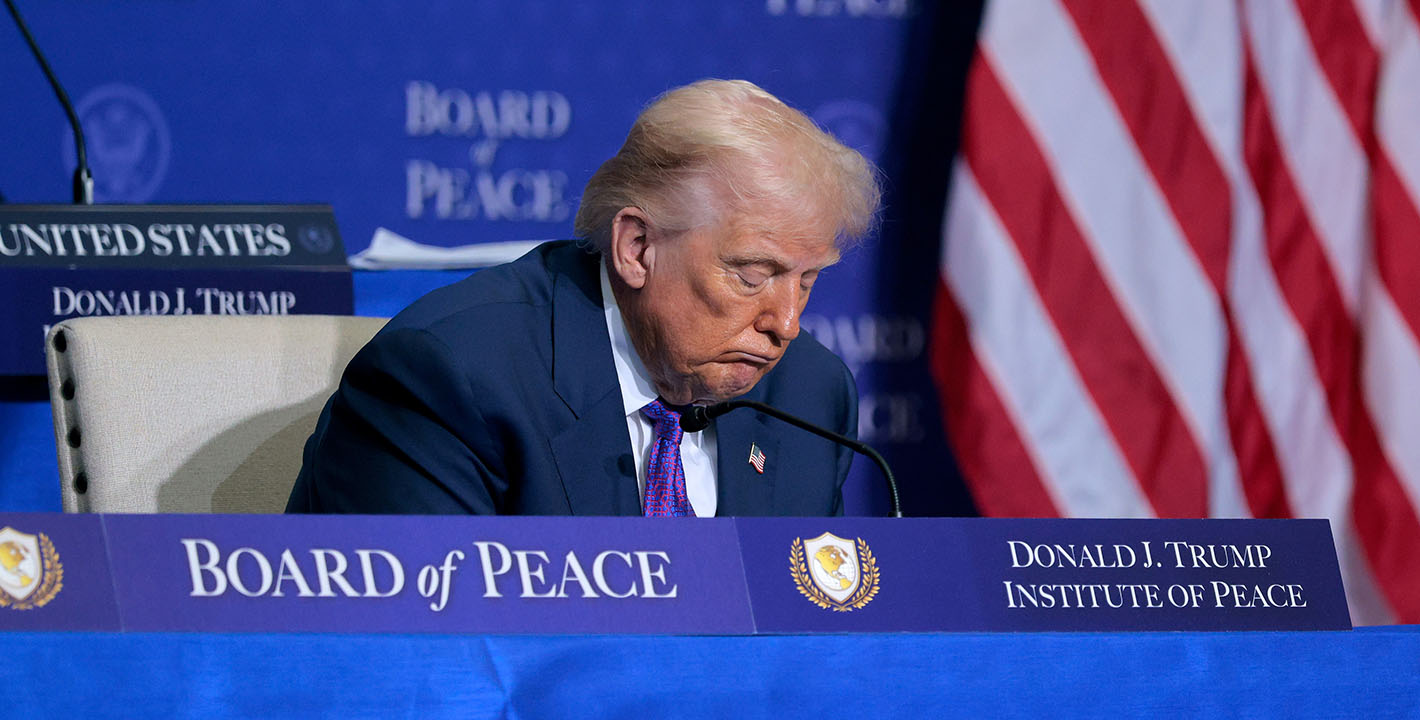
What is behind Marco Rubio’s announcement that the body is now an international nongovernmental organization?
Zaha Hassan
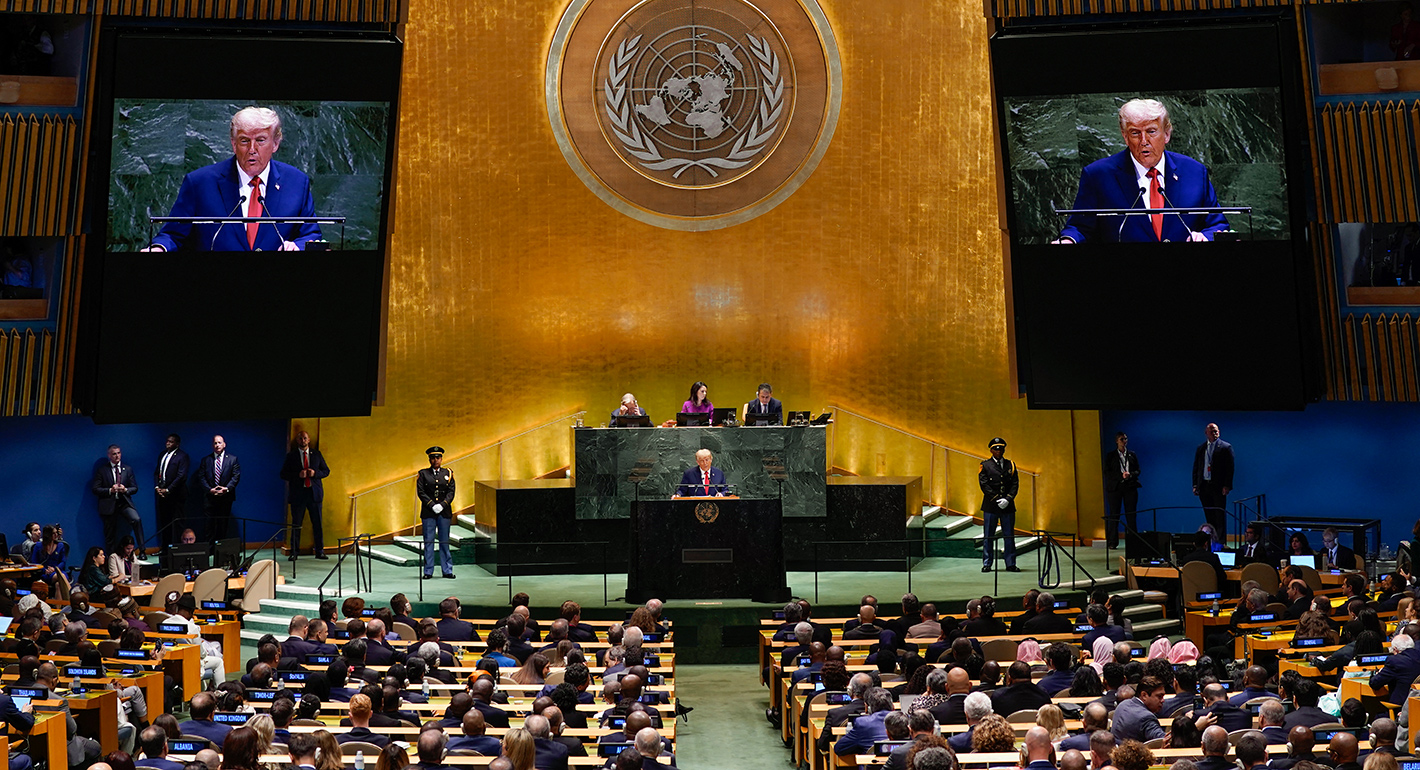
The conventional narrative of the second Trump administration simply repudiating multilateralism is incomplete. The record to date is far more mixed and varies across issue areas and institutions.

Gustavo Romero, Stewart Patrick