• Research
  • Emissary
  • About
  • Experts
Carnegie Global logoCarnegie lettermark logo
DemocracyIran
  • Donate
{
  "authors": [],
  "type": "pressRelease",
  "centerAffiliationAll": "dc",
  "centers": [
    "Carnegie Endowment for International Peace"
  ],
  "collections": [
    "U.S. Nuclear Policy",
    "Korean Peninsula"
  ],
  "englishNewsletterAll": "ctw",
  "nonEnglishNewsletterAll": "",
  "primaryCenter": "Carnegie Endowment for International Peace",
  "programAffiliation": "NPP",
  "programs": [
    "Nuclear Policy"
  ],
  "projects": [],
  "regions": [
    "United States",
    "Israel",
    "India",
    "Pakistan",
    "South Korea",
    "China",
    "Russia",
    "United Kingdom",
    "France"
  ],
  "topics": [
    "Foreign Policy",
    "Nuclear Policy",
    "Nuclear Energy"
  ]
}
REQUIRED IMAGE

REQUIRED IMAGE

Press Release

One Year After Prague: Assessing Obama’s Nuclear Agenda

In Prague, President Obama declared America’s commitment to seeking a world free of nuclear weapons. Obama’s vision has been misinterpreted by the right and the left and, more importantly, key countries have not done enough to help achieve progress. George Perkovich analyzes, country by country, reactions to Obama’s nuclear agenda.

Link Copied
Published on Apr 5, 2010
Program mobile hero image

Program

Nuclear Policy

The Nuclear Policy Program aims to reduce the risk of nuclear war. Our experts diagnose acute risks stemming from technical and geopolitical developments, generate pragmatic solutions, and use our global network to advance risk-reduction policies. Our work covers deterrence, disarmament, arms control, nonproliferation, and nuclear energy.

Learn More

WASHINGTON, Apr 5—A year ago in Prague President Obama declared America’s commitment to seeking a world free of nuclear weapons. Obama’s vision has been misinterpreted by the right and the left and, more importantly, key countries have not done enough to help achieve progress, concludes a new paper by George Perkovich that analyzes, country by country, reactions to Obama’s nuclear agenda. 

The landmark speech presented an agenda for nuclear disarmament, nonproliferation, and counterterrorism. Upcoming events—the results of the Nuclear Posture Review, the Nuclear Security Summit in Washington, the Non-Proliferation Treaty (NPT) Review Conference in New York, and the ratification of the new START treaty between the United States and Russia—will show whether other leaders in the United States and around the world are willing to join Obama.

Key Conclusions

  • The United States can’t do it alone. America alone cannot change the calculations of Russia, China, France, Israel, Pakistan, India, and North Korea—countries that balk at many, and in some cases all, of the steps required to begin abolishing nuclear arsenals. And key non–nuclear-weapon states passively resist necessary steps.  
  • Obama can’t do it alone in the United States. The president lacks sufficient help from his own Cabinet and leading congressional Democrats.
  • Eliminating nuclear arsenals requires stronger political and security ties. The elimination of nuclear arsenals must progress in a co-evolutionary process with improvements in political-security relations.  
  • More realistic defense strategies and capabilities are essential. NATO and Asian allies are uncertain over how to deploy more realistic methods to deter or redress today’s threats.

We have a “talented president ready to lead a long-term campaign to remove the existential threats posed by nuclear weapons, but as yet lacking sufficient colleagues and followers to make it happen,” writes Perkovich. “To get from here to there—from today’s world to one without nuclear weapons—requires a collection of leaders willing to do the unglamorous, complicated work of strengthening cooperation and rules one year at a time.”

###


NOTES

  • Click here to read the paper online
  • Perkovich profiles reactions to Obama's nuclear agenda by country

    Notes
     Russia

    Notes
     China

    Notes
     France

    Notes
     Israel

    Notes
     Pakistan

    Notes
     India

    Notes
     North Korea

    Notes
     United Kingdom

  • George Perkovich is vice president for studies and director of the Nuclear Policy Program at the Carnegie Endowment for International Peace. His research focuses on nuclear strategy and nonproliferation, with a focus on South Asia and Iran. He is co-editor of Abolishing Nuclear Weapons: A Debate (Carnegie Endowment, 2009).
  • The Carnegie Nuclear Policy Program is an internationally acclaimed source of expertise and policy thinking on nuclear industry, nonproliferation, security, and disarmament. Its multinational staff stays at the forefront of nuclear policy issues in the United States, Russia, China, Northeast Asia, South Asia, and the Middle East.
  • Press Contact: David Kampf, 202/939-2233, dkampf@ceip.org
Foreign PolicyNuclear PolicyNuclear EnergyUnited StatesIsraelIndiaPakistanSouth KoreaChinaRussiaUnited KingdomFrance

Carnegie does not take institutional positions on public policy issues; the views represented herein are those of the author(s) and do not necessarily reflect the views of Carnegie, its staff, or its trustees.
More Work from Carnegie Endowment for International Peace

  • Commentary
    Carnegie Politika
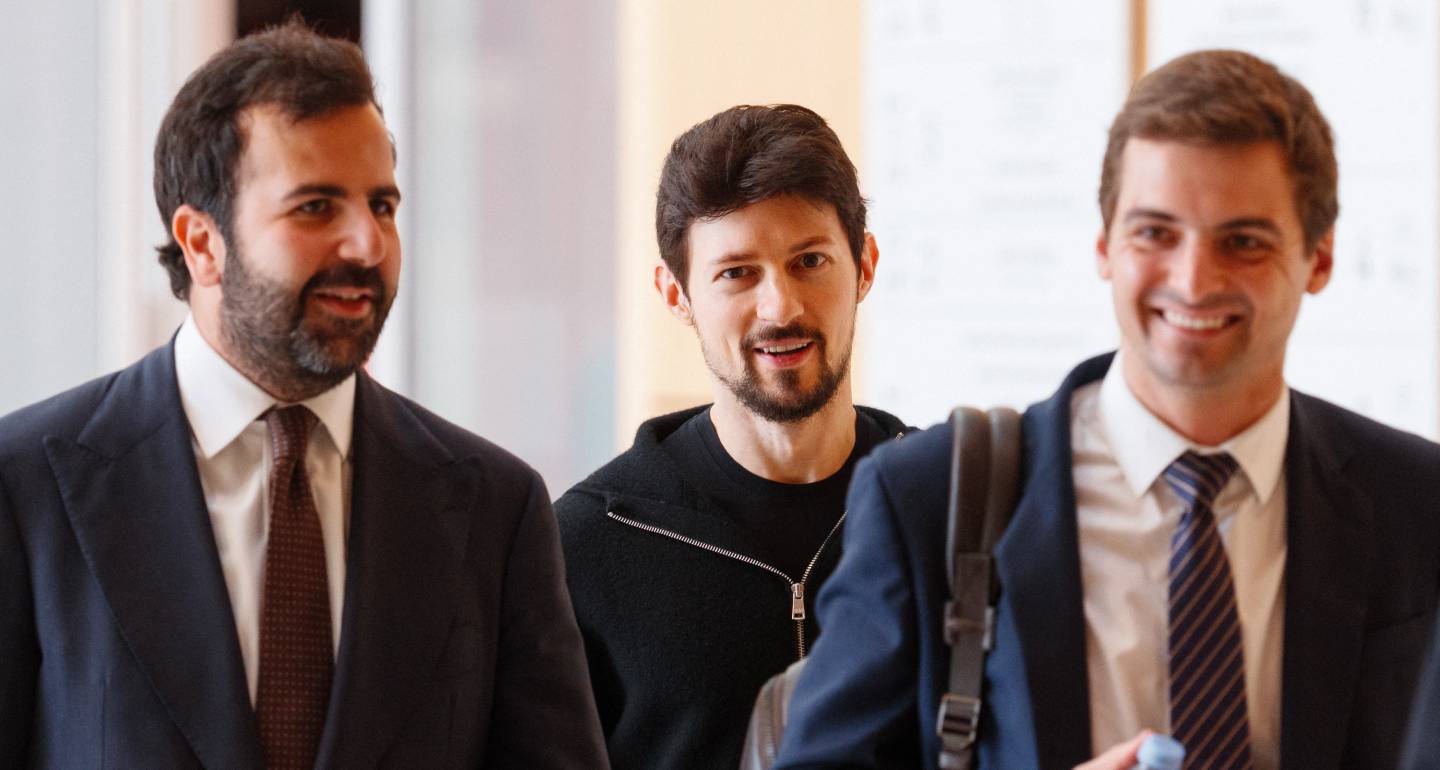
    Russia and the West Want Different Things From Telegram’s Durov

    While France and Australia are seeking to establish the legal obligations of messaging apps like Telegram, Russia wants total subordination.

      Maria Kolomychenko

  • Paper
    How to Engage with New Media: A Strategic Guide for Nonprofit Organizations

    To remain effective, organizations need to master new media and legitimacy markers to make a once-in-a-century shift.

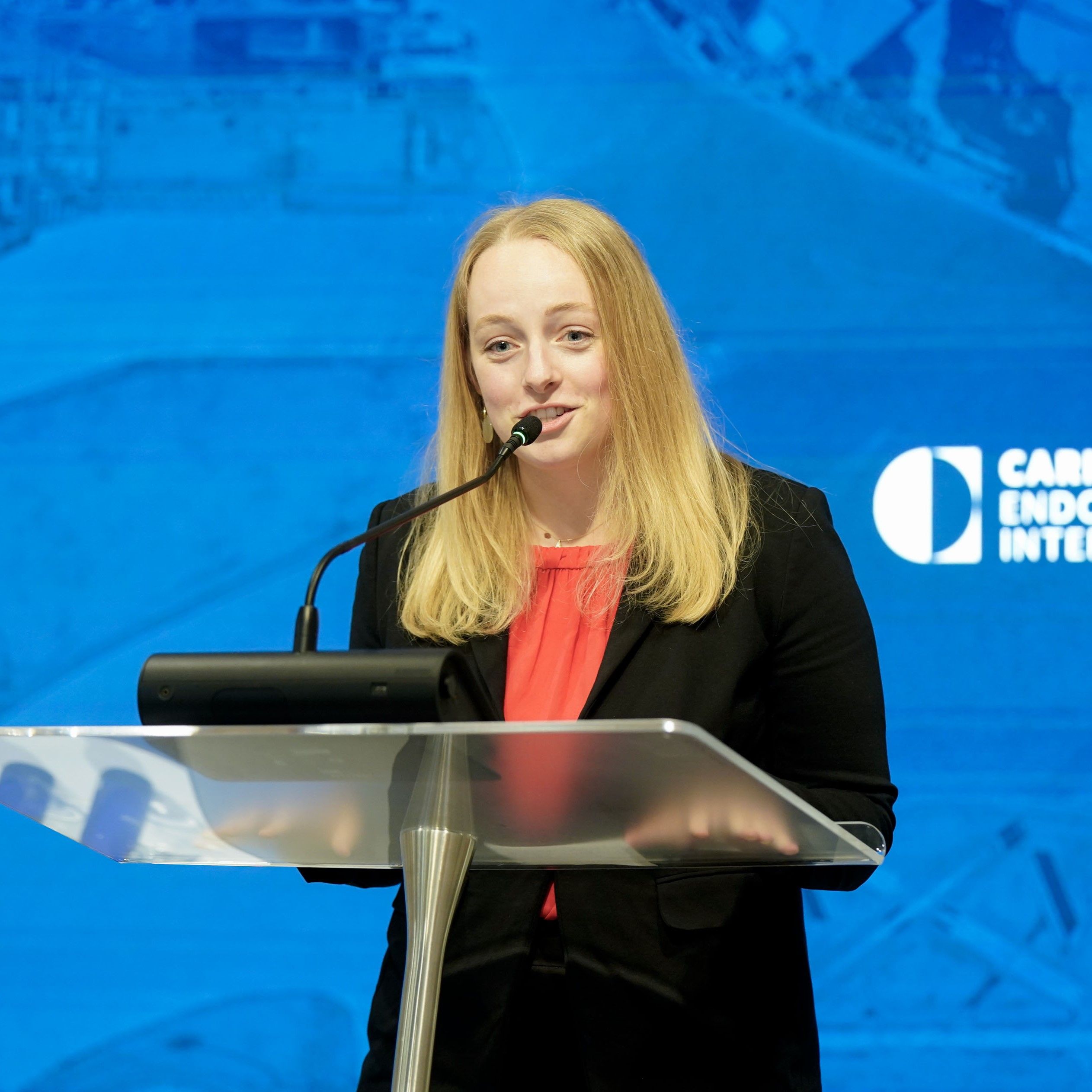
      Renée DiResta, Rachel Kleinfeld, Margot Treadwell

  • Overhead view of solar panels atop lush green fish ponds.
    Paper
    How the U.S. Export-Import Bank Can Finally Join the Fight Against Climate Change

    Congress needs to step up and make EXIM a low-carbon financing powerhouse.
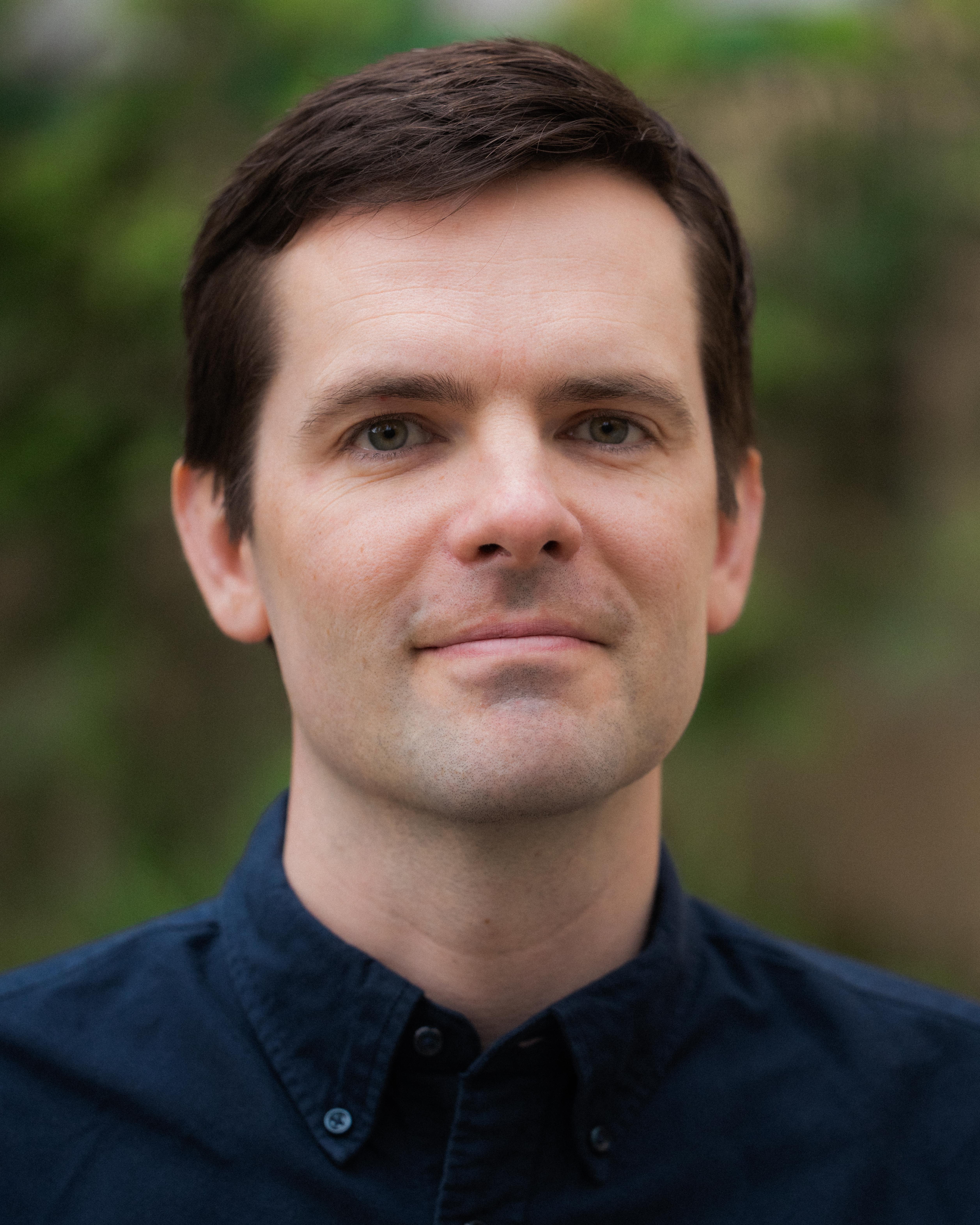
      Jesse Young
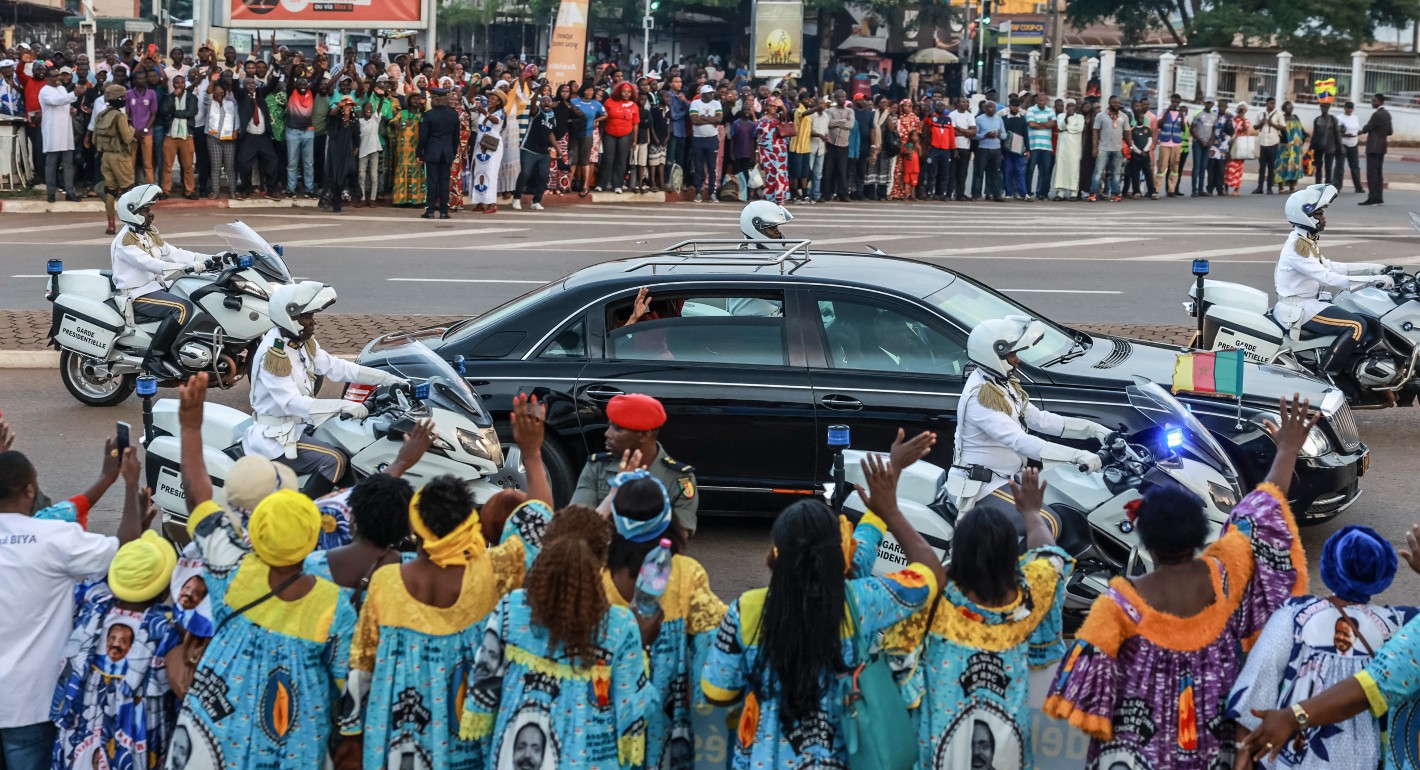
  • People waving to a passing car surrounded by motorcycles
    Commentary
    Emissary
    Cameroon’s President Went Abroad for Months. His Return Brought More Questions Than Answers.

    The ninety-three-year-old Biya’s absence and refusal to name a vice president threaten to upend domestic and regional stability.

      • Dr. Lesley Anne Warner

      Lesley Anne Warner

  • Commentary
    Carnegie Politika
    Russia’s Orthodox Church Rewrites Rules for Venerating Saints to Help the Kremlin

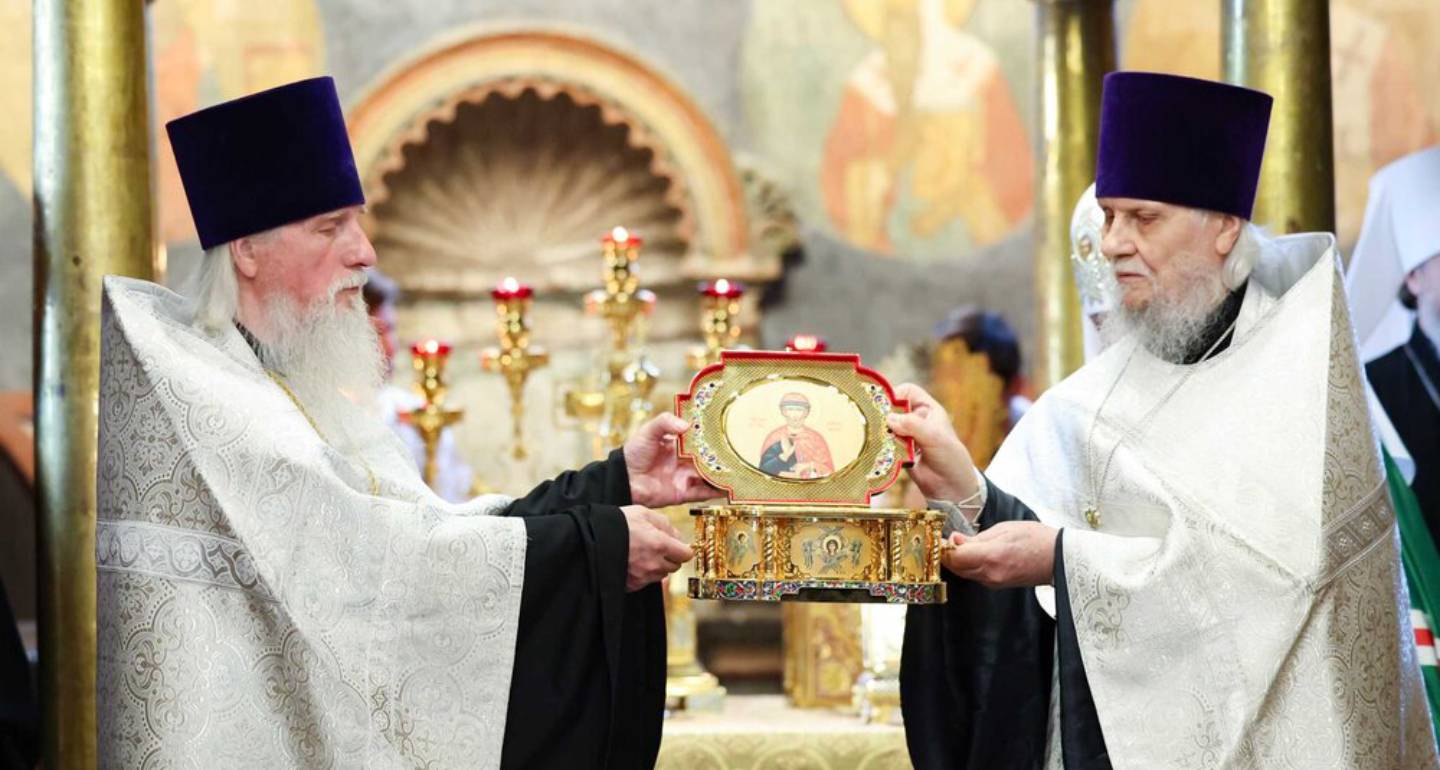
    The recent uncovering of Dmitry Donskoy’s relics in the Cathedral of the Archangel is yet another attempt by the Russian Orthodox Church to help the state solve its problems. However, parroting the state’s version of Russian history leaves the Church with no message except “patriotism.”
      Alexander Zanemonets

Get more news and analysis from
Carnegie Endowment for International Peace
Carnegie global logo, stacked
1779 Massachusetts Avenue NWWashington, DC, 20036-2103Phone: 202 483 7600
  • Research
  • Emissary
  • About
  • Experts
  • Donate
  • Programs
  • Events
  • Blogs
  • Podcasts
  • Contact
  • Annual Reports
  • Careers
  • Privacy
  • For Media
  • Government Resources
Get more news and analysis from
Carnegie Endowment for International Peace
© 2026 Carnegie Endowment for International Peace. All rights reserved.