

Commentary
Japan’s long-term security policy is driven by concerns about China, and there is little appetite for (or interest in) pursuing a confrontation with Moscow.
James D.J. Brown
{
  "authors": [
    "Taghreed El-Khodary",
    "Philip C. Wilcox Jr.",
    "Sarah Ferris",
    "Ellen Willmott"
  ],
  "type": "commentary",
  "centerAffiliationAll": "dc",
  "centers": [
    "Carnegie Endowment for International Peace"
  ],
  "collections": [],
  "englishNewsletterAll": "menaTransitions",
  "nonEnglishNewsletterAll": "",
  "primaryCenter": "Carnegie Endowment for International Peace",
  "programAffiliation": "MEP",
  "programs": [
    "Middle East"
  ],
  "projects": [],
  "regions": [
    "Middle East",
    "Israel",
    "Palestine"
  ],
  "topics": [
    "Security"
  ]
}
REQUIRED IMAGE
Under the control of Hamas and hemmed in by Israeli containment policies, the Gaza Strip continues to pose multiple challenges for humanitarian and reconstruction efforts as well as for broader U.S. strategic interests in the region.
Under the control of Hamas and hemmed in by Israeli containment policies, the Gaza Strip continues to pose multiple challenges for humanitarian and reconstruction efforts as well as for broader U.S. strategic interests in the region. The Gaza crisis has contributed to internal political rivalries among Palestinian factions and complicated Cairo’s efforts to advance Palestinian reconciliation talks. Does the U.S. administration’s current push for restarting negotiations require a united Palestinian partner? How can U.S. investments in Gaza be leveraged to secure progress on the ground while addressing U.S. security interests in the region? Does the path to peace go through Gaza or require a diplomatic detour?

Former Visiting Scholar, Heinrich Boell Fellow, Middle East Program
El-Khodary was a visiting scholar in the Middle East Program, where her research focused on the future of Gaza.
Philip C. Wilcox, Jr.
Foundation for Middle East Peace
Sarah Ferris
Mercy Corps
Ellen Willmott
Save the Children
Carnegie does not take institutional positions on public policy issues; the views represented herein are those of the author(s) and do not necessarily reflect the views of Carnegie, its staff, or its trustees.

Japan’s long-term security policy is driven by concerns about China, and there is little appetite for (or interest in) pursuing a confrontation with Moscow.

James D.J. Brown

Russia is testing the waters of NATO’s mutual defense clause. What do strikes in Romanian territorial waters mean for the alliance’s posture toward Moscow?

Dimitar Bechev
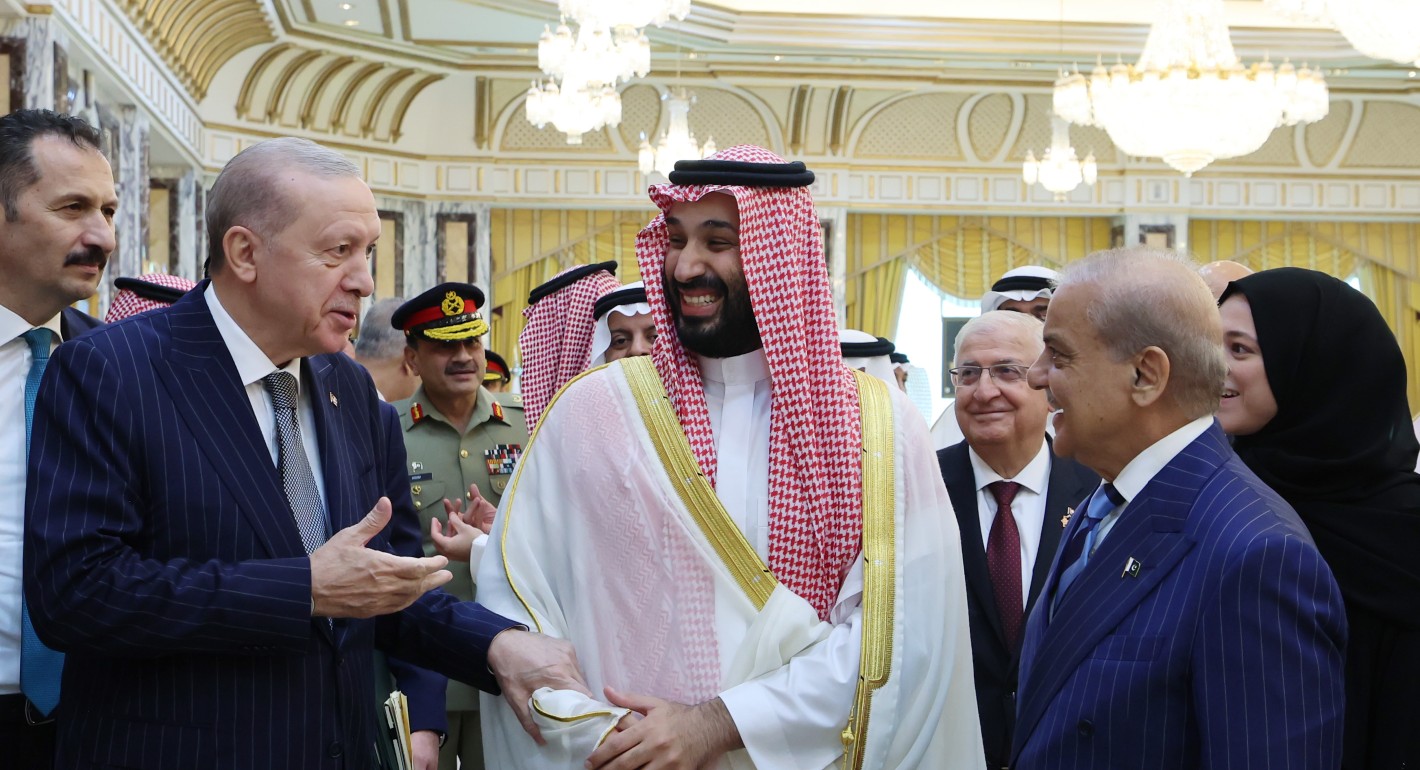
Why Pakistan, Saudi Arabia, and Turkey are joining forces on regional security.


Alper Coşkun, Amr Hamzawy

The truth of the strategic situation is that Europe and Russia are extremely unlikely to be able to “turn the page” on their confrontation within the next two decades.

Arkady Moshes

Protests in Iran follow a similar pattern: Economic grievances turn into political protests that spread nationwide. But increased state repression has begun to shift the arrangement.

Eric Lob