• Research
  • Emissary
  • About
  • Experts
Carnegie Global logoCarnegie lettermark logo
DemocracyIran
  • Donate
{
  "authors": [
    "Kelima V. Yakupova"
  ],
  "type": "legacyinthemedia",
  "centerAffiliationAll": "dc",
  "centers": [
    "Carnegie Endowment for International Peace",
    "Carnegie Russia Eurasia Center"
  ],
  "collections": [],
  "englishNewsletterAll": "ctw",
  "nonEnglishNewsletterAll": "",
  "primaryCenter": "Carnegie Endowment for International Peace",
  "programAffiliation": "russia",
  "programs": [
    "Russia and Eurasia"
  ],
  "projects": [
    "Eurasia in Transition"
  ],
  "regions": [
    "Central Asia",
    "Kyrgyz Republic"
  ],
  "topics": [
    "Political Reform",
    "Democracy",
    "Economy",
    "Security"
  ]
}
Source: Getty

In The Media

Kyrgyzstan's New Window of Opportunity

Lasting change eluded Kyrgyzstan in 2005 when Bakiyev came to power. Now that his regime has collapsed, the new leaders will have to work hard to earn back the trust of the Kyrgyz people.

Link Copied
By Kelima V. Yakupova
Published on May 3, 2010
Program mobile hero image

Program

Russia and Eurasia

The Russia and Eurasia Program continues Carnegie’s long tradition of independent research on major political, societal, and security trends in and U.S. policy toward a region that has been upended by Russia’s war against Ukraine.  Leaders regularly turn to our work for clear-eyed, relevant analyses on the region to inform their policy decisions.

Learn More
Project hero Image

Project

Eurasia in Transition

Learn More

Source: Common Ground News Service

Kyrgyzstan's New Window of OpportunityAfter resigning in the wake of bloody anti-government protests that left 86 dead and more than 1,500 wounded, the exiled former President of Kyrgyzstan Kurmanbek Bakiyev told reporters in Belarus last month that he was still the country’s legitimate leader. The United Nations, United States, Russia, Kazakhstan and European countries, however, have brokered a deal for Bakiyev’s resignation, recognising an interim government chaired by Kyrgyz opposition leader Roza Otunbayeva in the hopes of returning Kyrgyzstan to a democratic course.

Kyrgyzstan, a majority-Muslim, central Asian republic, has endured two coup d’états in the last five years. The first, the Tulip Revolution in March 2005, led to the downfall of the country’s first post-Soviet president, Askar Akayev, whose 15 years in power ended amidst charges of corruption, nepotism and cronyism, and brought Bakiyev to power. 
 
During the past several years, Bakiyev took the regime in an increasingly authoritarian direction, and on 7 April Scarlet Revolution protesters in Bishkek and several other cities rose up to drive yet another head of state from power.
 
Though lasting change eluded Kyrgyzstan in 2005, the Kyrgyz people now have an opportunity to ensure that history does not repeat itself. 
 
The head of the interim government, Otunbayeva, has been active in Kyrgyz politics since 1981, serving as the USSR’s emissary to UNESCO and ambassador to Malaysia, the United Kingdom and the United States. In keeping with their promises to restore democracy in Kyrgyzstan, the three major opposition parties have reached a consensus to build a parliamentary state without the domination of any one individual. With Bakiyev out, and support from the major international powers, they have a unique opportunity to lead the country to economic recovery and representative government. 
 
But the provisional government and its elected successor will have to work hard to earn back the trust of the Kyrgyz people.
 
Thanks in part to the Internet, which has made it easier for young Kyrgyz to form civil associations and keep one another informed, the Kyrgyz people have become more aware of government corruption. They watched as Bakiyev appointed members of his family to significant political positions and enjoyed the lion’s share of US government largesse in exchange for the use of the air base at Manas, a vital resupply point in the war in Afghanistan.
 
Several times in the past two months, thousands have taken to the streets of major Kyrgyz cities to demand the release of political prisoners and an end to the government’s harassment of the media: more than 60 journalists have been attacked since 2006, and at least two murdered. After electricity fees increased by 200 per cent, and heat by 400 per cent over the winter, protesters demanded reductions in utility costs and called for Bakiyev’s son, Maksim – accused of embezzling at least $35 million from a Russian loan – to leave the country.
 
Political activism does not come naturally to the Kyrgyz. Even after gaining their independence from the Soviet Union in 1991, they had a lingering fear of repression, little independent media, limited political speech and, above all, a lack of faith that citizen participation could bring about significant reforms.
 
However, recent events have encouraged dissatisfied citizens that public dissent is necessary and could be effective in the current climate. The Kyrgyz people must continue to press the provisional government to appoint public officials transparently and restart key institutions, including the constitutional court. 
 
To address the country’s most pressing challenges, the new government will have to develop a commitment to protect freedom of speech and an independent media, as well as a long-term plan to jumpstart the economy, alleviate poverty and create new employment opportunities, which would provide a constructive opportunity for frustrated and unemployed youth.
 
Kyrgyzstan’s Scarlet Revolution has not yet put an end to the country’s cycle of turmoil. But thanks to the actions of Otunbayeva and her colleagues in the new government, and the many citizens who have taken to the streets to demand a say in how it makes its decisions, the people of Kyrgyzstan have reason to believe that this time change is actually in the works.


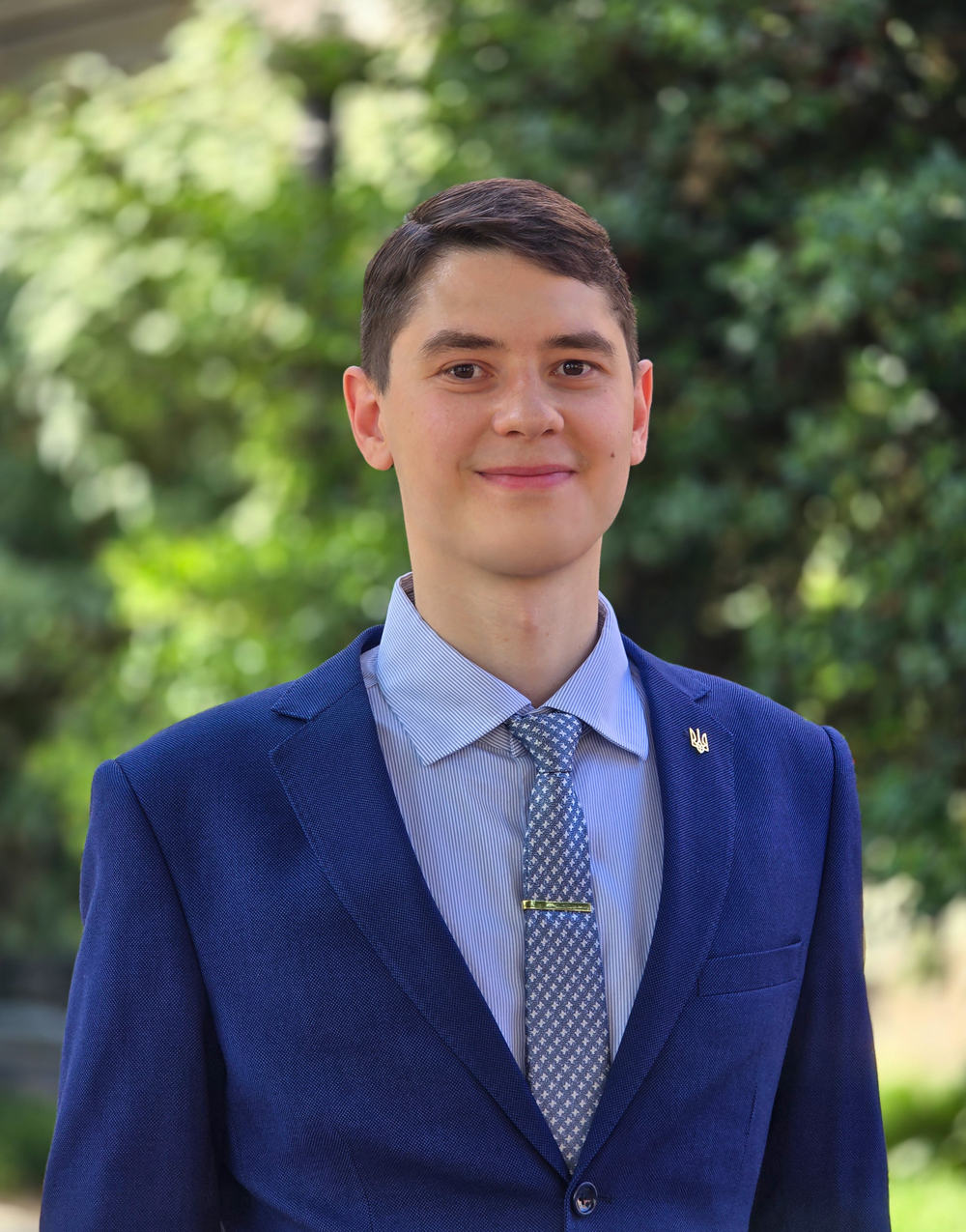
Kelima Yakupova is a Kyrgyz national and Junior Fellow of the Russia and Eurasia Program at the Carnegie Endowment for International Peace. This article was written for the Common Ground News Service (CGNews).

About the Author

Kelima V. Yakupova

Kelima V. Yakupova
Political ReformDemocracyEconomySecurityCentral AsiaKyrgyz Republic

Carnegie does not take institutional positions on public policy issues; the views represented herein are those of the author(s) and do not necessarily reflect the views of Carnegie, its staff, or its trustees.

More Work from Carnegie Endowment for International Peace

  • One man tossing a sack to another to stack on a truck
    Commentary
    Emissary
    The Other Global Crisis Stemming From the Strait of Hormuz’s Blockage

    Even if the Iran war stops, restarting production and transport for fertilizers and their components could take weeks—at a crucial moment for planting.

      • Noah  Gordon ​​​​

      Noah Gordon, Lucy Corthell

  • Commentary
    Strategic Europe
    Taking the Pulse: Is France’s New Nuclear Doctrine Ambitious Enough?

    French President Emmanuel Macron has unveiled his country’s new nuclear doctrine. Are the changes he has made enough to reassure France’s European partners in the current geopolitical context?

      • Rym Momtaz

      Rym Momtaz, ed.

  • Commentary
    The Iran War’s Dangerous Fallout for Europe

    The drone strike on the British air base in Akrotiri brings Europe’s proximity to the conflict in Iran into sharp relief. In the fog of war, old tensions in the Eastern Mediterranean risk being reignited, and regional stakeholders must avoid escalation.

      Marc Pierini

  • Heavily armed security personnel standing atop an armored vehicle
    Commentary
    Emissary
    When Do Mass Protests Topple Autocrats?

    The recent record of citizen uprisings in autocracies spells caution for the hope that a new wave of Iranian protests may break the regime’s hold on power.

      • McKenzie Carrier

      Thomas Carothers, McKenzie Carrier

  • Commentary
    Strategic Europe
    The EU Needs a Third Way in Iran

    European reactions to the war in Iran have lost sight of wider political dynamics. The EU must position itself for the next phase of the crisis without giving up on its principles.

      Richard Youngs

Get more news and analysis from
Carnegie Endowment for International Peace
Carnegie global logo, stacked
1779 Massachusetts Avenue NWWashington, DC, 20036-2103Phone: 202 483 7600Fax: 202 483 1840
  • Research
  • Emissary
  • About
  • Experts
  • Donate
  • Programs
  • Events
  • Blogs
  • Podcasts
  • Contact
  • Annual Reports
  • Careers
  • Privacy
  • For Media
  • Government Resources
Get more news and analysis from
Carnegie Endowment for International Peace
© 2026 Carnegie Endowment for International Peace. All rights reserved.