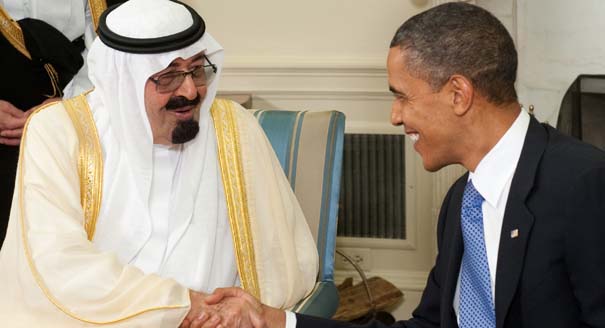
A year ago in a landmark speech in Cairo on June 4, President Obama called for a new beginning in America’s relations with the Muslim world. Acknowledging the deep divisions between the United States and Muslims around the world, Obama sketched out a future defined by cooperation and partnership—instead of mistrust and tension—to confront shared challenges.
In a video Q&A, Marina Ottaway analyzes U.S. ties with the Middle East and what steps President Obama should take moving forward. Ottaway says that while Obama’s words created fresh hope for better relations, the results are not yet apparent on the ground. There is evidence that President Obama is becoming more personally involved, but “we haven’t seen results or the emergence of a clear policy.”
How was Obama’s message received?
Obama’s message in the Cairo speech was extremely well received in the Middle East. It was still early in his presidency and it was a period in which Arab countries had great expectations for Obama.
In his speech in Egypt, he hit on all the right notes—the importance of change and democracy and calling for partnership and cooperation. Obama was not pushing or assuming the crusading attitude that the Bush administration did. So, the speech was very well received at that time—there was hope for a new beginning.
Has a hopeful start led to real progress?
Unfortunately, the hopeful start did not lead to real progress and there is in fact beginning to be quite a bit of skepticism in the Arab world. President Obama said the right things, but then nothing happened on the ground and there was no follow up in terms of a new initiative.
There is recognition in the Arab world that Obama was wrapped up in the health care debate and there is an understanding of why there was not more focus on the Middle East. But, there was still a great deal of disenchantment.
The growing cynicism is also brought about by the fact that a lot of people in the U.S. team dealing with the Middle East are related to previous administrations—there are a lot of old faces from the Bush administration. Essentially there was a contradiction between the announcement of a new policy, including the appointment of Senator Mitchell as special envoy to the Middle East, and on the other hand the carry over of people from the former administration.
Is U.S. policy moving in the right direction?
The Obama administration’s policy may be moving in the right direction, because President Obama himself is becoming more engaged in the policy. The policy drifted for a while, but Obama seems to be engaging personally and directly at this point. But we have not seen the results, nor have we seen a clear policy emerge.
How are the United States and President Obama perceived in the Middle East?
President Obama himself is still perceived very favorably. Although Arabs are somewhat disappointed that he has not moved faster, there is still a very positive perception of him. The United States, on the other hand, is not perceived as positively. The approval rating for the United States in the Arab world inched upward under the Obama presidency, but it’s still extremely low.
How strong are U.S. relations in the Middle East? How much influence does Washington maintain?
The United States enjoys strong relations with some countries in the Middle East. Of course Washington maintains a strong relationship with Israel, but even in terms of Arab countries, it has strong relations with Egypt and Saudi Arabia. On the other hand, it has shifting relations with other countries in the region. By in large, the United States is not in a particularly strong position in the Middle East right now.
Washington maintains influence in some countries—for example, Egypt. But the United States cannot force Arab countries to do what they don’t want to do. And at this point, the key for the United States to maintain influence is to show Arab countries that it’s willing to meet them at least halfway on the peace process.
Are there signs of convergence between the United States and Middle East?
One can’t talk about convergence between the United States and the Middle East, because the Middle East is not converging with itself. To some extent, there is convergence between the United States and Egypt, and there is some convergence between the United States and Saudi Arabia. These are both countries that are leery of Iran and willing to side with the United States in its policy towards Iran.
There is no convergence with Syria or even with a country like Qatar that is trying to establish good relations with all camps. Qatar wants to maintain good relations with the United States and Iran. So, convergence needs to be looked at country by country.
How important is the Israel-Palestinian conflict?
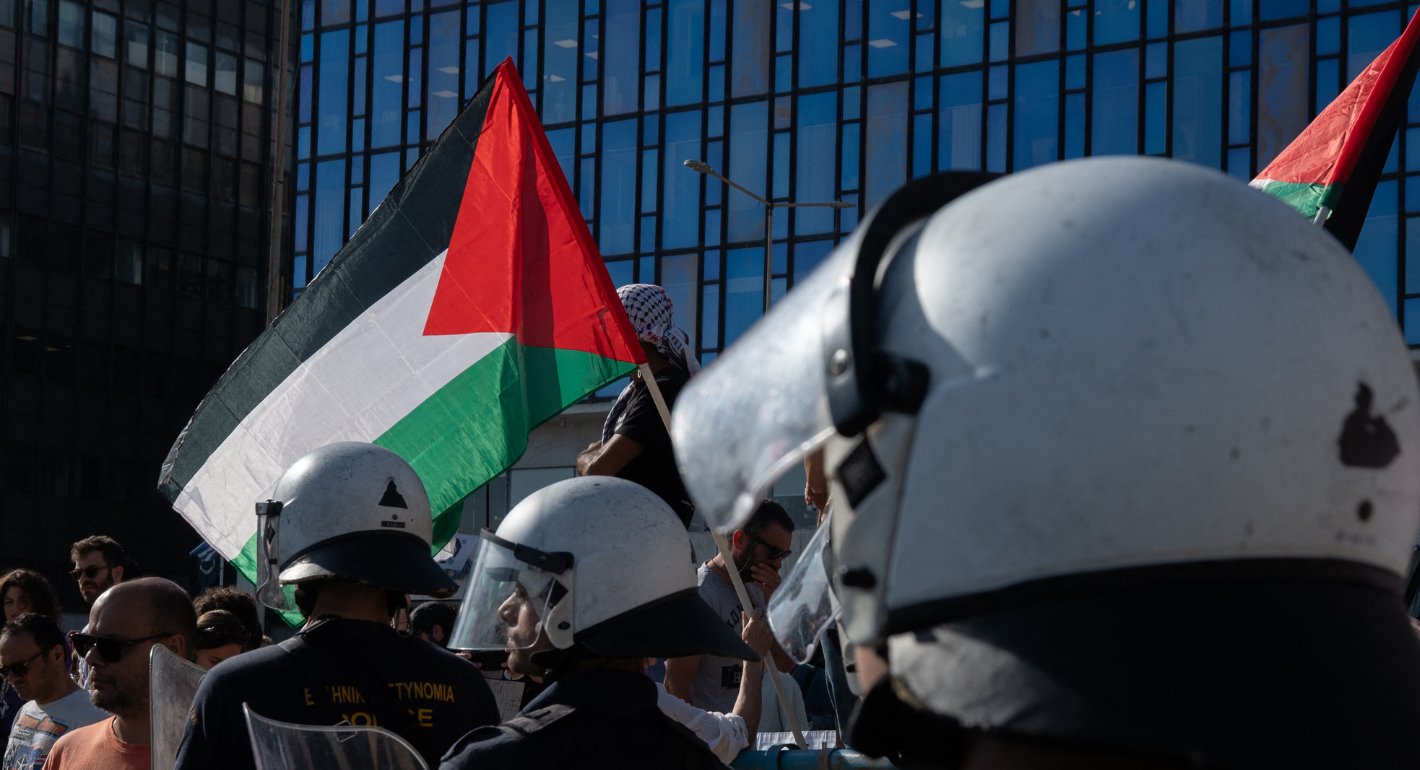
The Israel-Palestinian conflict is crucial for relations between the United States and Arab countries. For Arab countries, Washington’s policy—or the one it pursued in the past—is seen as blind support for Israel and is totally unacceptable to these countries. That’s the way Arab countries perceive U.S. policy in the area, so as long as that perception in the Arab world lasts, relations between Arab countries and the United States are going to be difficult.
Should the Obama administration be promoting democracy in the Middle East?
The United States should be clear about the violations of democracy that take place in some Arab countries. In other words, the United States should not sweep under the rug the undemocratic practices that it witnesses in the Arab world.
Whether or not the United States can actually promote democracy or force those countries to take positive steps towards democracy depends on the presence of an active opposition in the country that can be helped by U.S. pressure. If there is no strong opposition, there is no point in trying to promote democracy.