

Paper
Ashley J. Tellis
{
  "authors": [
    "Ashley J. Tellis"
  ],
  "type": "other",
  "centerAffiliationAll": "dc",
  "centers": [
    "Carnegie Endowment for International Peace"
  ],
  "collections": [],
  "englishNewsletterAll": "ctw",
  "nonEnglishNewsletterAll": "",
  "primaryCenter": "Carnegie Endowment for International Peace",
  "programAffiliation": "SAP",
  "programs": [
    "South Asia"
  ],
  "projects": [],
  "regions": [
    "North America",
    "United States",
    "South Asia",
    "India"
  ],
  "topics": [
    "Foreign Policy"
  ]
}
Source: Getty
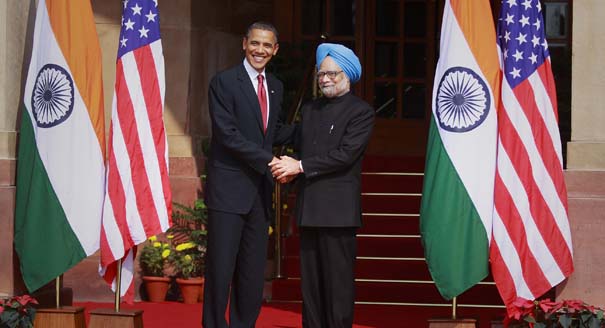
India’s rapid emergence as a major international entity gives it the potential to become America’s most strategic partner and help the United States manage China’s rise, promote the balance of power in Asia, and protect broader American interests.
As President Obama prepares to visit India next month, he has an historic opportunity to reinvigorate U.S.-India relations after several years of drift. In a Policy Outlook, Ashley J. Tellis writes that India’s rapid emergence as a major international entity—it is expected to become the third or fourth most powerful country by mid-century—gives it the potential to become America’s most strategic partner. A strong bilateral relationship with India will also help the United States manage China’s rise, promote the balance of power in Asia, and protect broader American interests.
“By reaffirming the U.S. commitment to aid India’s growth in power and emphasizing America’s fellowship with India … Obama can help bring the two countries together on shared interests and move their relationship forward significantly,” Tellis writes.
Former Senior Fellow
Ashley J. Tellis was a senior fellow at the Carnegie Endowment for International Peace.
Recent Work
Ashley J. Tellis
Ashley J. Tellis
Carnegie does not take institutional positions on public policy issues; the views represented herein are those of the author(s) and do not necessarily reflect the views of Carnegie, its staff, or its trustees.

Japan’s long-term security policy is driven by concerns about China, and there is little appetite for (or interest in) pursuing a confrontation with Moscow.

James D.J. Brown

Russia is testing the waters of NATO’s mutual defense clause. What do strikes in Romanian territorial waters mean for the alliance’s posture toward Moscow?

Dimitar Bechev
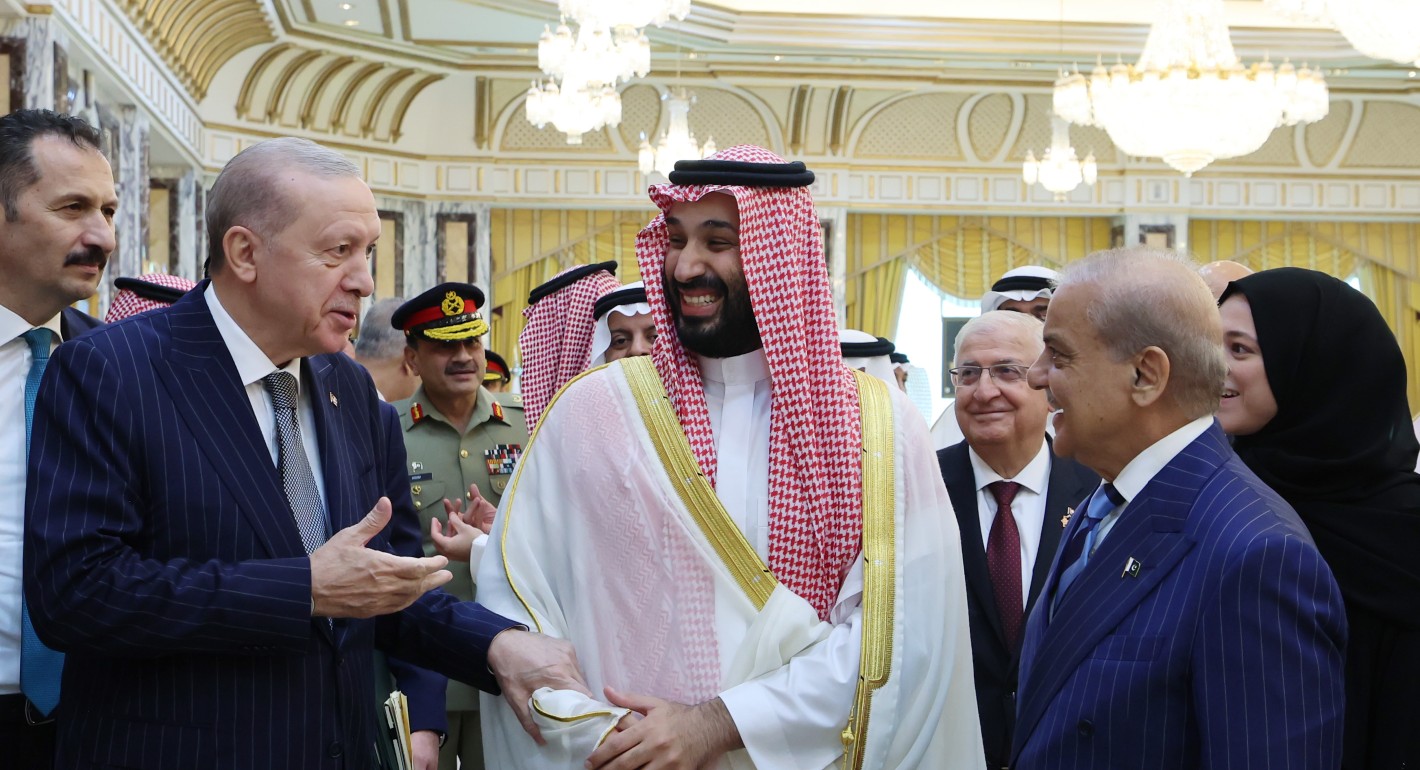
Why Pakistan, Saudi Arabia, and Turkey are joining forces on regional security.


Alper Coşkun, Amr Hamzawy

Despite public disputes over trade and immigration, the strategic partnership’s foundations remain sturdy.

Sameer Lalwani
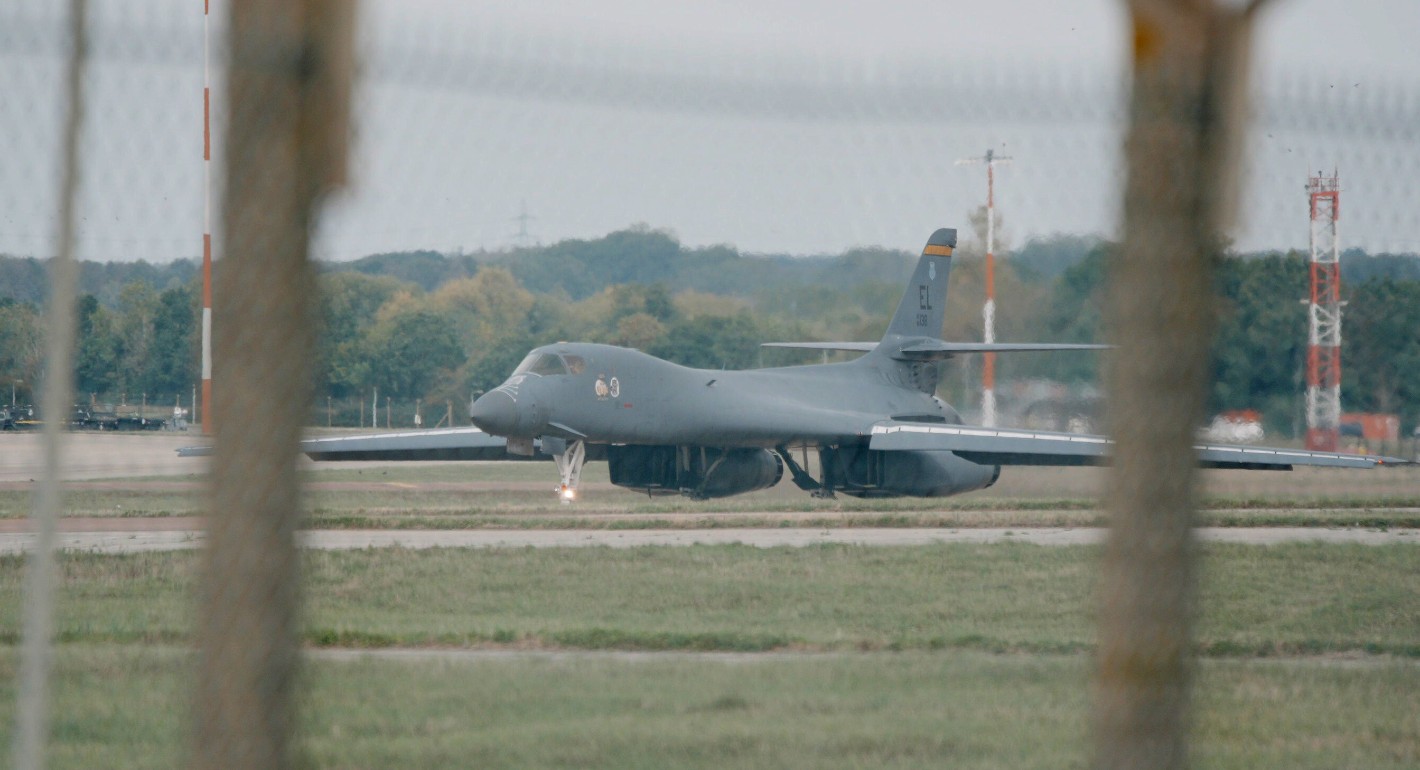
It signals a new era of tech diffusion and warfare.

Steve Feldstein