• Research
  • Emissary
  • About
  • Experts
Carnegie Global logoCarnegie lettermark logo
DemocracyIran
  • Donate
{
  "authors": [],
  "type": "pressRelease",
  "centerAffiliationAll": "dc",
  "centers": [
    "Carnegie Endowment for International Peace"
  ],
  "collections": [],
  "englishNewsletterAll": "ctw",
  "nonEnglishNewsletterAll": "",
  "primaryCenter": "Carnegie Endowment for International Peace",
  "programAffiliation": "SCP",
  "programs": [
    "Sustainability, Climate, and Geopolitics"
  ],
  "projects": [],
  "regions": [
    "Caucasus",
    "Russia",
    "North America"
  ],
  "topics": [
    "Climate Change"
  ]
}
REQUIRED IMAGE

REQUIRED IMAGE

Press Release

Russia's oil export strategy generates global policy and economic implications

Russia, the world’s largest oil producer, is actively seeking new outlets for oil exports.

Link Copied
Published on Dec 15, 2010
Program mobile hero image

Program

Sustainability, Climate, and Geopolitics

The Sustainability, Climate, and Geopolitics Program explores how climate change and the responses to it are changing international politics, global governance, and world security. Our work covers topics from the geopolitical implications of decarbonization and environmental breakdown to the challenge of building out clean energy supply chains, alternative protein options, and other challenges of a warming planet.

Learn More

WASHINGTON, December 15—Russia, the world’s largest oil producer, is actively seeking new outlets for oil exports. While the economic rationale for this is limited, Moscow perceives significant strategic gains in pursuing a policy that will likely bring rewards ranging from positioning Russia as a strategic partner with China to gaining more leverage over oil transit countries and Caspian producers, writes Adnan Vatansever in a new paper.

This export strategy carries with it considerable policy and economic implications for the European Union, particularly some of its newer members, as well as for the United States. To enhance the stability of oil supplies and improve energy security in Europe, Vatansever outlines three key recommendations for U.S. policy makers:

  • Promote information sharing. Washington should help establish a platform to share information on oil production and export trends in Russia and the Caspian Sea region to monitor the destination of Russia’s exports.
  • Support Kazakhstan. The United States should help Astana pursue stable export routes for the country’s growing supply of crude oil as Kazakhstan has the potential to emerge as a major global oil supplier.
  • Reverse the flow. By supporting initiatives that reverse the flow of oil through the Odessa-Brody Pipeline—which connects Ukraine’s coast on the Black Sea to its border with Poland—Washington can promote oil supply security in Eastern Europe.

“As Russia expands its oil export network and the future destination of its oil exports becomes increasingly uncertain, Washington needs to promote transparency, stability, and predictability,” writes Vatansever.

###

NOTES

Adnan Vatansever is a senior associate in the Energy and Climate Program at the Carnegie Endowment. He specializes in the energy sectors of the former Soviet republics and Eastern Europe. His particular focus is on energy efficiency and carbon reduction, energy security, and Russia’s economic diversification. Before joining Carnegie, he worked as a senior associate for Cambridge Energy Research Associates (IHS CERA).

The Carnegie Energy & Climate Program engages global experts working in energy technology, environmental science, and political economy to develop practical solutions for policy makers around the world. The program aims to provide the leadership and the policy framework necessary for minimizing risks stemming from global climate change and reducing competition for scarce resources.

Press Contact: David Kampf, 202-939-2233, pressoffice@ceip.org

Climate ChangeCaucasusRussiaNorth America

Carnegie does not take institutional positions on public policy issues; the views represented herein are those of the author(s) and do not necessarily reflect the views of Carnegie, its staff, or its trustees.

More Work from Carnegie Endowment for International Peace

  • Commentary
    Carnegie Politika
    Putin Has Been a Hindrance, Not a Help, to United Russia’s Election Campaign

    Russia’s ruling party would have benefited from Putin appearing as its distant patron, but as an active frontman imposing his views on the public, he has done nothing but harm both the party’s election campaign and the ruling system overall.

      Andrey Pertsev

  • circles of chairs in a large, formal room
    Commentary
    Emissary
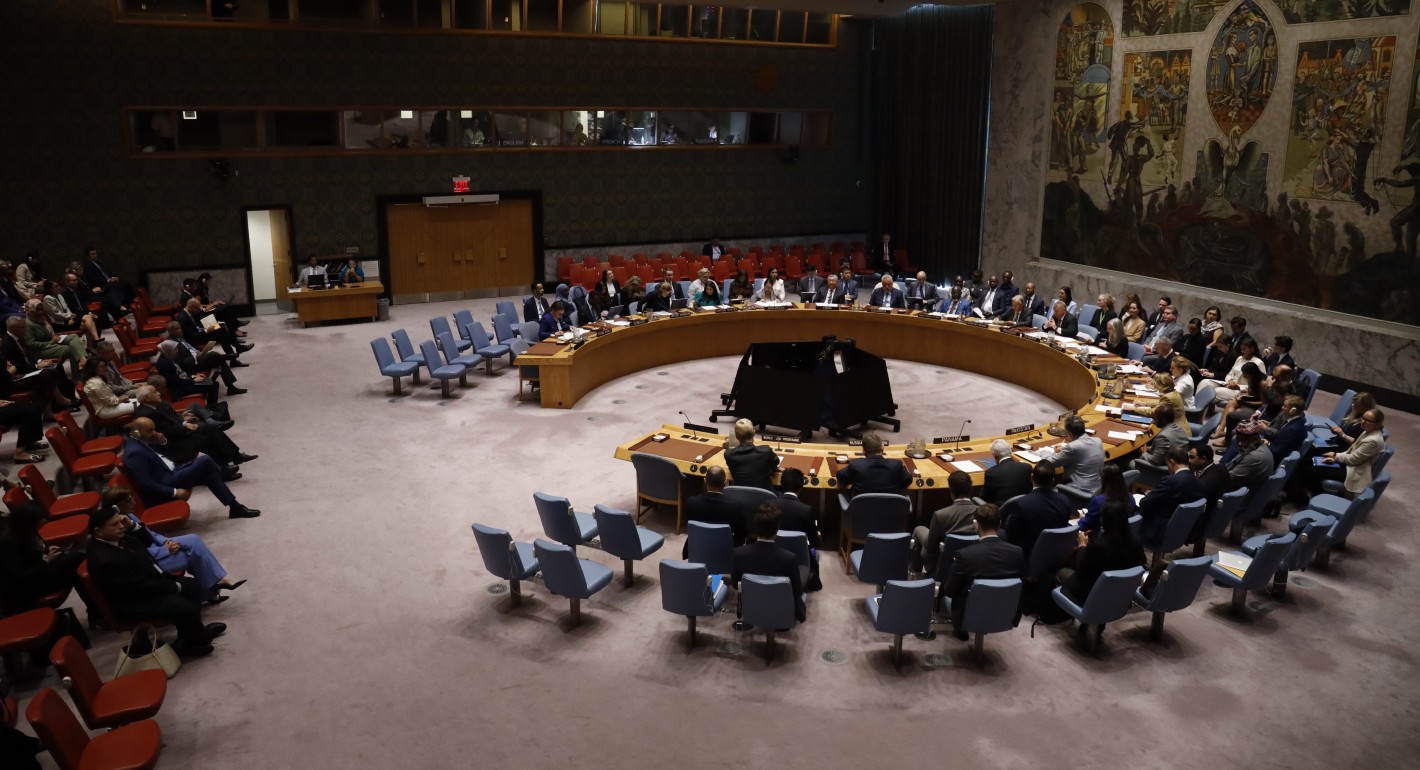
    The UN Security Council Is Deadlocked on Climate. New Members Have a Path Forward.

    They face an uphill climb, but they could draw on a strategy that other diplomats have used in the past.

      • Shana Tabak headshot
      • Alejandro Rodriguez

      Shana Tabak, Alejandro Martin Rodriguez

  • Commentary
    Strategic Europe
    The Speech Ursula von der Leyen Can’t Deliver

    European Commission President Ursula von der Leyen is about to give her annual address on the state of the EU. Here’s what she won’t—but should—say.

      • Rym Momtaz

      Rym Momtaz

  • Commentary
    Carnegie Politika
    The Kremlin Can No Longer Postpone Hard Economic Decisions

    Depleted financial reserves and a shrinking tax base mean it is no longer possible to simultaneously deliver high defense spending, price stability, and economic growth.

      Alexandra Prokopenko

  • Photo of black smoke rising from an Iranian oil facility after an airstrike.
    Article
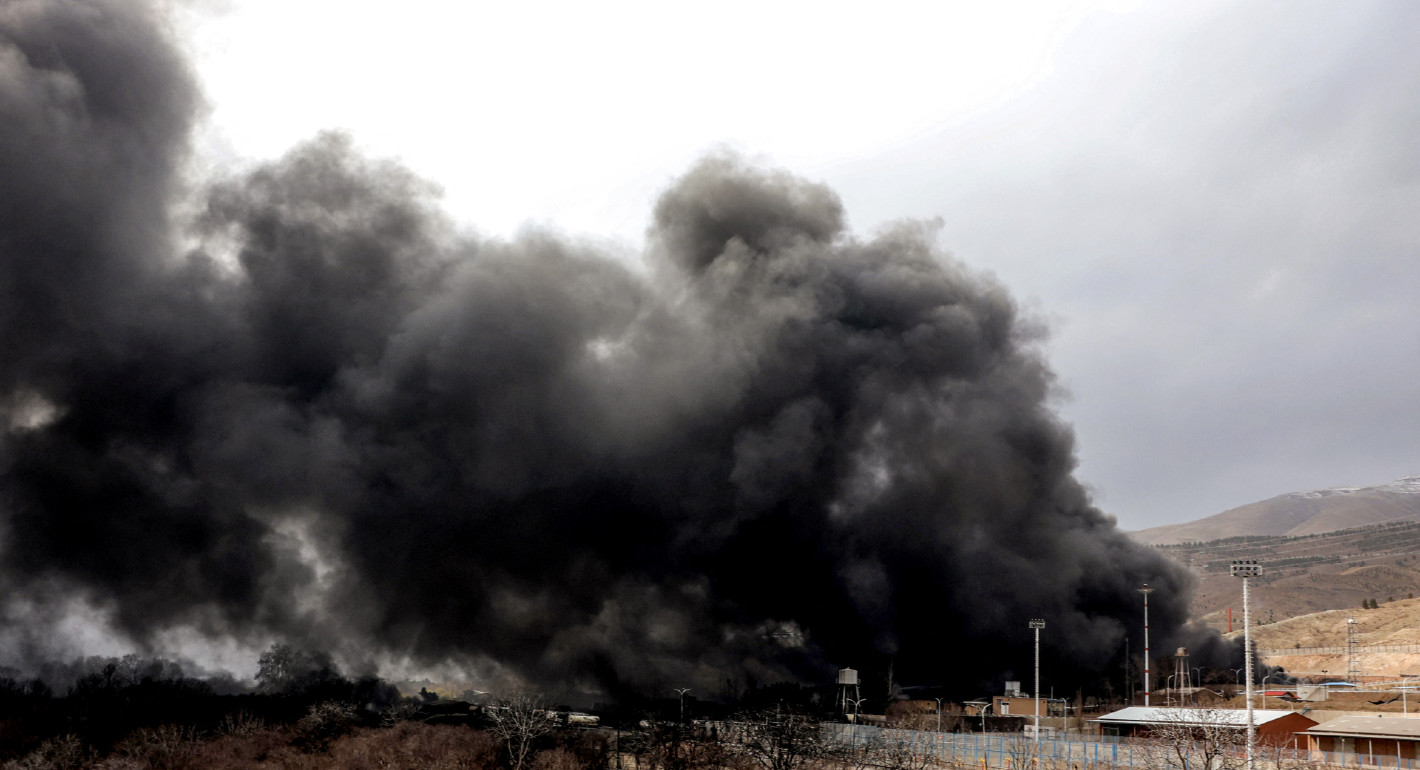
    The Iran War’s Climate, Environmental, and Human Security Fallout

    Understanding the climatic pain points is necessary for policymakers hoping to minimize the war’s negative environmental consequences.

      • Alejandro Rodriguez
      • Joy Arkeh
      • Sarah Yerkes

      Alejandro Martin Rodriguez, Joy Arkeh, Sarah Yerkes

Get more news and analysis from
Carnegie Endowment for International Peace
Carnegie global logo, stacked
1779 Massachusetts Avenue NWWashington, DC, 20036-2103Phone: 202 483 7600
  • Research
  • Emissary
  • About
  • Experts
  • Donate
  • Programs
  • Events
  • Blogs
  • Podcasts
  • Contact
  • Annual Reports
  • Careers
  • Privacy
  • For Media
  • Government Resources
Get more news and analysis from
Carnegie Endowment for International Peace
© 2026 Carnegie Endowment for International Peace. All rights reserved.