• Research
  • Emissary
  • About
  • Experts
Carnegie Global logoCarnegie lettermark logo
Democracy
  • Donate
{
  "authors": [
    "Paul Salem"
  ],
  "type": "legacyinthemedia",
  "centerAffiliationAll": "",
  "centers": [
    "Carnegie Endowment for International Peace",
    "Malcolm H. Kerr Carnegie Middle East Center"
  ],
  "collections": [
    "Arab Awakening"
  ],
  "englishNewsletterAll": "",
  "nonEnglishNewsletterAll": "",
  "primaryCenter": "Malcolm H. Kerr Carnegie Middle East Center",
  "programAffiliation": "",
  "programs": [],
  "projects": [],
  "regions": [
    "Egypt",
    "Levant",
    "Maghreb",
    "Lebanon",
    "Tunisia",
    "Middle East",
    "North Africa"
  ],
  "topics": [
    "Political Reform",
    "Foreign Policy"
  ]
}
Source: Getty

In The Media
Malcolm H. Kerr Carnegie Middle East Center

Middle East: Brave New World For The U.S.?

As the popular uprising against Egyptian President Hosni Mubarak continues and the pro-western government of Lebanese Prime Minister Saad Hariri is replaced by a government supported by Hezbollah, the United States is losing key allies in the region.

Link Copied
By Paul Salem
Published on Feb 1, 2011

Source: Fox News

Lebanon recently swung away from the United States and towards Syria and Iran, when Hezbollah forced the pro-western government of Saad Hariri to fall. The new Prime Minister-designate, Najib Mikati, may be a billionaire businessman, but he is one who comes with the approval of Hezbollah – which is not good news for the foreign policy of the United States.
 
What should be even more troubling to the U.S. is the uncertainty about Egypt’s future. The U.S. is pushing for “orderly transition” which translates into: “Our long-time ally Hosni Mubarak should go, but peacefully, and without any radical replacement.”
 
As the transition takes place, how peaceful will it be, and how moderate will the new Middle East look? The U.S. is certainly going to lose some allies.  “These regimes that are faltering happen to be all on the U.S. side at this point,” Carnegie’s Paul Salem noted. “This certainly puts the regional policy into question.”
 
Salem said that if the situation in Egypt would veer toward the Muslim Brotherhood – which it has not yet done– it would “certainly re-shuffle all of America’s calculations and plans in the region in a major way.” At this point, though, Salem noted, the Brotherhood is only one of the players in the uprising in Egypt, and has been careful not to overplay its hand.
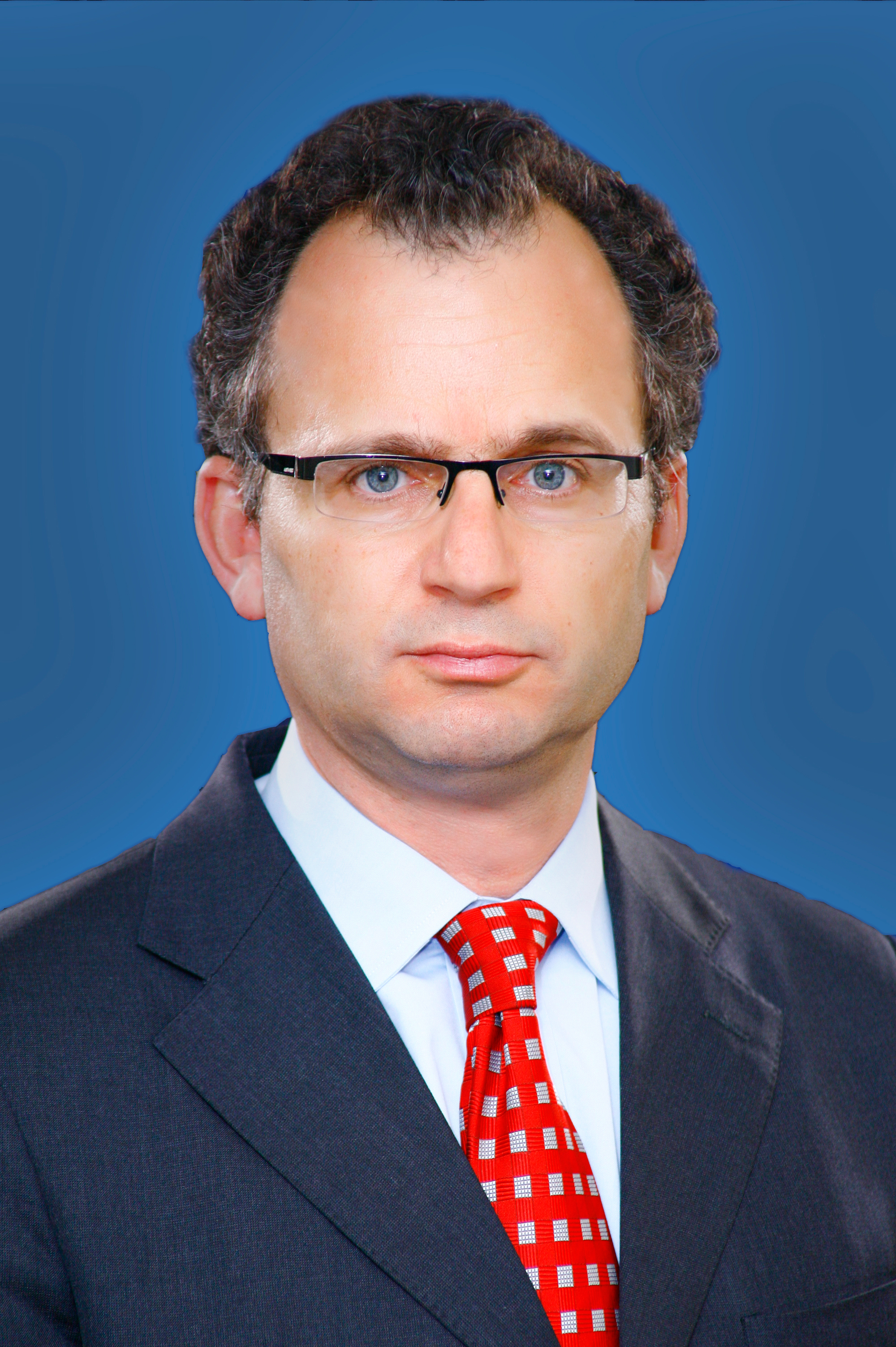
Paul Salem
Senior Fellow at the Middle East Institute
Paul Salem
Political ReformForeign PolicyEgyptLevantMaghrebLebanonTunisiaMiddle EastNorth Africa

Carnegie does not take institutional positions on public policy issues; the views represented herein are those of the author(s) and do not necessarily reflect the views of Carnegie, its staff, or its trustees.

More Work from Carnegie Endowment for International Peace

  • Kushner and Putin shaking hands, with Witkoff standing next to them
    Commentary
    Emissary
    What If Trump Gets His Russia-Ukraine Deal?

    It’s dangerous to dismiss Washington’s shambolic diplomacy out of hand.

      Eric Ciaramella

  • Commentary
    Strategic Europe
    Taking the Pulse: Can the EU Attract Foreign Investment and Reduce Dependencies?

    EU member states clash over how to boost the union’s competitiveness: Some want to favor European industries in public procurement, while others worry this could deter foreign investment. So, can the EU simultaneously attract global capital and reduce dependencies?

      • Rym Momtaz

      Rym Momtaz, ed.

  • Article
    What Can the EU Do About Trump 2.0?

    Europe’s policy of subservience to the Trump administration has failed. For Washington to take the EU seriously, its leaders now need to combine engagement with robust pushback.

      Stefan Lehne

  • Commentary
    Strategic Europe
    To Survive, the EU Must Split

    Leaning into a multispeed Europe that includes the UK is the way Europeans don’t get relegated to suffering what they must, while the mighty United States and China do what they want.

      • Rym Momtaz

      Rym Momtaz

  • Commentary
    Carnegie Politika
    In Uzbekistan, the President’s Daughter Is Now His Second-in-Command

    Having failed to build a team that he can fully trust or establish strong state institutions, Mirziyoyev has become reliant on his family.

      Galiya Ibragimova

Get more news and analysis from
Carnegie Endowment for International Peace
Carnegie global logo, stacked
1779 Massachusetts Avenue NWWashington, DC, 20036-2103Phone: 202 483 7600Fax: 202 483 1840
  • Research
  • Emissary
  • About
  • Experts
  • Donate
  • Programs
  • Events
  • Blogs
  • Podcasts
  • Contact
  • Annual Reports
  • Careers
  • Privacy
  • For Media
  • Government Resources
Get more news and analysis from
Carnegie Endowment for International Peace
© 2026 Carnegie Endowment for International Peace. All rights reserved.