

Q&A
Christopher Boucek
{
  "authors": [
    "Christopher Boucek"
  ],
  "type": "legacyinthemedia",
  "centerAffiliationAll": "dc",
  "centers": [
    "Carnegie Endowment for International Peace",
    "Malcolm H. Kerr Carnegie Middle East Center"
  ],
  "collections": [
    "Arab Awakening"
  ],
  "englishNewsletterAll": "menaTransitions",
  "nonEnglishNewsletterAll": "",
  "primaryCenter": "Carnegie Endowment for International Peace",
  "programAffiliation": "MEP",
  "programs": [
    "Middle East"
  ],
  "projects": [],
  "regions": [
    "Middle East",
    "Yemen",
    "Gulf"
  ],
  "topics": [
    "Political Reform",
    "Security"
  ]
}
Source: Getty
If the current unrest and protests in Yemen bring about the fall of the country’s regime, Al-Qaeda in the Arabian Peninsula will be able to operate with fewer constraints and present an even greater threat to the United States.
Source: Fox News
Al-Qaeda in the Arabian Peninsula (AQAP), the organization behind the attempted Christmas Day 2009 attack and last October’s cargo bomb plot, is the biggest threat to America’s homeland security emanating from a terrorist organization, explained Carnegie’s Christopher Boucek on Fox News’ Happening Now. The rising unrest in Yemen, while not instigated by AQAP, benefits the organization. Buocek warned that instability in Yemen, particularly if it leads to the fall of the Yemeni regime, will allow AQAP to operate with fewer constraints and further threaten the United States.
The United States should help the Yemeni government grow its capacity to govern as well as its capacity to thwart AQAP, Boucek said. He noted, “our rhetoric needs to match our resources when it comes to AQAP.”

Former Associate, Middle East Program
Boucek was an associate in the Carnegie Middle East Program where his research focused on security challenges in the Arabian Peninsula and Northern Africa.
Recent Work
Christopher Boucek

Christopher Boucek, Karim Sadjadpour
Carnegie does not take institutional positions on public policy issues; the views represented herein are those of the author(s) and do not necessarily reflect the views of Carnegie, its staff, or its trustees.

China’s political future will be shaped between now and next October. As the Communist Party enters its intense “campaign season” to prepare for a major political transition in 2027, reading Beijing's actions and responses may become more difficult as domestic politics weigh on its behavior more than usual.

Damien Ma

Japan’s long-term security policy is driven by concerns about China, and there is little appetite for (or interest in) pursuing a confrontation with Moscow.

James D.J. Brown

Russia is testing the waters of NATO’s mutual defense clause. What do strikes in Romanian territorial waters mean for the alliance’s posture toward Moscow?

Dimitar Bechev
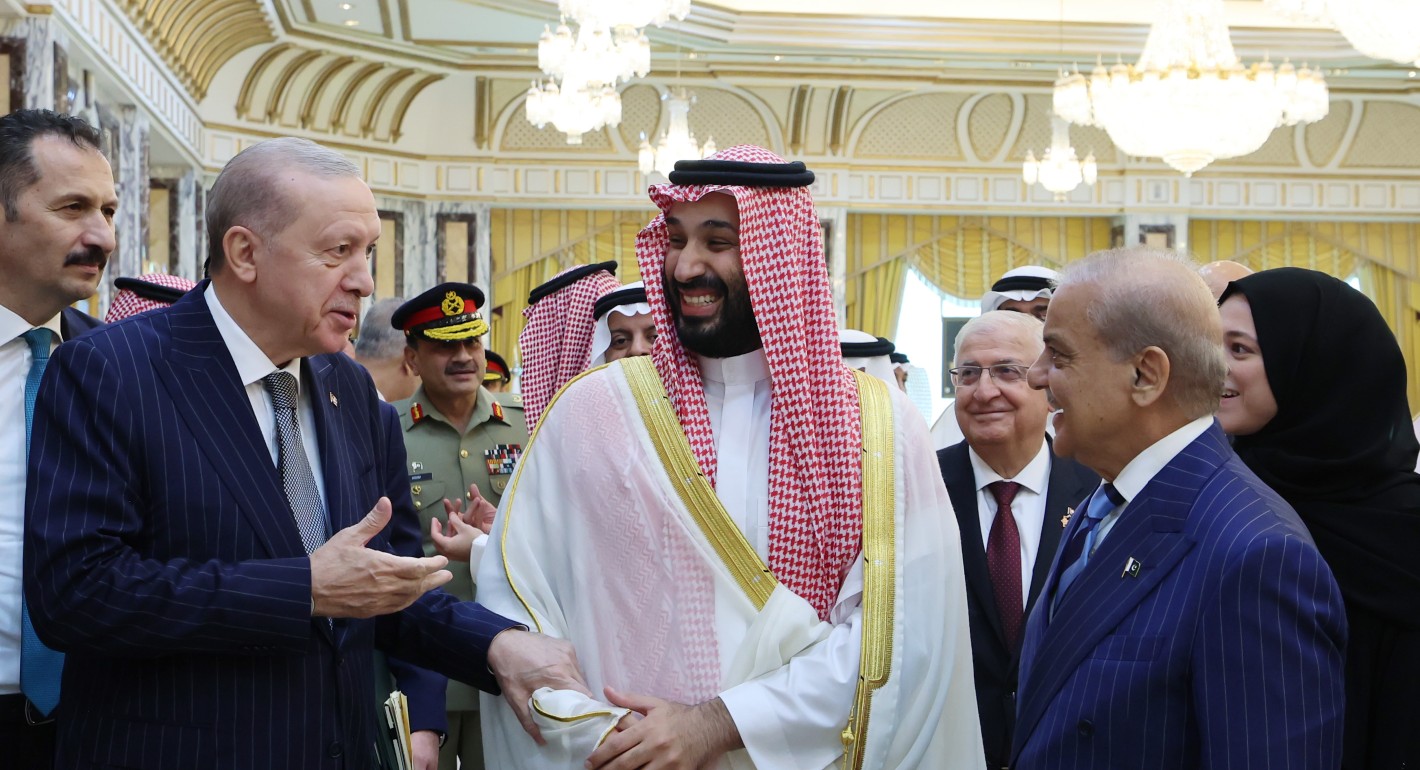
Why Pakistan, Saudi Arabia, and Turkey are joining forces on regional security.


Alper Coşkun, Amr Hamzawy

The truth of the strategic situation is that Europe and Russia are extremely unlikely to be able to “turn the page” on their confrontation within the next two decades.

Arkady Moshes