

Commentary
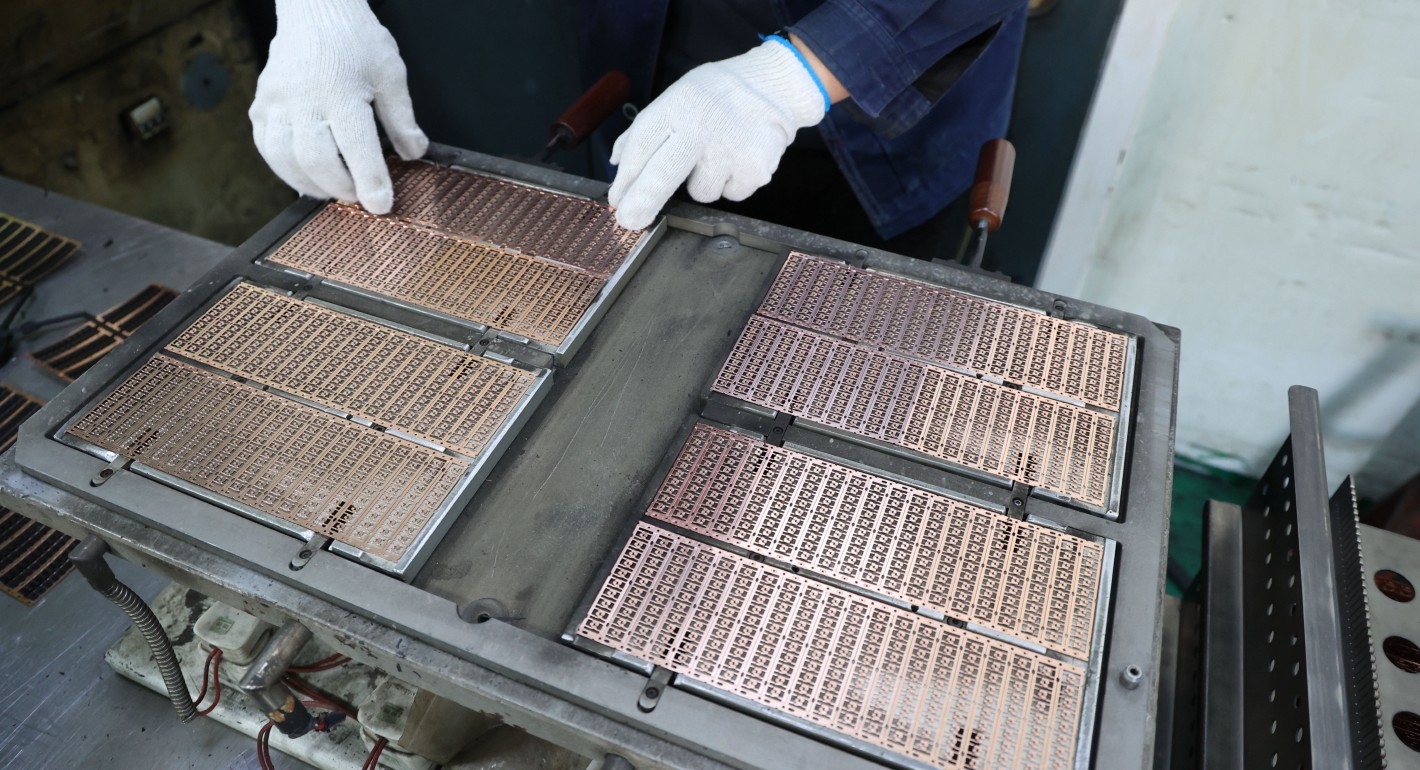
The Bureau of Industry and Security needs to adjust its focus and practices to maintain its position as the U.S. government’s primary champion of international technological competition.
Geoffrey Irving
{
  "authors": [],
  "type": "pressRelease",
  "centerAffiliationAll": "",
  "centers": [
    "Carnegie Endowment for International Peace"
  ],
  "collections": [],
  "englishNewsletterAll": "",
  "nonEnglishNewsletterAll": "",
  "primaryCenter": "Carnegie Endowment for International Peace",
  "programAffiliation": "",
  "programs": [],
  "projects": [],
  "regions": [
    "North America"
  ],
  "topics": [
    "Economy",
    "Trade"
  ]
}
REQUIRED IMAGE
Protectionist measures increased during the recent global financial and economic crisis, but had little effect on world trade. In a new paper, Uri Dadush, Shimelse Ali, and Rachel Esplin Odell explore the complex and mutually reinforcing set of legal and structural changes in the world economy that make a return to protectionism more costly.
WASHINGTON—Protectionist measures increased during the recent global financial and economic crisis, but had little effect on world trade. In contrast to the 1930s, stimulus measures, financial rescues, stronger lender-of-last-resort options, social safety nets, and the World Trade Organization’s mechanisms for resolving disputes helped to stave off many protectionist tendencies.
In a new paper, Uri Dadush, Shimelse Ali, and Rachel Esplin Odell explore the complex and mutually reinforcing set of legal and structural changes in the world economy that make a return to protectionism more costly. They stress that increased reliance on trade and the globalization of production has increased the vested interest in open markets. By taking the following six steps, policy makers can help foster a liberal trading environment, strengthen resistance to protectionism, and prevent its return.
“Although markets are more open and protectionism is now better contained than in the past, protectionism is far from extinct,” the authors warn.
NOTES
Click here to read the full paper
Uri Dadush is senior associate and director in Carnegie's International Economics Program. His work currently focuses on trends in the global economy, the global financial crisis, and the euro crisis. Dadush previously served as the World Bank’s director of international trade and director of economic policy. He has also served concurrently as the director of the Bank’s world economy group.
Shimelse Ali is an economist in Carnegie’s International Economics Program. He holds an M.Sc. in economics from the Norwegian University of Science.
Rachel Esplin Odell is a junior fellow in Carnegie's Asia Program.
The Carnegie International Economics Program monitors and analyzes short- and long-term trends in the global economy, including macroeconomic developments, trade, commodities, and capital flows, and draws out policy implications. The current focus of the Program is the global financial crisis and the policy issues raised. Among other research, the Program examines the ramifications of the rising weight of developing countries in the global economy.
Press Contact: Karly Schledwitz, +1 202 939 2233, pressoffice@ceip.org
Carnegie does not take institutional positions on public policy issues; the views represented herein are those of the author(s) and do not necessarily reflect the views of Carnegie, its staff, or its trustees.
The Bureau of Industry and Security needs to adjust its focus and practices to maintain its position as the U.S. government’s primary champion of international technological competition.
Geoffrey Irving

Depleted financial reserves and a shrinking tax base mean it is no longer possible to simultaneously deliver high defense spending, price stability, and economic growth.

Alexandra Prokopenko

U.S. trading partners in Asia are closely watching the dispute for signs of how it may affect their own interests.

Barbara Weisel
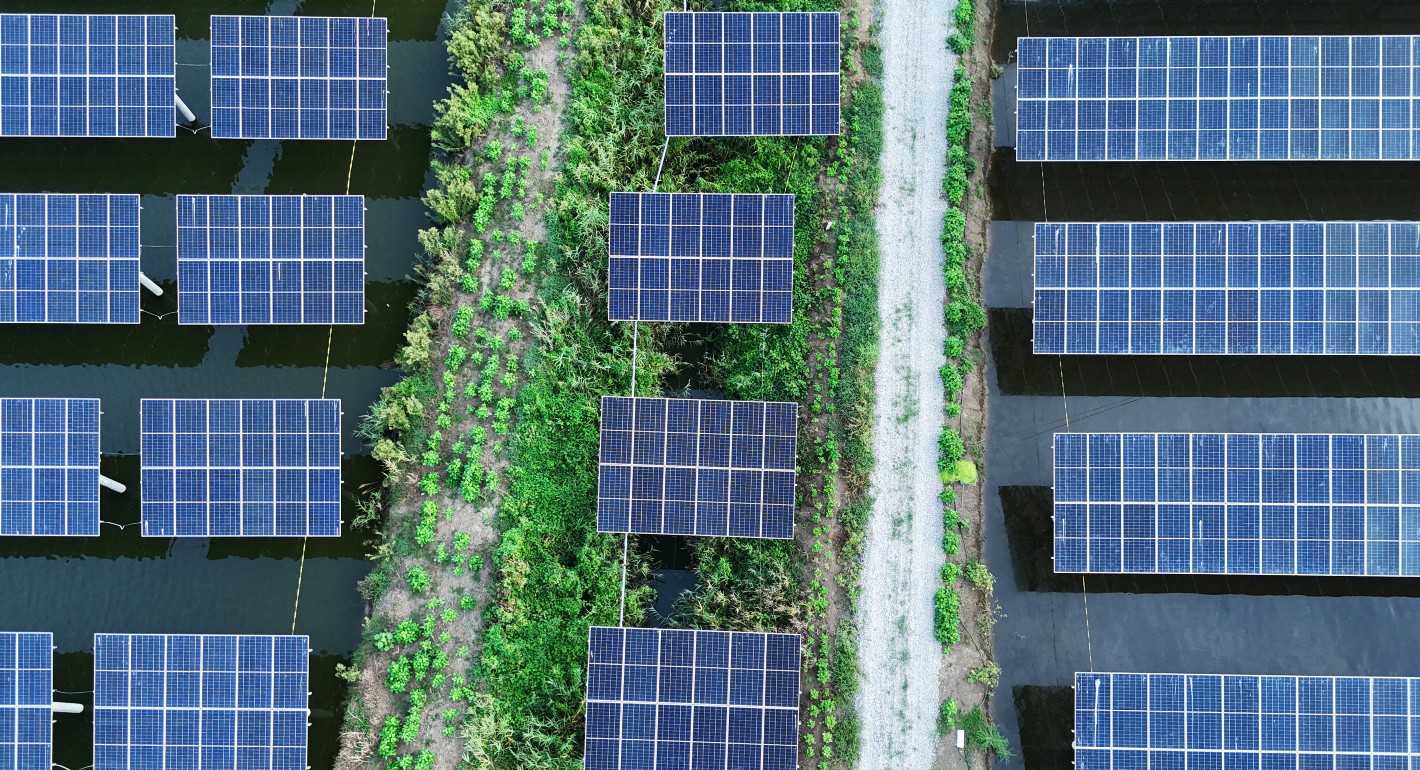
Congress needs to step up and make EXIM a low-carbon financing powerhouse.
Jesse Young
Amid celebrations of bilateral ties was a deeper focus on stability in the Middle East.

Amr Hamzawy