• Research
  • Emissary
  • About
  • Experts
Carnegie Global logoCarnegie lettermark logo
DemocracyIran
  • Donate
{
  "authors": [
    "Matthew Rojansky"
  ],
  "type": "legacyinthemedia",
  "centerAffiliationAll": "dc",
  "centers": [
    "Carnegie Endowment for International Peace"
  ],
  "collections": [],
  "englishNewsletterAll": "ctw",
  "nonEnglishNewsletterAll": "",
  "primaryCenter": "Carnegie Endowment for International Peace",
  "programAffiliation": "russia",
  "programs": [
    "Russia and Eurasia"
  ],
  "projects": [],
  "regions": [
    "Caucasus",
    "Russia"
  ],
  "topics": [
    "Political Reform"
  ]
}

Source: Getty

In The Media

Putin and the Duma Elections

With the March 2012 presidential elections just around the corner, Putin is likely to try to distance himself from an increasingly unpopular United Russia party.

Link Copied
By Matthew Rojansky
Published on Dec 2, 2011
Program mobile hero image

Program

Russia and Eurasia

The Russia and Eurasia Program continues Carnegie’s long tradition of independent research on major political, societal, and security trends in and U.S. policy toward a region that has been upended by Russia’s war against Ukraine.  Leaders regularly turn to our work for clear-eyed, relevant analyses on the region to inform their policy decisions.

Learn More

Source: BBC World News

In an interview with BBC World News, Carnegie’s Matthew Rojansky argued that Putin still has a generally positive image despite reports of electoral fraud and the relatively weak victory for the United Russia party in the recent Duma elections. As both the chairman and a non-member of United Russia, Putin will likely “seek to disassociate himself somewhat from the United Russia party” when he believes it might help him in his presidential campaign.Rojansky added that Putin has little time to act before the March 2012 presidential elections, but he could still potentially introduce several “big ticket initiatives” such as tax or pension reforms.

About the Author

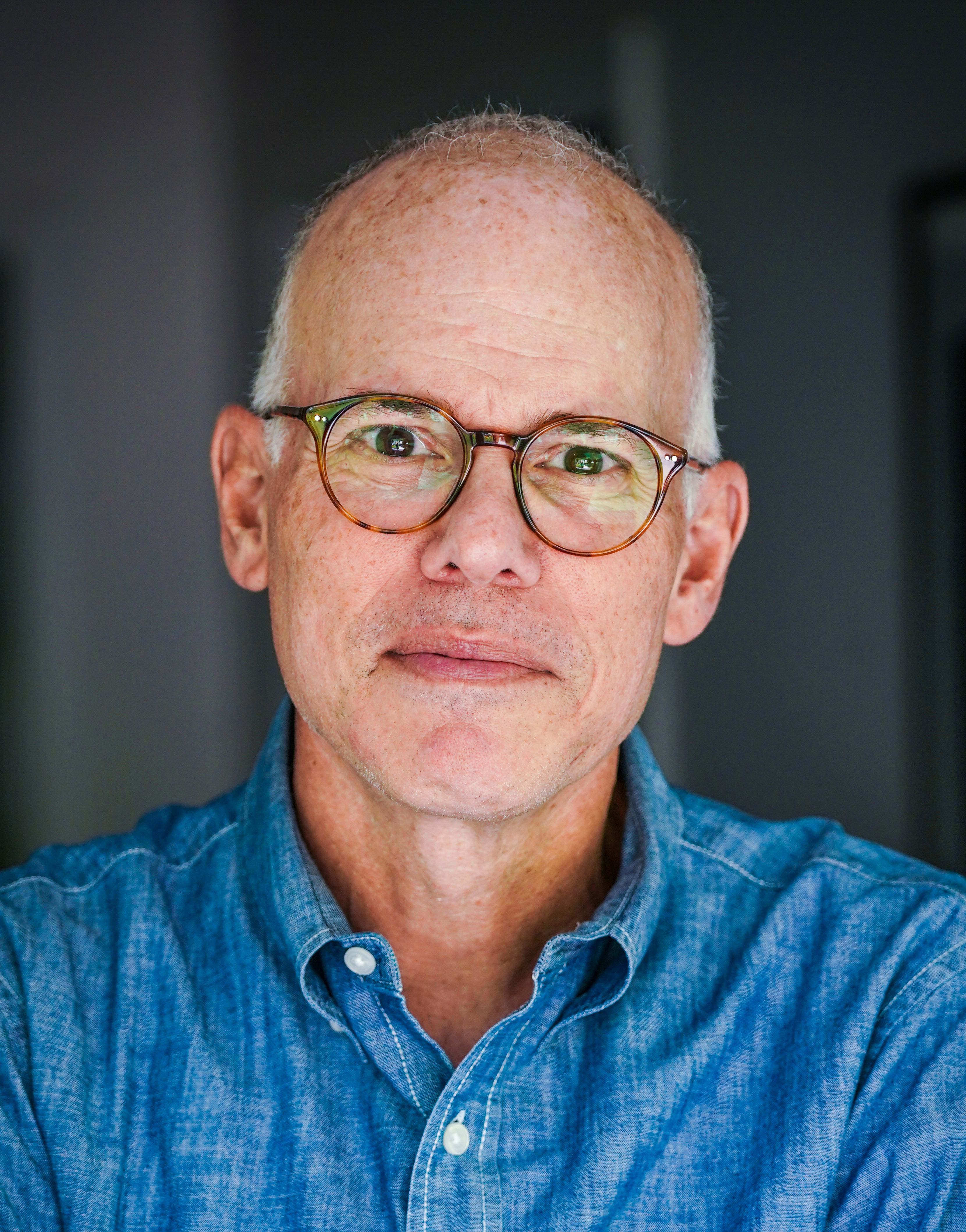
Matthew Rojansky

Former Deputy Director, Russia and Eurasia Program

Rojansky, formerly executive director of the Partnership for a Secure America, is an expert on U.S. and Russian national security and nuclear-weapon policies.

    Recent Work

  • Paper
    An Opportunity for Ambition: Ukraine’s OSCE Chairmanship

      Matthew Rojansky

  • In The Media
    Presiding Over the OSCE: Challenges and Opportunities

      Matthew Rojansky

Matthew Rojansky
Former Deputy Director, Russia and Eurasia Program
Matthew Rojansky
Political ReformCaucasusRussia

Carnegie does not take institutional positions on public policy issues; the views represented herein are those of the author(s) and do not necessarily reflect the views of Carnegie, its staff, or its trustees.

More Work from Carnegie Endowment for International Peace

  • Commentary
    Carnegie Politika
    What’s Having More Impact on Russian Oil Export Revenues: Ukrainian Strikes or Rising Prices?

    Although Ukrainian strikes have led to a noticeable decline in the physical volume of Russian oil exports, the rise in prices has more than made up for it.

      • Sergey Vakulenko

      Sergey Vakulenko

  • Commentary
    Carnegie Politika
    Russia Is Meddling for Meddling’s Sake in the Middle East

    The Russian leadership wants to avoid a dangerous precedent in which it is squeezed out of Iran by the United States and Israel—and left powerless to respond in any meaningful way.

      Nikita Smagin

  • Commentary
    Carnegie Politika
    Is Frustration With Armenia’s Pashinyan Enough to Bring the Pro-Russia Opposition to Power?

    It’s true that many Armenians would vote for anyone just to be rid of Pashinyan, whom they blame for the loss of Nagorno-Karabakh, but the pro-Russia opposition is unlikely to be able to channel that frustration into an electoral victory.

      Mikayel Zolyan

  • Commentary
    Carnegie Politika
    Will Hungary’s New Leader Really Change EU Policy on Russia and Ukraine?

    Orbán created an image for himself as virtually the only opponent of aid to Ukraine in the entire EU. But in reality, he was simply willing to use his veto to absorb all the backlash, allowing other opponents to remain in the shadows.

      Maksim Samorukov

  • Commentary
    Strategic Europe
    How to Join the EU in Three Easy Steps

    Montenegro and Albania are frontrunners for EU enlargement in the Western Balkans, but they can’t just sit back and wait. To meet their 2030 accession ambitions, they must make a strong positive case.

      Dimitar Bechev, Iliriana Gjoni

Get more news and analysis from
Carnegie Endowment for International Peace
Carnegie global logo, stacked
1779 Massachusetts Avenue NWWashington, DC, 20036-2103Phone: 202 483 7600Fax: 202 483 1840
  • Research
  • Emissary
  • About
  • Experts
  • Donate
  • Programs
  • Events
  • Blogs
  • Podcasts
  • Contact
  • Annual Reports
  • Careers
  • Privacy
  • For Media
  • Government Resources
Get more news and analysis from
Carnegie Endowment for International Peace
© 2026 Carnegie Endowment for International Peace. All rights reserved.