

Commentary
Sergei Aleksashenko, Mikhail Krutikhin, Yuval Weber
{
  "authors": [
    "Sergei Aleksashenko"
  ],
  "type": "legacyinthemedia",
  "centerAffiliationAll": "dc",
  "centers": [
    "Carnegie Endowment for International Peace",
    "Carnegie Russia Eurasia Center"
  ],
  "collections": [],
  "englishNewsletterAll": "ctw",
  "nonEnglishNewsletterAll": "",
  "primaryCenter": "Carnegie Russia Eurasia Center",
  "programAffiliation": "russia",
  "programs": [
    "Russia and Eurasia"
  ],
  "projects": [],
  "regions": [
    "Caucasus",
    "Russia"
  ],
  "topics": [
    "Political Reform",
    "Economy"
  ]
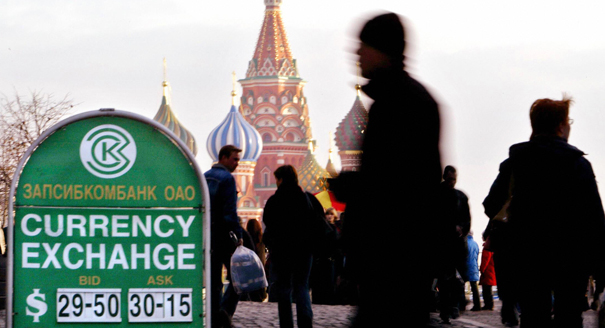
}
Source: Getty
Russia faces serious economic challenges, including a demographic crisis, corruption, weak enforcement of property rights, and over-reliance on hydrocarbons. A combination of structural political and economic reforms is required to save the country from stagnation.
Source: International Affairs

There are solutions to these problems. Many countries have faced them and have found ways and means to overcome them. But history provides no guarantee that Russia during Vladimir Putin’s next presidential term can find adequate answers to the challenges it faces. The new/old Russian President cannot point to a reassuring track record in economic policy. His team is stagnating: it has not attracted newcomers for a long time, and existing essential staff, it seems, have exhausted their mental potential and political will to undertake reforms. All politicians know that the initiation of any reform (unless the situation is so severe that the necessity of change is recognized by the whole of society) leads to a decline in popularity that in democratic countries may result in electoral defeat, and in authoritarian countries may undermine the stability of power structures. Thus Putin’s desire (and the desire of those closest to him) to keep power in their own hands indefinitely is the main obstacle to any reform measures in Russia, to any rational decisions in the field of economic policy, and to real modernization of the country.
This article considers the role of Russia in the world economy and its slow recovery from the deep recession of 2008–2009. It examines the economic challenges facing the country over Putin’s next presidential term, with particular focus on demographics, dependence on the oil price, and the impact of that dependence on monetary policy, the budget and the balance of payments.
This article first appeared in International Affairs (London), Volume 88, Number 1, January 2012, pp. 31-48, and is reproduced with permission.
Former Scholar in Residence, Economic Policy Program, Moscow Center
Aleksashenko, former deputy minister of finance of the Russian Federation and former deputy governor of the Russian central bank, was a scholar-in-residence in the Carnegie Moscow Center’s Economic Policy Program.
Recent Work
Sergei Aleksashenko, Mikhail Krutikhin, Yuval Weber
Sergei Aleksashenko
Carnegie does not take institutional positions on public policy issues; the views represented herein are those of the author(s) and do not necessarily reflect the views of Carnegie, its staff, or its trustees.
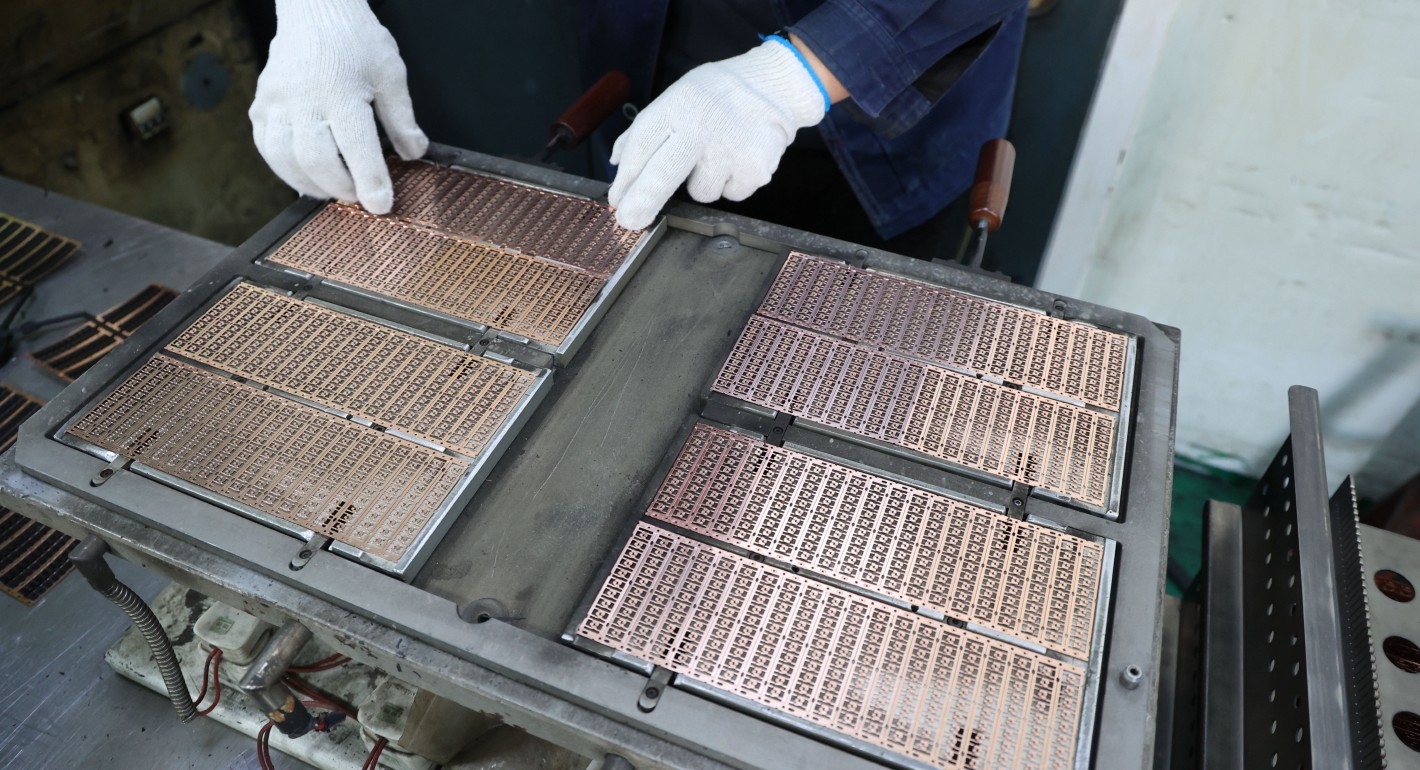
The Bureau of Industry and Security needs to adjust its focus and practices to maintain its position as the U.S. government’s primary champion of international technological competition.
Geoffrey Irving

European Commission President Ursula von der Leyen is about to give her annual address on the state of the EU. Here’s what she won’t—but should—say.

Rym Momtaz

Depleted financial reserves and a shrinking tax base mean it is no longer possible to simultaneously deliver high defense spending, price stability, and economic growth.

Alexandra Prokopenko
Blurring the line between humans and animals is a long-standing tradition in social utopian prose. In his latest novel, Leonid Bershidsky reminds us that in social experiments, people are often treated no differently than animals.

Alexander Baunov

U.S. trading partners in Asia are closely watching the dispute for signs of how it may affect their own interests.

Barbara Weisel