

Commentary
Judy Dempsey
{
  "authors": [
    "Judy Dempsey"
  ],
  "type": "legacyinthemedia",
  "centerAffiliationAll": "",
  "centers": [
    "Carnegie Endowment for International Peace",
    "Carnegie Europe",
    "Carnegie China"
  ],
  "collections": [
    "China’s Foreign Relations"
  ],
  "englishNewsletterAll": "",
  "nonEnglishNewsletterAll": "",
  "primaryCenter": "Carnegie Europe",
  "programAffiliation": "",
  "programs": [],
  "projects": [],
  "regions": [
    "Asia",
    "Europe"
  ],
  "topics": [
    "Foreign Policy",
    "EU",
    "Economy"
  ]
}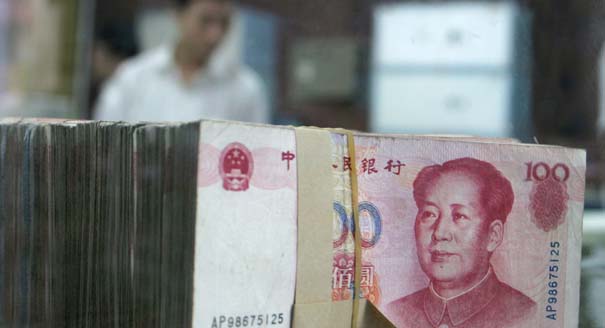
Source: Getty
European Union nations are increasingly making their own bilateral deals with China, damaging the unifying efforts of the E.U. trade commissioner.
Source: New York Times

The issues are well known. For European companies, they include the protection of intellectual property rights, ending the dumping of Chinese goods on European markets and coming clean about the generous state subsidies given to Chinese firms when they bid for contracts or snap up European companies.
Mr. De Gucht is no pushover when it comes to dealing with China. But because of the euro crisis, E.U. countries are increasingly going it alone with China and ignoring the E.U. Commission. Big and small member states are vying with each other to win business in China and to attract Chinese investments in their own countries.It’s as if all the downsides of doing business with China have been forgotten.
Here in Germany, the small and midsize companies known as the Mittelstand, which in the past complained about the difficulties of doing business in China, now play down problems like red tape and corruption. Given the economic climate, they prefer to lie low rather than speak out.
Some of the big German companies, including the carmakers, do speak out from time to time. They are weighty enough, and they have the ear of Chancellor Angela Merkel, who was in China last week, a visit I discuss in this week’s Letter from Europe.
Ms. Merkel used to be much more confrontational with China, calling often for more respect of human rights and press freedoms. She wants a strong economy and jobs to prevail in Germany over the next 12 months before the next federal elections. China can oblige.
Such attitudes do not help Mr. De Gucht, as national interests are prevailing in ways that prevent Europe from having a strong and united position in how to deal with China. Beijing can only be smiling.

Nonresident Senior Fellow, Carnegie Europe
Dempsey is a nonresident senior fellow at Carnegie Europe
Recent Work
Judy Dempsey
Judy Dempsey
Carnegie does not take institutional positions on public policy issues; the views represented herein are those of the author(s) and do not necessarily reflect the views of Carnegie, its staff, or its trustees.
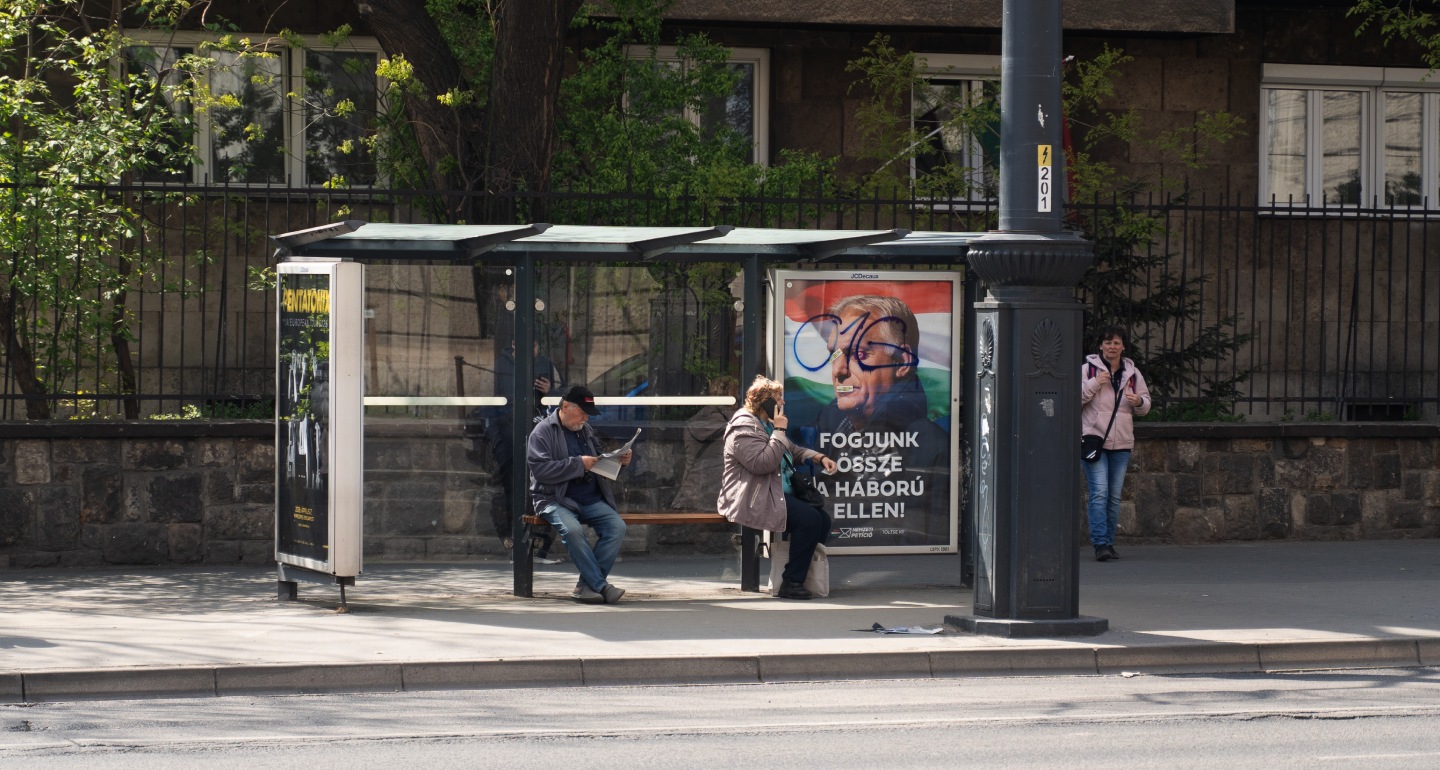
Orbán created an image for himself as virtually the only opponent of aid to Ukraine in the entire EU. But in reality, he was simply willing to use his veto to absorb all the backlash, allowing other opponents to remain in the shadows.

Maksim Samorukov
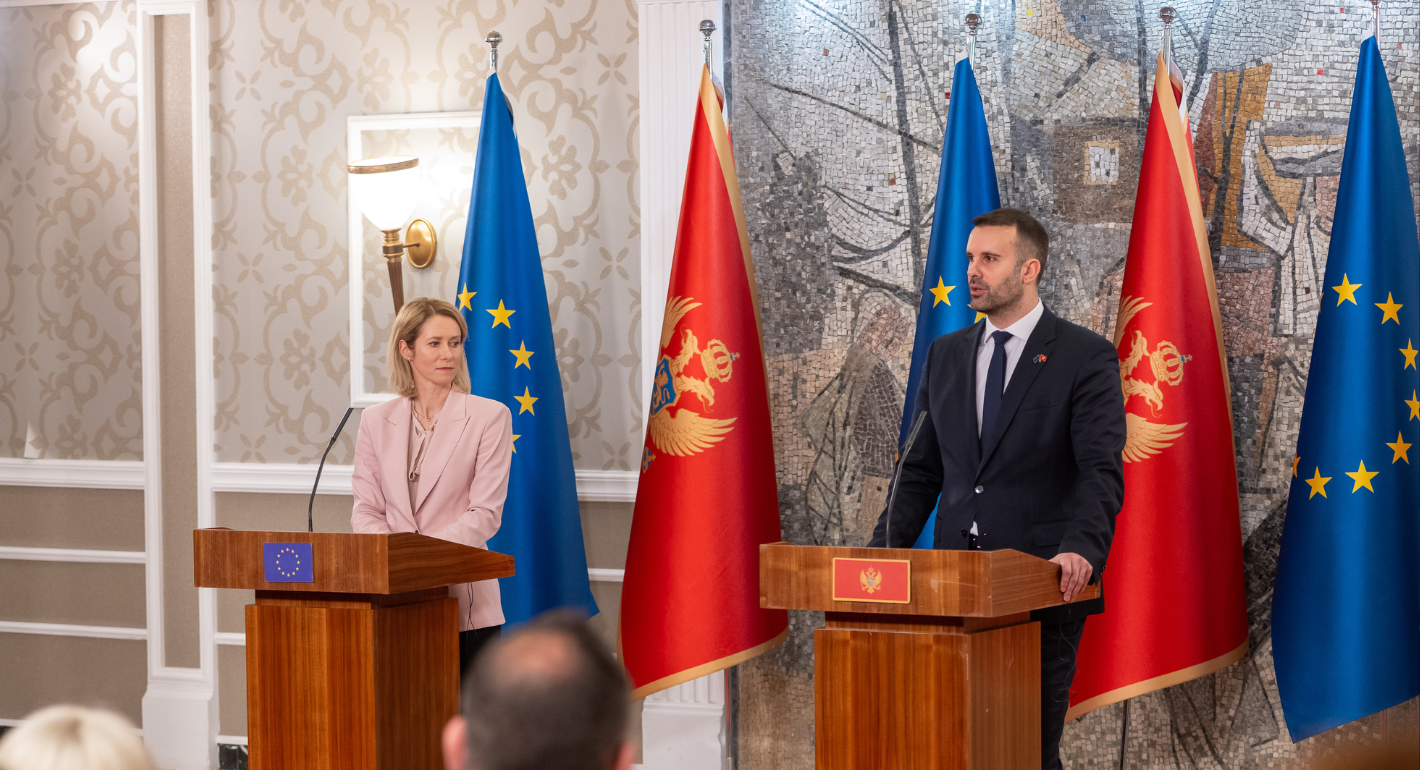
Montenegro and Albania are frontrunners for EU enlargement in the Western Balkans, but they can’t just sit back and wait. To meet their 2030 accession ambitions, they must make a strong positive case.


Dimitar Bechev, Iliriana Gjoni
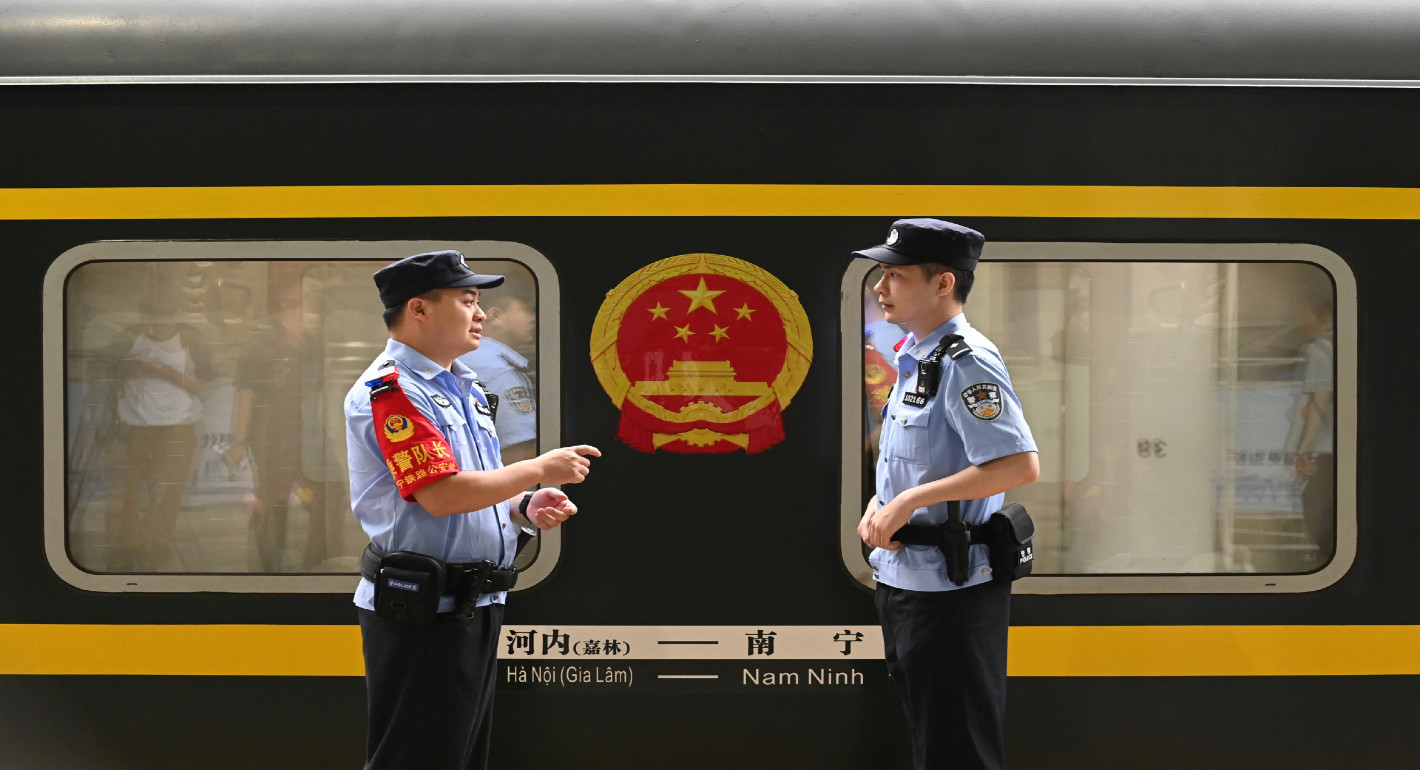
Despite long-standing differences, China and Vietnam are reinforcing common ground for collaboration, especially in public security. This internal security–centered diplomacy offers a strengthened road map for how China moves forward with Southeast Asia.
Sophie Zhuang

Climate mobility interventions can vary, but they all present opportunities to unlock transformative results that mitigate costs associated with inaction.

Alejandro Martin Rodriguez

Four Middle East experts analyze the region’s reactions and next steps.



Amr Hamzawy, Andrew Leber, Eric Lob, …