

Commentary
Judy Dempsey
{
  "authors": [
    "Judy Dempsey"
  ],
  "type": "legacyinthemedia",
  "centerAffiliationAll": "",
  "centers": [
    "Carnegie Endowment for International Peace",
    "Carnegie Europe"
  ],
  "collections": [
    "Europe’s Eastern Neighborhood"
  ],
  "englishNewsletterAll": "",
  "nonEnglishNewsletterAll": "",
  "primaryCenter": "Carnegie Europe",
  "programAffiliation": "",
  "programs": [],
  "projects": [],
  "regions": [
    "Europe",
    "Eastern Europe",
    "Western Europe"
  ],
  "topics": [
    "Foreign Policy",
    "Political Reform",
    "Democracy"
  ]
}
Source: Getty
According to a recent study by the European Commission, nearly three-quarters of citizens in EU states perceive corruption as a major problem in their own countries.
Source: New York Times

Since the fall of Communism, the council has become, in effect, the first way station for former Soviet bloc nations aspiring to join a web of Western alliances.
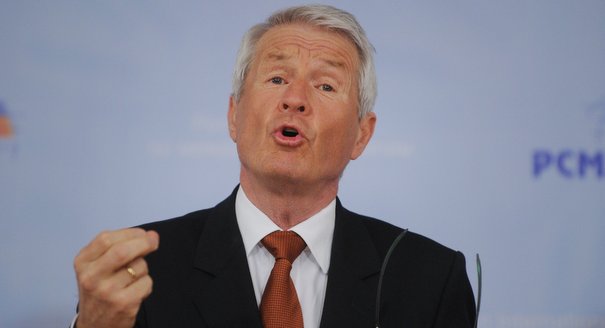
As a result, some council members, notably Central Asian states and Russia, have tried to influence the organization’s parliamentary assembly with lavish gifts and trips, Mr. Jagland said. They also hire lobbyists to fend off criticism of their human rights records.“Kicking these countries out is not an option,” Mr. Jagland said in an interview. “The council is introducing new rules about what kind of gifts should be given. If political bodies want to combat corruption, then we have to start with ourselves.”
Mr. Jagland, a Norwegian who also heads the committee that awards the Nobel Peace Prize, knows that corruption damages the council’s reputation. Worse, he believes that corruption has an insidious impact on political institutions and democracy itself.
“It is the biggest threat to democracy in Europe today. It undermines citizens’ trust in the rule of law,” he said, mentioning his own Norway, and Finland, both perceived as bastions of integrity yet both now embroiled in corruption scandals.
Has corruption really become so prevalent that it demands campaigns and new agencies to combat it?
“I don’t think the corruption was less a few years ago than it is today,” said Alina Mungiu-Pippidi, director of the European Research Center for Anti-Corruption at the Hertie School of Governance in Berlin.
The European Union, for example, knew that funds earmarked for improving infrastructure were misappropriated in many of the 27 member countries, she argued. In many cases such abuses were tolerated.
The euro crisis, however, seems to have changed public attitudes.
Because of the austerity measures in Greece, Ireland, Portugal and Spain, voters there are no longer prepared to tolerate corruption. They want an end to the kickbacks, undeclared taxes or overseas bank accounts held by politicians — for decades a routine way to conduct business and politics, particularly in Southern Europe.
Above all, Dr. Mungiu-Pippidi argued, they want transparency and accountability.
According to a recent study by the European Commission, the European Union’s executive body, nearly three-quarters of citizens in E.U. states perceive corruption as a major problem in their own countries. More than half believe it has increased in recent years.
“The euro crisis has made the public much more aware of abuse of public office,” said Timo Lange, a leading member of LobbyControl, an independent organization that monitors lobbyist groups and how they influence the way lawmakers vote or how contracts are awarded.
“If voters do not see the political parties and governments taking measures to stop it, they will lose trust in the conventional political system,” he added.
That is already happening.
Over the past few years, Europe has spawned many fringe political movements, anti-establishment parties and new nongovernmental organizations whose aim is to expose and combat corruption.
Mr. Jagland, however, sees another, more dangerous trend developing: a crisis of values.
“This crisis and sense of disillusionment in the political system is reflected in the rise of extremism and hate speech, new nationalism, vilification of immigration and any other forms of otherness,” he said.
There is no shortage of measures adopted by the Council of Europe, the European Union, the World Bank and other institutions to combat corruption and promote good governance.
The Union itself — as befits Brussels’ bureaucracy — has established a group to deal with these issues and is cooperating with the Council of Europe’s Group of States against Corruption.
Dr. Mungiu-Pippidi believes these efforts fall short of what should be done. In her view, the institutions are timid and bureaucratic.
“The Council of Europe should name and shame,” she says. “It should be much more outspoken in the defense of values and take a much tougher policy towards member countries that flout the rule of law and values of the council,” she added.
The European Union’s efforts are also hampered by its own structures. Even though the Union prides itself on exporting its values, Dr. Mungiu-Pippidi said the way it goes about this “is bureaucratic and nontransparent. It undermines good governance.”
Instead, analysts say civil society movements and the news media are crucial in exposing corruption. “Of course, they can be intimidated by governments and businesses in all sorts of ways,” Mr. Lange said. “But the euro crisis has shown that the public does want transparency and fairness. It is time politicians responded.”

Nonresident Senior Fellow, Carnegie Europe
Dempsey is a nonresident senior fellow at Carnegie Europe
Recent Work
Judy Dempsey
Judy Dempsey
Carnegie does not take institutional positions on public policy issues; the views represented herein are those of the author(s) and do not necessarily reflect the views of Carnegie, its staff, or its trustees.
French President Emmanuel Macron has unveiled his country’s new nuclear doctrine. Are the changes he has made enough to reassure France’s European partners in the current geopolitical context?

Rym Momtaz, ed.
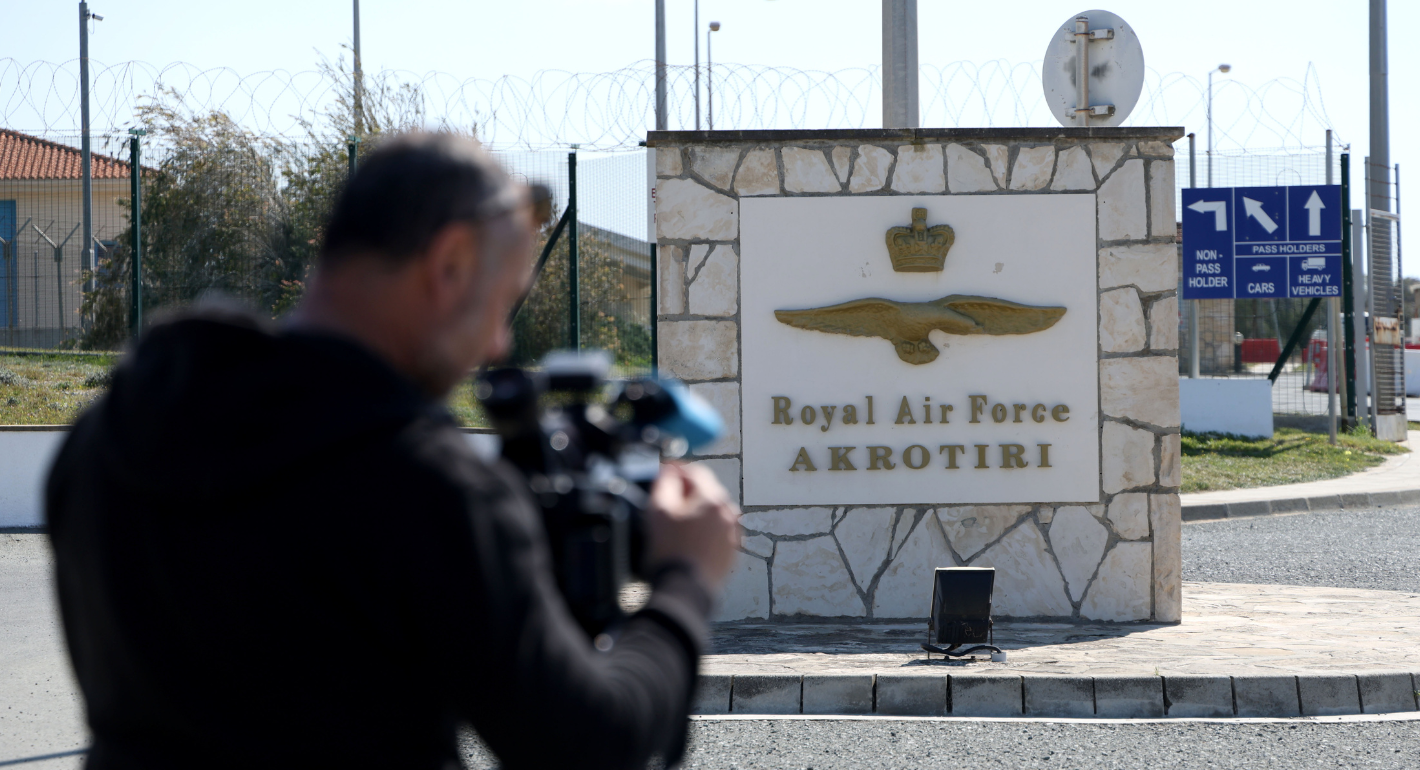
The drone strike on the British air base in Akrotiri brings Europe’s proximity to the conflict in Iran into sharp relief. In the fog of war, old tensions in the Eastern Mediterranean risk being reignited, and regional stakeholders must avoid escalation.

Marc Pierini
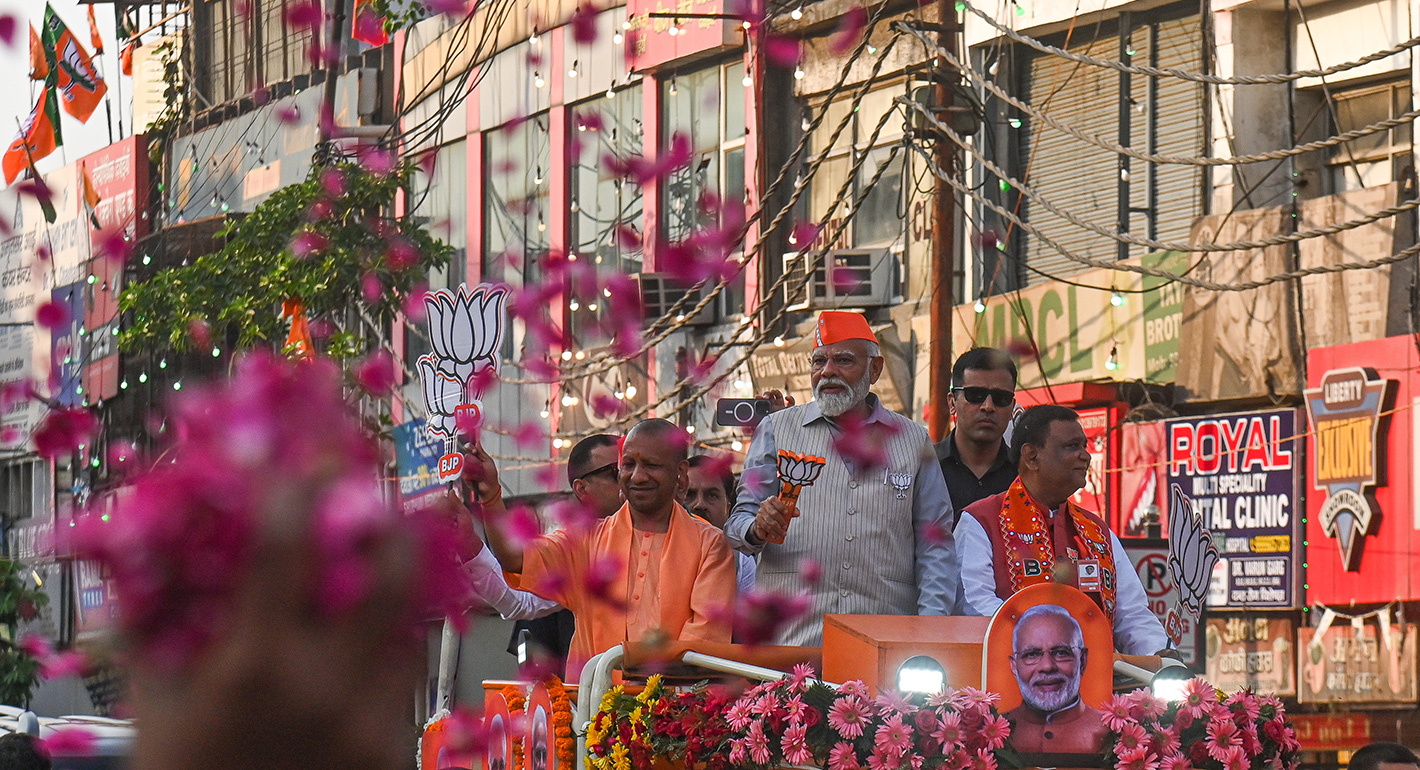
Domestic mobilization, personalized leadership, and nationalism have reshaped India’s global behavior.
Sandra Destradi
The recent record of citizen uprisings in autocracies spells caution for the hope that a new wave of Iranian protests may break the regime’s hold on power.


Thomas Carothers, McKenzie Carrier
European reactions to the war in Iran have lost sight of wider political dynamics. The EU must position itself for the next phase of the crisis without giving up on its principles.

Richard Youngs