

Research
- +10
Rosa Balfour, Frances Z. Brown, Yasmine Farouk, …
{
  "authors": [
    "Moisés Naím"
  ],
  "type": "legacyinthemedia",
  "centerAffiliationAll": "",
  "centers": [
    "Carnegie Endowment for International Peace"
  ],
  "collections": [],
  "englishNewsletterAll": "",
  "nonEnglishNewsletterAll": "",
  "primaryCenter": "Carnegie Endowment for International Peace",
  "programAffiliation": "",
  "programs": [],
  "projects": [],
  "regions": [
    "North America",
    "United States",
    "Middle East",
    "South Asia",
    "East Asia",
    "China",
    "Russia",
    "Western Europe"
  ],
  "topics": [
    "Economy",
    "Climate Change",
    "Global Governance"
  ]
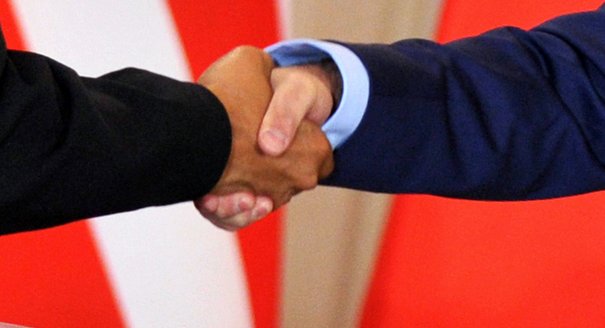
}
Source: Getty
While the international community's capacity to act together dwindles, the problems that need multilateral action are soaring.
Source: El País
What do the European economic crisis, the war in Syria and global warming all have in common? Nobody seems to have the power to stop them.
This is partly due to the fact that all three belong to a dangerous class of challenges now facing the world: problems whose solution depends on the action of several countries acting together. Such problems are not new, of course. But now they are proliferating, becoming more pernicious and complicated to solve while the capacity of countries to coordinate their efforts is declining.
While the international community's capacity to act together dwindles, the problems that need multilateral action are soaring. Technology and the other forces that drive globalization are binding nations, societies and groups ever more tightly together. One of the consequences of this interdependence is a proliferation of the number of problems which are immune to the actions of any one country. The fact is that while problems have become global, the political agreements needed to tackle them are still as local as ever. It is hard for governments to devote resources to problems beyond their borders, and reach compromises with other nations while the tough problems facing citizens at home remain unsolved.The changing panorama of world politics also undermines the international community's ability to work together. As the number and the interests of those who sit at the international negotiating table has increased, the room for agreement and concerted action has shrunk.
Emerging powers such as the BRIC countries (Brazil, Russia, India, China), other new coalitions of countries, and other non-governmental players such as foundations, churches, social activists and business sectors now have the power to demand that their voice be heard, and their interests represented in the negotiations over the manner in which collective problems are to be handled. Inevitably, when all these disparate and contradictory interests are brought into the negotiations, the resulting arrangements reflect the lowest common denominator necessary for agreement. And the agreements that are acceptable to all seldom have sufficient strength to make a dent in big issues. Indeed, international agreements in which a large number of countries decide on coordinated action are increasingly rare. When did we last hear that an agreement with concrete consequences had been reached by a great majority of world nations? It has been 13 years since the UN agreed on the Millennium Development Goals. Since then almost all the international summits have produced paltry results, notably those aimed at the liberalization of trade or the reduction of carbon emissions.
This gap between the growing need for joint international action and the shrinking capacity of nations to act in concert is the most dangerous deficit in the world today.
In economics, when demand exceeds supply, prices rise. In geopolitics, the incapacity of countries to satisfy the demand for solutions to problems that transcend national borders leads to dangerous instability. Financial crises or public-health pandemics that cross borders, overfishing, the exploitation of tropical forests, the pirates who hijack ships off the coast of Somalia, and the proliferation of nuclear weapons are just a few of the well-known examples from a long list of problems that are going to get worse if international cooperation does not improve.
What to do? There are many proposals about how to redesign international governance, to reform existing institutions or even create new ones. Nor are ideas lacking with regard to confronting global problems. What is lacking is the power to carry out the necessary changes, and implement these new ideas. This power is not going to come from summits of heads of state, academic meetings or eloquent speeches. Better management of global problems will happen only when citizens empower their governments to deal effectively with problems that, while seemingly too foreign and too remote, sooner or later will end up having concrete consequences in every home, regardless of where in the world it sits.
Today we are all neighbors -- even if there is an ocean between us.

Distinguished Fellow
Moisés Naím is a distinguished fellow at the Carnegie Endowment for International Peace, a best-selling author, and an internationally syndicated columnist.
Recent Work



Rosa Balfour, Frances Z. Brown, Yasmine Farouk, …
Moisés Naím
Carnegie does not take institutional positions on public policy issues; the views represented herein are those of the author(s) and do not necessarily reflect the views of Carnegie, its staff, or its trustees.
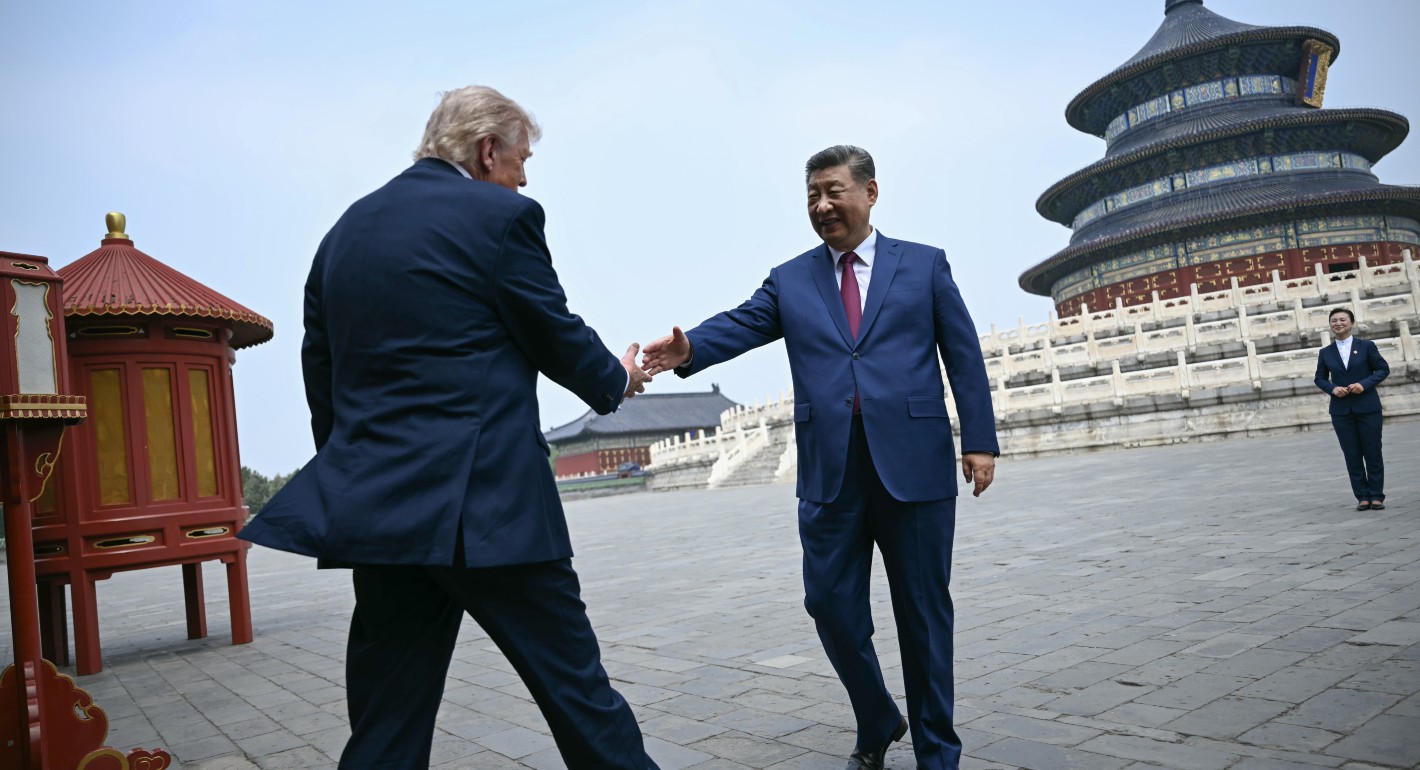
It should address the shortcomings of previous crisis communication efforts and adapt to the demands of frontier AI.

Lucy Luo
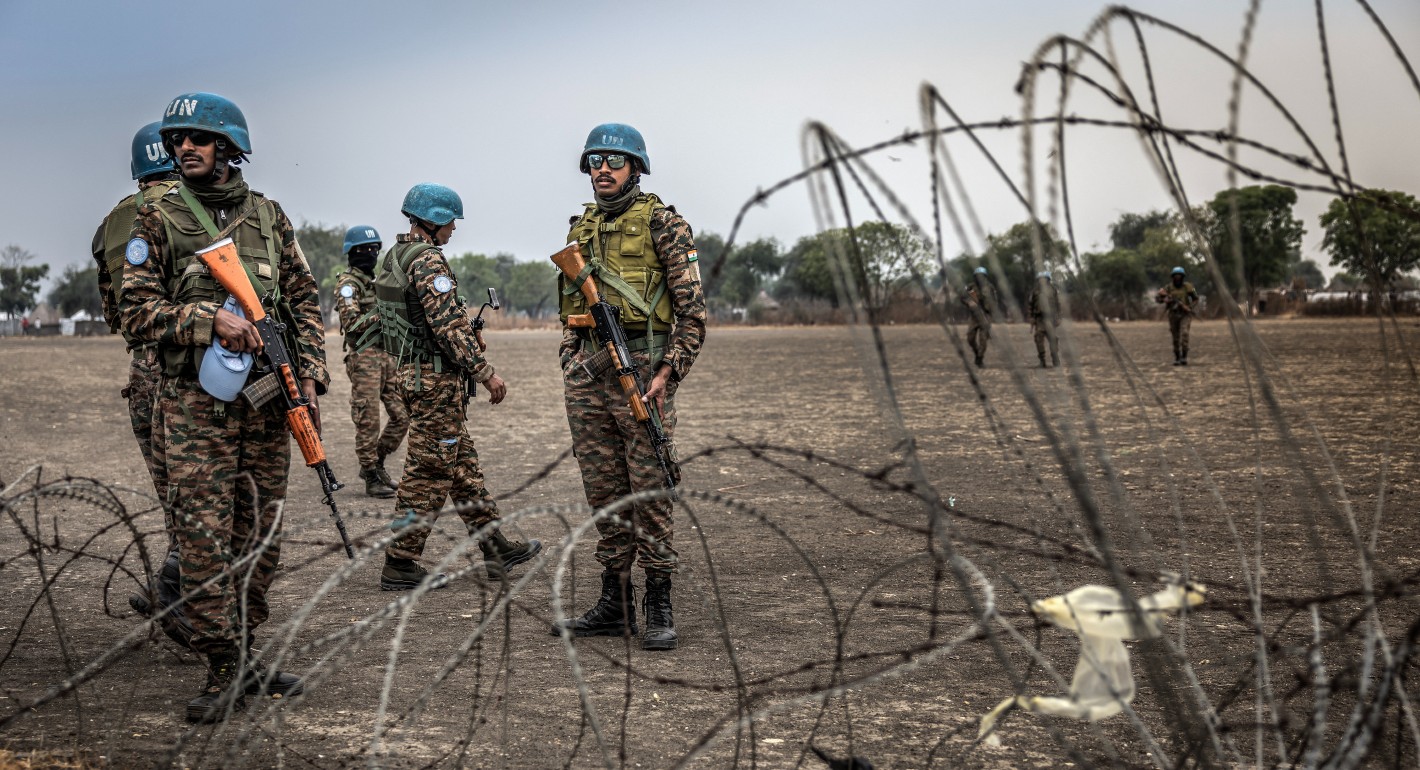
Washington’s decision to support some UN functions while letting others wither is pulling the organization apart at the seams.

Stewart Patrick, Theodore Zaritsky
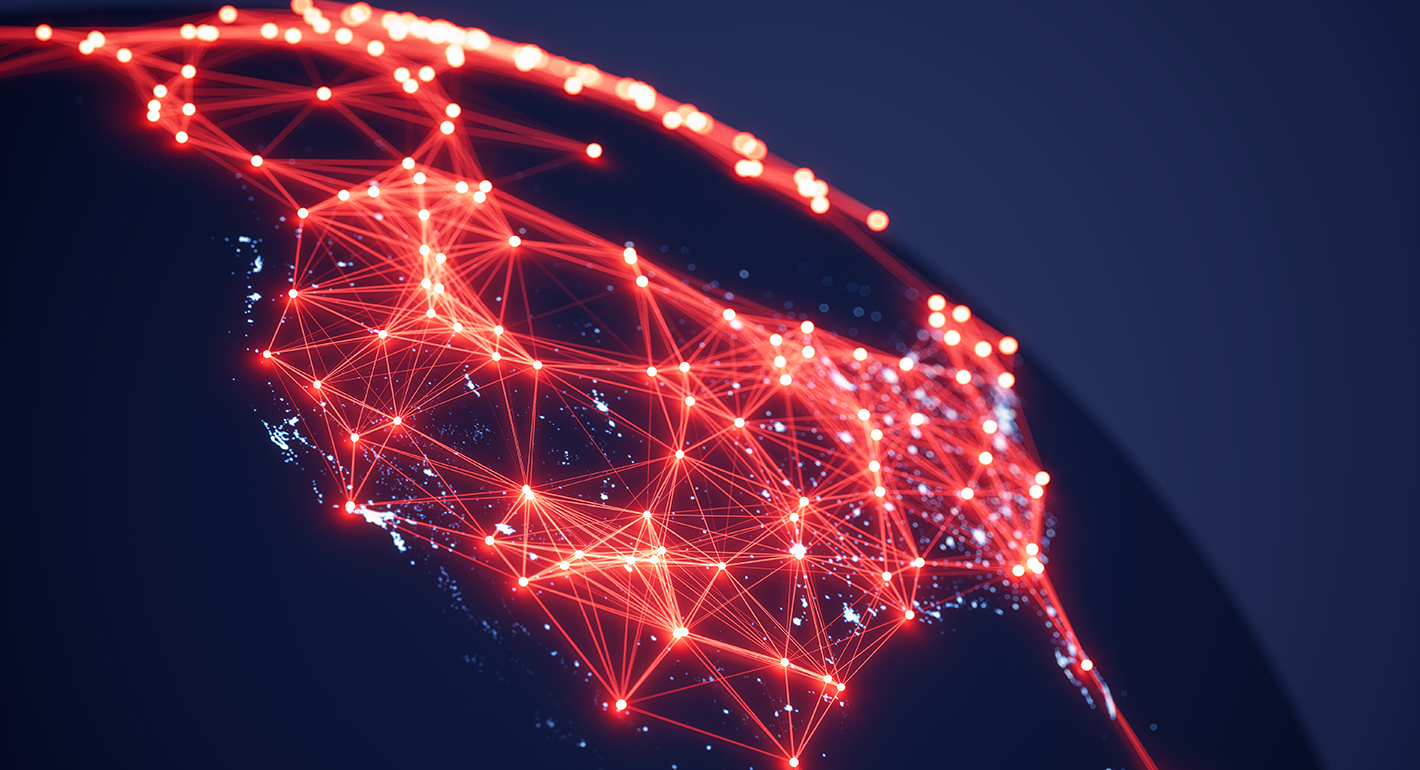
While there are notable demographic, economic, and geographic divides over AI, there is also substantial alignment between Republicans and Democrats.


Ian Klaus, Mark Baldassare, Rachel George, …

Are Germany’s economic, industrial, and political struggles becoming a liability for the EU’s ability to rise to the geopolitical moment?

Rym Momtaz, ed.

Russia’s ruling party would have benefited from Putin appearing as its distant patron, but as an active frontman imposing his views on the public, he has done nothing but harm both the party’s election campaign and the ruling system overall.

Andrey Pertsev