

Article
C. Raja Mohan, Darshana M. Baruah
{
  "authors": [
    "C. Raja Mohan"
  ],
  "type": "legacyinthemedia",
  "centerAffiliationAll": "dc",
  "centers": [
    "Carnegie Endowment for International Peace",
    "Carnegie China",
    "Carnegie India"
  ],
  "collections": [
    "China’s Foreign Relations",
    "China and the Developing World"
  ],
  "englishNewsletterAll": "ctw",
  "nonEnglishNewsletterAll": "",
  "primaryCenter": "Carnegie India",
  "programAffiliation": "SAP",
  "programs": [
    "South Asia"
  ],
  "projects": [],
  "regions": [
    "South Asia",
    "India",
    "East Asia",
    "China"
  ],
  "topics": [
    "Security",
    "Foreign Policy"
  ]
}
Source: Getty
A healthy respect for China's power under Xi, rather than romantic notions about building an Eastern Bloc against the West, must guide Indian policy towards China.
Source: Indian Express
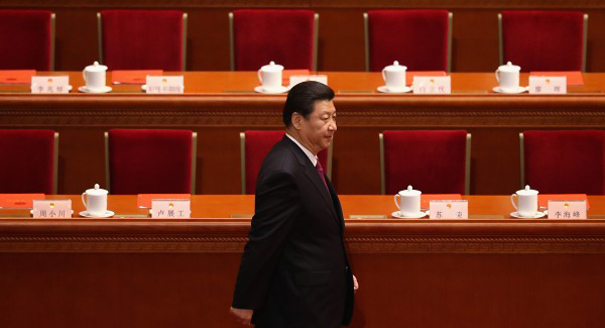
Chinese leader Xi Jinping's first tour abroad as the president of the People's Republic should give the world a good measure of the personal style and worldview of a man who will be at the helm in Beijing for a whole decade. Few successors of Deng Xiaoping have begun their tenure at the top with the kind of power that Xi has accumulated at home. And no modern Chinese leader has had as much say in world affairs as Xi is bound to enjoy in the coming decade.
Xi has already broken a major taboo by deciding to travel with his wife, Peng Liyuan, a celebrated singer and star in her own right in China. In the Chinese communist political tradition, the wives of the top leaders were neither to be seen nor heard. If the wooden Hu Jintao could not go beyond communist jargon, Xi has already demonstrated carefully scripted political spontaneity in his public appearances at home. Unlike Hu, Xi is likely to be an engaging and energetic leader on the diplomatic stage.
If personal style makes Xi an attractive leader, there is no mistaking the steel in his political message. At home, Xi has emphasised the "renewal of the Chinese nation". Abroad, Xi is leaving no one in doubt that China will be uncompromising in the defence of its core national interests. Equally important is the message that China will no longer hide its capabilities and bide its time. China under Xi is ready to lead. It is not clear if China's interlocutors — both friends and foes — are prepared for this.At the first stop on his tour, Moscow, Xi underlined the importance of Russia as the most valued great-power partner for China and touched on the familiar anti-Western themes — including the principle of non-intervention in the internal affairs of other nations — that have much resonance in Moscow these days. At the Durban summit this week, Xi will lead Russia, India, Brazil and South Africa in laying the foundations for non-Western financial institutions like the proposed BRICS Bank.
The focus on Xi's tough rhetoric in Moscow and his performance at the BRICS summit should not in any way reduce the importance of Xi's two other stops on the tour — Tanzania and Congo. Xi's predecessor, Hu Jintao, travelled four times to Africa in his decade-long tenure as China's president. Xi is ready to devote even greater strategic attention to Africa. Unlike in Asia, where China's territorial disputes and historical antagonisms have constrained Beijing, Africa offers much greater freedom of strategic manoeuvre to China's new leaders.
If China is having a free run in Africa, the continent also underlines some of the political problems associated with China's emergence as a great power. China's economic and political profile in Africa has risen rapidly over the last decade. But Beijing has also invited a mild backlash to the economic model it has promoted in the continent. Beijing's intensive diplomacy with Africa over the last decade has seen a dramatic rise in China's trade with the continent — from barely $10 billion in 2000 to nearly $200 bn in 2012. China's massive investments in Africa's mineral sector have been accompanied by an expansive emphasis on building transport infrastructure that links the continent to itself and the world markets. Beijing has also emerged as a major donor of economic assistance to Africa. Unlike the West, China does not put any conditions for the aid or give lectures on good governance to Africa.
China's emphasis on non-intervention in internal affairs and the size of its economic assistance — last year Beijing offered loans worth $20 bn — has given Africa greater room vis-a-vis the Western powers that have long dominated its political and economic landscape. At the same time, China's Africa policy has drawn charges of "neo-colonialism". It is not just Western governments and activist groups that are accusing Beijing of an exploitative relationship with Africa. Earlier this month, the chairman of Nigeria's central bank, Lamido Sanusi, urged Africa to reconsider its romance with China. Writing in the Financial Times, Sanusi pointed out: "China takes our primary goods and sells us manufactured ones. This was also the essence of colonialism." Through his sojourn in Africa, Xi is likely to try and correct this perception. This criticism does not necessarily mean any significant reduction in the political value of a partnership with China for African leaders. The many consequential agreements that Xi plans to sign in Tanzania and Congo will reflect the deepening African economic and political bonds with China.
In the end, Xi's first visit abroad is about asserting China's leadership on the global stage. The Western nations that have urged China to become a "responsible stakeholder" might not be entirely pleased as Xi seeks to protect China's growing international interests and demands a rewriting of international rules.
Meanwhile, those in New Delhi and Moscow who think they can line up behind Beijing on multilateral issues and improve their leverage with the United States may also be in for a rude shock. For, the strategic imbalance between China on the one hand, and India and Russia on the other, is growing fast even as the power gap between Beijing and Washington narrows. China is now the unquestioned senior partner in the BRICS. This historic power shift means forums like the BRICS improve Beijing's leverage with Washington and help Xi set the terms for an accommodation between a rising China and a US that is in relative decline.
A healthy respect for China's power under Xi and an appreciation of what it means for international relations, rather than romantic notions about building an Eastern Bloc against the West, must guide Indian diplomacy in Durban.
Former Nonresident Senior Fellow, Carnegie India
A leading analyst of India’s foreign policy, Mohan is also an expert on South Asian security, great-power relations in Asia, and arms control.
Recent Work

C. Raja Mohan, Darshana M. Baruah


Alexander Gabuev, Paul Haenle, C. Raja Mohan, …
Carnegie does not take institutional positions on public policy issues; the views represented herein are those of the author(s) and do not necessarily reflect the views of Carnegie, its staff, or its trustees.
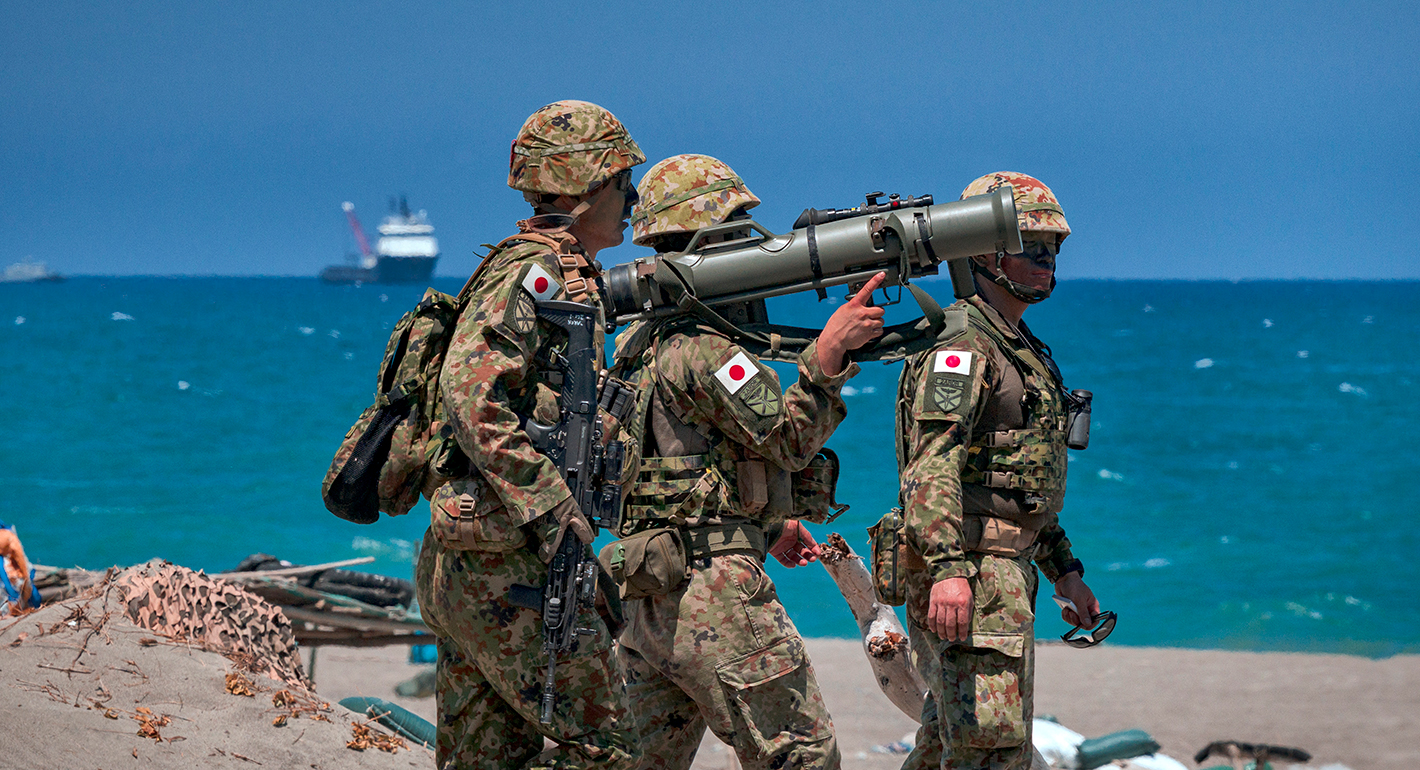
Japan’s revision of its three strategic documents reflects an intention to keep the United States engaged in the region while Japan fills any vacuums of U.S. power to preserve the Indo-Pacific order.
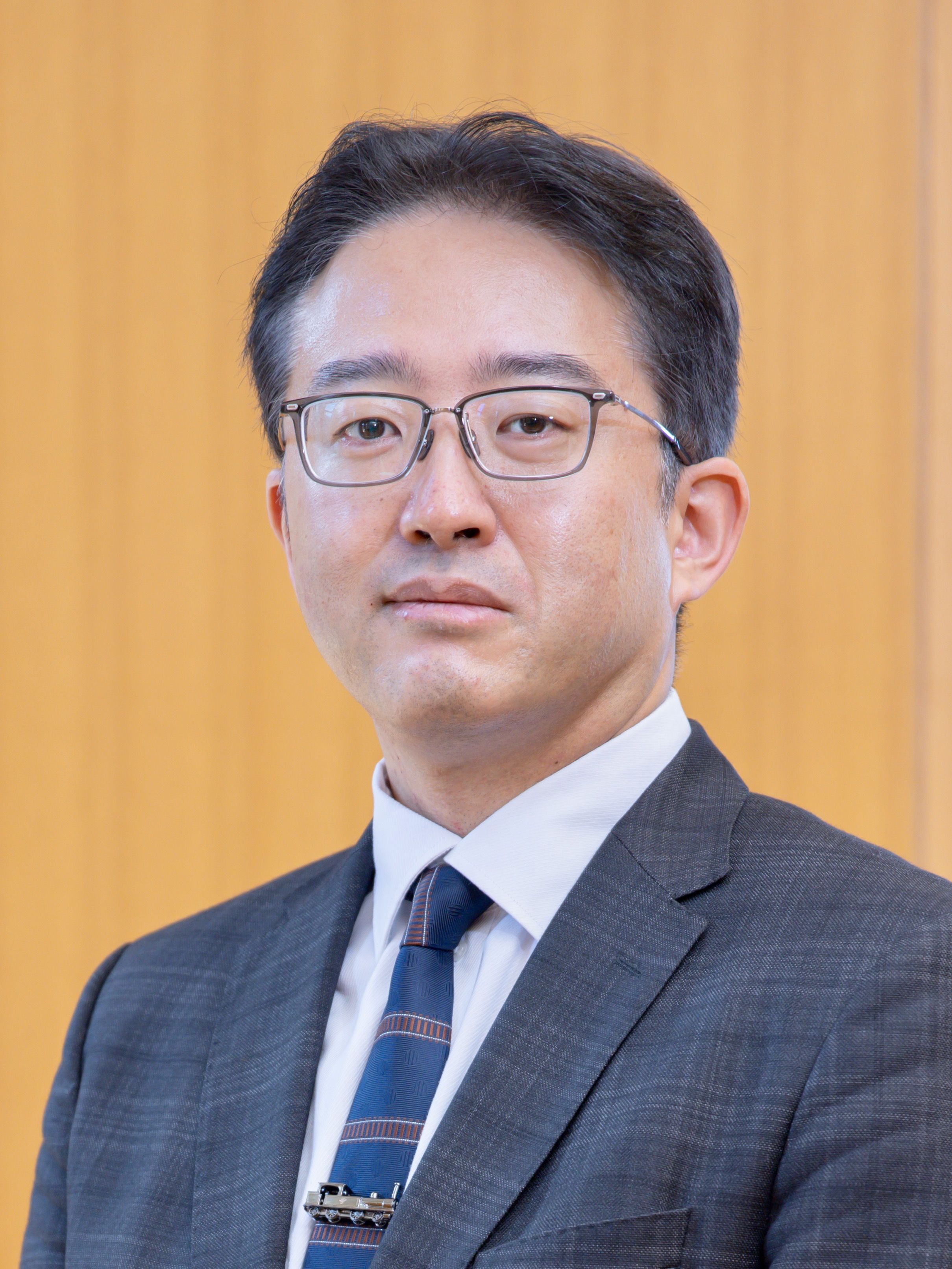
Ryo Sahashi

Chinese biotech companies have been on the receiving end of U.S. economic coercion. Yet their responses have differed significantly because firm and state interests are not uniformly aligned. For Washington, treating all Chinese tech firms the same, irrespective of their actual interests, risks pushing them farther into Beijing’s corner.

Xue Gong
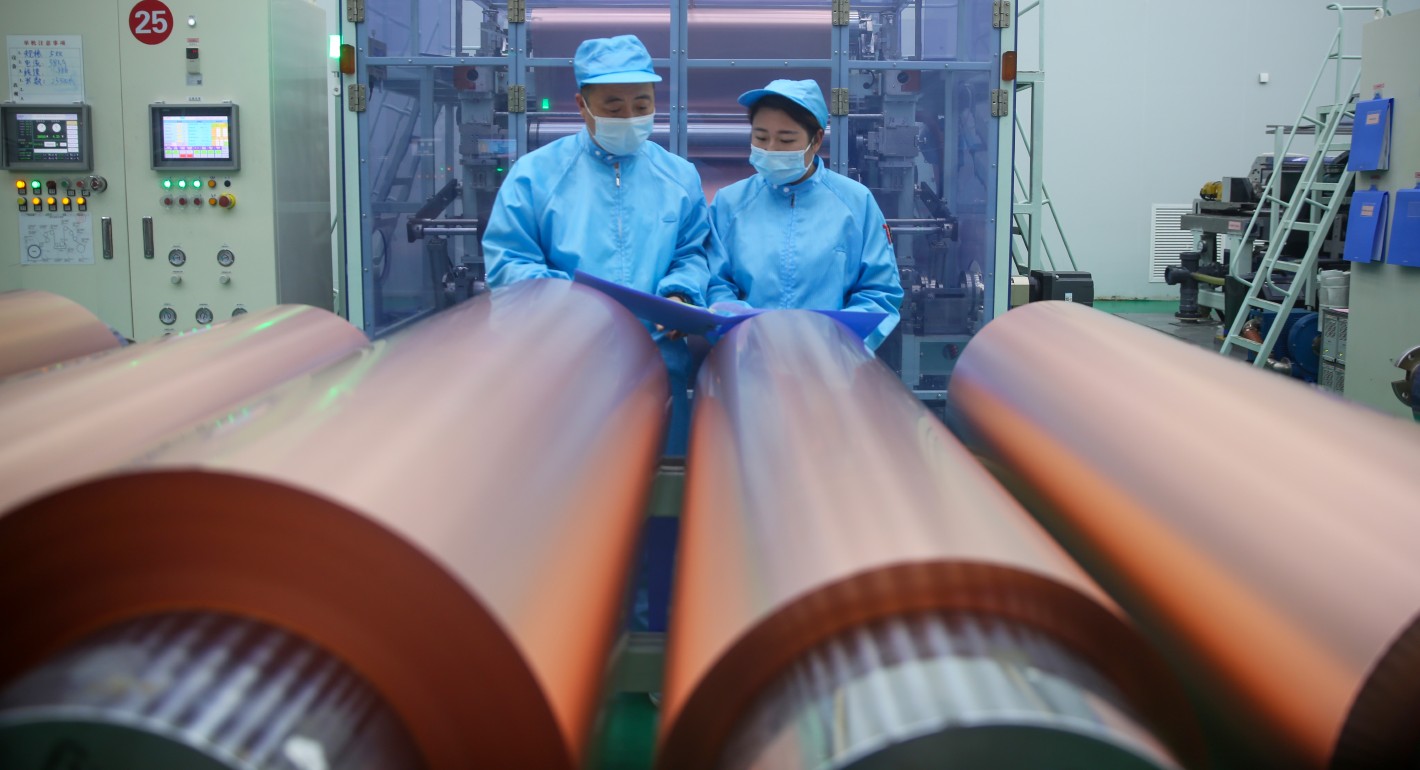
Over the past decade, China has moved from marginal player to major producer of all things batteries. The United States, Europe, and others are aiming to balance the market.

Milo McBride
Lee’s tour shows how Seoul is reorganizing its diplomacy away from Pyongyang and toward industrial networks and the geography of the compute economy.

Darcie Draudt-Véjares

Most migrants may have left Ceuta, but the effects may linger.


Alejandro Martin Rodriguez, Sarah Yerkes