

Research
- +11
Frances Z. Brown, Nate Reynolds, Priyal Singh, …
{
  "authors": [
    "Andrew S. Weiss"
  ],
  "type": "legacyinthemedia",
  "centerAffiliationAll": "dc",
  "centers": [
    "Carnegie Endowment for International Peace",
    "Malcolm H. Kerr Carnegie Middle East Center",
    "Carnegie Russia Eurasia Center"
  ],
  "collections": [],
  "englishNewsletterAll": "ctw",
  "nonEnglishNewsletterAll": "",
  "primaryCenter": "Carnegie Endowment for International Peace",
  "programAffiliation": "russia",
  "programs": [
    "Russia and Eurasia"
  ],
  "projects": [
    "Eurasia in Transition"
  ],
  "regions": [
    "North America",
    "United States",
    "Middle East",
    "Syria",
    "Russia",
    "Levant"
  ],
  "topics": [
    "Foreign Policy",
    "Global Governance"
  ]
}
Source: Getty
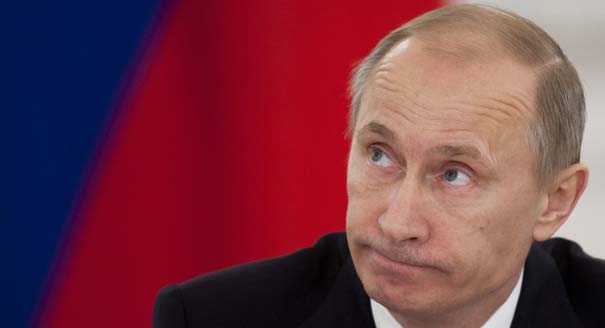
Russian President Vladimir Putin’s New York Times op-ed does not complicate international negotiations over Syria’s chemical weapons. Contrary to common perceptions, Putin is pragmatic and capable of making deals.
Source: Bloomberg TV
Speaking on Bloomberg TV’s Taking Stock, Carnegie’s Andrew Weiss said that Vladimir Putin’s op-ed in the New York Times does not complicate Secretary of State John Kerry’s negotions over Syria's chemical weapons, as President Putin and other Russian officials have previously made statements similar to the ones in the op-ed. More important than the op-ed, Weiss suggested, is the question of what Russian negotiators will sign on to and what Putin will realistically be able to get Bashar al-Assad to do regarding his chemical weapons. Weiss emphasized that, contrary to popular perception, Vladimir Putin is not a “Soviet retread,” but a pragmatic figure capable of cutting deals.
James Family Chair, Vice President for Studies
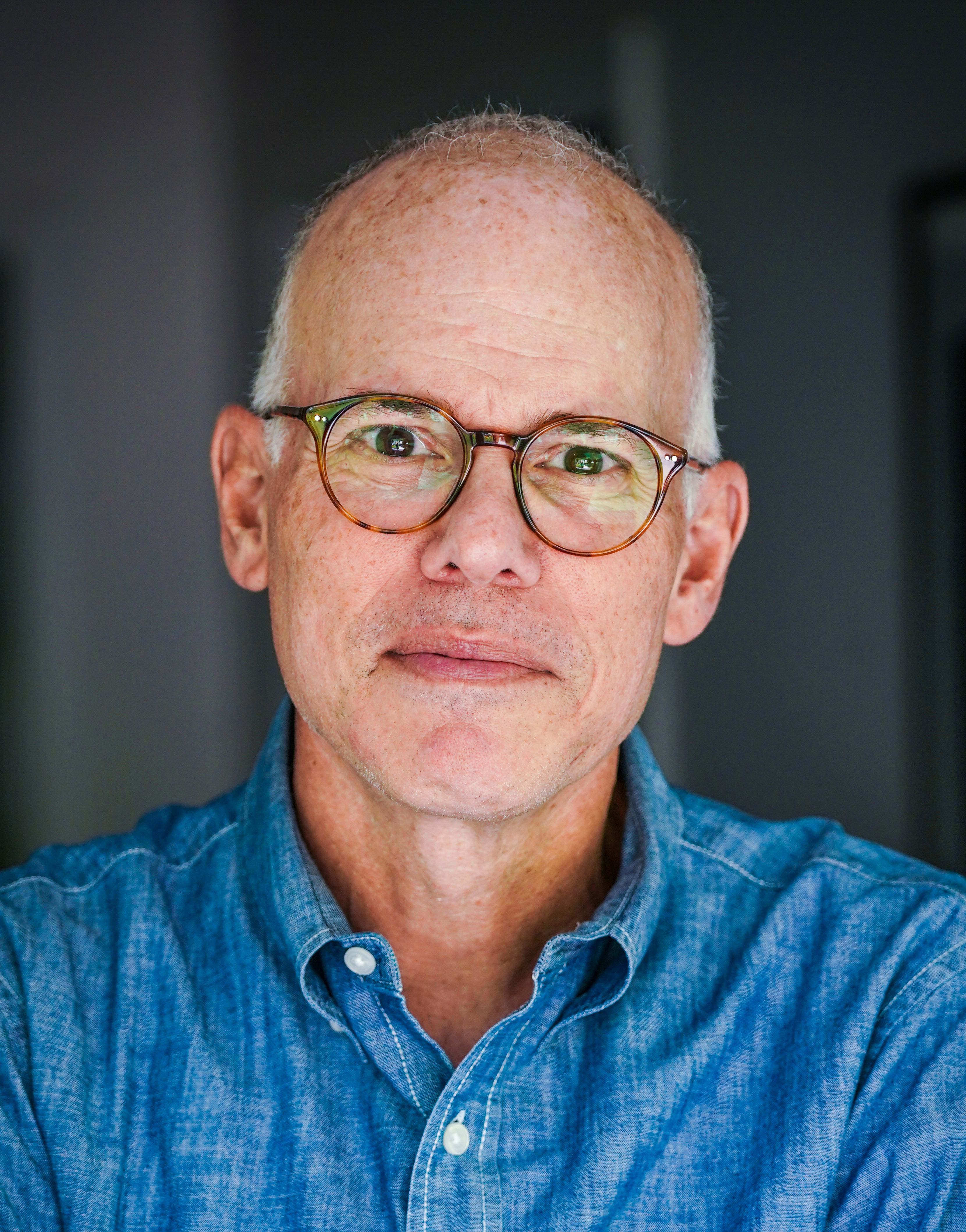
Andrew S. Weiss is the James Family Chair and vice president for studies at the Carnegie Endowment for International Peace, where he oversees research on Russia, Ukraine, and Eurasia. His graphic novel biography of Vladimir Putin, Accidental Czar: the Life and Lies of Vladimir Putin, was published by First Second/Macmillan in 2022.
Recent Work

Frances Z. Brown, Nate Reynolds, Priyal Singh, …

James M. Acton, Saskia Brechenmacher, Cecily Brewer, …
Carnegie does not take institutional positions on public policy issues; the views represented herein are those of the author(s) and do not necessarily reflect the views of Carnegie, its staff, or its trustees.
It’s time to build momentum, and Ankara is the venue of the next opportune diplomatic window to do this.

Alper Coşkun, Garo Paylan
The EU is putting together a new security strategy to meet today’s myriad challenges. But for any proposal to be effective, the union needs to grapple with its identity and ambitions.

Pierre Vimont
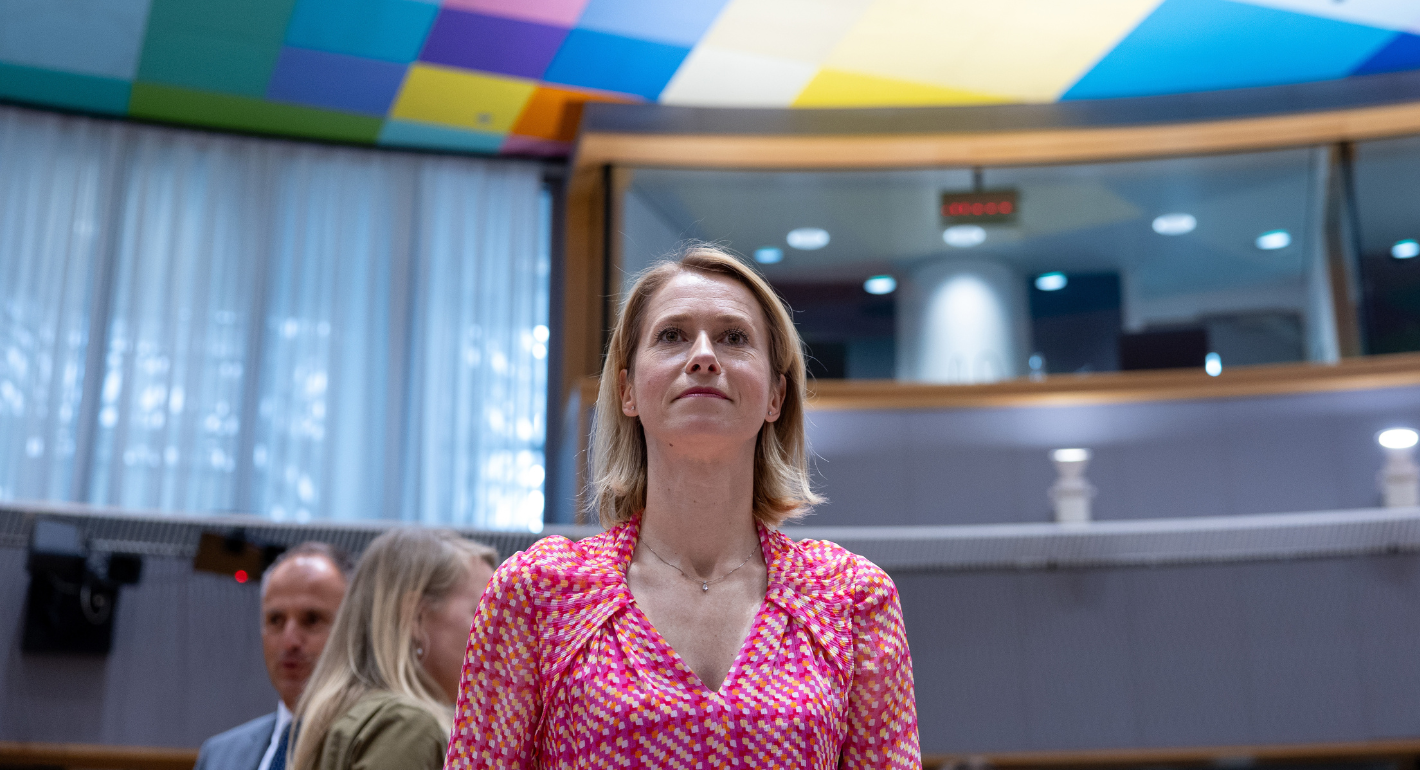
Three years after the Ohrid Agreement, Kosovo and Serbia remain far from normalization. To revive implementation, the EU should abandon its ambiguity and act as an even-handed arbitrator.
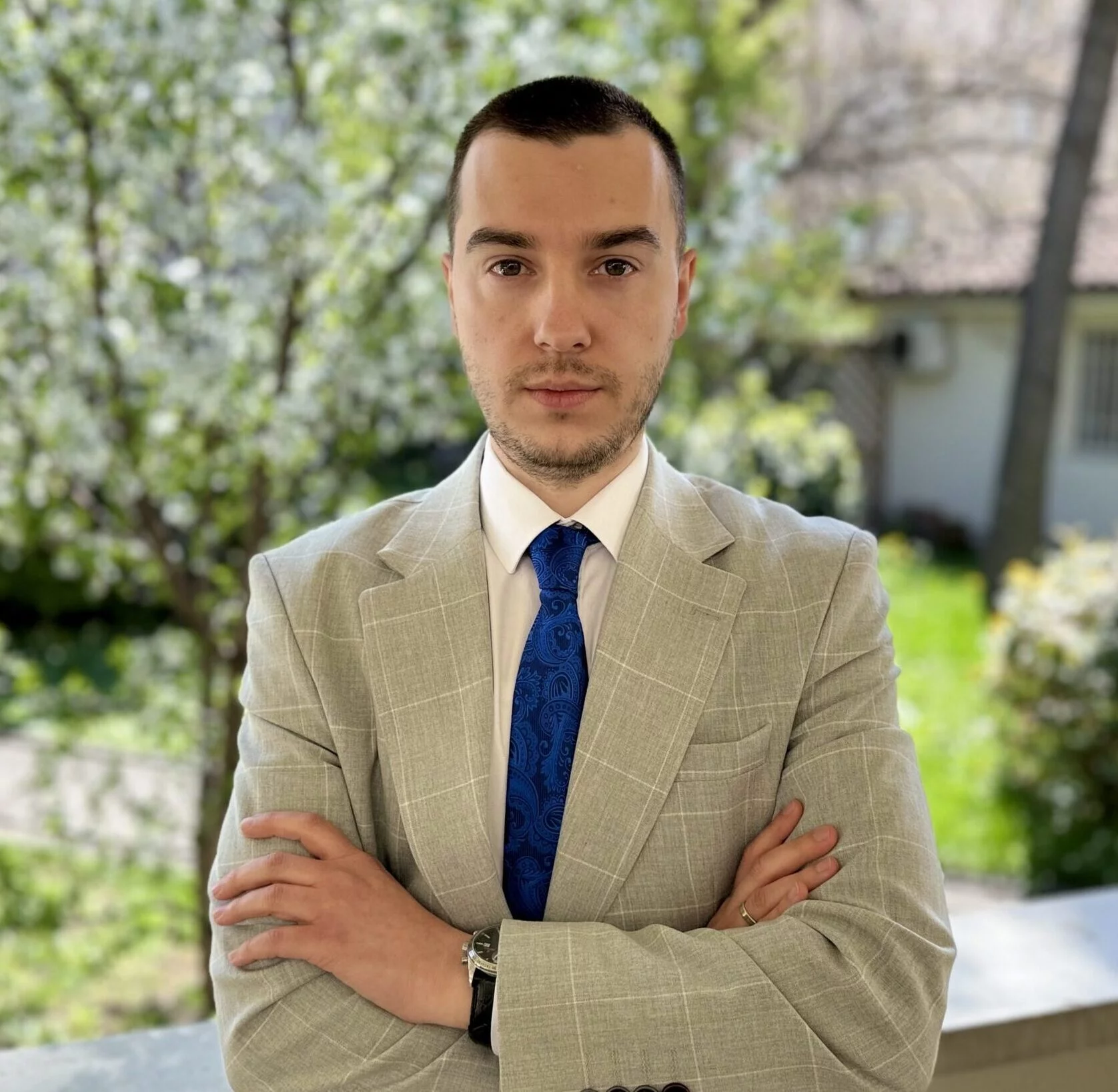
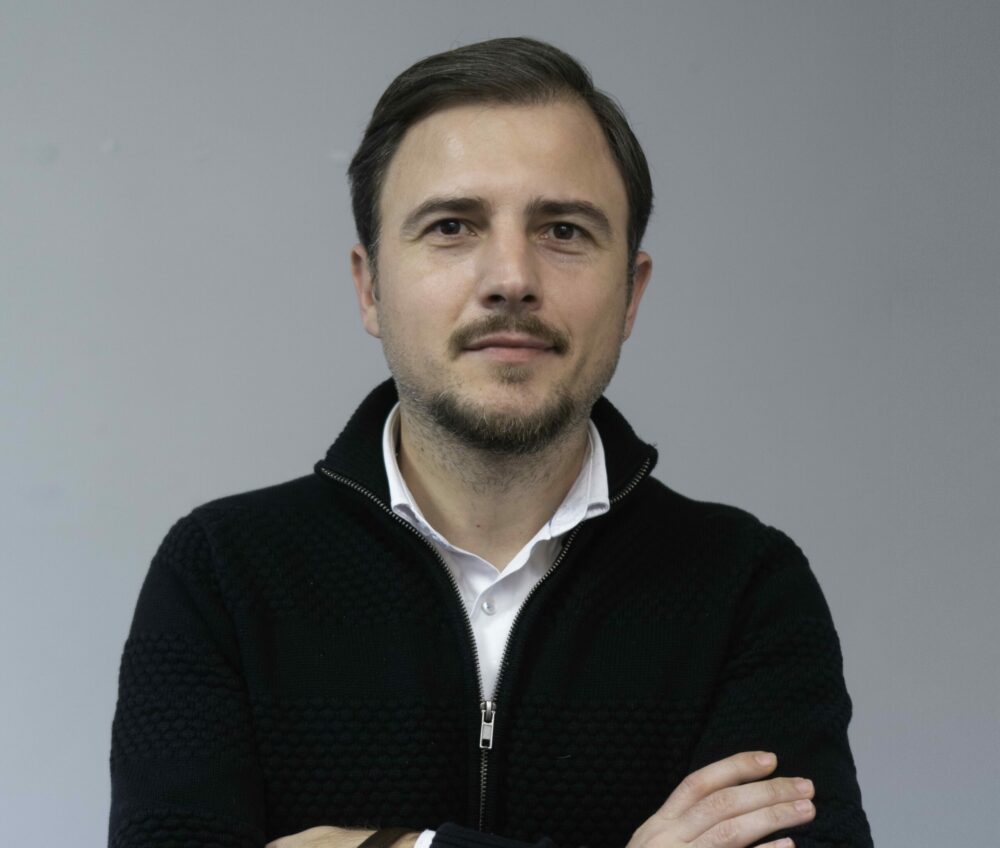

Miloš Pavković, Fitim Gashi, Iliriana Gjoni, …
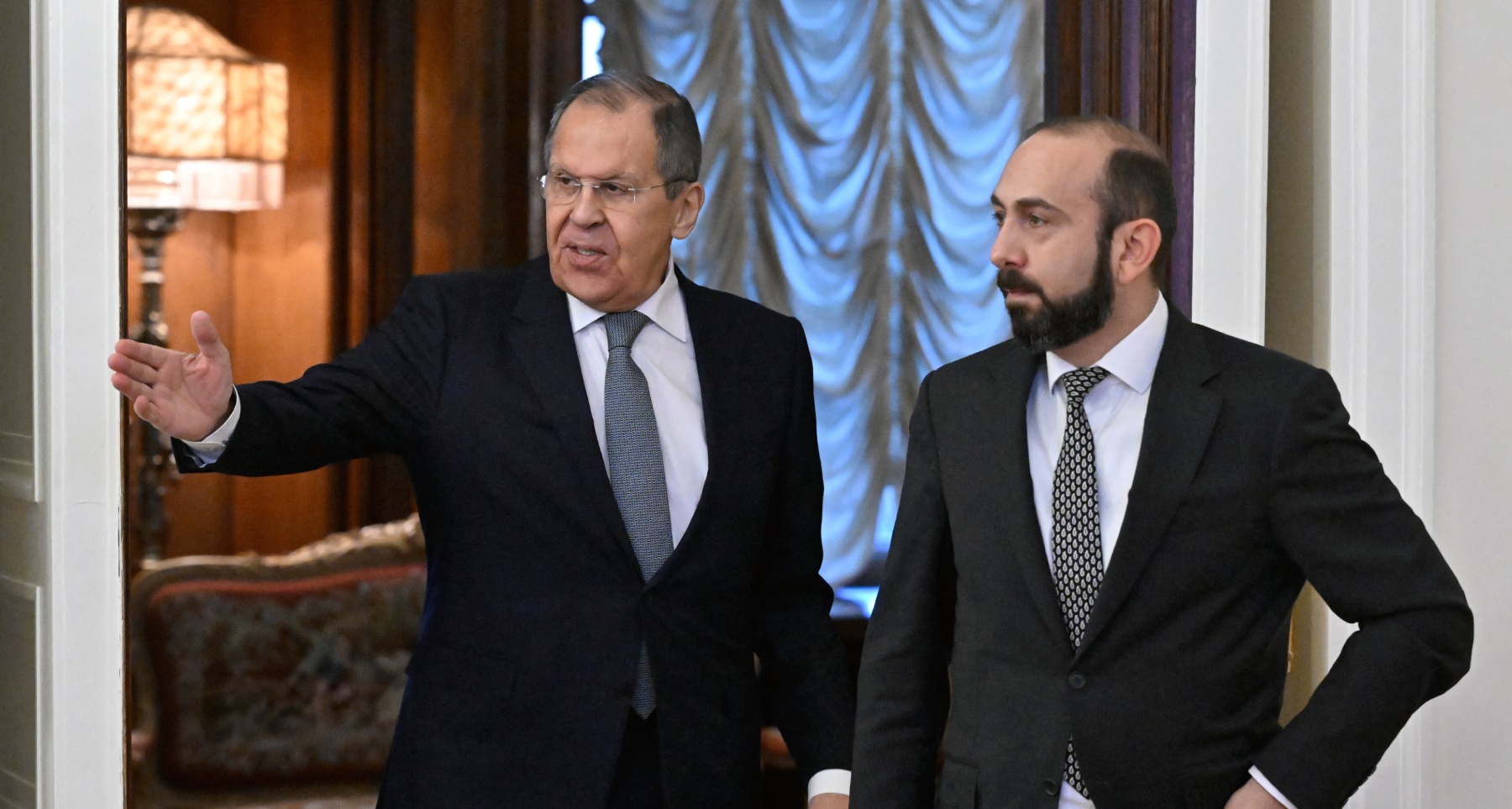
For all the menacing rhetoric, the Armenian prime minister remains a leader with whom Putin is prepared to interact: not as an ally, but as a partner, albeit a problematic one.
Alexander Atasuntsev
Alternatives to the major powers must play a larger role, no matter if the aim is preservation of the existing global order, reform of its institutions, or transformation into a new model of governance.
Miles Kahler