

Q&A
Suzanne Maloney, Aaron David Miller, Karim Sadjadpour
{
  "authors": [
    "Karim Sadjadpour"
  ],
  "type": "legacyinthemedia",
  "centerAffiliationAll": "dc",
  "centers": [
    "Carnegie Endowment for International Peace",
    "Malcolm H. Kerr Carnegie Middle East Center"
  ],
  "collections": [
    "Iranian Proliferation"
  ],
  "englishNewsletterAll": "menaTransitions",
  "nonEnglishNewsletterAll": "",
  "primaryCenter": "Carnegie Endowment for International Peace",
  "programAffiliation": "MEP",
  "programs": [
    "Middle East"
  ],
  "projects": [],
  "regions": [
    "United States",
    "Middle East",
    "Iran"
  ],
  "topics": [
    "Nuclear Policy",
    "Foreign Policy"
  ]
}
Source: Getty
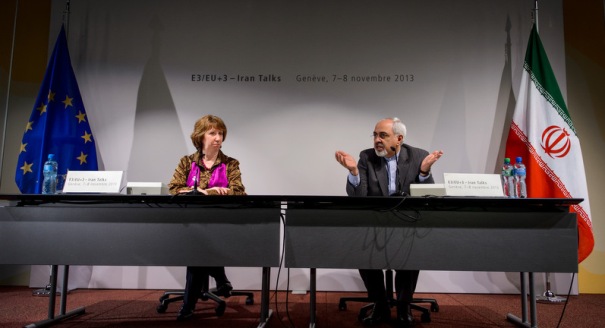
While the Iran nuclear deal offers a potential nuclear détente, the United States and Iran are not on the verge of a rapprochement just yet.
Source: CNN
The Iran nuclear deal is not a moment for euphoria but a moment for cautious optimism, said Carnegie’s Karim Sadjapour on CNN. While the deal provides minor sanctions relief and unfreezes about 10 billion dollars’ worth of Iranian assets, the reality is that if six months from now Iran decides to renege on some of the agreements, the sanctions will remain intact. “If it took marathon diplomacy to reach only an interim deal, to reach a final resolution to this conflict, it’s going to resemble an ultra-marathon through mine fields,” Sadjapour explained. “It’s going to be very difficult to reach a final resolution.”
“We have to have realistic expectations about what this deal is. The United States and Iran are not going to be allies tomorrow. The United States, Saudi Arabia, and Israel are going to remain allies,” Sadjapour noted. “This is very much potential nuclear détente. We are not on the verge of a U.S.-Iran rapprochement.”

Senior Fellow, Middle East Program
Karim Sadjadpour is a senior fellow at the Carnegie Endowment for International Peace, where he focuses on Iran and U.S. foreign policy toward the Middle East.
Recent Work


Suzanne Maloney, Aaron David Miller, Karim Sadjadpour

Aaron David Miller, Karim Sadjadpour, Robin Wright
Carnegie does not take institutional positions on public policy issues; the views represented herein are those of the author(s) and do not necessarily reflect the views of Carnegie, its staff, or its trustees.
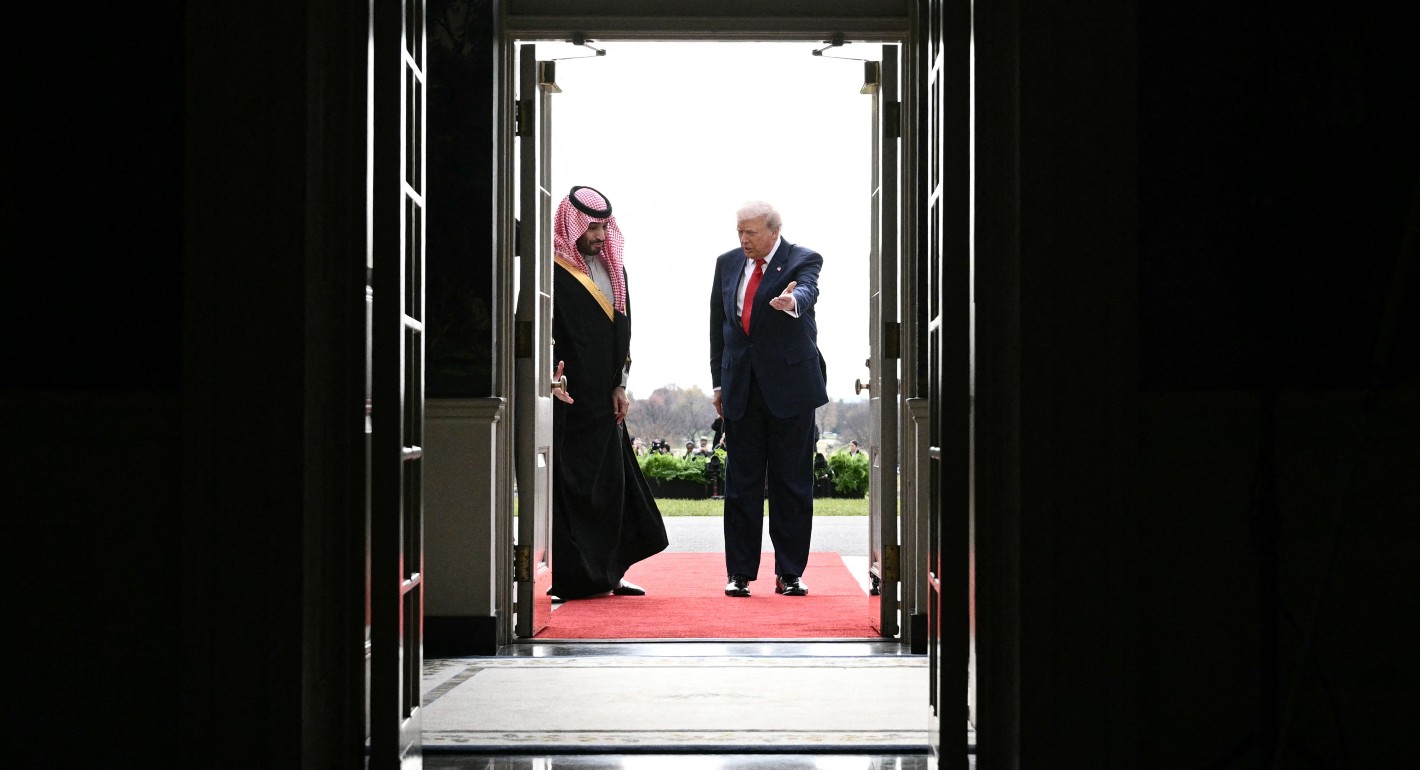
Despite the agreement’s uncertainty, it’s still a significant development in regional and nuclear policy.


Andrew Leber, Jane Darby Menton
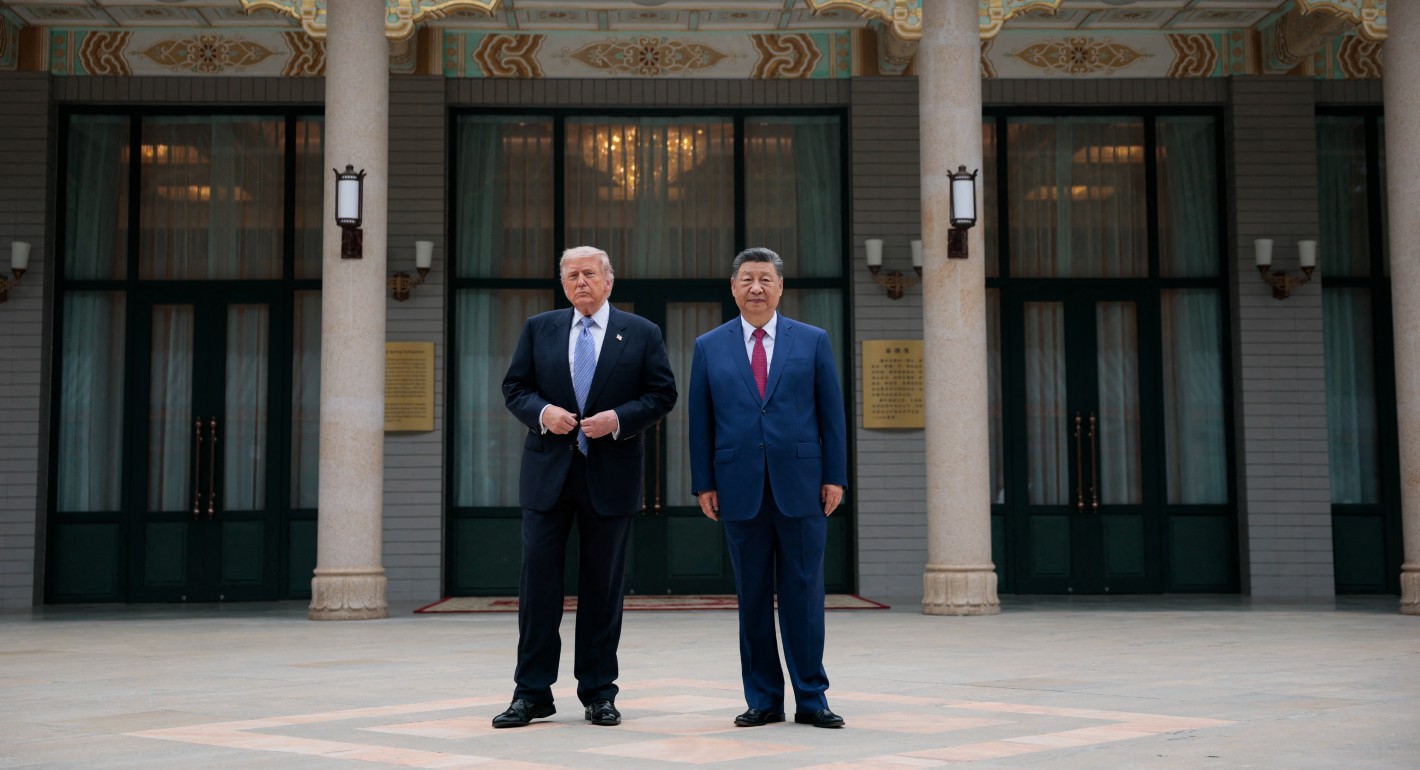
“AI safety in parallel” is modest and pragmatic but vital.

Matt Sheehan

Trump is distracted and Ukraine wants Europe to step up. The continent’s leaders must find their voice and assert it in talks with Russia.

Alissa de Carbonnel
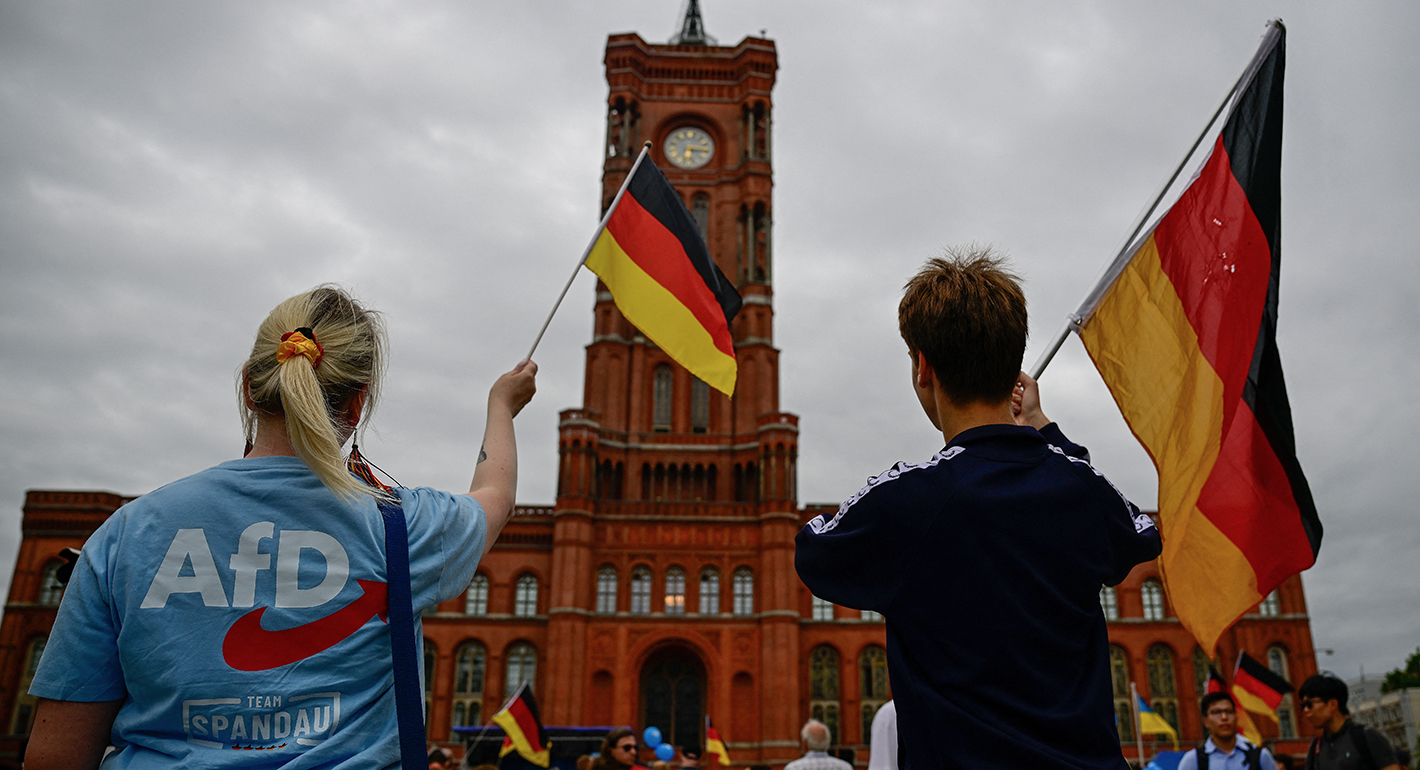
Unresolved tensions within the AfD may ultimately constrain the its potential as a leader among European and global populist forces.
Jeremy Cliffe
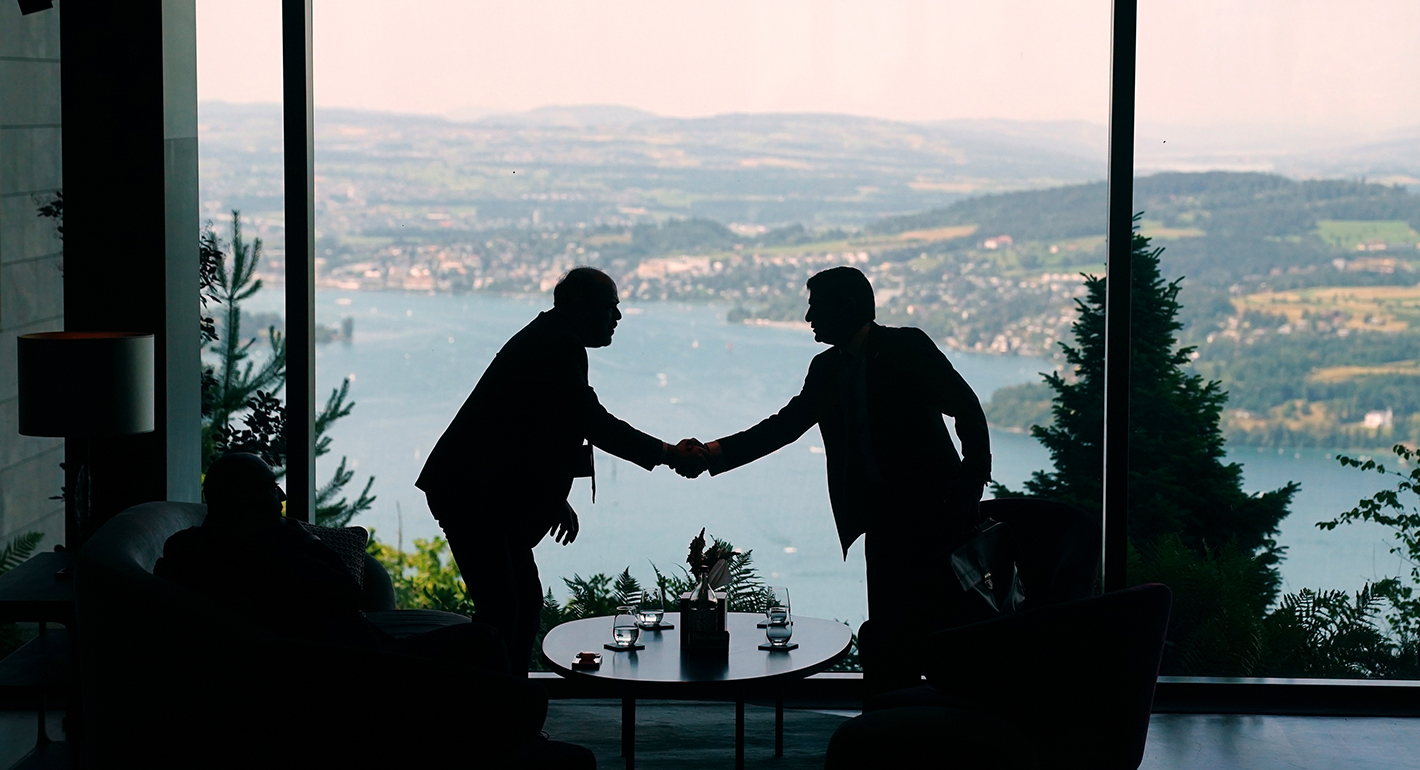
There is a deeply rooted assumption in post–Cold War American statecraft that overwhelming military and economic power translates directly into favorable political outcomes. But force alone is rarely enough. To meet the challenges of the mid-21st century, Washington needs a cultural shift toward a mindset that takes negotiation far more seriously.
Cecily Brewer