

Commentary
Dmitri Trenin
{
  "authors": [
    "Dmitri Trenin"
  ],
  "type": "commentary",
  "centerAffiliationAll": "",
  "centers": [
    "Carnegie Endowment for International Peace",
    "Carnegie Russia Eurasia Center"
  ],
  "collections": [],
  "englishNewsletterAll": "",
  "nonEnglishNewsletterAll": "",
  "primaryCenter": "Carnegie Russia Eurasia Center",
  "programAffiliation": "",
  "programs": [],
  "projects": [],
  "regions": [
    "Russia",
    "Eastern Europe",
    "Ukraine"
  ],
  "topics": [
    "Political Reform",
    "Foreign Policy"
  ]
}
Source: Getty
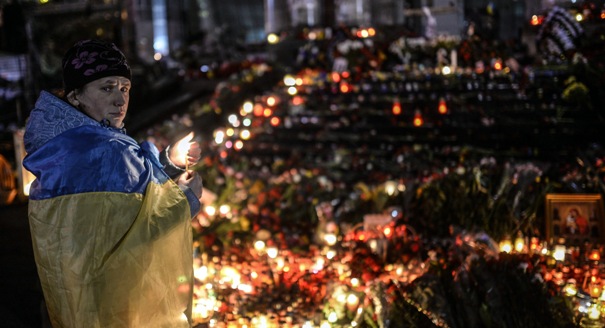
Ukraine’s “February revolution” is sometimes described as a major blow to Russia and to President Vladimir Putin, personally. In fact, it may be a blessing in disguise for both.
Ukraine's "February revolution" is sometimes described as a major blow to Russia, and to President Vladimir Putin, personally. In fact, it may be a blessing in disguise for both.
First, because it has put an end to the duplicitous policies of the President Viktor Yanukovych administration, habitually playing Russia off the West.
Second, because the recent triumph of western Ukraine in Kiev forces the Russophone eastern and southern regions to seek to protect their own interests. A decentralized Ukraine which might emerge as a result would be Russia's best bet.
Third, the European Union will now have to help bail out Ukraine and start paying for Ukraine's modernization, which eventually would improve business conditions there for all, including for Russia.
Fourth, since Russia does not owe anything to the new would-be rulers in Kiev, it can disburse its promised financial assistance to Ukraine more wisely.
So much for the upside. The situation in Ukraine, however, remains highly uncertain.
A new power balance—whether in Kiev or between Kiev and the regions, or among the regions—will not shape up for months at least.
The threat of a civil war continues to exist. Radicals of various stripes are getting armed and are becoming more aggressive.
Crimea is a sore point. A conflict there can serve as a gateway to Russia's direct involvement in Ukraine. Moscow would need a lot of sang-froid to protect its interests there and avoid being trapped.
In terms of Russian domestic politics, the ouster of Yanukovych is not necessarily writing on the wall for Putin.
True, the crisis in Ukraine has demonstrated the brittleness of relative stability which exists in Russia. Still, "Russia is not Ukraine," to use Leonid Kuchma's famous phrase, in terms of political culture, competing national narratives, or the level and structure of personal income. Ukraine's February revolution may inspire some Russians, but it will definitely scare many more—especially as the dreams of Ukrainians to be admitted to the EU and see their standard of living substantially improved are unlikely to come true for quite some time. Conversely, the toppling of the notoriously kleptocratic regime next door can strengthen the hand of those within Russia who want both a stronger and a cleaner state.
Former Director, Carnegie Moscow Center
Trenin was director of the Carnegie Moscow Center from 2008 to early 2022.
Recent Work
Dmitri Trenin
Dmitri Trenin
Carnegie does not take institutional positions on public policy issues; the views represented herein are those of the author(s) and do not necessarily reflect the views of Carnegie, its staff, or its trustees.
While France and Australia are seeking to establish the legal obligations of messaging apps like Telegram, Russia wants total subordination.

Maria Kolomychenko
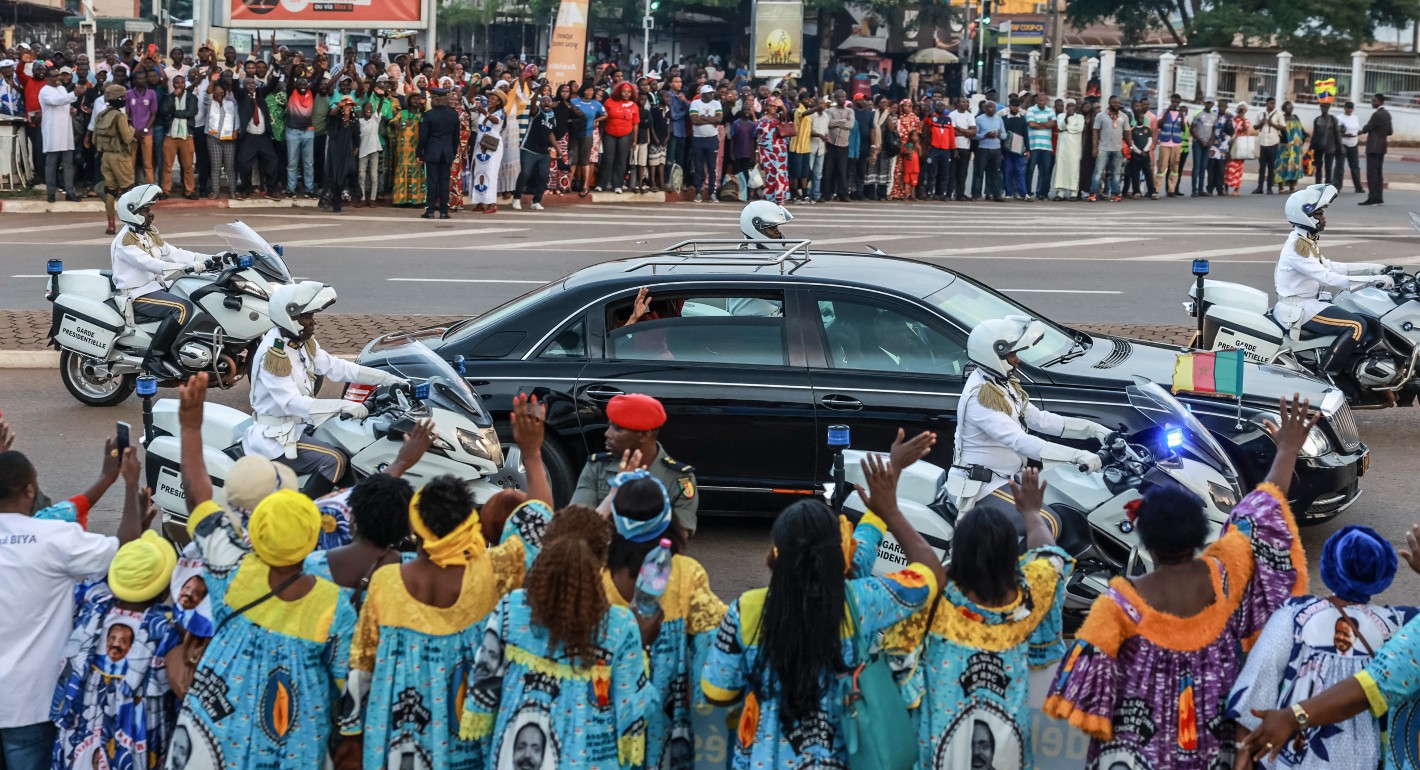
The ninety-three-year-old Biya’s absence and refusal to name a vice president threaten to upend domestic and regional stability.

Lesley Anne Warner
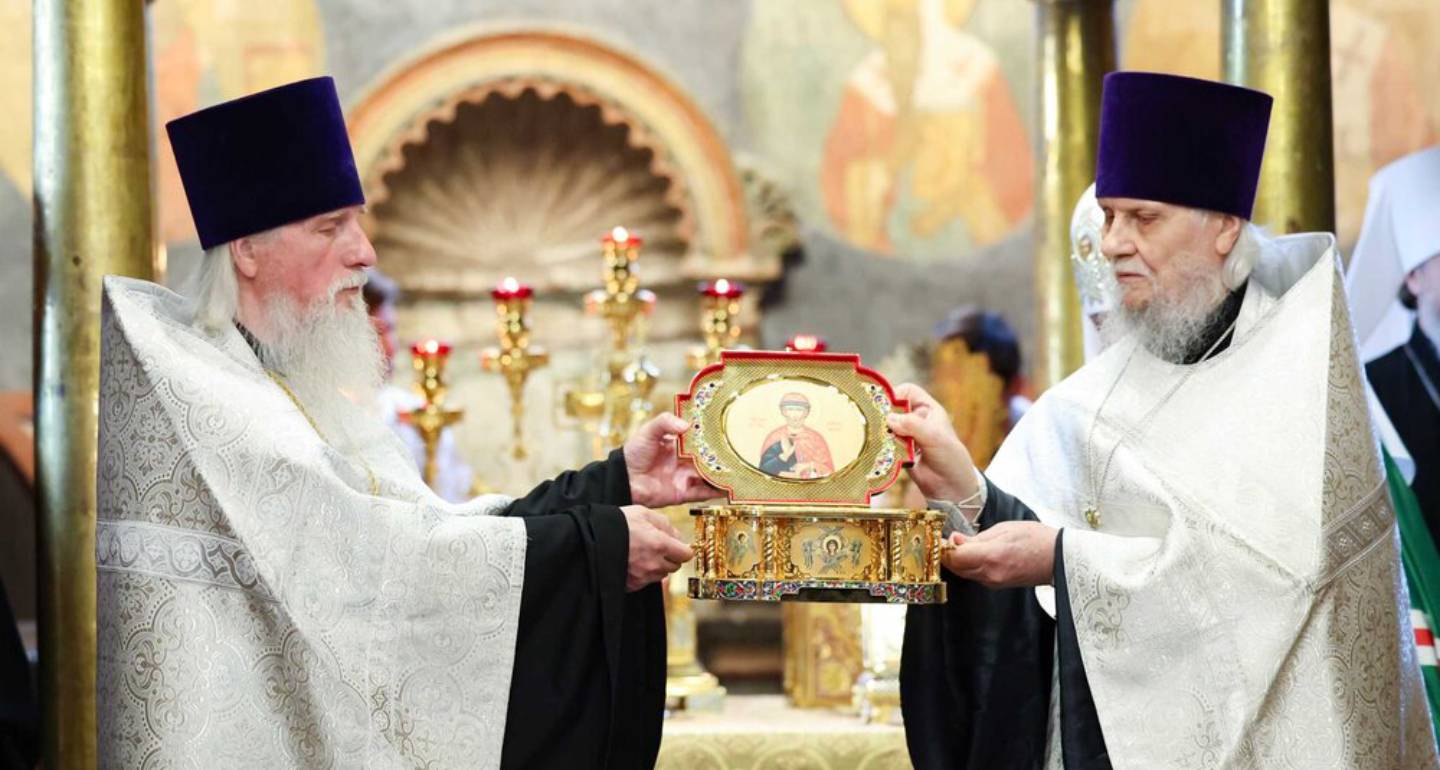
The recent uncovering of Dmitry Donskoy’s relics in the Cathedral of the Archangel is yet another attempt by the Russian Orthodox Church to help the state solve its problems. However, parroting the state’s version of Russian history leaves the Church with no message except “patriotism.”
Alexander Zanemonets

With the growth in points of friction between the great powers, organizations like the SCO will continue to play a role in the strategic adaptation of the smaller powers caught between them.

Temur Umarov
Amid celebrations of bilateral ties was a deeper focus on stability in the Middle East.

Amr Hamzawy