

In The Media
Lilia Shevtsova
{
  "authors": [
    "Lilia Shevtsova"
  ],
  "type": "legacyinthemedia",
  "centerAffiliationAll": "",
  "centers": [
    "Carnegie Endowment for International Peace",
    "Carnegie Russia Eurasia Center"
  ],
  "collections": [],
  "englishNewsletterAll": "",
  "nonEnglishNewsletterAll": "",
  "primaryCenter": "Carnegie Russia Eurasia Center",
  "programAffiliation": "",
  "programs": [],
  "projects": [],
  "regions": [
    "North America",
    "United States",
    "Russia",
    "Eastern Europe",
    "Ukraine"
  ],
  "topics": [
    "Security",
    "Foreign Policy"
  ]
}
Source: Getty
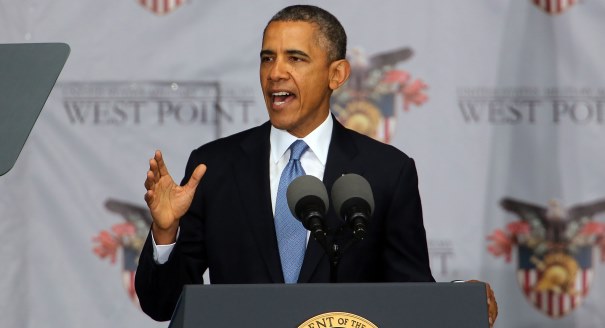
Barack Obama’s recent remarks at West Point show that he doesn’t understand the rules of the game he’s playing with Vladimir Putin in Ukraine.
Source: American Interest
It’s been almost a week and I am still puzzled by President Barack Obama’s commencement address at West Point on May 28—and I’m even more puzzled by his interview with Steve Inskeep on NPR. But I’m not going to analyze how Obama views American leadership, nor will I argue what U.S. foreign policy should be. This is not my piece of cake. Besides, being a Russian citizen, I feel that it would be inappropriate to deliberate on what America’s interests are and how Washington should defend them. However, I would like to offer a few comments on what President Obama said on an area that I hail from, and one that I hope I understand: Ukraine and Russia.
The Ukrainian crisis and Russia’s annexation of Crimea have knocked down the post-Cold War order, and we’ve entered this époque of turmoil on President Obama’s watch. Robert Kagan, in his brilliant, breathtaking analysis of our current “Time of Trouble” and the evolution of American foreign policy, wrote that today we may see “a transition into a different world order or into a world disorder of kind not seen since the 1930s.” Meanwhile, President Obama, in his West Point remarks, gives the impression that he believes that America still exercises successful global leadership, and that the world, though irritating at certain points and times, is still quite manageable. Let’s quote several of the things he said about the Ukrainian drama, and I’ll respond to each in turn:Obama: “Our ability to shape world opinion helped isolate Russia right away.”
What I see, rather, is an incredibly successful Kremlin attempt to prevent Russia’s isolation. True, Putin was banned, apparently temporarily, from the G-8, and key Western leaders ignored the Sochi Olympics and a high-level meeting. But there are no signs that Putin suffered from these slights. On the contrary, he continues to keep in touch with Merkel and Hollande, apparently enjoying the German Chancellor’s attempts to persuade him to behave. Moreover, the Kremlin has succeeded in broadening its international support base: It has made its own pivot to China (and even tried to cozy up to Japan, with the latter’s apparent consent); and it has also won applause from the global Left-Right International, which hates America and the European Union. Moreover, soon Putin, on the invitation of French President Hollande, will celebrate D-Day in Normandy in the company of other Western leaders. Is this what isolation looks like? ...
Read the full text of this article in the American Interest.
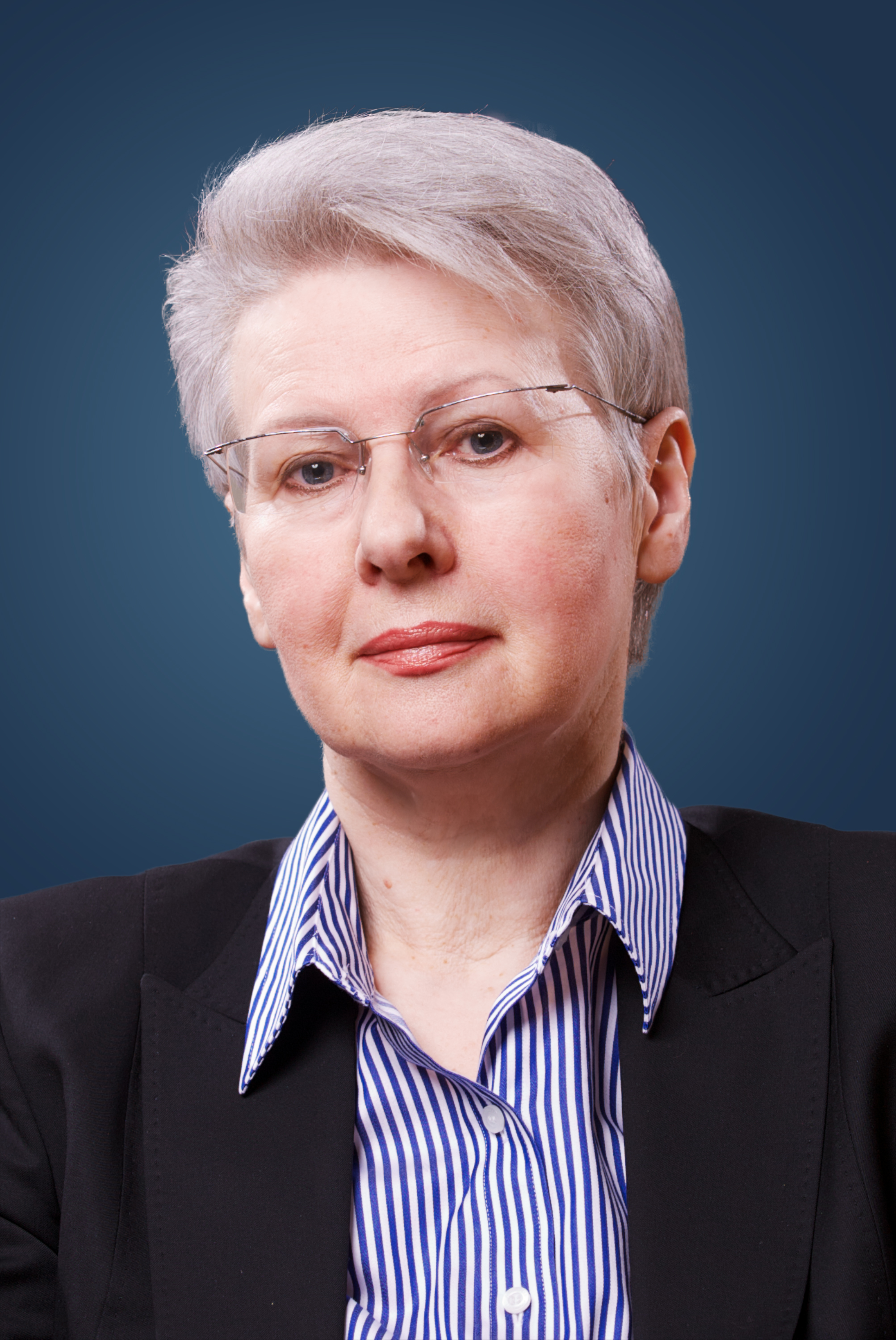
Former Senior Associate, Russian Domestic Politics and Political Institutions Program, Moscow Center
Shevtsova chaired the Russian Domestic Politics and Political Institutions Program at the Carnegie Moscow Center, dividing her time between Carnegie’s offices in Washington, DC, and Moscow. She had been with Carnegie since 1995.
Recent Work
Lilia Shevtsova
Lilia Shevtsova
Carnegie does not take institutional positions on public policy issues; the views represented herein are those of the author(s) and do not necessarily reflect the views of Carnegie, its staff, or its trustees.
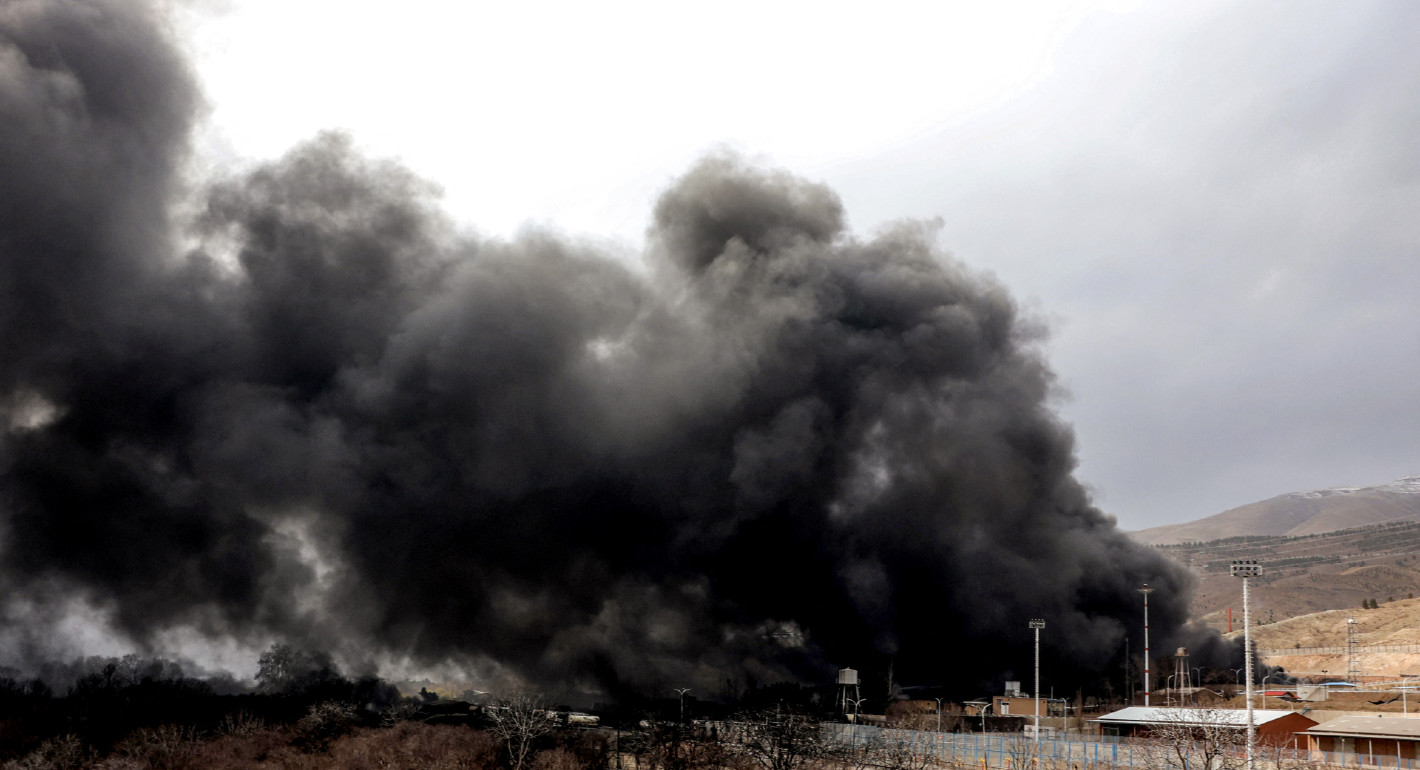
Understanding the climatic pain points is necessary for policymakers hoping to minimize the war’s negative environmental consequences.



Alejandro Martin Rodriguez, Joy Arkeh, Sarah Yerkes

Huawei pushed hard to enter the Egyptian data centers market, until the Americans made a better offer.

Angie Omar

Radical-right parties are expected to do well in upcoming elections in four of the EU's biggest member states. If successful, they could prevent the union from addressing key challenges ahead.

Stefan Lehne

The books, podcasts, and films that explain the world it made.

Andrew Leber
Blurring the line between humans and animals is a long-standing tradition in social utopian prose. In his latest novel, Leonid Bershidsky reminds us that in social experiments, people are often treated no differently than animals.

Alexander Baunov