

Q&A
Suzanne Maloney, Aaron David Miller, Karim Sadjadpour
{
  "authors": [
    "Karim Sadjadpour"
  ],
  "type": "legacyinthemedia",
  "centerAffiliationAll": "dc",
  "centers": [
    "Carnegie Endowment for International Peace",
    "Malcolm H. Kerr Carnegie Middle East Center"
  ],
  "collections": [],
  "englishNewsletterAll": "menaTransitions",
  "nonEnglishNewsletterAll": "",
  "primaryCenter": "Carnegie Endowment for International Peace",
  "programAffiliation": "MEP",
  "programs": [
    "Middle East"
  ],
  "projects": [],
  "regions": [
    "Middle East",
    "Iran"
  ],
  "topics": [
    "Political Reform",
    "Security",
    "Foreign Policy",
    "Nuclear Policy"
  ]
}
Source: Getty
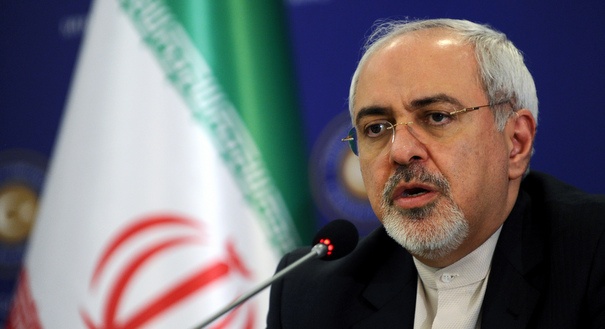
Even if the gaps in diplomacy appear quite large, there’s no great alternative to a continuation of negotiations with Iran.
Source: Charlie Rose Show
U.S. President Barak Obama has two major priorities in his Iran policy: he wants to avert an Iranian bomb and avert bombing Iran, and the best way to check both those boxes is a continuation of diplomacy, said Carnegie’s Karim Sadjadpour on the Charlie Rose Show. The real challenge here is finding a document which both the U.S. Congress and the Iranian Revolutionary Guard can agree upon, Sadjapour said, describing such a document as a Venn diagram in which Iranian ideology, American domestic politics, and Israel national security all intersect. “Even if the gaps in diplomacy appear quite large,” he contended, “there’s no great alternative to a continuation of these negotiations.”
This interview was originally aired on the Charlie Rose Show.

Senior Fellow, Middle East Program
Karim Sadjadpour is a senior fellow at the Carnegie Endowment for International Peace, where he focuses on Iran and U.S. foreign policy toward the Middle East.
Recent Work


Suzanne Maloney, Aaron David Miller, Karim Sadjadpour

Aaron David Miller, Karim Sadjadpour, Robin Wright
Carnegie does not take institutional positions on public policy issues; the views represented herein are those of the author(s) and do not necessarily reflect the views of Carnegie, its staff, or its trustees.
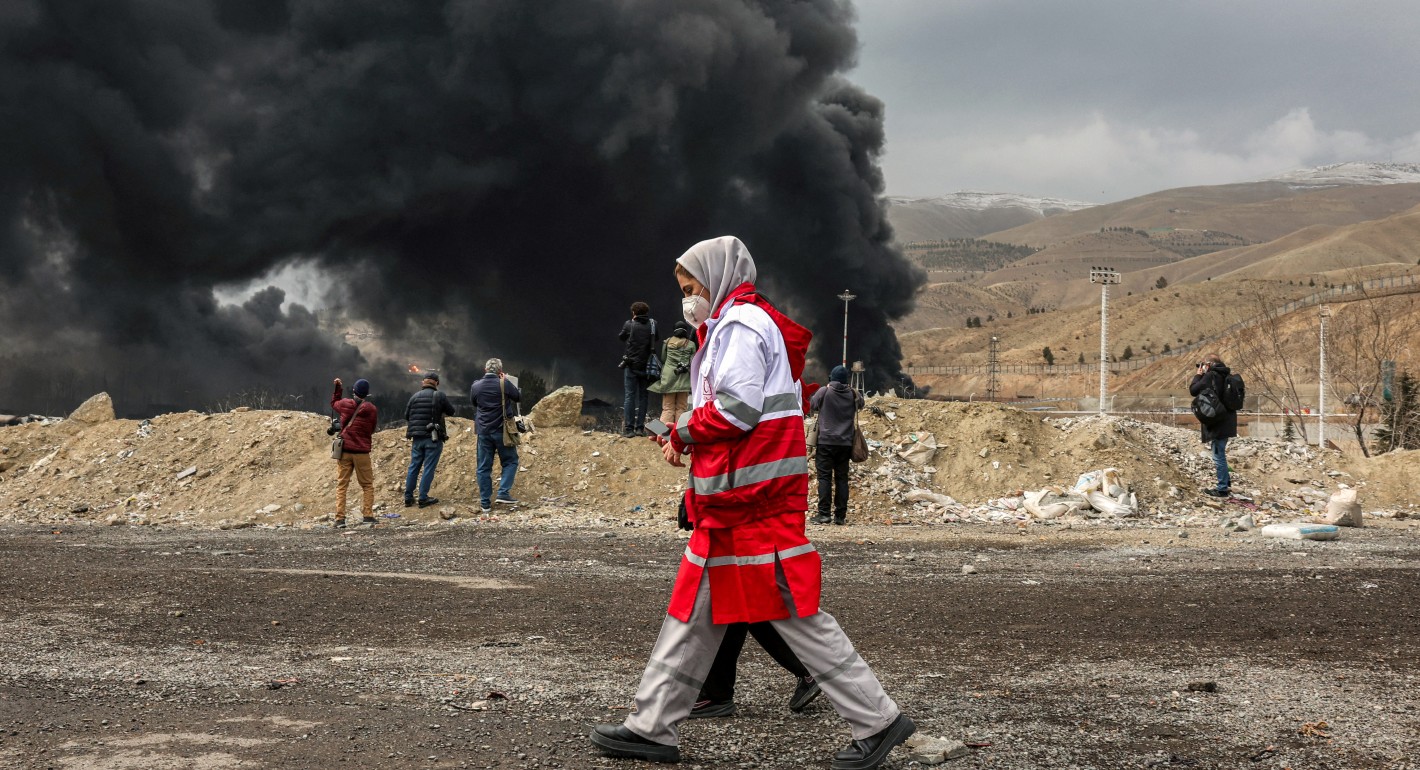
Acknowledging these harms strengthens the case for ethical limits on the weaponization of critical infrastructure.

Alia Sajjadian, Andrew Leber
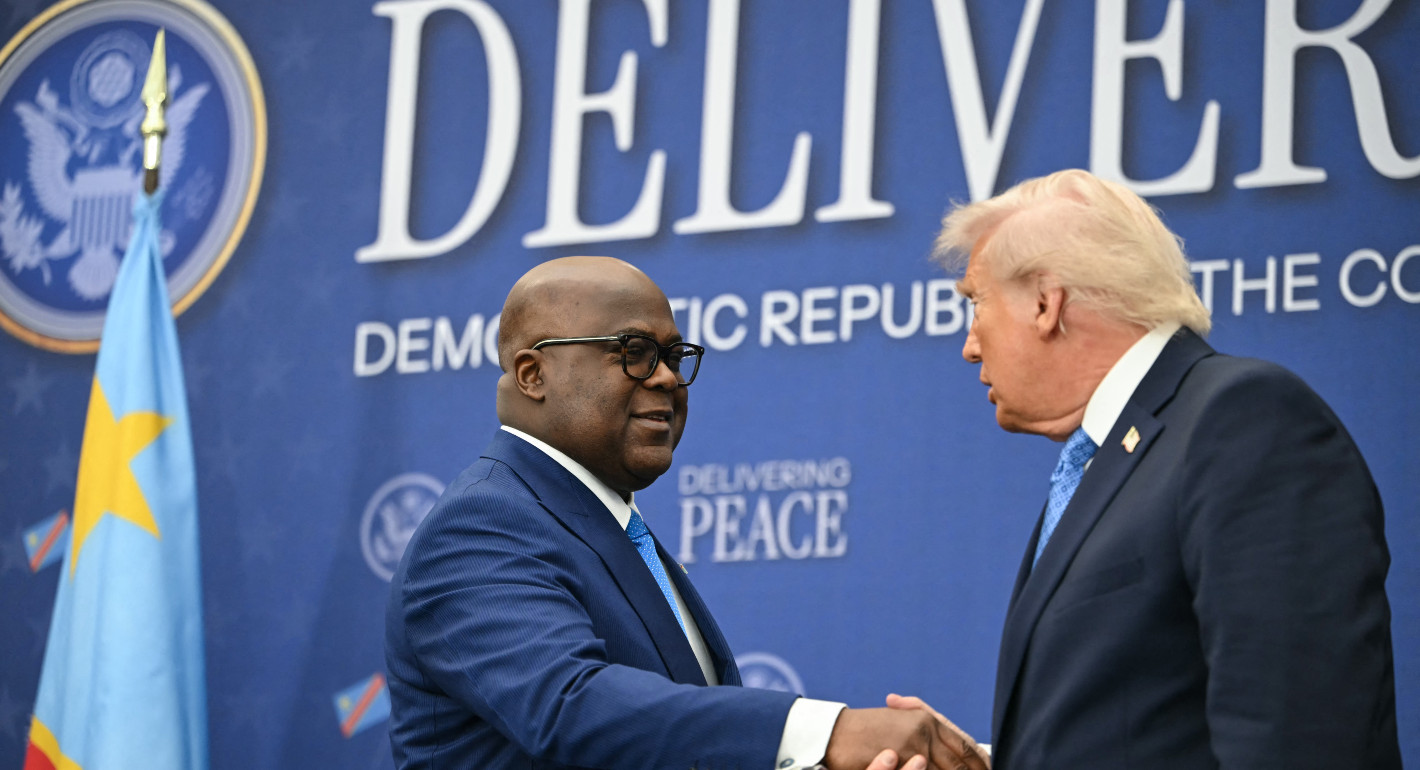
President Tshisekedi is implicating Washington in his pursuit of a third term. Staying silent may prove detrimental to the United States in the long run.
Christian-Géraud Neema
The EU had to compromise to adopt a twenty-first sanctions package against Russia, exposing growing cracks in the union’s resolve. Is this latest, weaker round worth it to keep pressure on Moscow?

Rym Momtaz, ed.
Potential Strait of Hormuz transit “fees” and Iran’s renminbi use are bringing attention to Beijing’s push to become a “financial power,” particularly in energy markets. Underdeveloped aspects of China’s financial system and its dollar dependencies still constrain the renminbi’s geoeconomic significance, but recent events may spur policy shifts aimed at changing these dynamics.
Robert Greene

Two divergent trends—Putin’s hardline vision of how to prosecute the war in Ukraine, and a growing desire for change in Russia—could tear the regime apart.

Tatiana Stanovaya