

Article
C. Raja Mohan, Darshana M. Baruah
{
  "authors": [
    "C. Raja Mohan"
  ],
  "type": "legacyinthemedia",
  "centerAffiliationAll": "dc",
  "centers": [
    "Carnegie Endowment for International Peace",
    "Carnegie India"
  ],
  "collections": [],
  "englishNewsletterAll": "ctw",
  "nonEnglishNewsletterAll": "",
  "primaryCenter": "Carnegie India",
  "programAffiliation": "SAP",
  "programs": [
    "South Asia"
  ],
  "projects": [],
  "regions": [
    "Middle East",
    "North Africa",
    "South Asia",
    "India"
  ],
  "topics": [
    "Foreign Policy"
  ]
}
Source: Getty
While some might find India’s new approach to the Middle East somewhat disconcerting, the government of Narendra Modi is bringing pragmatism and transparency to India’s Middle East policy.
Source: Indian Express
Last week saw the unfolding of a more balanced policy towards the Middle East under the government of Narendra Modi. Home Minister Rajnath Singh was in Tel Aviv in a demonstration of India’s new warmth towards Israel. Meanwhile in Delhi, the Ministry of External Affairs unveiled an effort to intensify the engagement with the Arab world.
Conservatives in India’s foreign policy establishment might find the new approach to the region somewhat disconcerting. Realists, however, would say the the government of Narendra Modi is bringing pragmatism and transparency to India’s Middle East policy. About time.
Consider, in contrast, UPA government’s self-defeating policies towards the region. Yielding to domestic political considerations, the Congress leadership sought to limit political engagement with Israel and undermined the new political consensus on Israel that had emerged under Prime Ministers P.V. Narasimha Rao and Atal Bihari Vajpayee.The former established full diplomatic relations with Israel and the latter instituted high level political engagement with the Jewish nation. During those years, chief ministers representing various political hues traveled to Israel. Among those was Jyoti Basu of West Bengal, arguably the tallest communist leader India had produced.
But the Congress President Sonia Gandhi, under pressure from Prakash Karat of CPM, frowned upon the relationship with Israel. Fortunately, the UPA government did not scuttle the security cooperation that had developed in the previous decade.
The UPA government’s schizophrenia made India’s relationship with Israel look clandestine. Cynics in Israel would point out that Delhi was treating Tel Aviv as a “mistress”–engage in private but refuse to be seen with in public.
The Modi government is having none of that. It has renewed open and transparent engagement with Israel. Overruling opposition in the foreign policy establishment, Modi met the Israeli Prime Minister Benjamin Netanyahu on the margins of the United Nations, during his visit to the United States in September.
This has been followed by the visit of the Israeli National Security Adviser to Delhi last month and home minister Singh’s trip to Tel Aviv last week. The two sides have agreed to intensify bilateral security cooperation.
Israel’s elder statesman Shimon Peres, was in Delhi to renew contact with the Indian political leadership. He met Modi as well as Sonia Gandhi. If all goes well, Modi could soon visit Israel and become the first Indian Prime Minister to do so.
It is tempting to see the Modi’s government’s outreach to Israel through an ideological lens. There is no denying the special warmth for Israel within the Hindutva parivar. But the record of the BJP in power, has been anything but ideological.
While expanding the partnership with Israel, Vajpayee devoted special attention to the pursuit of India’s vital interests in the Middle East. The NDA government has begun to do the same.
Modi is acutely conscious of India’s expansive stakes in the Arab Gulf–as the principal external source of India’s energy imports, the most important desttination for India’s labour expatriate labour and a major market for India’s goods.
He is also aware of the significance of the partnership with Iran in securing India’s interests in Central Asia and the stabilisation of Afghanistan after the withdrawal of American troops from there.
Modi’s foreign minister Sushma Swaraj has already traveled to Bahrain and is scheduled to visit the United Arab Emirates soon. Modi will hopefully travel to the Middle East early on in the new year. The Foreign Office is also preparing the ground for the first ever ministerial meeting between India and the members of the Arab League in 2015.
The stage then is set for an open and vigorous engagement with the Middle East under the Modi government. The UPA government voluntarily constrained the relationship with Israel in the name of Arab sensitivities. At the same time it was unable to deepen the strategic partnerships with key countries in the Middle East including Iran, Saudi Arabia and Egypt.
Through his decade long tenure, Prime Minister Manmohan Singh traveled just four times to the region–and two of them to attend the non-aligned summits. Modi may now be in a position to strengthen India’s partnerships with all the major powers in the region.
This article was originally published in the Indian Express.
Former Nonresident Senior Fellow, Carnegie India
A leading analyst of India’s foreign policy, Mohan is also an expert on South Asian security, great-power relations in Asia, and arms control.
Recent Work

C. Raja Mohan, Darshana M. Baruah


Alexander Gabuev, Paul Haenle, C. Raja Mohan, …
Carnegie does not take institutional positions on public policy issues; the views represented herein are those of the author(s) and do not necessarily reflect the views of Carnegie, its staff, or its trustees.

The conflict is exposing the deep energy vulnerabilities of Korea’s chip industry.


Darcie Draudt-Véjares, Tim Sahay

French President Emmanuel Macron has unveiled his country’s new nuclear doctrine. Are the changes he has made enough to reassure France’s European partners in the current geopolitical context?

Rym Momtaz, ed.
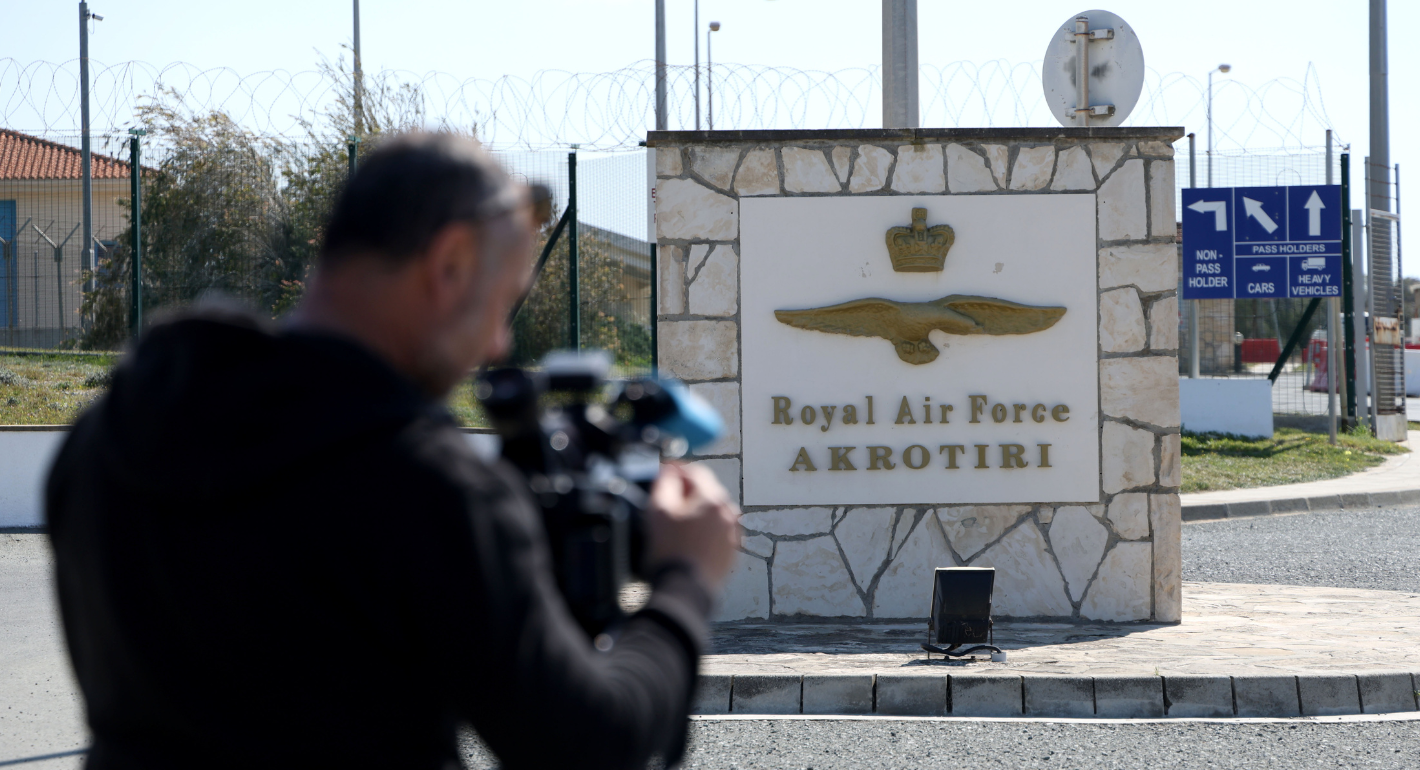
The drone strike on the British air base in Akrotiri brings Europe’s proximity to the conflict in Iran into sharp relief. In the fog of war, old tensions in the Eastern Mediterranean risk being reignited, and regional stakeholders must avoid escalation.

Marc Pierini
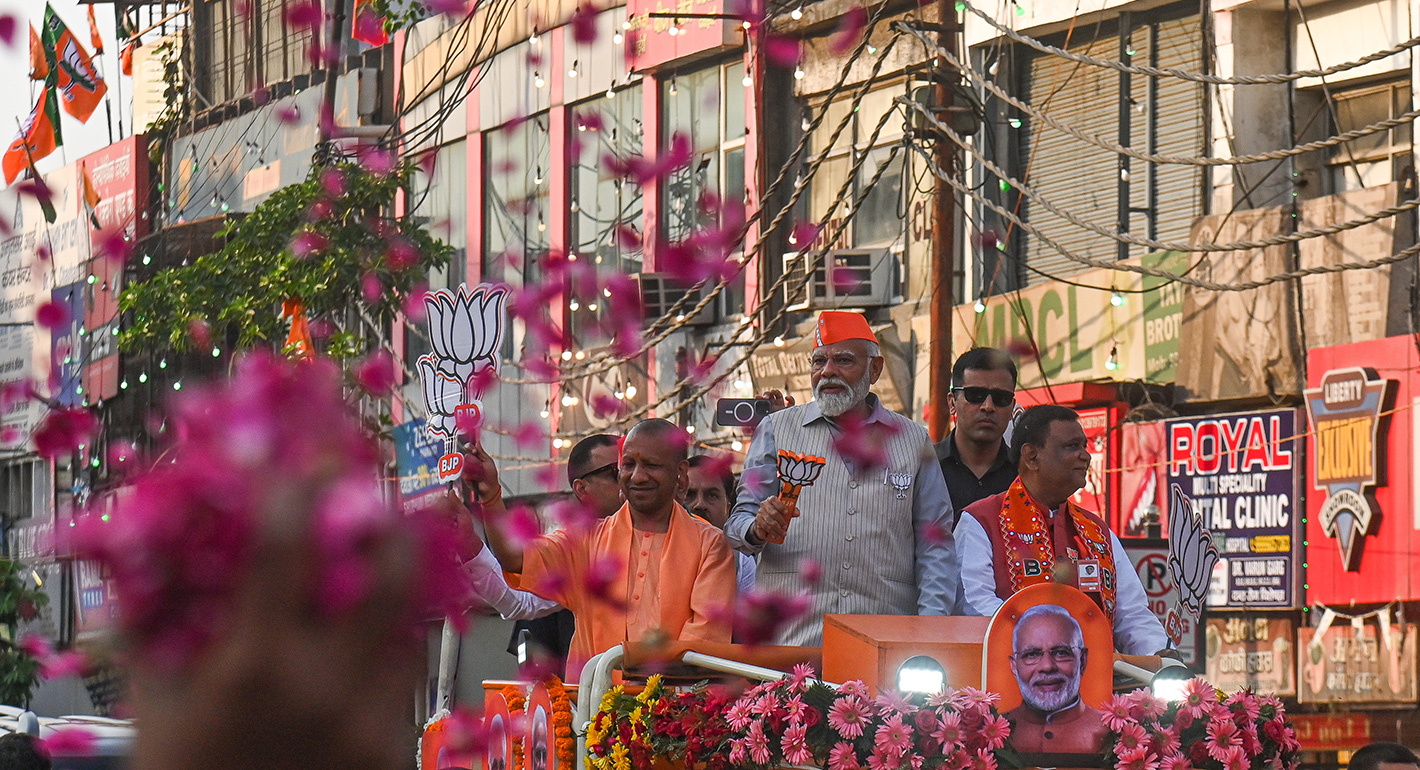
Domestic mobilization, personalized leadership, and nationalism have reshaped India’s global behavior.

Sandra Destradi
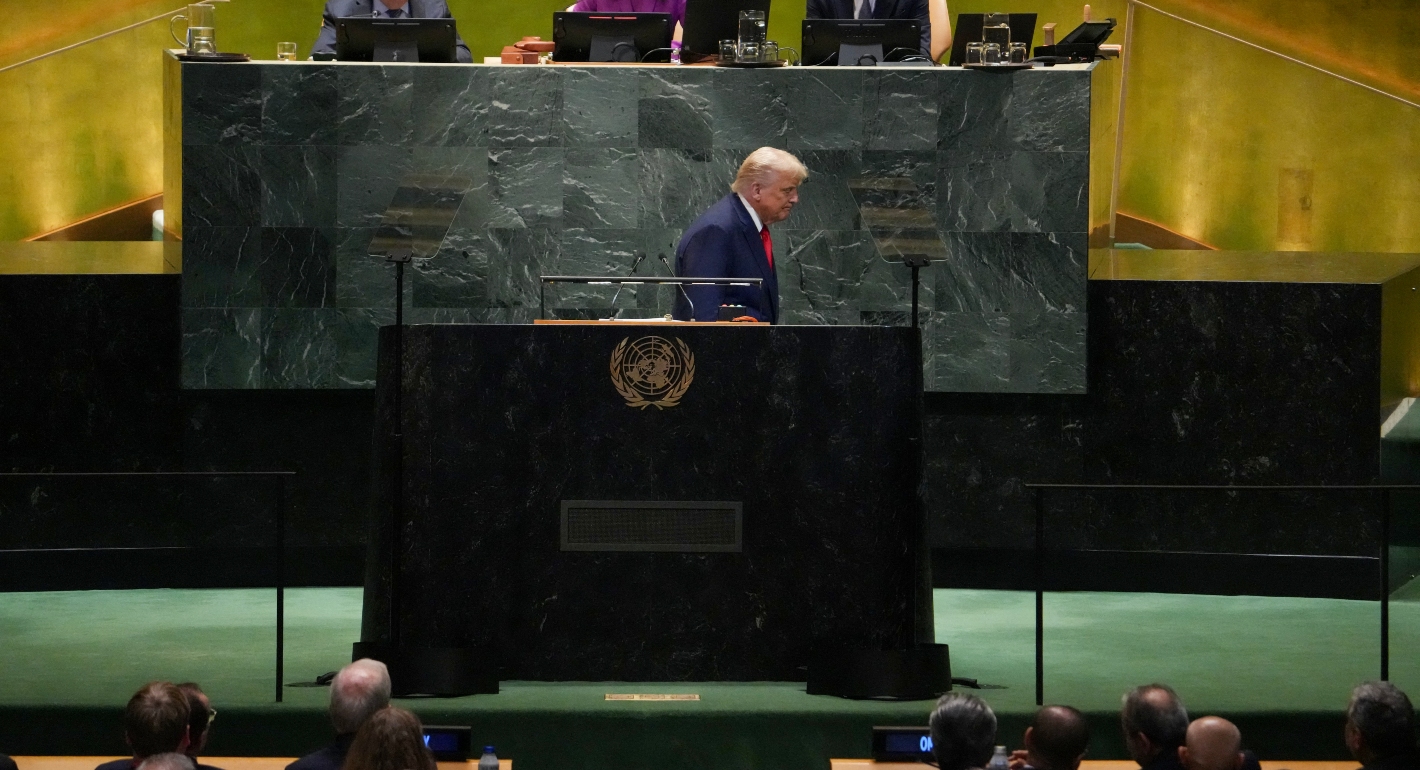
For years, the United States anchored global cyber diplomacy. As Washington rethinks its leadership role, the launch of the UN’s Cyber Global Mechanism may test how allies adjust their engagement.

Patryk Pawlak, Chris Painter