

Commentary
It should address the shortcomings of previous crisis communication efforts and adapt to the demands of frontier AI.
Lucy Luo
{
  "authors": [
    "Michele Dunne",
    "Frederic Wehrey"
  ],
  "type": "legacyinthemedia",
  "centerAffiliationAll": "dc",
  "centers": [
    "Carnegie Endowment for International Peace",
    "Malcolm H. Kerr Carnegie Middle East Center"
  ],
  "collections": [],
  "englishNewsletterAll": "menaTransitions",
  "nonEnglishNewsletterAll": "",
  "primaryCenter": "Carnegie Endowment for International Peace",
  "programAffiliation": "MEP",
  "programs": [
    "Middle East"
  ],
  "projects": [],
  "regions": [
    "United States",
    "Middle East",
    "North Africa",
    "Levant"
  ],
  "topics": [
    "Political Reform",
    "Security",
    "Foreign Policy"
  ]
}
Source: Getty
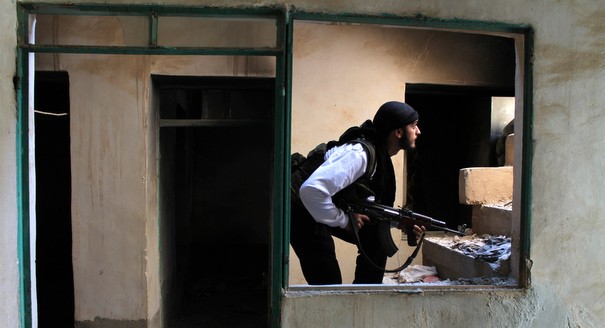
Washington needs to collaborate with its Arab allies to address the imminent threat from Islamic State. But it needs to do so while actively discouraging repression and pressing for policies in Arab states that meet the demands of the young generation that started the Arab Spring.
Source: Wall Street Journal
Secretary of State John Kerry‘s comments last week that “We don’t even have a five-year plan” to combat extremism in the Middle East and that ”we have got to get our act together” underscore the fact that while U.S. cooperation with Arab allies against Islamic State and other terrorist groups is essential, it is also problematic. Arab governments are engaged in a pitched battle to hold on to power. As they compete for influence, some are enacting repressive policies that fuel the extremism they purport to fight, particularly among the millions of unemployed, disenfranchised youth in their countries. And in the rush to build support from Arab partners, the U.S. is largely ignoring these policies.
Three risks in particular bear close attention (we write about this in more detail in a detail policy paper here):
1. An overly elastic definition of terrorism could fuel radicalism. Leaders in Egypt, Saudi Arabia, and several other Gulf Arab states portray their political opponents, especially mainstream Islamist political movements such as the Muslim Brotherhood, as terrorists, a definition the United States does not accept. These governments have adopted, or are considering, harsh anti-terrorism laws that criminalize free expression, free association, and peaceful protest–measure that are used against secular and Islamist critics alike. Saudi Arabia, for example, has prosecuted citizens over tweets that complain about the royal family or economic hardship, while United Arab Emirates’ law contains harsh penalties for vague charges such as threatening “national unity” or “fundamental principles.” Egyptian President Abdel Fattah al-Sisi recently decreed that any civilian attacking or inhibiting public facilities such as roads, transportation, or utilities would be tried before a military court. The resulting repression is likely to push more recruits into jihadists’ ranks, while diminishing the capacity of secular civil society groups to combat extremist ideas. The perception of U.S. support for such crackdowns could motivate extremist groups that were otherwise focused on local regimes to target U.S. personnel and facilities.2. By focusing on winning the battle against ISIS, the U.S. will lose the war against extremism. America’s counter-terrorism focus with Arab states reduces its leverage, and bandwidth, to advance reforms that would address the root causes of radicalization. In Egypt, the United States is expediting advanced arms transfers such the Apache helicopter to help President al-Sisi’s regime deal with a worsening insurgency; meanwhile, it is failing to press Mr. Sisi to abandon his scorched-earth approach to all political opponents and critics. In Bahrain, the U.S. has welcomed the Sunni monarchy’s participation in airstrikes against ISIS while staying silent on its repression of the country’s Shiite majority–policies that could eventually endanger the sizable U.S. military presence there by encouraging more violent strains in the Shiite opposition. There are disturbing signs of Sunni extremism growing in Bahrain that the regime has been slow to address because of its focus on Shiite-led reformists.
3. Arab partners showcase “counter-ideology” programs but avoid reforms that would address the root causes of radicalization. Saudi Arabia, the United Arab Emirates and Egypt have emphasized counter-ideology and de-radicalization programs that try to undermine Islamic State on theological grounds. But these initiatives are often used as cover for eschewing more substantive political, legal, and economic reforms that get at the issues that spark radicalization. The clerics delivering these messages are funded by Arab regimes and lack legitimacy in the eyes of at-risk audiences, particularly marginalized youth. More important, the programs focus on discrediting only those elements of radicals’ discourse that target Arab regimes while ignoring more intolerant, sectarian, and even anti-American tenets.There is no doubt that Washington needs to collaborate with its Arab allies to address the imminent threat from Islamic State. But the U.S. needs to do so while actively discouraging repression and pressing for policies in Arab states—particularly freedoms of expression and association, as well as educational and job opportunities—that meet the demands of the young generation that started the Arab Spring with hope and today is resorting to measures that are engulfing the region in chaos.
This article was originally published in the Wall Street Journal.

Former Nonresident Scholar, Middle East Program
Michele Dunne was a nonresident scholar in Carnegie’s Middle East Program, where her research focuses on political and economic change in Arab countries, particularly Egypt, as well as U.S. policy in the Middle East.

Senior Fellow, Middle East Program
Frederic Wehrey is a senior fellow in the Middle East Program at the Carnegie Endowment for International Peace, where his research focuses on governance, conflict, and security in Libya, North Africa, and the Persian Gulf.
Carnegie does not take institutional positions on public policy issues; the views represented herein are those of the author(s) and do not necessarily reflect the views of Carnegie, its staff, or its trustees.

It should address the shortcomings of previous crisis communication efforts and adapt to the demands of frontier AI.

Lucy Luo

If the Russian-speaking community in Latvia cannot articulate their interests without being seen as disloyal, they could end up embracing a pro-Kremlin agenda.

Sergejs Potapkins
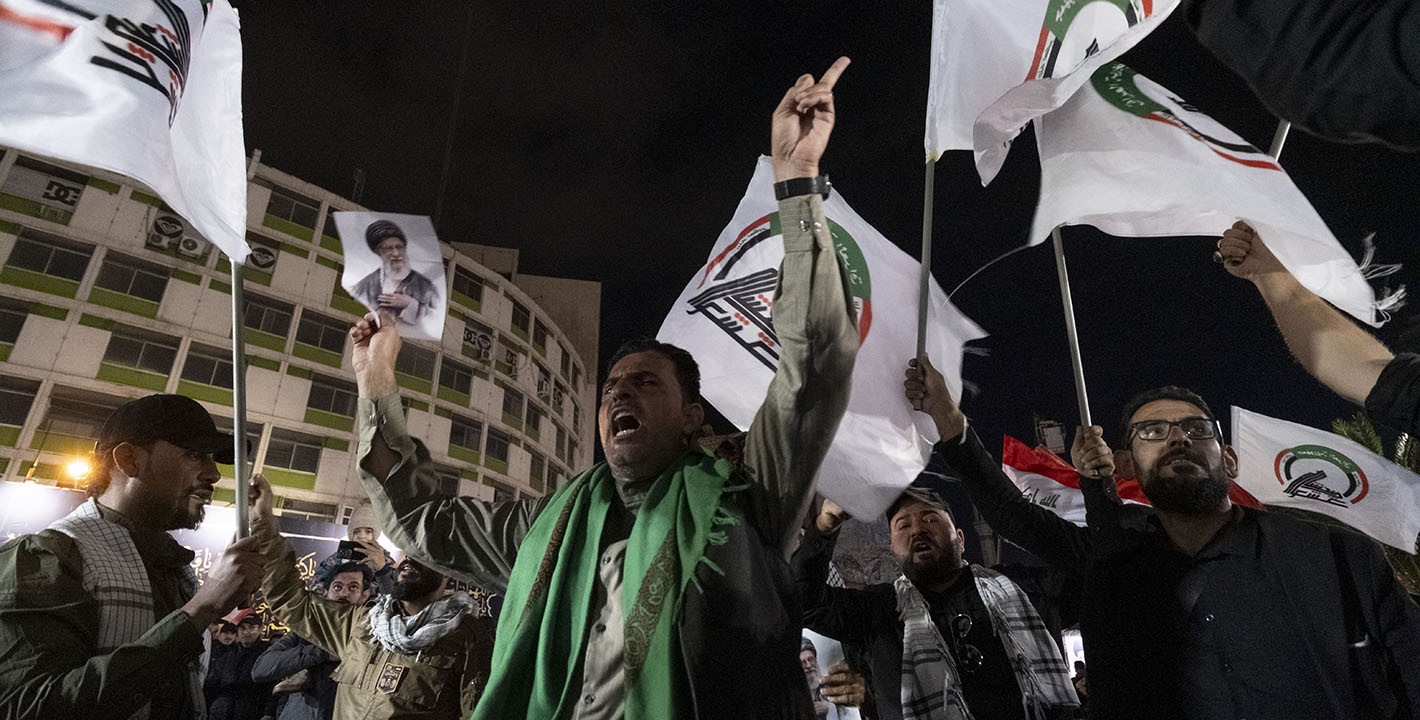
The Zaidi government’s objective to collect weapons is constrained by regional conflict, but it can take certain measures at home.
Ali Al-Mawlawi
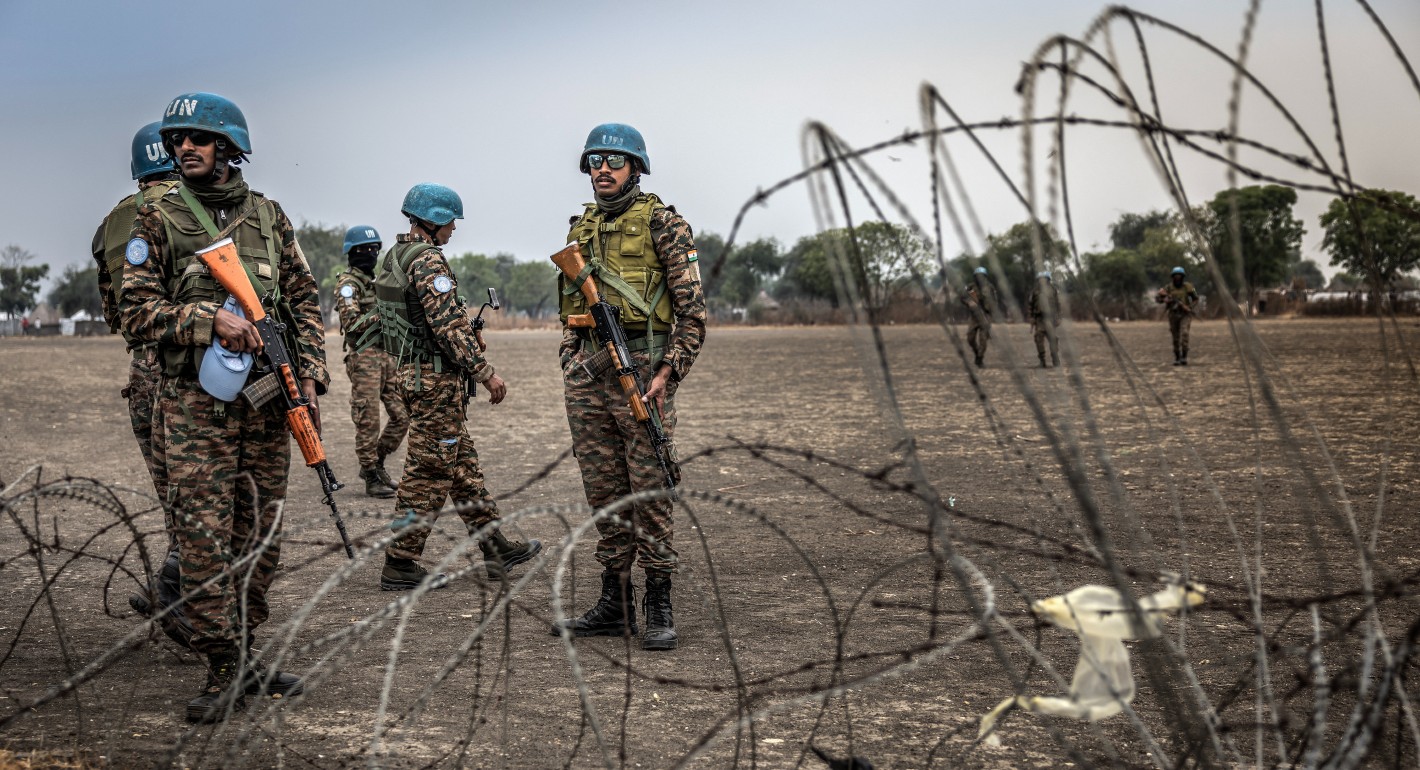
Washington’s decision to support some UN functions while letting others wither is pulling the organization apart at the seams.

Stewart Patrick, Theodore Zaritsky

While there are notable demographic, economic, and geographic divides over AI, there is also substantial alignment between Republicans and Democrats.


Ian Klaus, Mark Baldassare, Rachel George, …