

Article
C. Raja Mohan, Darshana M. Baruah
{
  "authors": [
    "C. Raja Mohan"
  ],
  "type": "legacyinthemedia",
  "centerAffiliationAll": "dc",
  "centers": [
    "Carnegie Endowment for International Peace",
    "Carnegie India"
  ],
  "collections": [],
  "englishNewsletterAll": "ctw",
  "nonEnglishNewsletterAll": "",
  "primaryCenter": "Carnegie India",
  "programAffiliation": "SAP",
  "programs": [
    "South Asia"
  ],
  "projects": [],
  "regions": [
    "United States",
    "Asia",
    "South Asia",
    "India",
    "North America",
    "East Asia",
    "China",
    "Western Europe",
    "France"
  ],
  "topics": [
    "Foreign Policy",
    "Security"
  ]
}
Source: Getty
India needs to deepen its military security cooperation in the Indian Ocean with the United States and France and initiate a maritime security dialogue with China.
Source: Indian Express
Reviving the long-dead proposal for a zone of peace in the Indian Ocean, as suggested by National Security Advisor Ajit Doval earlier this month, is not the answer to the new maritime challenges that confront India. Multilateral diplomacy is an important but minor part of a new Indian Ocean strategy that New Delhi needs to develop. The core of such a strategy is about building India’s own naval strength and expanding its maritime partnerships with other countries through bilateral, trilateral and multilateral means.
In the past, when India saw itself as a weak, non-aligned state, Delhi believed the nation’s security dilemmas could be addressed through moralpolitik. This approach created severe problems for the nation’s security decision-makers. When China tested its first nuclear weapon in 1964, for example, India ran to the United Nations seeking a treaty that would abolish nuclear weapons.
Instead, India got the non-proliferation treaty, which only prevented the spread of these weapons. Rather than build a nuclear arsenal, India spent the next three-and-a-half decades denouncing the NPT and proclaiming a commitment to nuclear disarmament. Similarly, India believed that the UN would provide answers to a historic shift in its maritime environment — the withdrawal of Great Britain from east of the Suez after nearly two centuries of dominance over the Indian Ocean. As America replaced Britain as the dominant naval power in the Indian Ocean and its rival Soviet Union sought to compete, Delhi backed Colombo’s proposal for a zone of peace in the Indian Ocean.Delhi contested the very idea of a power vacuum in the Indian Ocean and bet that the region could build a system of collective security. India asked the great powers not to acquire military bases in the region. It also told Washington and Moscow, “by the way, don’t even think of bringing your nuclear weapons into the Indian Ocean”.
If Delhi’s strategic innocence in the 1960s was breathtaking, some of its neighbours, like Pakistan, thought India was being simply devious; they believed Delhi wanted great powers out of the Indian Ocean so that it could establish its own dominance. So much for the consequences of Indian idealism. Irrespective of their lip service for the zone of peace, most Indian Ocean states actively sought military support from one or the other external power to counter presumed threats from their neighbours. That world has not disappeared.
Doval’s invocation of the zone of peace proposal is widely seen as an Indian counter to China’s growing naval presence in the Indian Ocean. Delhi has noted with concern the recent docking
of Chinese naval submarines in Colombo and watched warily as the Chinese navy matched India’s fresh water diplomacy in the Maldives. India’s rhetoric about keeping extra-regional powers out of the Indian Ocean was directed at America in the 1970s and 1980s. As India has expanded its interaction with the US military since the early 1990s, some of that rhetoric had taken a backseat.
As China eyes the Indian Ocean, Delhi is playing the old song again. But that little ditty is not going to limit China’s rising naval profile in the Indian Ocean. After it first showed up in the Indian Ocean three decades ago, the Chinese navy is here to stay. Like all great powers before, Beijing is bound to establish a permanent military presence in the Indian Ocean. The question is not “if” but “when”.
To cope with the rise of China and the changing power balance in the Indian Ocean, Delhi needs to look beyond the outdated zone of peace proposal. India’s ocean diplomacy needs a strong domestic foundation, built on more rapid naval modernisation, the expansion of civilian maritime infrastructure, development of island territories, capacity to undertake projects in other countries across the littoral and more vigorous naval assistance to other countries.
On the political front, India needs much better political relations with its maritime neighbours like Sri Lanka and the Maldives, which are playing the China card as an insurance against hostile Indian policies. Delhi also needs stronger partnerships with other island states, like Seychelles and Mauritius, which are being wooed by China with great vigour today.
India needs to deepen its military security cooperation in the Indian Ocean with the US and France and initiate a maritime security dialogue with China. On the foundation of these unilateral and bilateral initiatives, India can expand its maritime multilateralism through such initiatives as the Indian Ocean Rim Association and the Indian Ocean Naval Symposium. For all this, Delhi needs the civilian leadership — both political and bureaucratic — in the defence ministry to wake up to the new imperatives of maritime strategy and naval diplomacy.
This article was originally published in the Indian Express.
Former Nonresident Senior Fellow, Carnegie India
A leading analyst of India’s foreign policy, Mohan is also an expert on South Asian security, great-power relations in Asia, and arms control.
Recent Work

C. Raja Mohan, Darshana M. Baruah


Alexander Gabuev, Paul Haenle, C. Raja Mohan, …
Carnegie does not take institutional positions on public policy issues; the views represented herein are those of the author(s) and do not necessarily reflect the views of Carnegie, its staff, or its trustees.
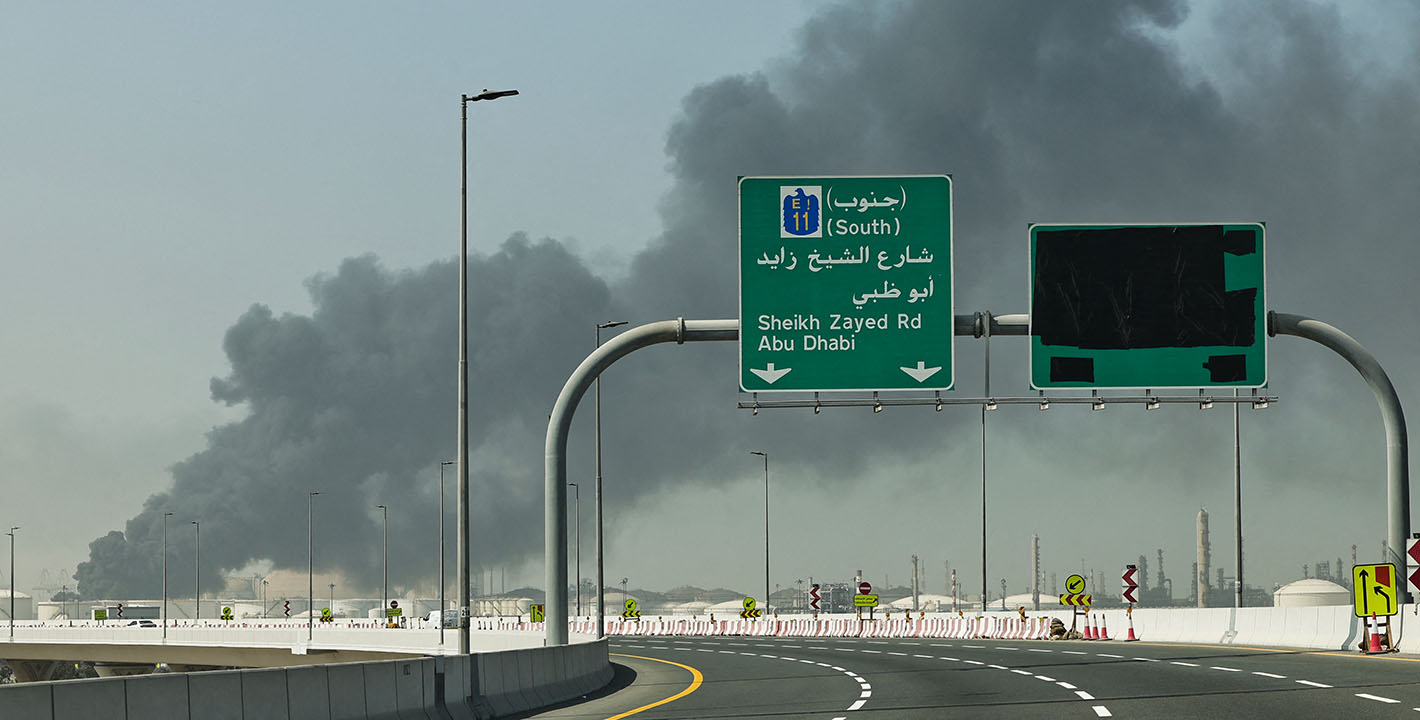
The countries in the region are managing the fallout from Iranian strikes in a paradoxical way.

Angie Omar

French President Emmanuel Macron has unveiled his country’s new nuclear doctrine. Are the changes he has made enough to reassure France’s European partners in the current geopolitical context?

Rym Momtaz, ed.
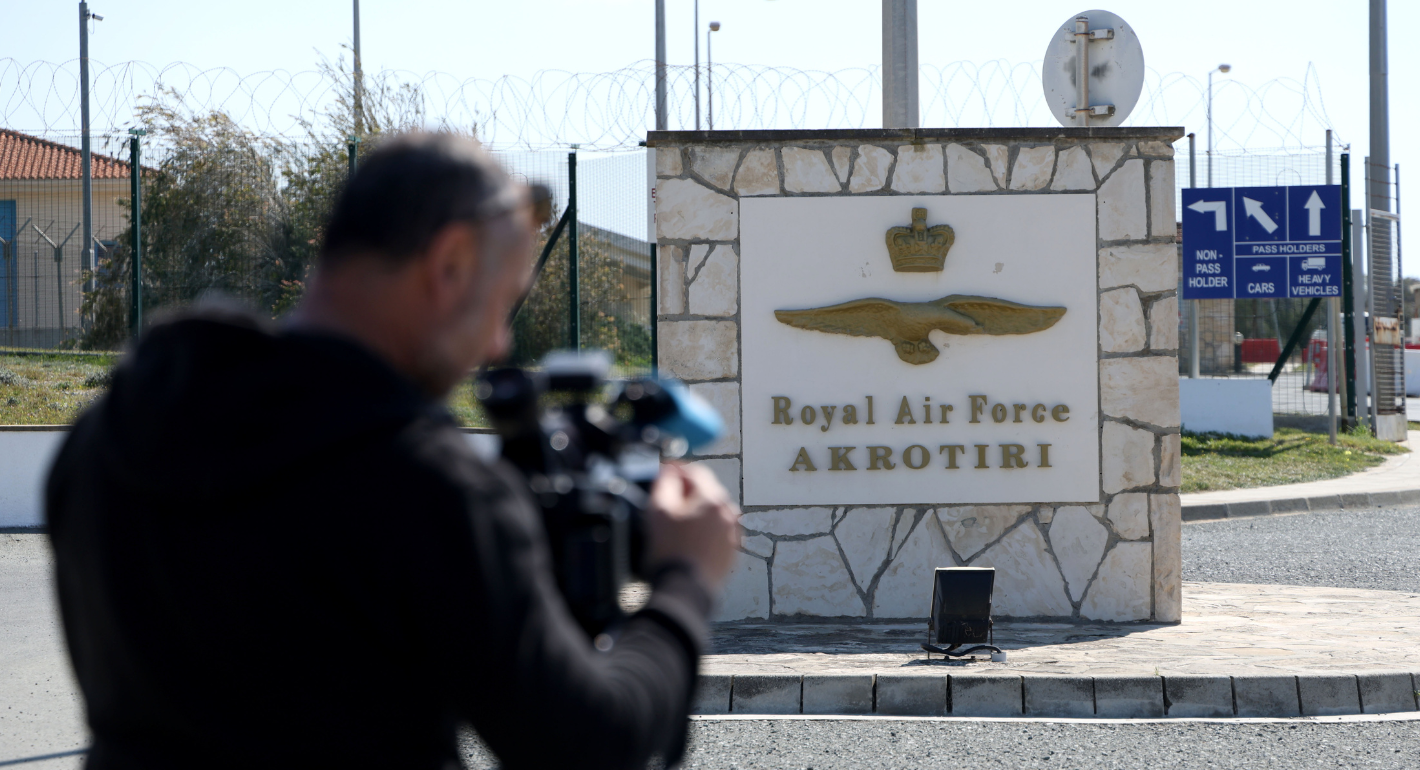
The drone strike on the British air base in Akrotiri brings Europe’s proximity to the conflict in Iran into sharp relief. In the fog of war, old tensions in the Eastern Mediterranean risk being reignited, and regional stakeholders must avoid escalation.

Marc Pierini

In an interview, Hassan Mneimneh discusses the ongoing conflict and the myriad miscalculations characterizing it.

Michael Young
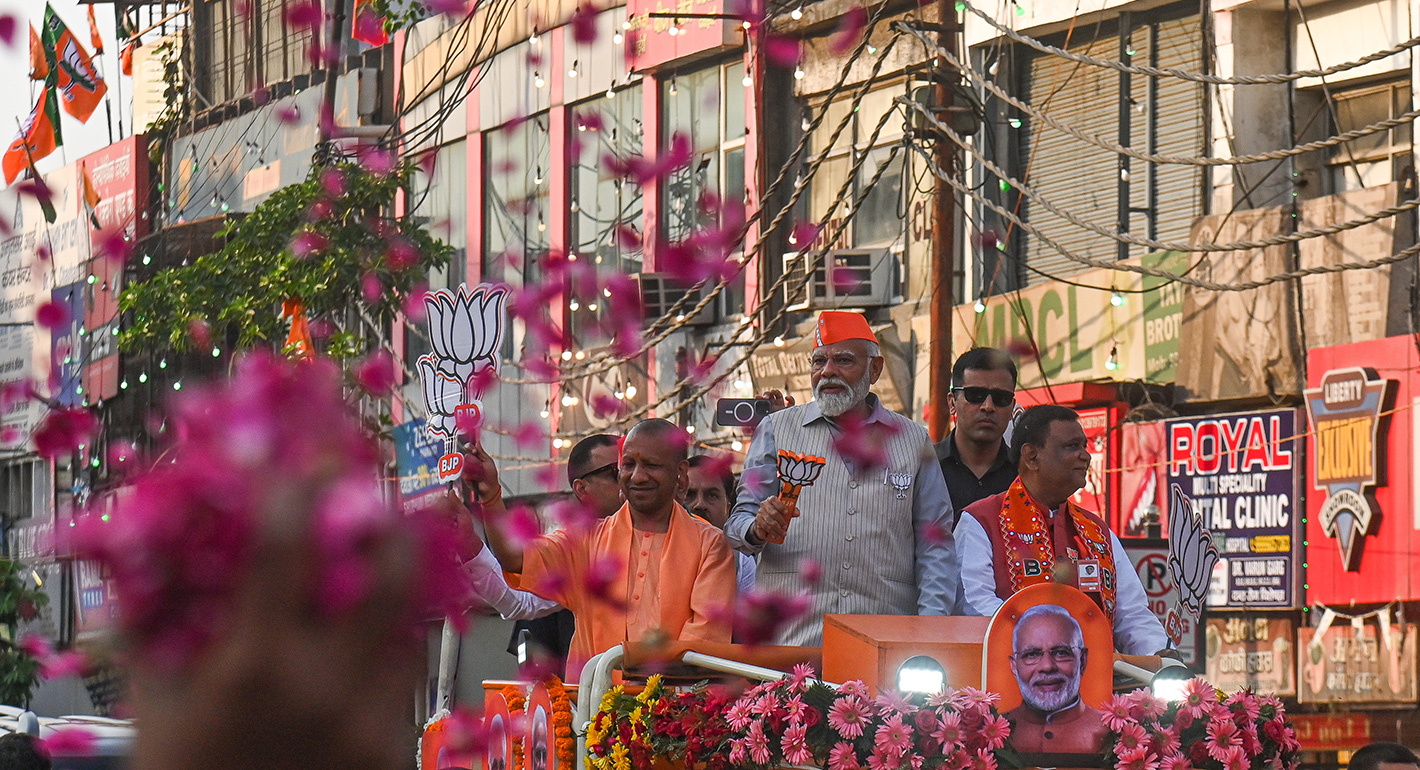
Domestic mobilization, personalized leadership, and nationalism have reshaped India’s global behavior.

Sandra Destradi