

Paper
Nathaniel Myers
{
  "authors": [
    "Nathaniel Myers"
  ],
  "type": "legacyinthemedia",
  "centerAffiliationAll": "dc",
  "centers": [
    "Carnegie Endowment for International Peace"
  ],
  "collections": [
    "Democracy and Governance"
  ],
  "englishNewsletterAll": "democracy",
  "nonEnglishNewsletterAll": "",
  "primaryCenter": "Carnegie Endowment for International Peace",
  "programAffiliation": "DCG",
  "programs": [
    "Democracy, Conflict, and Governance"
  ],
  "projects": [],
  "regions": [
    "North America",
    "United States"
  ],
  "topics": [
    "Political Reform",
    "Democracy",
    "Security",
    "Foreign Policy"
  ]
}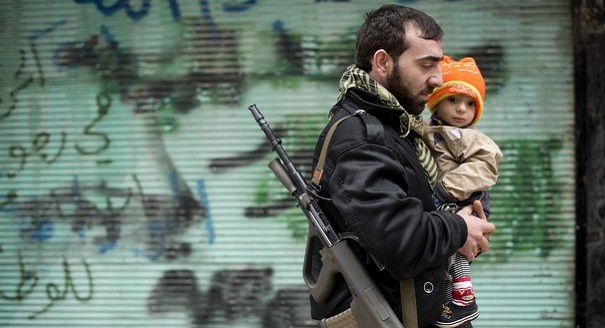
Source: Getty
The U.S. government has some very good ideas about how to apply civilian tools to help stabilize fragile states and staunch the spread of extremism more effectively. The problem is not a lack of insight or strategic direction—the problem is in the execution.
Source: Defense One
With the White House preparing for this week’s international conference on violent extremism, Secretary of State John Kerry recently warned the threat represented no less than “a challenge to the nation state.” It was a thoughtful speech, in its diagnosis and prescriptions: it recognized the magnitude and complexity of the threat, the need for both military and civilian response, and the greater investment of resources and time required. As a former U.S. Agency for International Development, or USAID, staffer who specialized in programming in places like Yemen and Libya, I was heartened to see that the secretary got it.
But reflecting later, I realized this hasn’t been our problem in recent years, and understood why this high-profile event feels so inconsequential. I’ve been reviewing administration policy papers and USAID strategy documents recently, and it’s striking just how similarly thoughtful and nuanced many are in their diagnosis of the problem and in their recommendations and guidance. It’s clear from these documents that we as a government have some very good ideas about how to apply civilian tools to help stabilize fragile states and staunch the spread of extremism more effectively. We also recognize just how hard this task is, and how much time and patience will be required.Our problem, it turns out, is not a lack of insight or strategic direction—our problem is in the execution. We simply don’t have the civilian tools required: we don’t have the right the systems, staff, authorities, flexibility and support from Washington.
Consider the plight of my old employer, USAID. This is an organization whose work Presidents George W. Bush and Barack Obama both agree is as critical to national security as that of the Departments of State and Defense—but the budget it alone controls is less than the cost of the next aircraft carrier, which alone will carry many more sailors and airmen than USAID has total foreign service officers. No less critically, this funding is so tightly restricted and the oversight requirements are so onerous that USAID field staff lack the discretion and flexibility these strategy documents consistently agree are required to build and implement fast, creative programs (with the notable exception of those working for USAID’s small but specialized Office of Transition Initiatives). In the field, we’re not just fighting a battle against extremism; we’re fighting battles against our own bureaucratic inanities—and those may be the ones consuming the preponderance of our time.
What is needed most urgently is thus not more White House attention to strategy or to international partnerships, but rather sustained administration attention to forcing and facilitating a very real, very technical, and—for most of Washington, unfortunately—very boring conversation about systems, budgets, reporting authorities, procurement mechanisms and the myriad other components that have turned our civilian foreign policy agencies into bureaucratic behemoths at precisely the time that we most need them to be nimble and adaptive.
For USAID, I’d urge that this conversation begin with four big goals. First, Congress should return greater budgetary discretion and flexibility to USAID—or at the very least, allot to USAID sufficient unrestricted funding that it can have flexibility in priority situations. Second, funding must be provided for the additional staff needed to design, manage and evaluate these most complex priority programs. Third, the White House and Congress need to absorb one of Kerry’s most important points: While you can mitigate the spillover of violent extremism in the short-run, eliminating the threat will take years; this scale of societal and political change can’t happen overnight. And fourth, political leaders must recognize that effective programming in these environments requires accepting risks—not only by courageous personnel in dangerous locations, but in the types of programs they create. When staff are more concerned about a project being plucked out of context and publicly pilloried by the media or Congress, they revert to the most bland, anodyne and safest possible projects. In these circumstances, those aren’t the ones that get results.
This White House conference won’t be the only time this spring that violent extremism is discussed; the forthcoming State-USAID Quadrennial Diplomacy and Development Review, or QDDR, will also be important in further refining our approach to this threat. But the reality is that these are unlikely to give those tasked with implementation of our strategy the necessary tools, nor will helpful but limited internal reform efforts like the USAID Forward initiative be sufficiently transformative. Until we devote as much attention, discourse and resources to execution as we do to strategy, then budget constraints, political realities and a sclerotic bureaucracy will ensure that we continue to enter these battles with one hand tied behind our back and the other filling out yet more reports for Washington.

Former Visiting Scholar
Nathaniel Myers was a visiting scholar in Carnegie’s Democracy and Rule of Law program. His research focuses on the intersection of American foreign assistance and foreign policy.
Recent Work
Nathaniel Myers
Carnegie does not take institutional positions on public policy issues; the views represented herein are those of the author(s) and do not necessarily reflect the views of Carnegie, its staff, or its trustees.
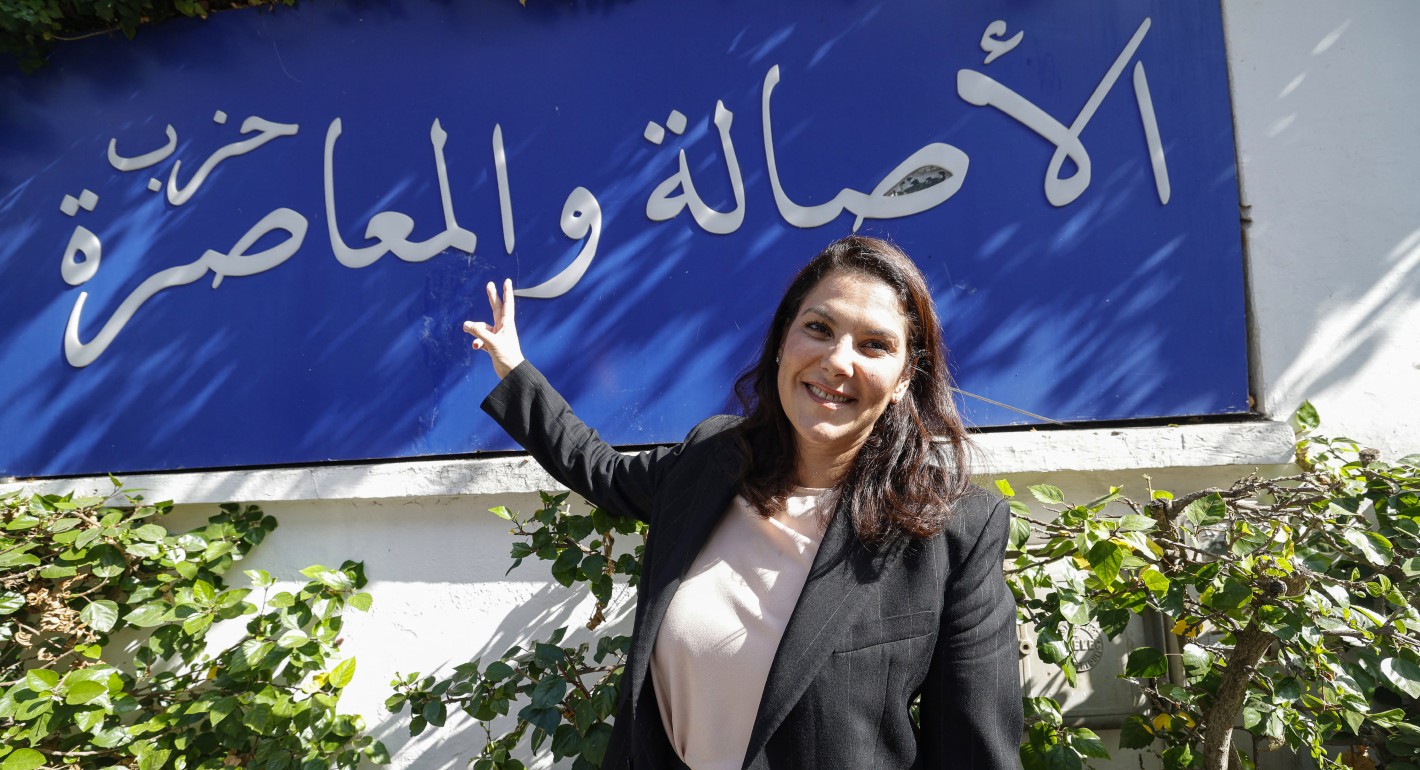
Fatima El Mansouri is the country’s first female prime minister. She’s also a privileged insider in a largely ceremonial position.

Sarah Yerkes

The acknowledgment has sparked fears of a new arms race with China and Russia.

Chris O’Meara

Smaller powers cannot go it alone, but Canadian history shows that integration with the United States will not always be benign.
Paul Samson

The European Commissioner for Trade is headed to China. But after President Xi’s bridge-building visit to Washington, can a more isolated EU overcome Beijing’s stranglehold on critical raw materials? Who will blink first?

Rym Momtaz, ed.
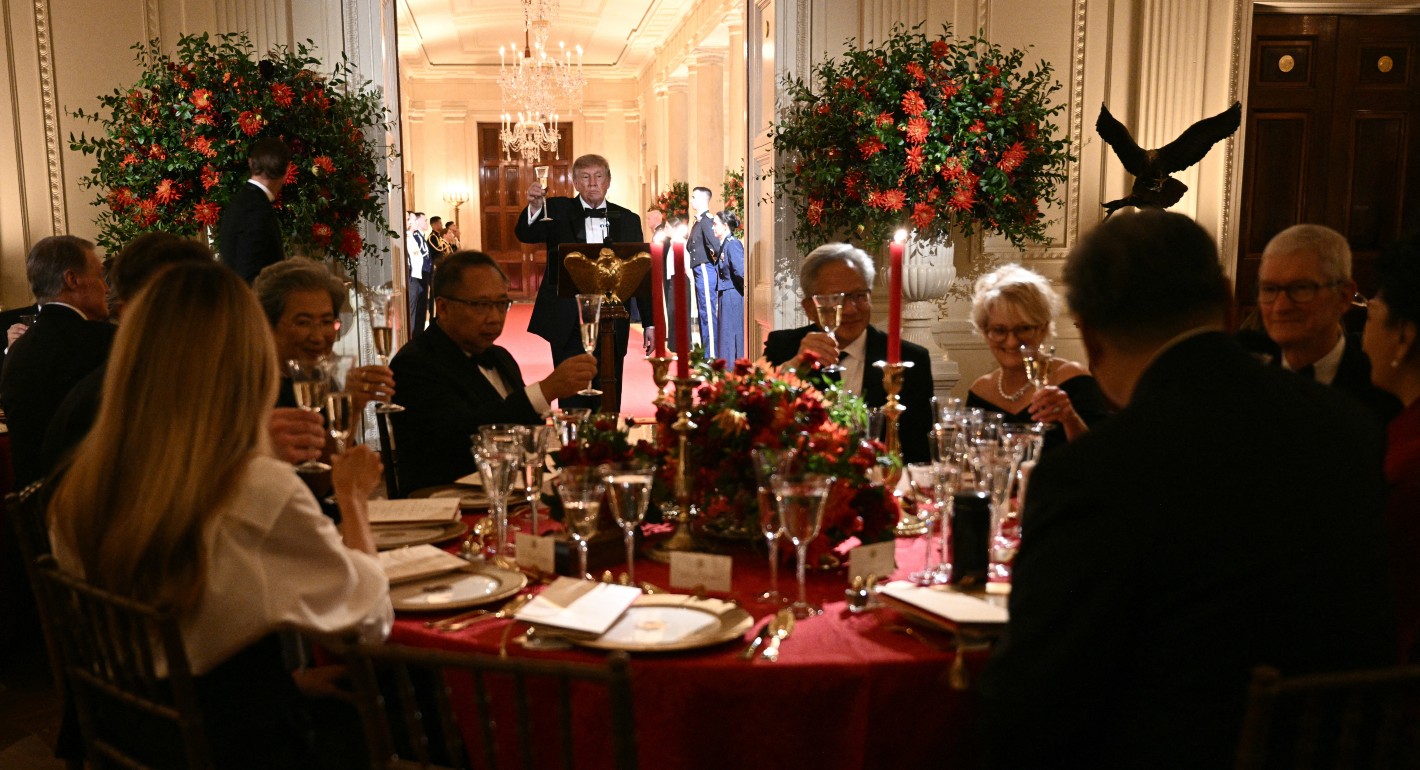
The summit may be remembered as a fatal blunder, when Washington, Beijing, and the AI industry collectively chose ceremony over action.
Jeffrey Prescott