

Commentary
Marwan Muasher
{
  "authors": [
    "Marwan Muasher"
  ],
  "type": "legacyinthemedia",
  "centerAffiliationAll": "dc",
  "centers": [
    "Carnegie Endowment for International Peace",
    "Malcolm H. Kerr Carnegie Middle East Center"
  ],
  "collections": [],
  "englishNewsletterAll": "menaTransitions",
  "nonEnglishNewsletterAll": "",
  "primaryCenter": "Carnegie Endowment for International Peace",
  "programAffiliation": "MEP",
  "programs": [
    "Middle East"
  ],
  "projects": [],
  "regions": [
    "Middle East",
    "North Africa",
    "Egypt",
    "Gulf",
    "Levant",
    "Maghreb"
  ],
  "topics": [
    "Political Reform",
    "Security",
    "Economy",
    "Military"
  ]
}
Source: Getty
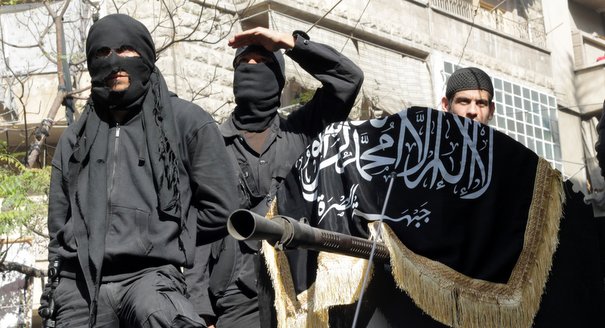
Building stability and prosperity is going to take a lot more work than military strikes.
Source: CNN’s Fareed Zakaria GPS
The Arab world had two huge wake-up calls in the last few years: the 2011 uprisings, which were brought about by a sense that people were marginalized, and the Islamic State, said Carnegie’s Marwan Muasher on CNN’s Fareed Zakaria GPS. “These are two huge wake-up calls that both governments and the general public need to internalize the lessons from,” Muasher said. We cannot escape the fact that from now on, building stability and prosperity is going to take a lot more than military strikes, he argued. And just because it takes a lot more time, does not mean we cannot and shouldn’t start now.
This interview was originally aired on CNN’s Fareed Zakaria GPS.

Vice President for Studies
Marwan Muasher is vice president for studies at Carnegie, where he oversees research in Washington and Beirut on the Middle East. Muasher served as foreign minister (2002–2004) and deputy prime minister (2004–2005) of Jordan, and his career has spanned the areas of diplomacy, development, civil society, and communications.
Recent Work
Marwan Muasher


James M. Acton, Saskia Brechenmacher, Cecily Brewer, …
Carnegie does not take institutional positions on public policy issues; the views represented herein are those of the author(s) and do not necessarily reflect the views of Carnegie, its staff, or its trustees.

In an interview, Naysan Rafati assesses the first week that followed the U.S. and Israeli attack on Iran.

Michael Young
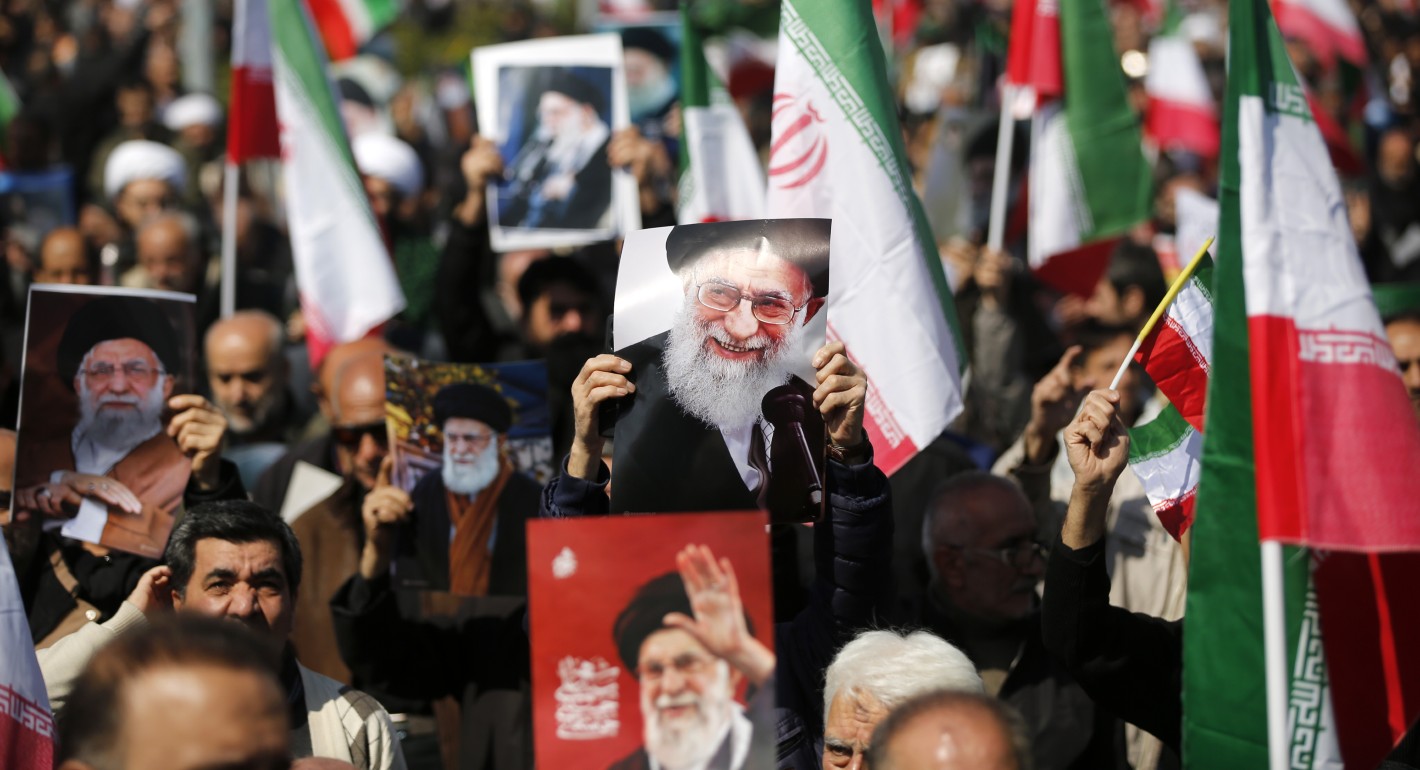
If the succession process can be carried out as Khamenei intended, it will likely bring a hardliner into power.

Eric Lob
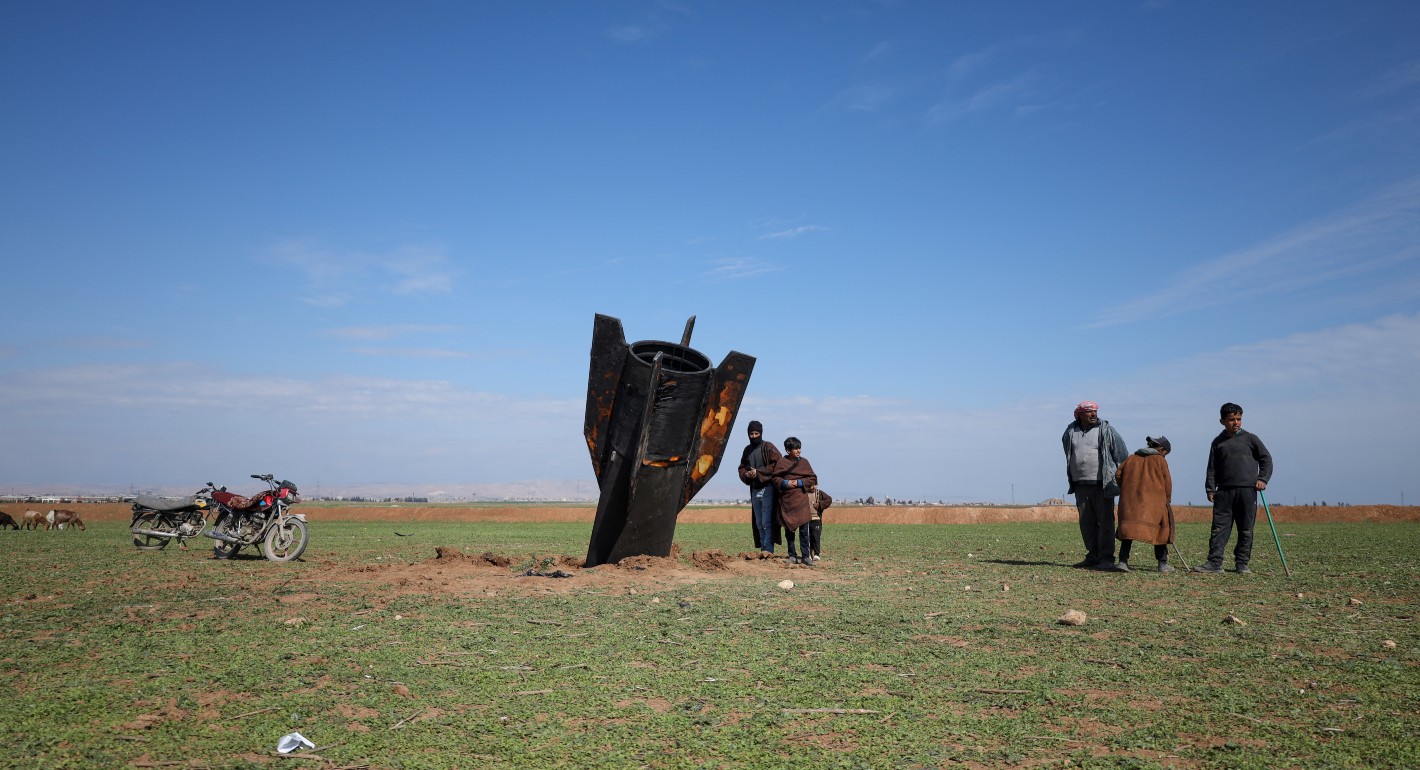
But to achieve either, it needs to retain Washington’s ear.

Alper Coşkun
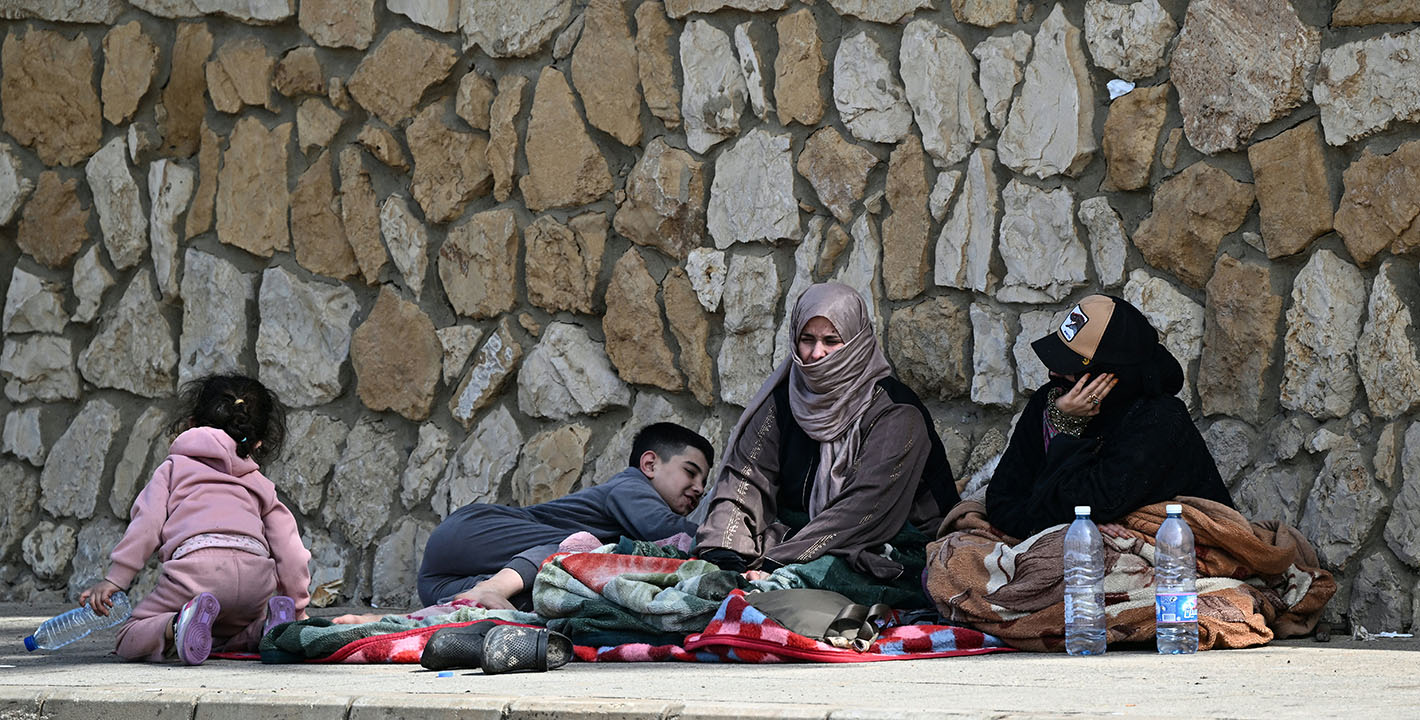
At heart, to impose unconditional surrender on Hezbollah and uproot the party among its coreligionists.

Yezid Sayigh
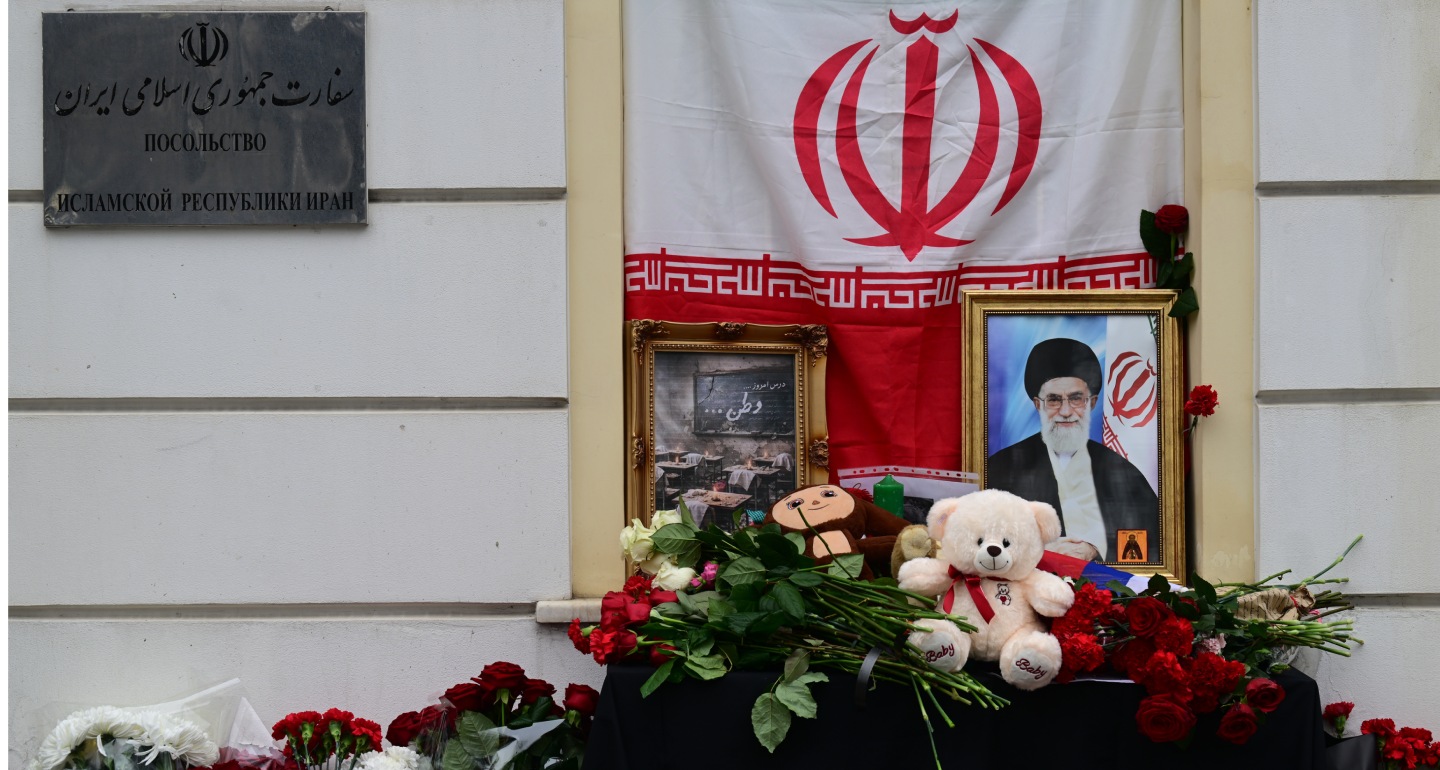
If the regime in Tehran survives, it could be obliged to hand Moscow significant political influence in exchange for supplies of weapons and humanitarian aid.

Nikita Smagin