

Commentary
Maha Yahya
{
  "authors": [
    "Maha Yahya"
  ],
  "type": "other",
  "centerAffiliationAll": "dc",
  "centers": [
    "Carnegie Endowment for International Peace",
    "Malcolm H. Kerr Carnegie Middle East Center"
  ],
  "collections": [
    "Arab Awakening"
  ],
  "englishNewsletterAll": "menaTransitions",
  "nonEnglishNewsletterAll": "",
  "primaryCenter": "Malcolm H. Kerr Carnegie Middle East Center",
  "programAffiliation": "MEP",
  "programs": [
    "Middle East"
  ],
  "projects": [],
  "regions": [
    "Egypt",
    "Gulf",
    "Levant",
    "Maghreb",
    "Middle East",
    "North Africa"
  ],
  "topics": [
    "Political Reform",
    "Economy"
  ]
}
Source: Getty
Four years after the start of the Arab revolutions, fundamental issues like polarization identities and economic inequities continue to destabilize the region.
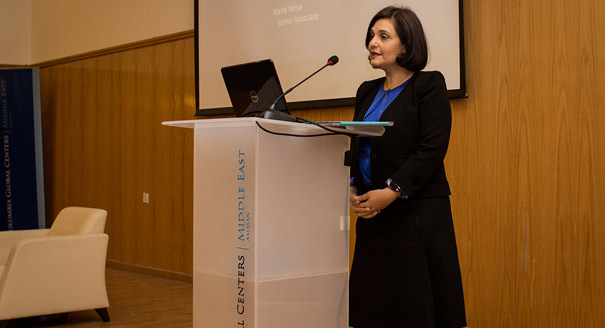
Source: Columbia Global Centers | Middle East
Four years after the start of the Arab revolutions, “very little seems to have changed for the better. If anything, the world around us has exploded in Syria, Libya, Iraq, and Yemen,” said Professor Safwan Masri, EVP for Global Centers and Global Development at Columbia University, introducing Carnegie’s Maha Yahya.
Speaking at Columbia Global Centers | Middle East, Yahya discussed the overlapping and interlocking conditions that led up to the Arab uprisings and what has happened since, especially in light of issues like polarization identities and economic inequities. Yahya also shed light on the status of politics in the region and citizens’ demands.
This conference was recorded and hosted by Columbia Global Centers | Middle East.

Director, Malcolm H. Kerr Carnegie Middle East Center
Maha Yahya is director of the Malcolm H. Kerr Carnegie Middle East Center, where her research focuses on citizenship, pluralism, and social justice in the aftermath of the Arab uprisings.
Recent Work
Maha Yahya
Maha Yahya
Carnegie does not take institutional positions on public policy issues; the views represented herein are those of the author(s) and do not necessarily reflect the views of Carnegie, its staff, or its trustees.
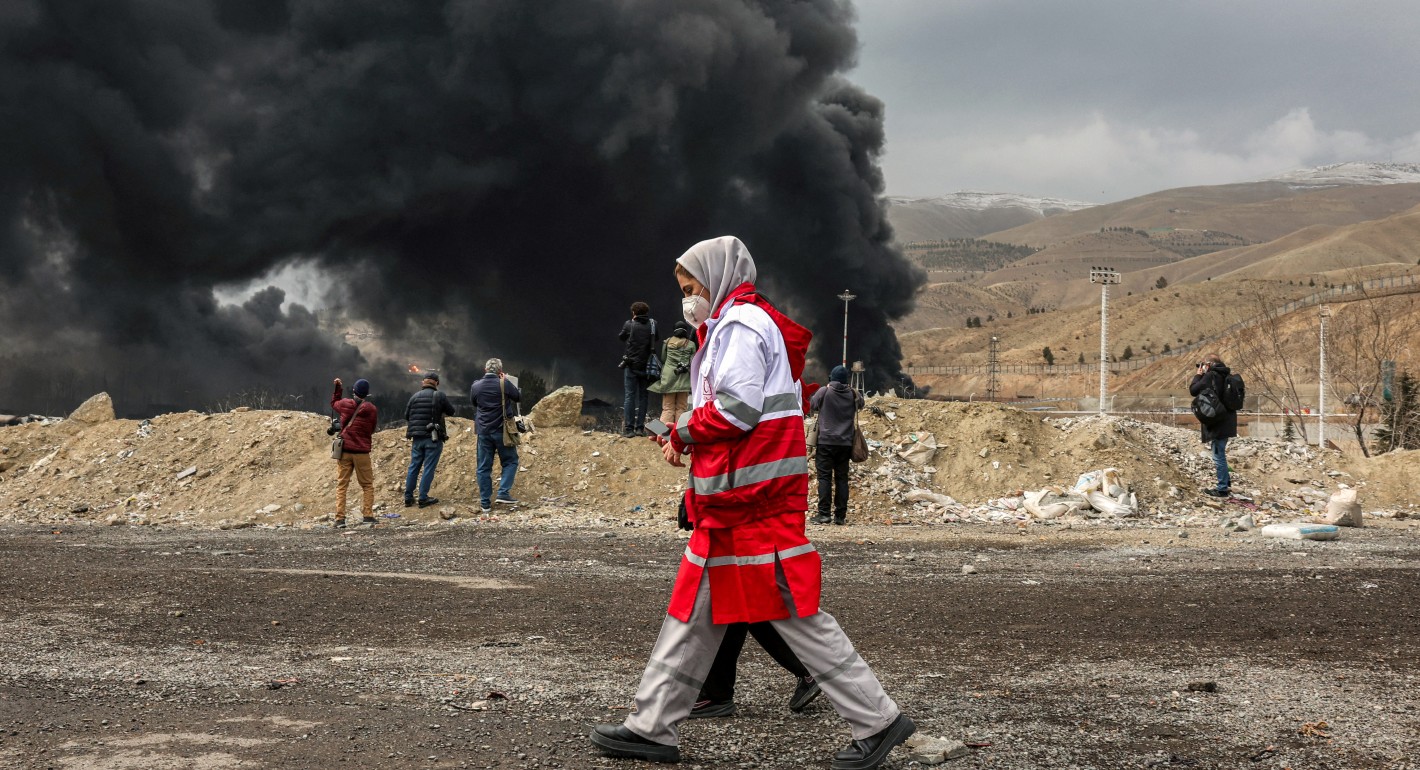
Acknowledging these harms strengthens the case for ethical limits on the weaponization of critical infrastructure.

Alia Sajjadian, Andrew Leber
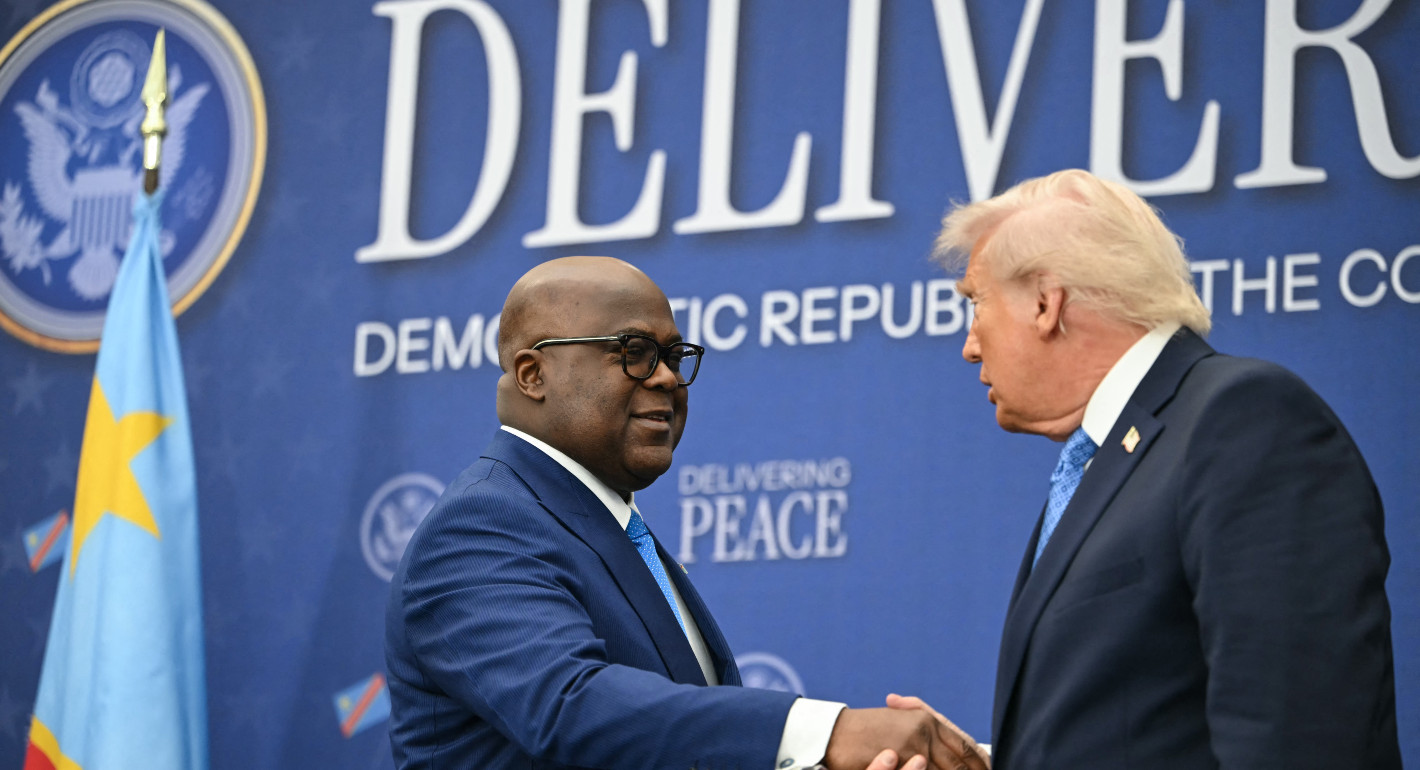
President Tshisekedi is implicating Washington in his pursuit of a third term. Staying silent may prove detrimental to the United States in the long run.
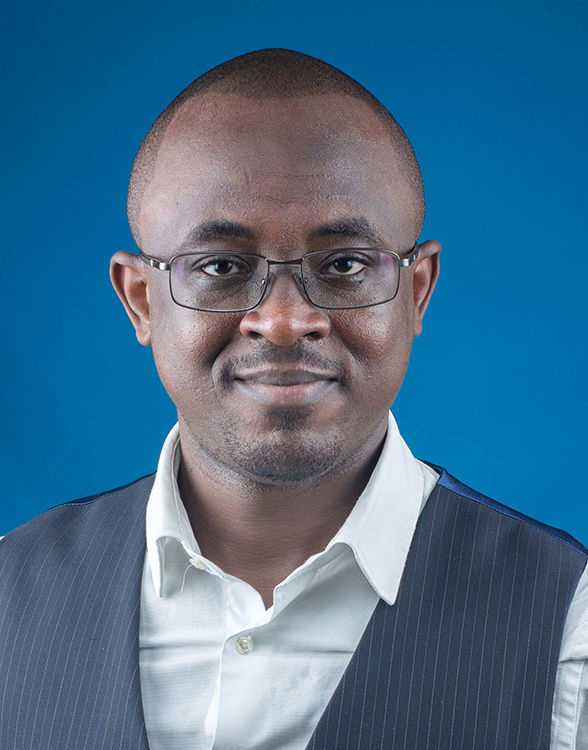
Christian-Géraud Neema
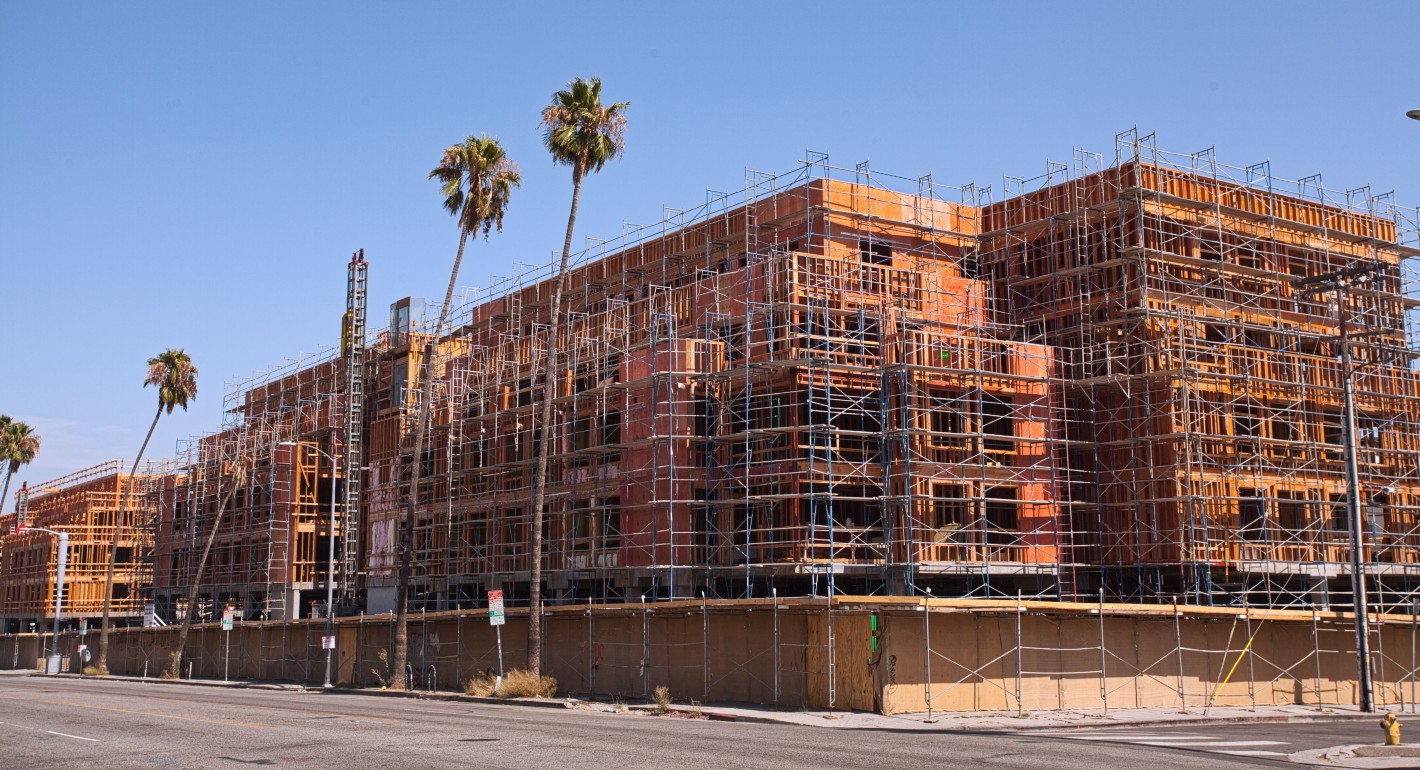
Direct democracy is the political wildcard in the state’s midterm election.


Mark Baldassare, Ian Klaus
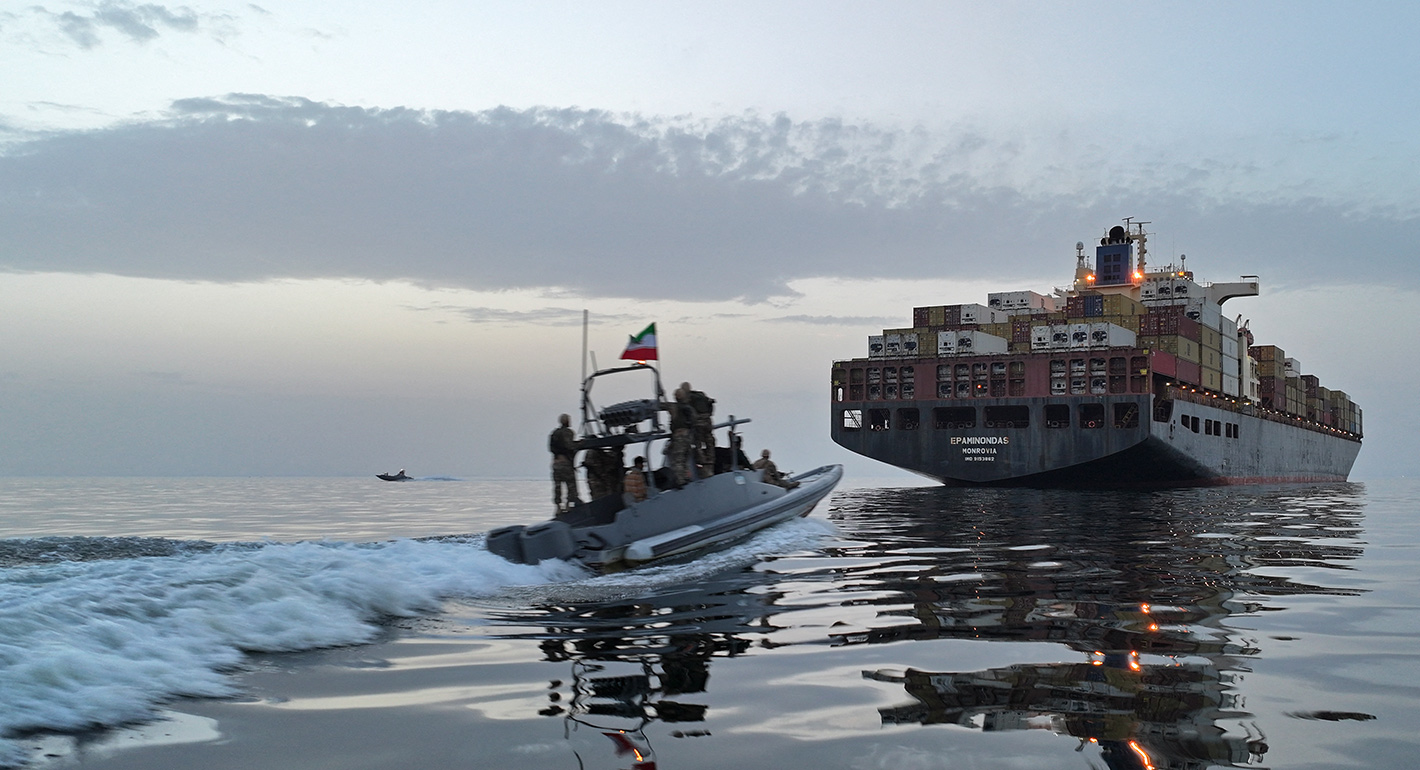
Potential Strait of Hormuz transit “fees” and Iran’s renminbi use are bringing attention to Beijing’s push to become a “financial power,” particularly in energy markets. Underdeveloped aspects of China’s financial system and its dollar dependencies still constrain the renminbi’s geoeconomic significance, but recent events may spur policy shifts aimed at changing these dynamics.
Robert Greene
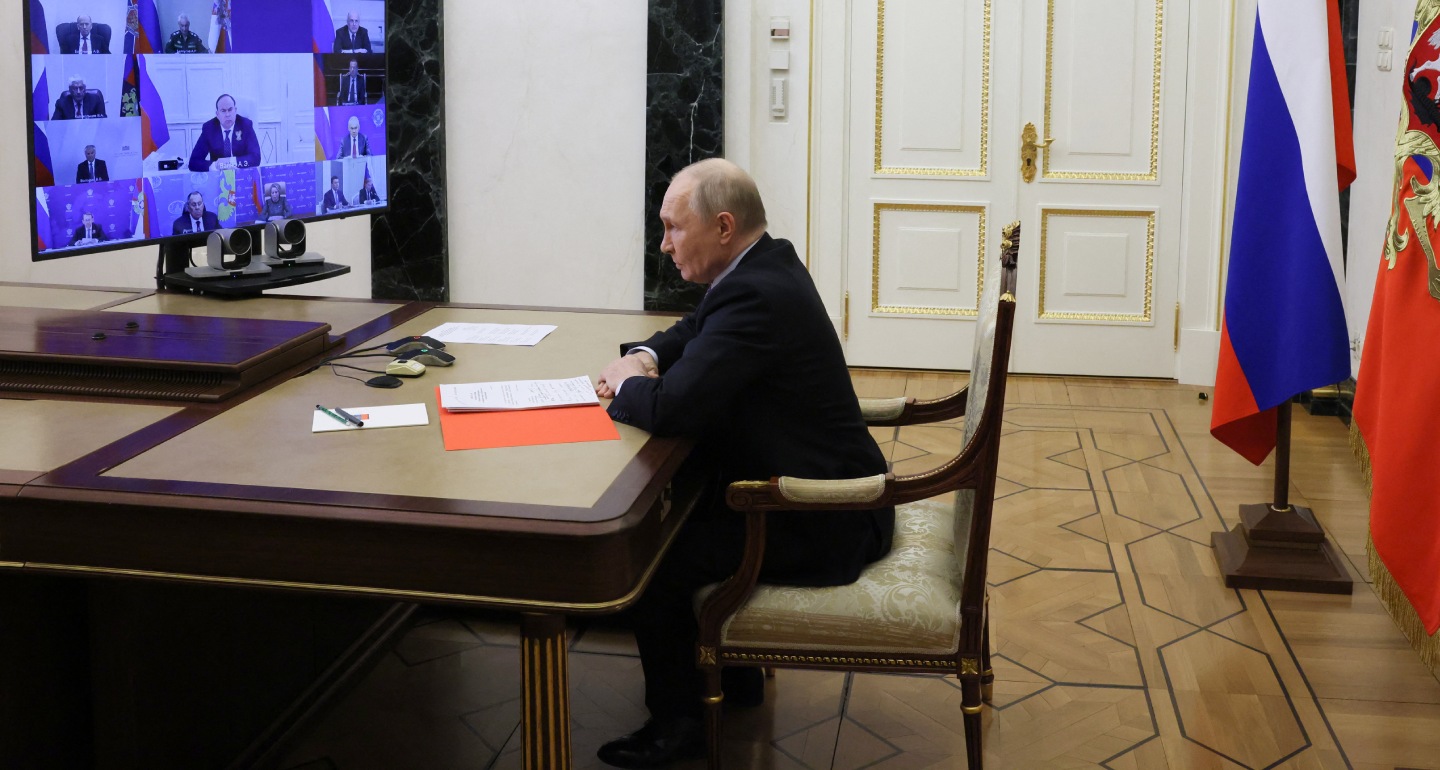
Two divergent trends—Putin’s hardline vision of how to prosecute the war in Ukraine, and a growing desire for change in Russia—could tear the regime apart.

Tatiana Stanovaya