• Research
  • Emissary
  • About
  • Experts
Carnegie Global logoCarnegie lettermark logo
DemocracyIran
  • Donate
{
  "authors": [
    "Farea Al-Muslimi"
  ],
  "type": "legacyinthemedia",
  "centerAffiliationAll": "dc",
  "centers": [
    "Carnegie Endowment for International Peace",
    "Malcolm H. Kerr Carnegie Middle East Center"
  ],
  "collections": [],
  "englishNewsletterAll": "menaTransitions",
  "nonEnglishNewsletterAll": "",
  "primaryCenter": "Malcolm H. Kerr Carnegie Middle East Center",
  "programAffiliation": "MEP",
  "programs": [
    "Middle East"
  ],
  "projects": [],
  "regions": [
    "Gulf",
    "Yemen",
    "Middle East"
  ],
  "topics": [
    "Political Reform",
    "Security"
  ]
}
Source: Getty

In The Media
Malcolm H. Kerr Carnegie Middle East Center

Humanitarian Crisis Deepens in Yemen

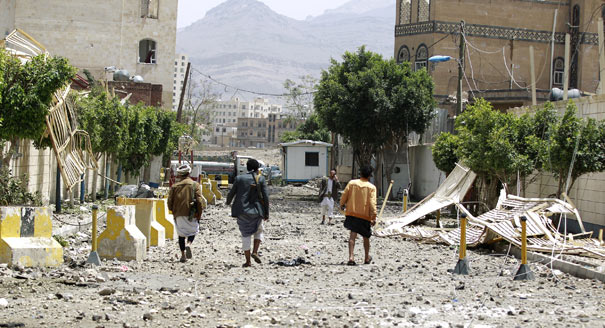
As Yemenis are caught between airstrikes and troops on the ground and militias, there is an increased chance of death—if not by war, then by hunger.

Link Copied
By Farea Al-Muslimi
Published on Apr 20, 2015
Program mobile hero image

Program

Middle East

The Middle East Program in Washington combines in-depth regional knowledge with incisive comparative analysis to provide deeply informed recommendations. With expertise in the Gulf, North Africa, Iran, and Israel/Palestine, we examine crosscutting themes of political, economic, and social change in both English and Arabic.

Learn More

Source: CNN

CNN’s Becky Anderson spoke to Carnegie’s Farea Al-Muslimi about the humanitarian crisis and situation on the ground in Yemen. Al-Muslimi described the shortages of food and fuel around the country, as well as how prices of these limited resources have risen.

As civilians are caught between airstrikes and troops on the ground and militias, Al-Muslimi also discussed the large fear of Yemeni citizens and the increased chance of death—if not by war, then by hunger.
This interview was originally broadcast by CNN.

About the Author

Farea Al-Muslimi

Research fellow at Chatham House’s Middle East and North Africa Programme

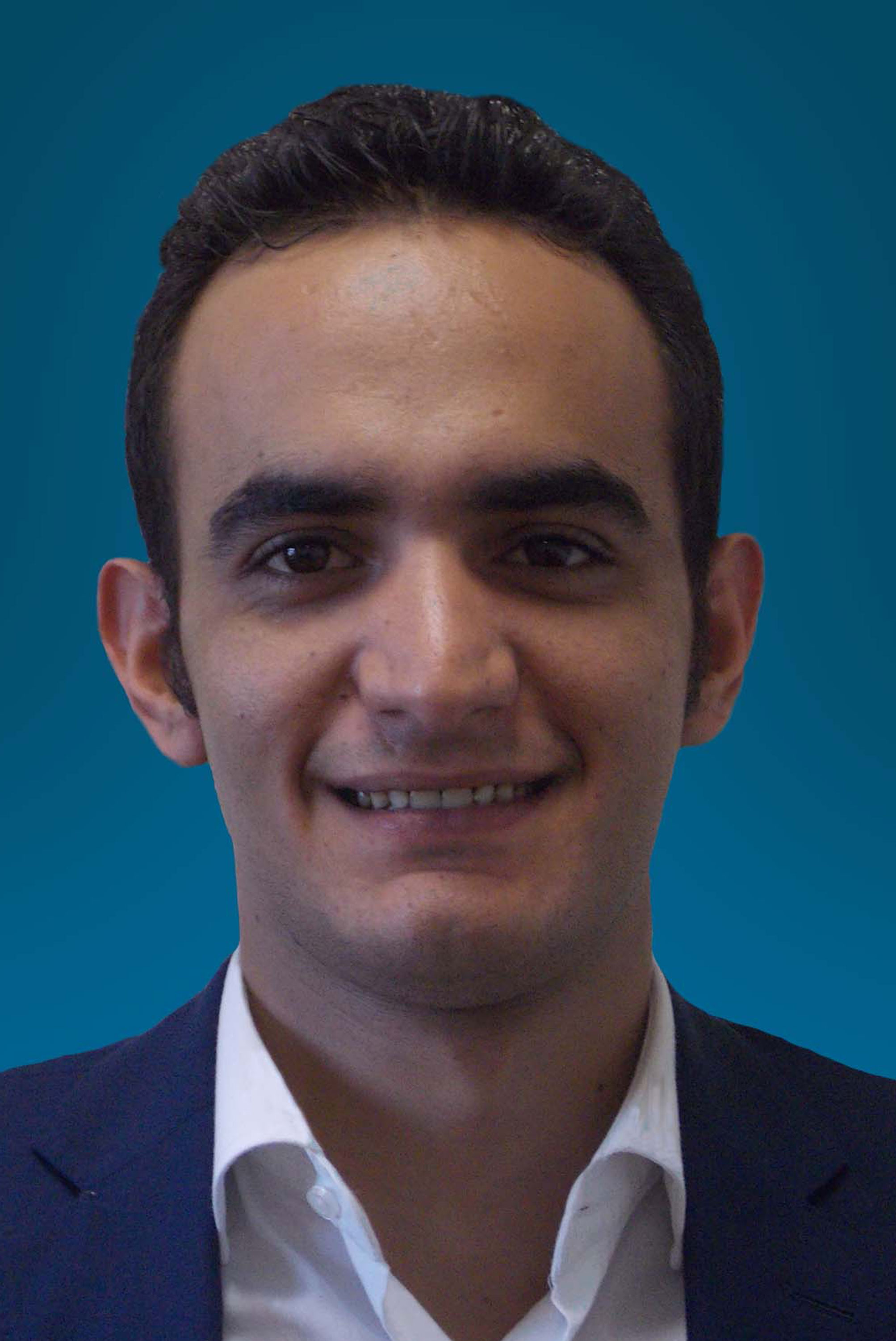
Farea Al-Muslimi is a research fellow at Chatham House’s Middle East and North Africa Programme.

    Recent Work

  • Commentary
    Master of the Middle

      Farea Al-Muslimi

  • Commentary
    A History of Missed Opportunities: Yemen and the GCC

      Farea Al-Muslimi

Farea Al-Muslimi
Research fellow at Chatham House’s Middle East and North Africa Programme
Farea Al-Muslimi
Political ReformSecurityGulfYemenMiddle East

Carnegie does not take institutional positions on public policy issues; the views represented herein are those of the author(s) and do not necessarily reflect the views of Carnegie, its staff, or its trustees.
More Work from Carnegie Endowment for International Peace

  • Trump and Netanyahu speaking
    Commentary
    Emissary
    The Diverging U.S. and Israeli Goals in Iran Are Making the Endgame Even Murkier

    The cracks between Trump and Netanyahu have become more pronounced, particularly over energy and leadership targets.

      • Eric Lob

      Eric Lob

  • Seoul traffic at night
    Commentary
    Emissary
    How the Hormuz Closure Is Testing the Korean President’s Progressive Agenda

    The crisis is not just a story of energy vulnerability. It’s also a complex, high-stakes political challenge.

      Darcie Draudt-Véjares

  • Commentary
    Diwan
    What Does the Strait of Hormuz’s Closure Mean?

    In an interview, Roger Diwan discusses where the global economy may be going in the third week of the U.S.-Israeli war with Iran.

      Nur Arafeh

  • Commentary
    Strategic Europe
    Russia’s Imperial Retreat Is Europe’s Strategic Opportunity

    The war in Ukraine is costing Russia its leverage overseas. Across the South Caucasus and Middle East, this presents an opportunity for Europe to pick up the pieces and claim its own sphere of influence.

      William Dixon, Maksym Beznosiuk

  • apan's Prime Minister Sanae Takaichi (L) reacts as US President Donald Trump delivers a speech in front of US Navy personnel on board the US Navy's USS George Washington aircraft carrier at the US naval base in Yokosuka on October 28, 2025.
    Article
    Takaichi’s Security Agenda After the Landslide Election

    Backed by a new LDP supermajority, Prime Minister Takaichi aspires to revise Japan’s long-standing security doctrine. Ahead of her visit to Washington, she faces fiscal hurdles for her proposed defense spending while needing to navigate President Trump’s request for naval assets to the Strait of Hormuz.

      • Harukata Takenaka

      Harukata Takenaka

Get more news and analysis from
Carnegie Endowment for International Peace
Carnegie global logo, stacked
1779 Massachusetts Avenue NWWashington, DC, 20036-2103Phone: 202 483 7600Fax: 202 483 1840
  • Research
  • Emissary
  • About
  • Experts
  • Donate
  • Programs
  • Events
  • Blogs
  • Podcasts
  • Contact
  • Annual Reports
  • Careers
  • Privacy
  • For Media
  • Government Resources
Get more news and analysis from
Carnegie Endowment for International Peace
© 2026 Carnegie Endowment for International Peace. All rights reserved.